In the modern landscape of industrial security and containment, the cage wire fence stands as a cornerstone of structural reliability. Whether utilized for high-security perimeters, animal containment, or specialized industrial storage, these robust enclosures provide a critical balance between visibility and impenetrable strength. Understanding the nuances of wire gauge, coating materials, and welding techniques is essential for anyone seeking to implement a long-term security solution that withstands both physical impact and environmental degradation.
Globally, the demand for specialized fencing has surged as infrastructure projects in remote areas increase and urban security needs evolve. From the implementation of Gabion-style structures for erosion control to the creation of secure enclosures for critical utilities, the versatility of the cage wire fence makes it an indispensable tool. By integrating advanced metallurgy with precise engineering, manufacturers are now producing fences that offer higher tensile strength while remaining lightweight enough for rapid deployment across diverse terrains.
The true value of a high-quality cage wire fence lies in its ability to mitigate risk. By creating a physical barrier that is difficult to breach yet easy to monitor, businesses and government agencies can protect high-value assets and ensure the safety of personnel. This guide explores the technical specifications, global applications, and future innovations of wire cage systems, providing a comprehensive roadmap for selecting the right materials for any security or containment challenge.
Global Industry Context of Cage Wire Fence
The global market for the cage wire fence has witnessed significant growth, driven by a worldwide increase in industrialization and the necessity for secure border and site management. According to international trade standards and ISO certifications for metal products, the emphasis has shifted from simple barriers to engineered systems. In regions experiencing rapid urban expansion, such as Southeast Asia and Sub-Saharan Africa, the demand for affordable yet durable containment solutions has made wire mesh technology a critical component of local infrastructure.
However, the industry faces the constant challenge of environmental corrosion. In coastal regions or high-humidity tropical zones, standard steel fences often fail within a few years due to oxidation. This has led to a global shift toward galvanized and PVC-coated materials, ensuring that a cage wire fence can maintain its structural integrity for decades rather than years, thereby reducing the total cost of ownership for large-scale municipal projects.
Defining the Modern Cage Wire Fence
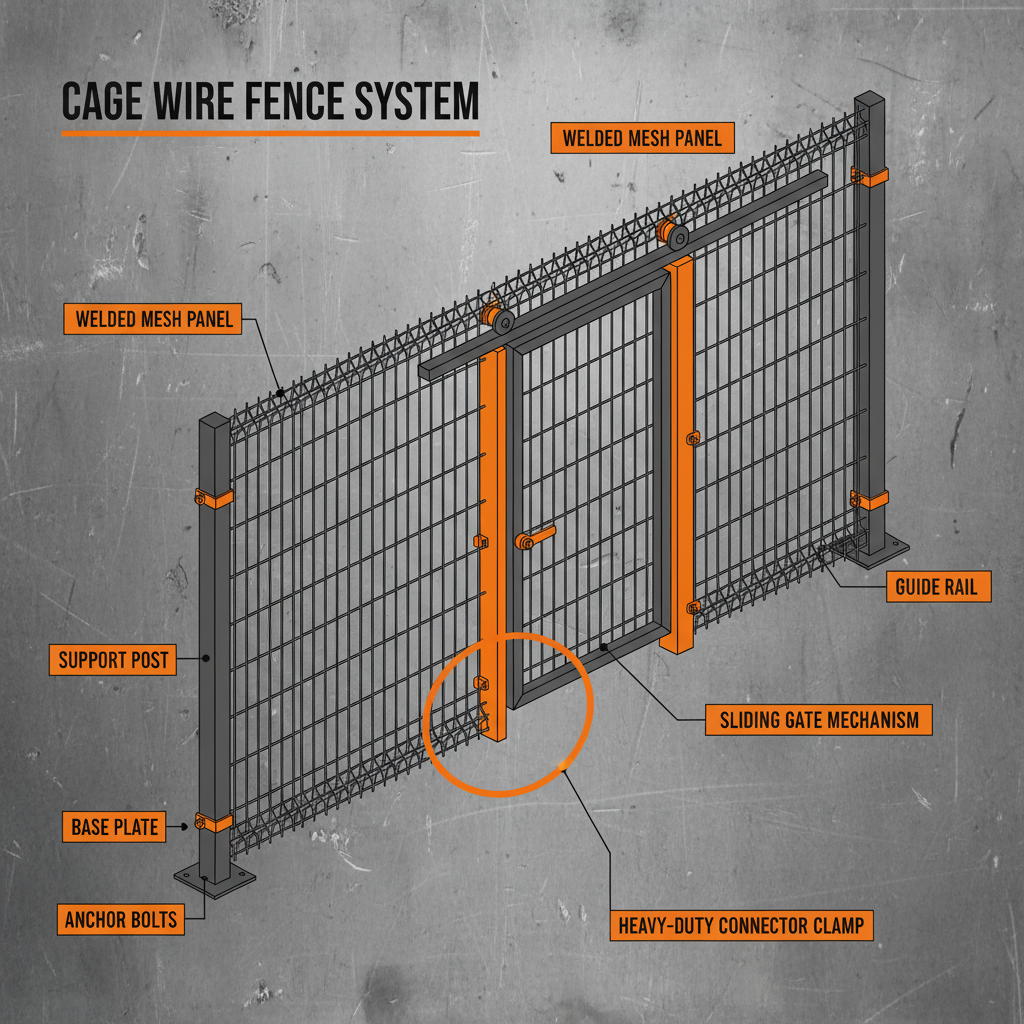
At its most basic level, a cage wire fence is a three-dimensional enclosure constructed from welded or woven wire mesh, designed to surround a specific area or object completely. Unlike standard linear fencing, the "cage" aspect implies a top cover and reinforced structural frames, creating a secure volume that prevents entry or exit from any angle. This design is critical for applications where traditional fences would leave the top open to intrusion or escape.
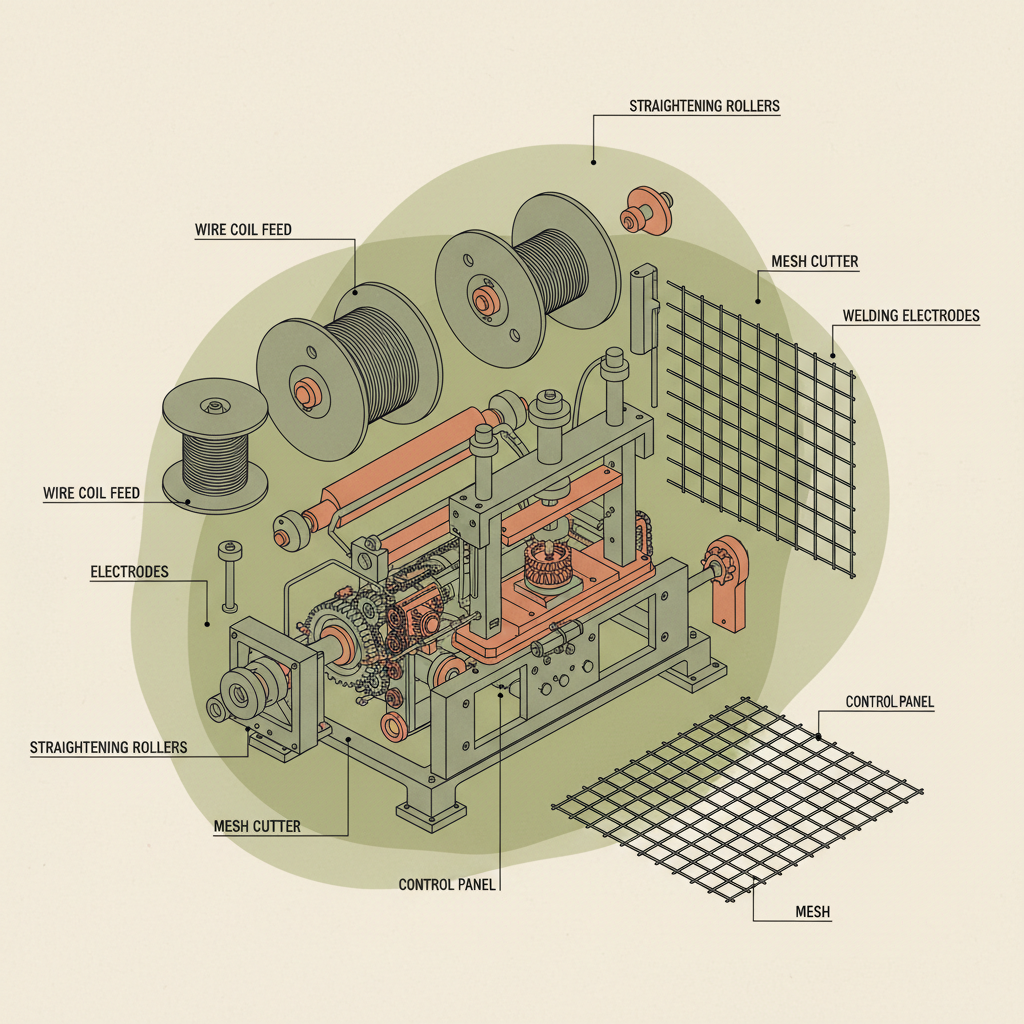
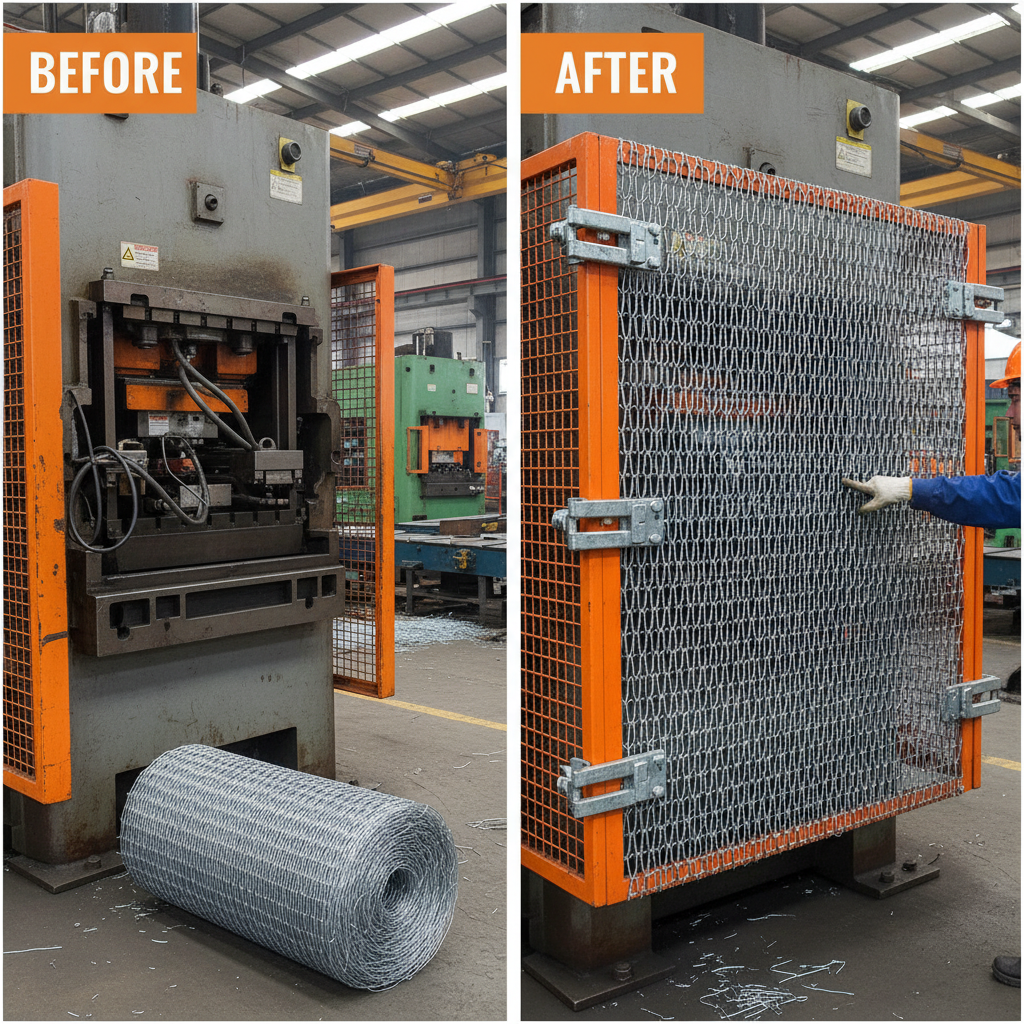
In modern industrial contexts, these systems are no longer just "cages" but are complex assemblies of high-tensile steel and specialized coatings. They are engineered to meet specific load-bearing requirements, whether they are holding back tons of rock in a Gabion wall or protecting delicate electrical transformers from wildlife and vandalism. The integration of precision welding ensures that every joint is a point of strength rather than a point of failure.
Furthermore, the humanitarian application of these fences has grown. In disaster relief or temporary housing zones, modular cage wire systems are used to create secure storage for medical supplies and food, ensuring that aid is protected from theft or animals while remaining accessible to authorized personnel. This intersection of industrial strength and humanitarian utility defines the versatility of current wire mesh engineering.
Core Components for Maximum Durability
The longevity of a cage wire fence depends primarily on the quality of the raw steel and the precision of the weaving or welding process. High-carbon steel is typically preferred for its superior tensile strength, allowing the fence to resist bending and cutting. The aperture size—the gap between the wires—is meticulously chosen based on the target objective, ensuring that nothing too large can enter and nothing too small can escape.
Protective coatings are the second most critical component of any cage wire fence system. Hot-dip galvanization provides a metallurgical bond that protects the steel from rust, while an additional PVC or powder coating adds a layer of chemical resistance and aesthetic flexibility. This dual-layer approach is essential for installations in saline environments or industrial zones where chemical runoff is common.
Finally, the structural framing and fastening mechanisms determine the overall stability of the enclosure. Heavy-duty corner posts and reinforced binding wires prevent the "sagging" effect common in low-quality installations. By utilizing reinforced joints, a cage wire fence can maintain its geometric shape even under significant lateral pressure, making it suitable for heavy-duty containment tasks.
Technical Performance and Scalability
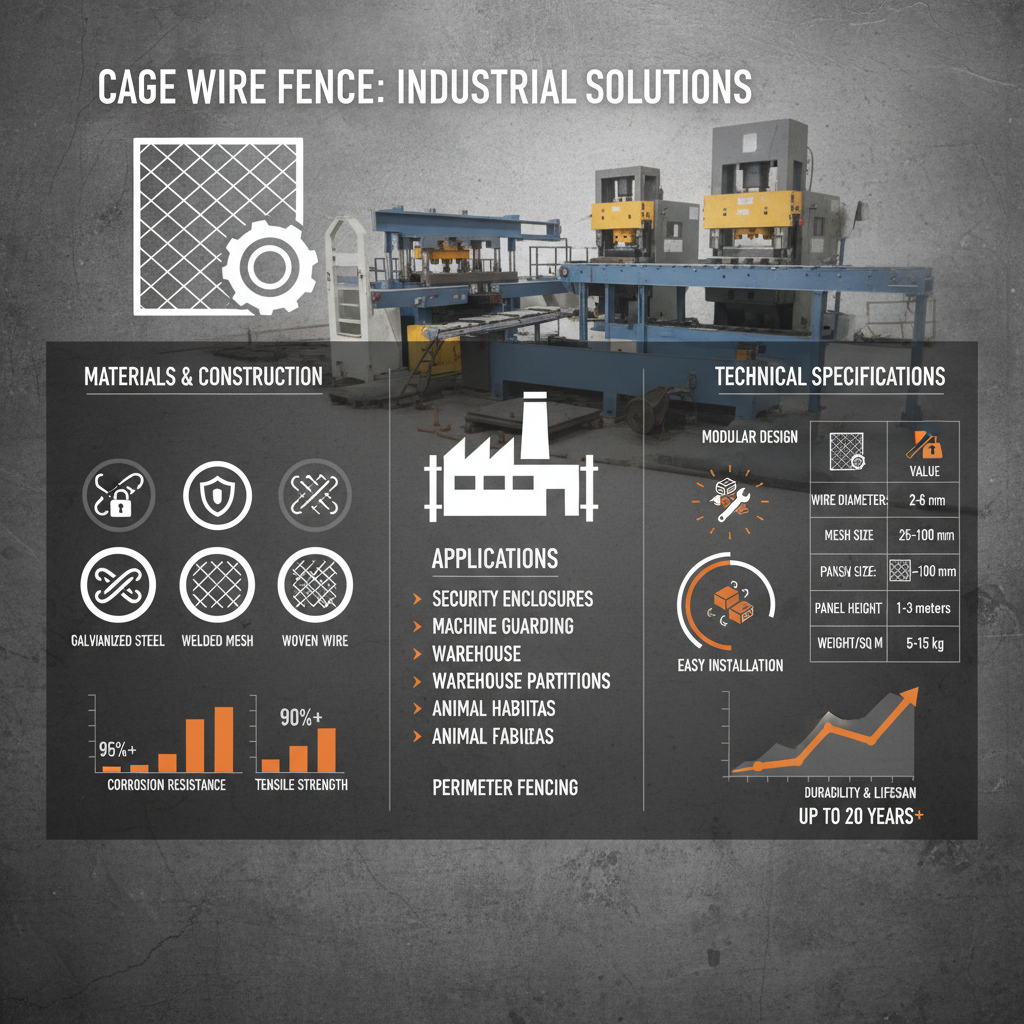
When evaluating the performance of a cage wire fence, engineers look at the ratio of weight to strength. A scalable system is one that can be expanded without compromising the integrity of the original structure. Modular designs allow users to add sections to their enclosure as their needs grow, making these fences ideal for growing warehouses or evolving animal sanctuaries.
The efficiency of installation also plays a massive role in technical scalability. By using pre-fabricated panels and interlocking clips, the time required to deploy a secure perimeter is reduced by up to 60% compared to traditional on-site weaving. This speed is vital in emergency security scenarios or rapid industrial build-outs.
Comparative Performance of Cage Wire Fence Systems
Global Applications and Use Cases
The versatility of the cage wire fence is evident in its wide array of real-world applications. In the mining and construction sectors, "gabion cages" filled with stone are used extensively for slope stabilization and retaining walls, preventing landslides in mountainous terrains of the Andes or the Himalayas. These structures combine the flexibility of wire mesh with the mass of stone, creating a permeable yet incredibly strong barrier.
In urban environments, these fences are frequently used for the protection of critical utility infrastructure. Electrical substations, water treatment valves, and HVAC systems on rooftops are often enclosed in specialized wire cages to prevent unauthorized access and protect against accidental damage. Moreover, in the agricultural sector, high-grade cage wire is essential for predator-proof enclosures, protecting livestock and poultry from wild animals in rural farmland across North America and Europe.
Long-Term Value and Sustainability
Investing in a high-quality cage wire fence provides significant long-term economic value. While the initial cost of galvanized or stainless steel may be higher than basic iron wire, the reduction in maintenance costs and the extended replacement cycle result in a much lower lifetime cost. For a corporation managing multiple sites, this means fewer labor hours spent on repairs and a consistent level of security.
From a sustainability perspective, steel is one of the most recycled materials on earth. Most modern wire fences are manufactured from a percentage of recycled scrap metal, and at the end of their service life, they can be fully recycled again. This circular economy approach reduces the environmental impact of mining new iron ore and aligns with the green building certifications (such as LEED) required for many modern construction projects.
Beyond the logical and financial benefits, there is a psychological value to secure enclosures. In industrial settings, a well-installed cage wire fence signals professionalism and a commitment to safety. It provides peace of mind for employees and stakeholders, knowing that hazardous areas are properly isolated and high-value assets are protected by industry-standard barriers.
Future Trends in Wire Mesh Engineering
The future of the cage wire fence is being shaped by advances in material science and automation. We are seeing the emergence of "smart fences" that integrate fiber-optic sensors directly into the wire mesh. These sensors can detect vibrations or cutting attempts in real-time, sending an immediate alert to security personnel. This transforms a passive physical barrier into an active security system.
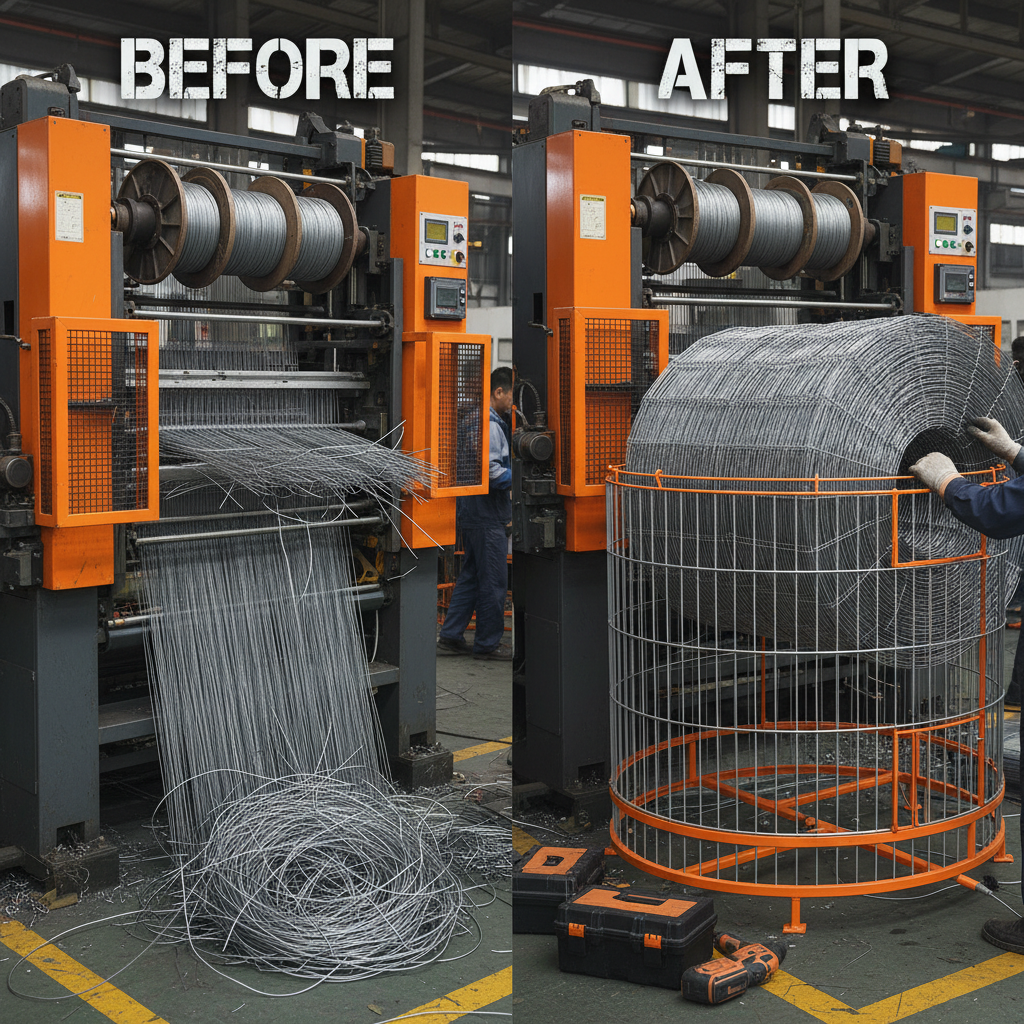
Additionally, the adoption of robotics in the manufacturing process is allowing for more complex geometries and tighter weld tolerances. Automated welding arms can now create custom-shaped cages with zero human error, ensuring that every intersection of the wire is perfectly fused. This increases the overall strength of the fence while reducing material waste during production.
Sustainability will continue to drive innovation, with the development of new organic-based coatings that offer the same corrosion resistance as PVC but are biodegradable or non-toxic. As the industry moves toward "Net Zero," the production of wire mesh is becoming more energy-efficient, utilizing electric arc furnaces powered by renewable energy.
Analysis of Cage Wire Fence Material Performance by Environment
|
Material Type
|
Corrosion Resistance
|
Impact Strength
|
Estimated Lifespan (Years)
|
| Hot-Dip Galvanized |
High |
Medium-High |
15-25 |
| PVC Coated Steel |
Very High |
Medium |
20-30 |
| Stainless Steel (304/316) |
Extreme |
High |
50+ |
| Powder Coated Iron |
Medium |
Medium |
5-12 |
| Electro-Galvanized |
Low-Medium |
Medium |
3-8 |
| High-Tensile Alloy |
Medium-High |
Extreme |
20-40 |
FAQS
A standard fence typically provides a linear boundary, often leaving the top open. A cage wire fence is a fully enclosed three-dimensional structure, usually including a roof or top cover and reinforced framing. This makes the cage design far more effective for preventing escapes in animal containment or preventing "over-the-top" intrusions in high-security industrial zones.
Wire gauge refers to the thickness of the wire; the lower the number, the thicker the wire. For lightweight debris or small animals, a higher gauge (thinner wire) suffices. For industrial security or heavy-duty Gabions, a lower gauge (thicker wire) is necessary to provide the structural rigidity and impact resistance needed to withstand external pressure or forced entry attempts.
It depends on the environment. Hot-dip galvanization is excellent for general outdoor use and provides a strong metallurgical bond. However, PVC coating adds an extra layer of protection against chemicals and saltwater, making it superior for coastal areas or chemical plants. PVC also allows for color customization to blend in with the surrounding landscape.
Yes, modern manufacturing allows for a wide range of custom geometries. Using CNC bending and automated welding, cage wire fences can be constructed as cylinders, hexagons, or irregular shapes to fit specific equipment or architectural constraints. Customizations in aperture size and wire thickness are also standard for specialized industrial orders.
Lifespan varies by material. Standard iron might last 5-10 years, while hot-dip galvanized steel typically lasts 15-25 years. High-grade stainless steel (316 grade) can last over 50 years even in harsh environments. Regular inspections and touch-ups on coated areas can further extend the life of the installation.
Yes, steel is one of the most sustainable construction materials because it is 100% recyclable. Many manufacturers use recycled steel in their production process. Furthermore, when used in Gabion walls for erosion control, cage wire fences help preserve natural landscapes by stabilizing soil without the need for heavy concrete pours, reducing the carbon footprint of the project.
Conclusion
The cage wire fence is far more than a simple barrier; it is a precision-engineered solution that addresses the complex needs of security, containment, and structural stabilization. By balancing material strength, protective coatings, and modular design, these systems provide an efficient and durable way to protect assets and manage environments globally. From the industrial stability of Gabion walls to the high-security enclosures of critical utilities, the integration of high-tensile wire and advanced welding ensures long-term reliability and value.
As we look toward the future, the evolution of "smart" monitoring and sustainable manufacturing will continue to elevate the standards of wire mesh technology. For businesses and project managers, the key to success lies in selecting materials that match the specific environmental challenges of their site. We recommend prioritizing galvanized or stainless steel for longevity and exploring modular designs for future scalability. To find the perfect containment solution for your project, visit our website: www.yszwiremesh.com.