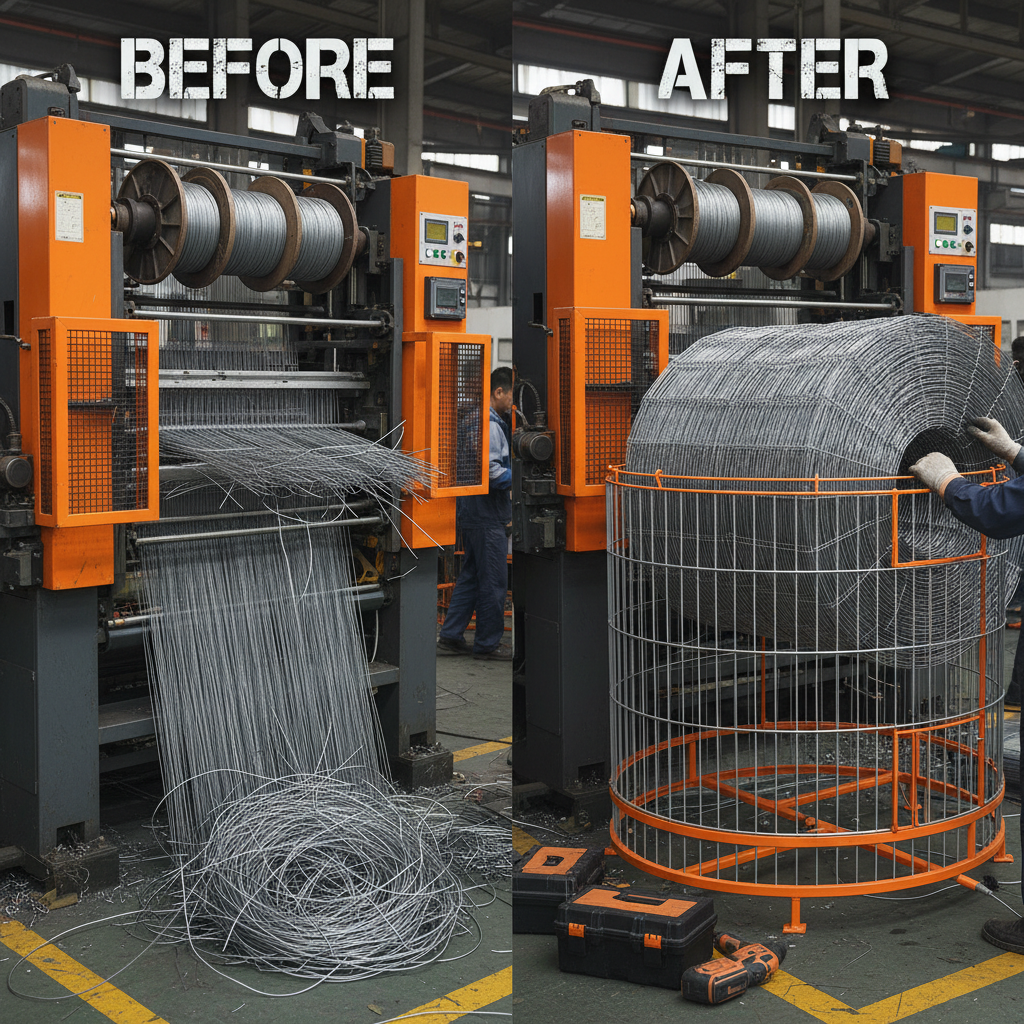
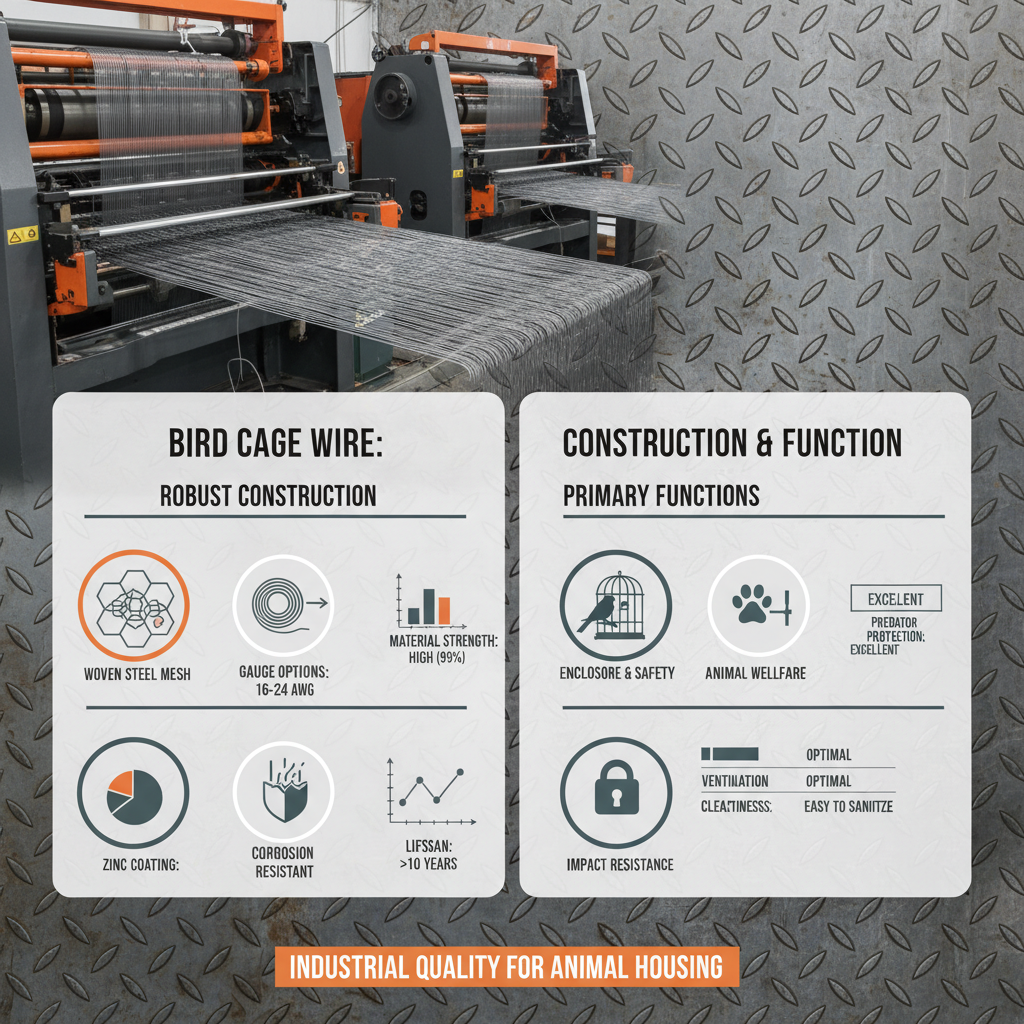
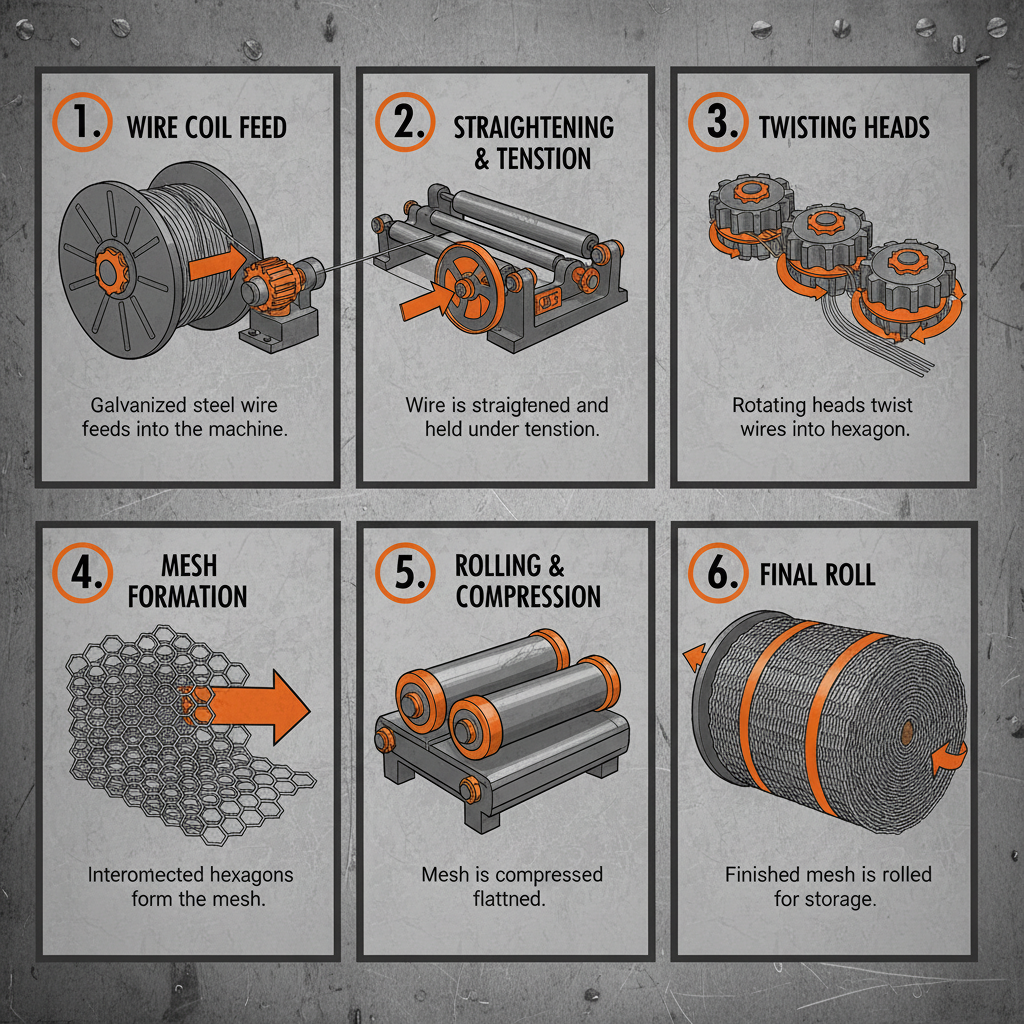
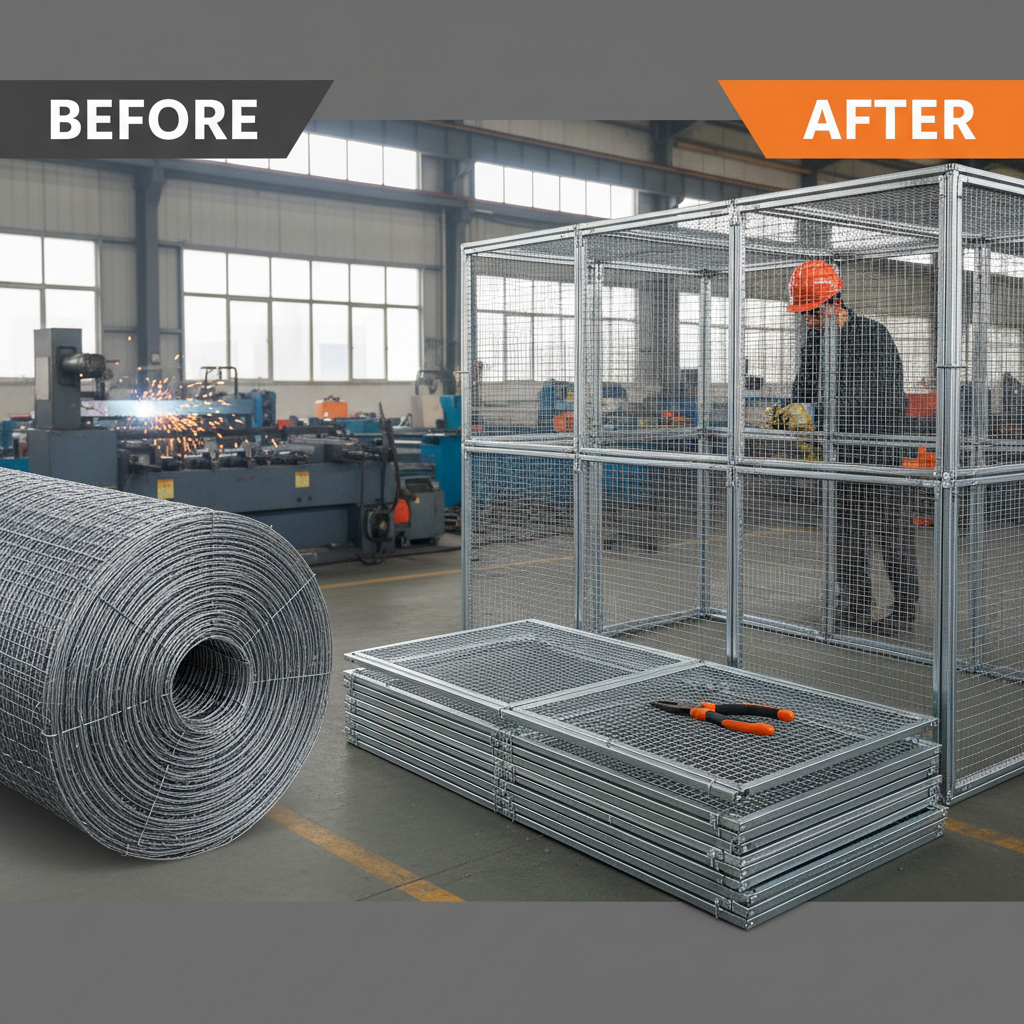
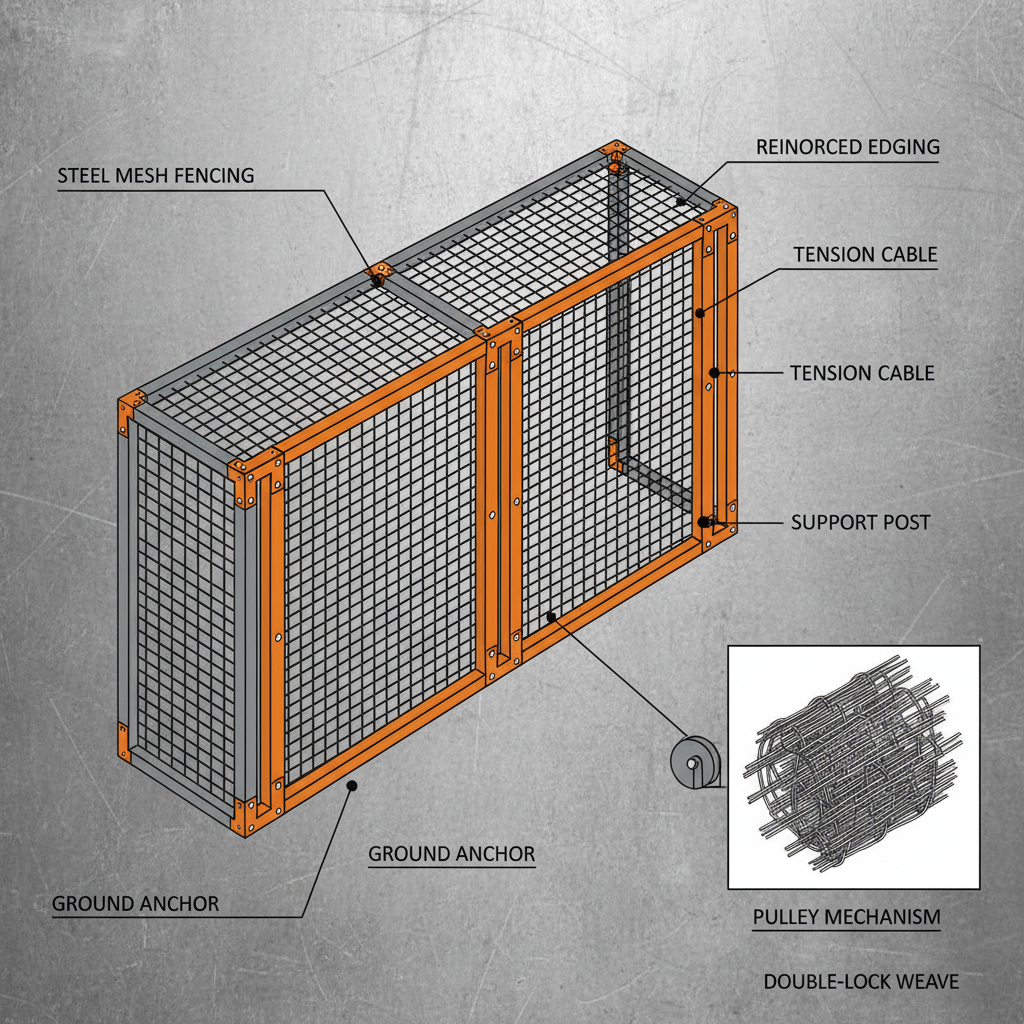
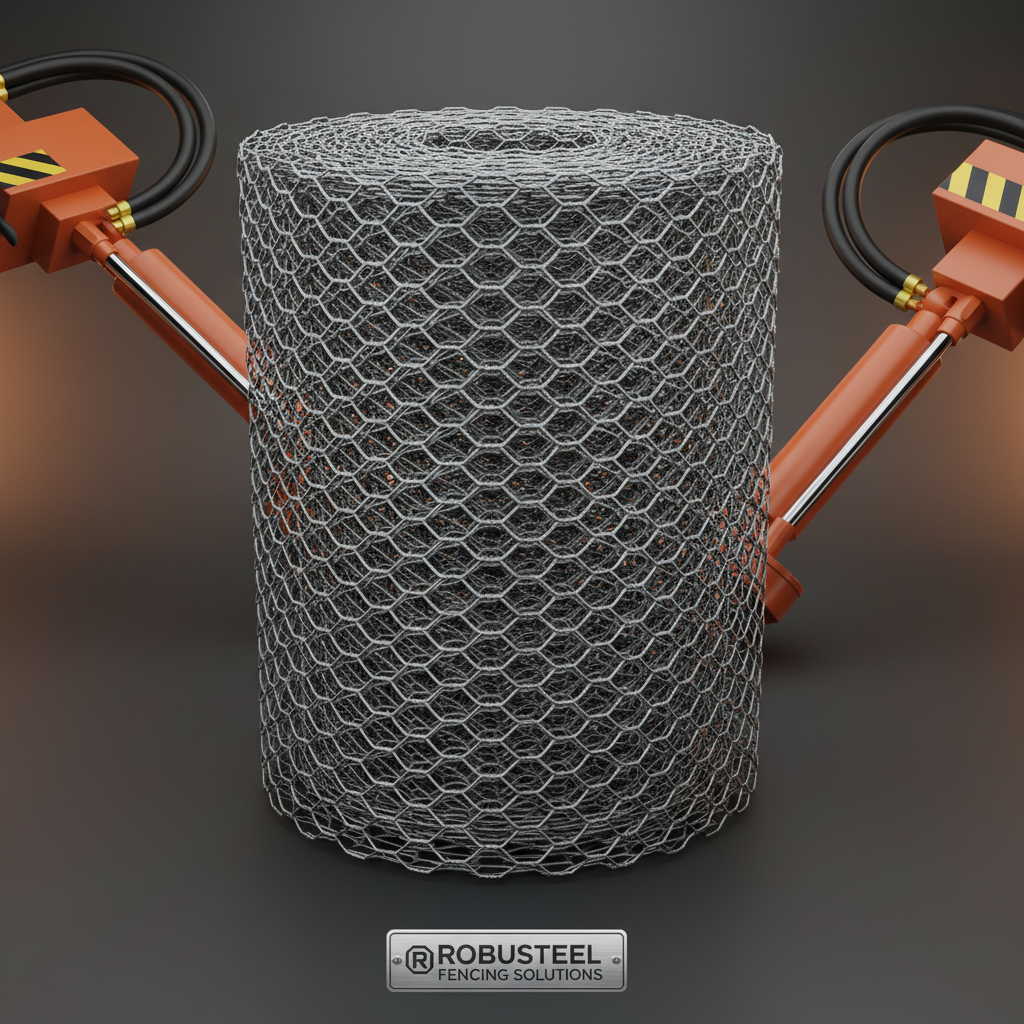
Selecting the right bird cage wire is more than just a matter of choosing a mesh size; it is about balancing structural integrity, animal safety, and environmental resistance. Whether for professional aviary construction or small-scale domestic use, the material quality directly impacts the longevity of the enclosure and the well-being of the inhabitants.
In the global manufacturing landscape, the demand for specialized wire mesh has surged as biodiversity conservation and professional breeding programs expand. High-quality bird cage wire must adhere to strict safety standards to prevent injuries and withstand the corrosive effects of waste and weather, making the choice of galvanized or stainless steel critical for long-term success.
Understanding the nuances of wire gauge, aperture size, and coating types allows users to optimize their investment. By integrating industrial-grade manufacturing precision with practical animal husbandry needs, the modern wire mesh industry provides solutions that ensure security without sacrificing visibility or ventilation.
Global Industry Context of Bird Cage Wire
The global market for bird cage wire is intricately linked to the broader metal products industry, specifically within the specialized sector of wire mesh manufacturing. With the rise of urban farming and an increase in exotic bird breeding, ISO-certified manufacturing processes have become the benchmark for ensuring that mesh is free from toxic coatings and structural weaknesses.
One of the primary challenges facing the industry is the tension between cost-efficiency and corrosion resistance. In humid or coastal regions, standard carbon steel fails rapidly, leading to frequent replacements and potential safety hazards for the birds. This has driven a global shift toward hot-dipped galvanized and PVC-coated solutions that meet international durability standards.
Defining High-Quality Bird Cage Wire
At its core, bird cage wire refers to a specialized mesh—typically welded or woven—designed to provide a secure containment environment for avian species. Unlike general-purpose fencing, it requires a specific balance of tensile strength and flexibility, ensuring that the mesh does not warp under pressure while remaining rigid enough to prevent predators from breaching the enclosure.
From an industrial perspective, the definition extends to the precision of the aperture. Whether it is a fine hexagonal mesh for small finches or a heavy-duty welded grid for large parrots, the consistency of the opening is paramount. Any irregularity in the weave can create "snag points," which pose a significant risk of injury to the birds' feet or wings.
In modern humanitarian and conservation efforts, such as the creation of temporary rescue aviaries in disaster zones, this material is defined by its deployability. Lightweight yet strong bird cage wire allows for the rapid assembly of safe habitats, bridging the gap between industrial manufacturing and urgent ecological needs.
Core Components of Wire Durability
The durability of bird cage wire is primarily determined by its chemical composition and the coating process. The use of low-carbon steel provides the necessary ductility for shaping, while the addition of chromium in stainless steel variants ensures an almost impervious barrier against oxidation.
Zinc galvanization is perhaps the most critical factor in prolonging the lifespan of the mesh. By creating a sacrificial anode layer, the galvanized bird cage wire prevents rust from reaching the core steel, which is essential when the wire is exposed to the acidic nature of bird droppings and high moisture levels.
Furthermore, the welding technique used in welded wire mesh significantly impacts the structural integrity. High-frequency resistance welding ensures that the joints do not snap under the impact of larger birds or external pressure, maintaining the cage's geometric stability over several years of continuous use.
Comparative Performance of Mesh Materials
When selecting the ideal material for an aviary, users often compare the trade-offs between cost, weight, and lifespan. For instance, while PVC-coated wire offers superior aesthetics and a softer touch for the birds, stainless steel remains the gold standard for professional zoological parks due to its unmatched hygienic properties and resistance to chemicals.
The following analysis evaluates different types of bird cage wire based on their performance in real-world environmental stressors, focusing on oxidation resistance and structural rigidity.
Performance Comparison of Bird Cage Wire Materials
Global Applications and Use Cases
In large-scale agricultural projects across Southeast Asia and South America, bird cage wire is utilized not only for breeding but also for protecting high-value crops from avian pests. By creating perimeter screens with specific mesh densities, farmers can protect their yield without harming the local wildlife.
In urban environments across Europe and North America, there is a growing trend toward "catio" and bird sanctuary construction. These projects demand a higher aesthetic finish and non-toxic materials, leading to the widespread adoption of powder-coated welded mesh that blends seamlessly with modern architectural designs while providing maximum security.
Long-Term Value and Sustainability
Investing in premium bird cage wire provides significant long-term economic value by reducing the frequency of replacements. While the initial cost of stainless steel or hot-dipped galvanized mesh may be higher, the total cost of ownership is lower over a ten-year period compared to cheap, electro-plated alternatives that rust within months.
From a sustainability perspective, the recyclability of steel makes it an eco-friendly choice. Modern manufacturing plants are now implementing "green steel" processes, reducing the carbon footprint of wire production. This ensures that the creation of avian habitats does not come at the expense of the broader environment.
Moreover, the reliability of high-grade mesh provides psychological peace of mind for breeders and pet owners. The knowledge that an enclosure is structurally sound and free from sharp, rusted edges ensures a dignified and safe living space for the animals, reflecting a commitment to ethical animal care.
Future Innovations in Mesh Technology
The future of bird cage wire is moving toward the integration of "smart materials." We are seeing the development of antimicrobial coatings that inhibit the growth of bacteria and fungi on the wire surface, significantly reducing the risk of avian diseases and making cleaning processes more efficient.
Automation in the weaving and welding process is also increasing precision. Robotic welding allows for zero-tolerance joints, meaning that the mesh is perfectly uniform across thousands of square meters. This eliminates the human error that often leads to weak points in traditionally manufactured bird cages.
Additionally, the industry is exploring hybrid composites—combining the strength of steel with the lightness of advanced polymers. These materials aim to provide the security of traditional bird cage wire while being significantly easier to transport and install in remote conservation areas.
Comparison of Bird Cage Wire Technology Evolutions
| Technology Era |
Material Focus |
Key Benefit |
Lifespan Score |
| Traditional |
Carbon Steel |
Low Cost |
3/10 |
| Industrial |
Galvanized Steel |
Rust Resistance |
6/10 |
| Premium |
Stainless Steel 304 |
Maximum Hygiene |
9/10 |
| Modern |
PVC/Powder Coated |
Safety & Aesthetics |
7/10 |
| Advanced |
Antimicrobial Alloys |
Disease Prevention |
8/10 |
| Future |
Polymer-Steel Hybrid |
Extreme Lightness |
10/10 |
FAQS
For outdoor environments, hot-dipped galvanized steel or stainless steel is highly recommended. Galvanized wire offers a great balance of cost and rust resistance, while stainless steel is virtually impervious to weather and corrosion, making it the best choice for coastal areas or permanent outdoor aviaries.
Mesh size should be based on the bird's size and the potential for predators. For small birds like finches, a fine mesh (1/2 inch or smaller) is necessary to prevent escapes and keep out insects. For larger parrots, a heavier gauge wire with wider spacing is used, provided the gaps are not large enough for the bird to get its head stuck.
Yes, PVC coating provides an extra layer of protection that prevents birds from directly chewing on the metal and protects them from potential zinc toxicity (though rare in high-quality galvanized wire). It also offers a smoother surface, reducing the risk of scrapes and injuries.
Absolutely. Due to its strength and visibility, bird cage wire is excellent for creating protective cages around fruit trees or vegetable patches. It effectively keeps out birds and small mammals without blocking sunlight or airflow to the plants.
Depending on the material, the lifespan varies. Standard galvanized wire typically lasts 5-10 years in moderate climates. High-grade stainless steel can last 20+ years, even in harsh conditions, provided it is maintained and not subjected to extreme physical impact.
Regular cleaning to remove acidic droppings and avoiding the use of harsh chemical cleaners are key. For galvanized wire, touching up any scratches in the coating with a cold-galvanizing spray can prevent rust from spreading and significantly extend the life of the mesh.
Conclusion
The selection of bird cage wire is a critical decision that bridges the gap between industrial metalwork and animal welfare. From the chemical composition of the steel to the precision of the weld, every detail contributes to a secure, durable, and hygienic environment. By prioritizing materials like stainless steel or hot-dipped galvanized coatings, owners and professionals can ensure long-term structural stability and the safety of their avian inhabitants.
Looking forward, the evolution of antimicrobial coatings and hybrid materials promises to make avian enclosures even safer and more sustainable. As the industry moves toward greener manufacturing and smarter materials, the focus remains on providing high-performance solutions that protect biodiversity. For those seeking industry-leading wire mesh solutions, we invite you to explore our professional range. Visit our website: www.yszwiremesh.com