Aviary fencing – it's more than just wire and posts, believe me. I’ve spent years walking construction sites, feeling the sun beat down, and talking to the guys actually building things. You quickly learn what holds up and what doesn’t. Aviary fencing, done right, is about creating safe, secure environments for birds, whether it's a small backyard setup or a large-scale conservation project. It’s a critical element for responsible bird keeping, breeding programs, and vital wildlife protection. It's something I've seen make a real difference in the field.
What I've noticed is people often underestimate the importance of choosing the right materials. They think any old fencing will do. But aviary fencing is exposed to the elements – rain, wind, even the birds themselves trying to get out! So, durability isn’t just a selling point, it’s a necessity. Poorly constructed or low-quality aviary fencing isn’t just a risk to the birds; it's a liability. I’ve seen repairs balloon into complete rebuilds because someone tried to cut corners upfront.
And it's not just about bird welfare. Proper aviary fencing can also help prevent the spread of disease, control breeding, and facilitate research. I’ve talked to aviculturists who rely on secure fencing to maintain the genetic integrity of endangered species. It's a responsibility, and getting it right is paramount. You wouldn't skimp on safety gear for yourself, and you shouldn’t skimp on secure fencing for these incredible animals.
The Importance of Aviary Fencing
Look, I’ve seen a lot of fencing projects, and aviary fencing is unique. It’s not just about keeping something in; it’s about providing a safe, stimulating environment. The demand for responsible bird keeping and conservation is growing globally, fueled by increasing awareness of biodiversity loss. The UN Environment Programme highlights the critical role of habitat protection, and secure aviaries are a fundamental part of that. Properly designed aviary fencing protects vulnerable species and supports breeding programs crucial for maintaining genetic diversity.
The challenge, and what I see consistently, is a lack of understanding about the specific needs of different bird species. What works for a finch won't work for a macaw. You need to consider size, strength, agility, and even beak strength when selecting materials and designing the enclosure. Too often, I see folks relying on generic fencing solutions that just aren’t up to the task, leading to escapes, injuries, and ultimately, setbacks for conservation efforts.
Defining Aviary Fencing and Its Role
Aviary fencing, simply put, is a specialized enclosure designed to house birds while providing them with a safe, spacious, and enriched environment. It differs from standard fencing because it’s tailored to the unique requirements of avian species. It’s not just about height; it's about mesh size, material strength, and the overall design of the enclosure. Think of it as creating a miniature, controlled ecosystem for these animals.
Its role extends far beyond simply containment. It's fundamental to modern aviculture – the practice of breeding, raising, and caring for birds. It’s essential for conservation efforts, allowing for the captive breeding of endangered species. And it plays a critical role in research, providing controlled environments for studying bird behavior, health, and genetics. I’ve seen it used in everything from small, private collections to large-scale research facilities.
In today's world, with increased focus on animal welfare and biodiversity, the demand for well-designed and properly constructed aviary fencing is only going to increase. It's becoming a cornerstone of responsible bird keeping and a vital tool for conservationists worldwide. It’s not just a trend; it’s a necessity.
Core Components of Effective Aviary Fencing
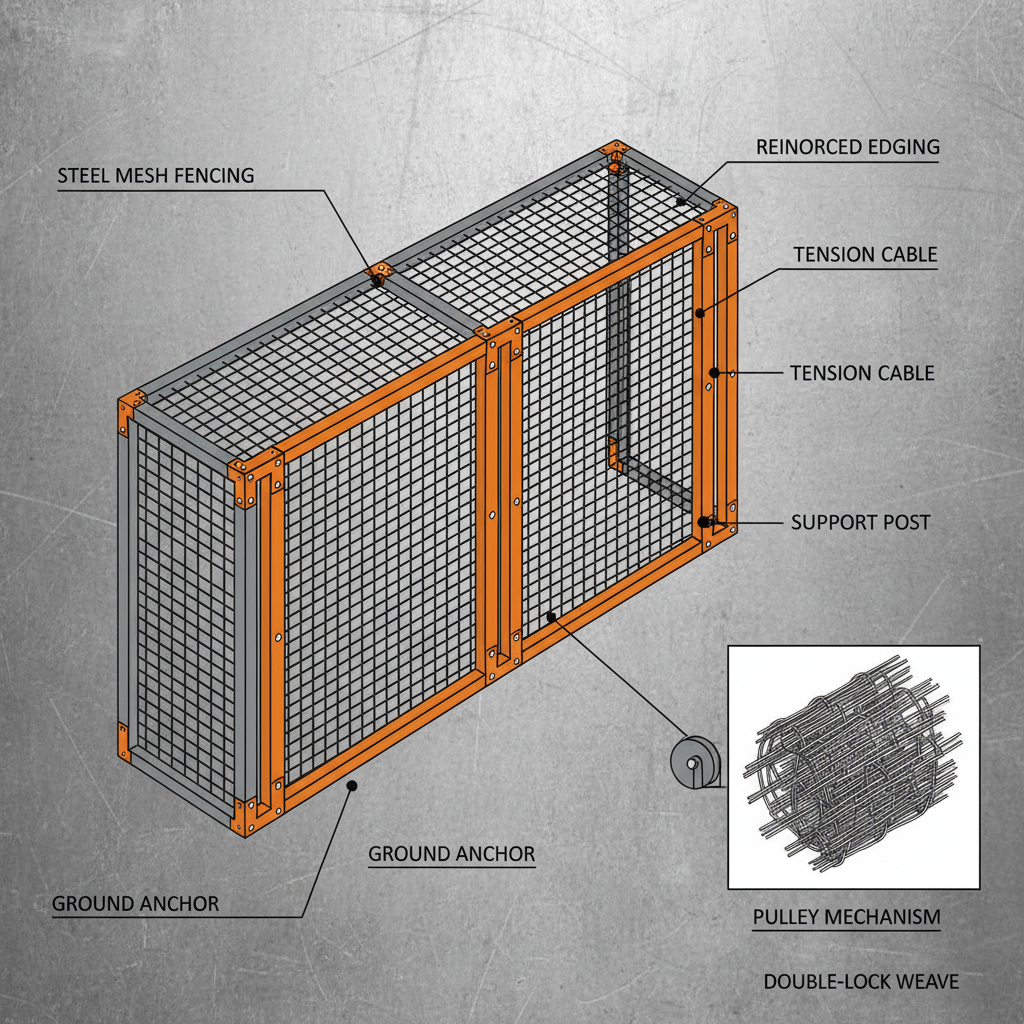
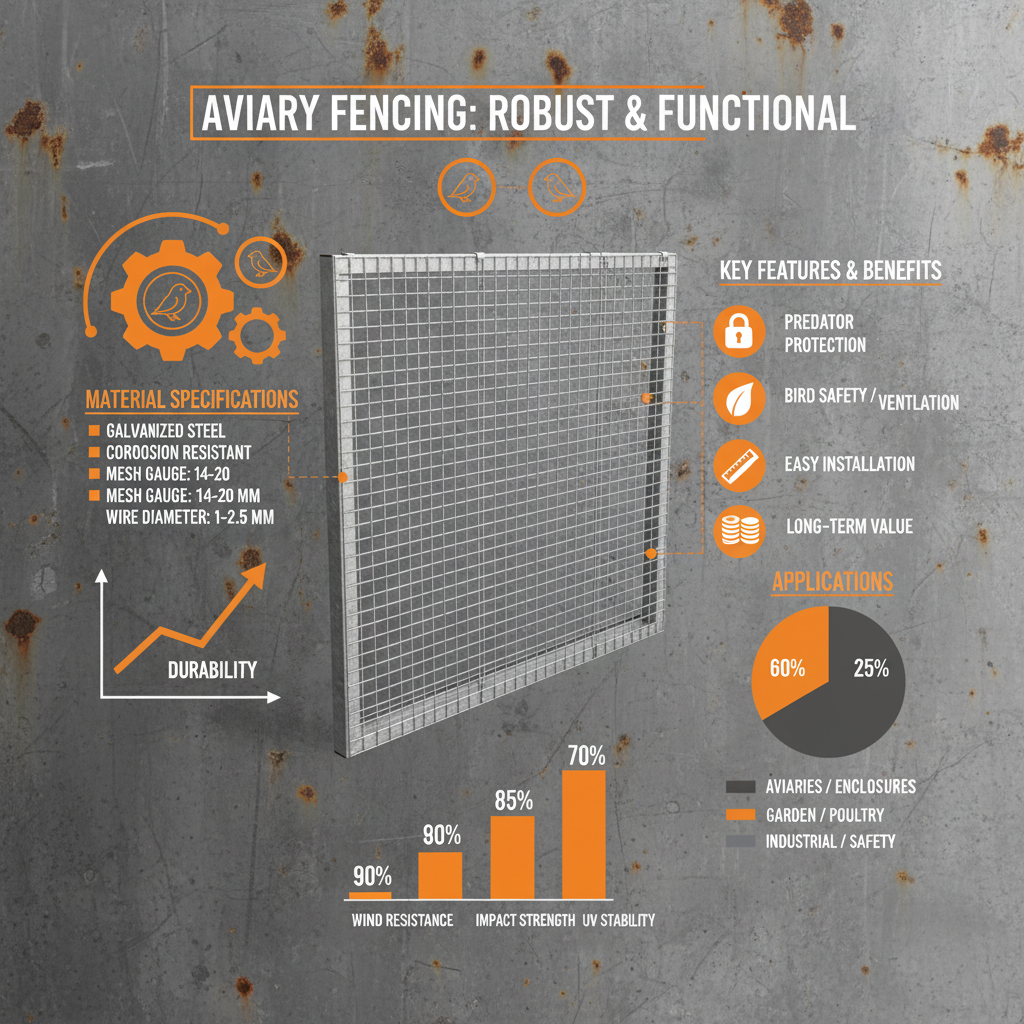
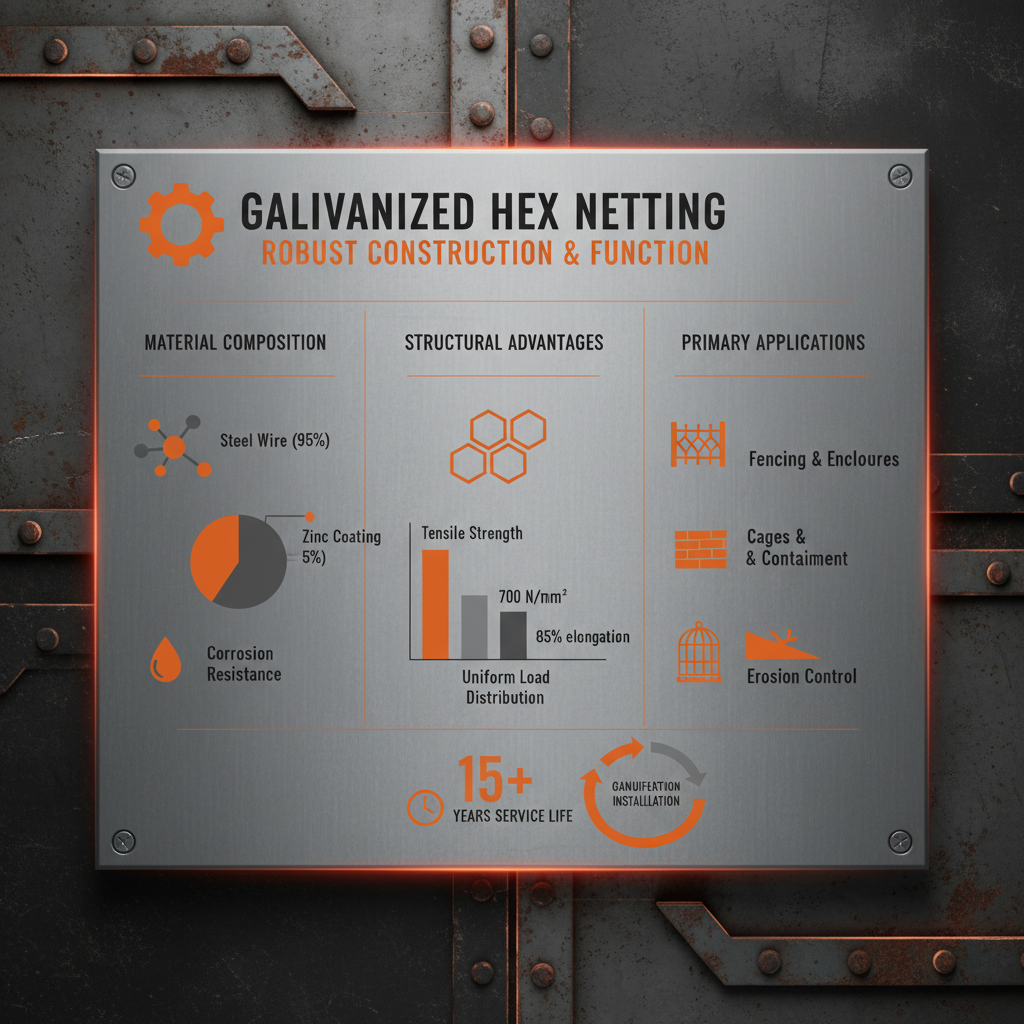
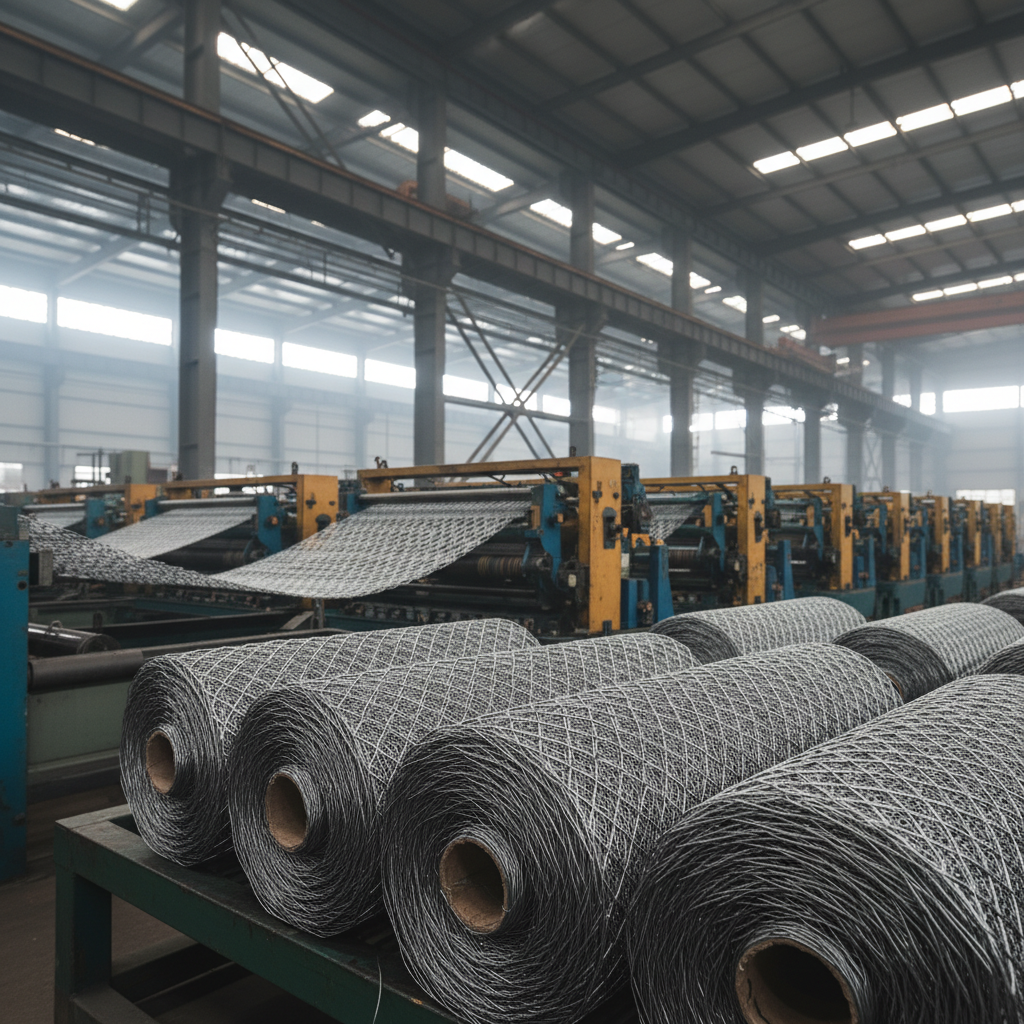
When I’m evaluating an aviary fencing system, there are several key factors I look at. First, durability. The materials need to withstand weather, wear and tear, and, let’s be honest, the birds themselves. Galvanized steel, stainless steel, and even certain types of durable plastic are common choices, but the gauge and coating are crucial. Second, mesh size. This needs to be appropriate for the species you're housing. Too large, and they can escape; too small, and it can restrict airflow or create a hazard.
Security is another huge one. The fencing needs to be robust enough to prevent escapes and protect the birds from predators. This means strong posts, secure connections, and, in some cases, even double-layered fencing. Then there's scalability. Can the system be easily expanded or modified as your needs change? A rigid, inflexible system can become a nightmare down the line.
Finally, cost-effectiveness is always a consideration. You need to balance quality with affordability. But remember, going cheap upfront can often lead to higher costs in the long run due to repairs, replacements, and potential losses. I always advise clients to invest in quality materials and professional installation – it pays off in the end.
Practical Applications Across the Globe
I’ve seen aviary fencing used in a huge range of settings. In the UK, I worked on a project for a raptor rehabilitation center – incredibly robust fencing was required to contain these powerful birds. In Southeast Asia, I consulted on a breeding program for endangered parrots, where the fencing needed to be designed to withstand high humidity and heavy rainfall.
In the United States, you’ll find extensive use in zoos and wildlife sanctuaries. But it’s not just large-scale operations. Backyard aviculturists are increasingly investing in high-quality fencing to provide their birds with safe and secure enclosures. Even research institutions, like the Smithsonian Conservation Biology Institute, rely on specialized aviary fencing for their breeding and research programs.
Aviary Fencing Material Performance
Advantages and Long-Term Value
The benefits of investing in quality aviary fencing extend far beyond just keeping birds safe. It translates to reduced maintenance costs over the long term. Stronger materials and secure construction mean fewer repairs and replacements. It also increases the value of your property, especially if you’re running a breeding program or sanctuary.
There's a significant sustainability aspect, too. Durable fencing reduces waste and the need for frequent replacements. And, most importantly, it contributes to animal welfare. A secure and stimulating environment is crucial for the physical and mental health of birds. Knowing you've provided a safe and enriching space gives peace of mind, and that’s invaluable.
Future Trends and Innovations in Aviary Fencing
I’m seeing a growing interest in incorporating more sustainable materials into aviary fencing. Recycled plastics and bamboo are gaining traction as viable alternatives to traditional steel. There's also a move towards smart fencing systems – incorporating sensors to monitor temperature, humidity, and even bird activity. This data can be used to optimize the environment and improve bird welfare.
Another trend is the use of specialized coatings that deter birds from attempting to escape or damage the fencing. These coatings are non-toxic and harmless to the birds but create an unpleasant texture or sensation that discourages unwanted behavior. I think we’ll see even more innovation in this area as technology advances.
Ultimately, the goal is to create aviary fencing systems that are not only safe and secure but also environmentally responsible and technologically advanced. It’s an exciting time to be involved in this field.
Challenges and Solutions in Aviary Fencing Installation
One of the biggest challenges I consistently encounter is improper installation. Even the best materials can fail if the fencing isn’t erected correctly. This often comes down to a lack of experience or attention to detail. I always recommend hiring a qualified professional with specific experience in aviary fencing.
Another common issue is dealing with existing site conditions. Uneven ground, rocky soil, or the presence of trees can all complicate the installation process. Proper site preparation is crucial – leveling the ground, removing obstacles, and ensuring adequate drainage.
Finally, there’s the challenge of predator proofing. Depending on your location, you may need to take extra precautions to protect your birds from animals like foxes, raccoons, or even snakes. This could involve adding additional layers of fencing, burying the fencing underground, or installing overhead netting. It requires a thorough assessment of the risks and a proactive approach to mitigation.
Common Aviary Fencing Issues and Solutions
| Issue |
Cause |
Severity (1-10) |
Solution |
| Corrosion |
Exposure to moisture and harsh weather. |
7 |
Use galvanized or stainless steel, apply protective coatings. |
| Bird Escapes |
Inadequate mesh size or weak connections. |
9 |
Install appropriate mesh size, reinforce connections. |
| Predator Damage |
Insufficient security measures. |
8 |
Add additional layers of fencing, bury fencing, install netting. |
| Structural Weakness |
Poor post installation or inadequate bracing. |
6 |
Ensure proper post depth and bracing, use strong materials. |
| Material Degradation |
UV exposure or low-quality materials. |
5 |
Use UV-resistant materials, regular inspection and maintenance. |
| Installation Errors |
Lack of experience or attention to detail. |
7 |
Hire a qualified professional with aviary fencing experience. |
FAQS
For finches, you want a relatively small mesh size – around 1/4 inch or smaller – to prevent escapes. They can squeeze through surprisingly small openings! But it also needs to be durable enough to withstand their constant activity. Welded wire mesh is a good option, and make sure it’s galvanized to prevent corrosion. I’ve seen folks try to use chicken wire, but it's just not strong enough for a secure aviary.
Coastal environments are tough on fencing due to the salt air and increased humidity. Galvanized steel will corrode much faster. You really need to invest in stainless steel fencing. It's more expensive upfront, but it will last significantly longer – easily 15-20 years with proper maintenance. Regular washing to remove salt buildup is also crucial.
Generally, yes, but the quality of the galvanization matters. Look for fencing with a zinc coating that meets ASTM standards. Cheap galvanization can flake off over time, and birds could ingest the zinc, which is toxic. Proper coating prevents that. It's worth the extra cost for peace of mind and the birds' health.
Predator-proofing is crucial. The best approach is to bury the fencing at least 12-18 inches deep, with an outward-facing "apron" of mesh. This prevents digging. You can also add a concrete footing along the base of the fence. And keep the vegetation around the aviary trimmed – don't give predators a hiding place.
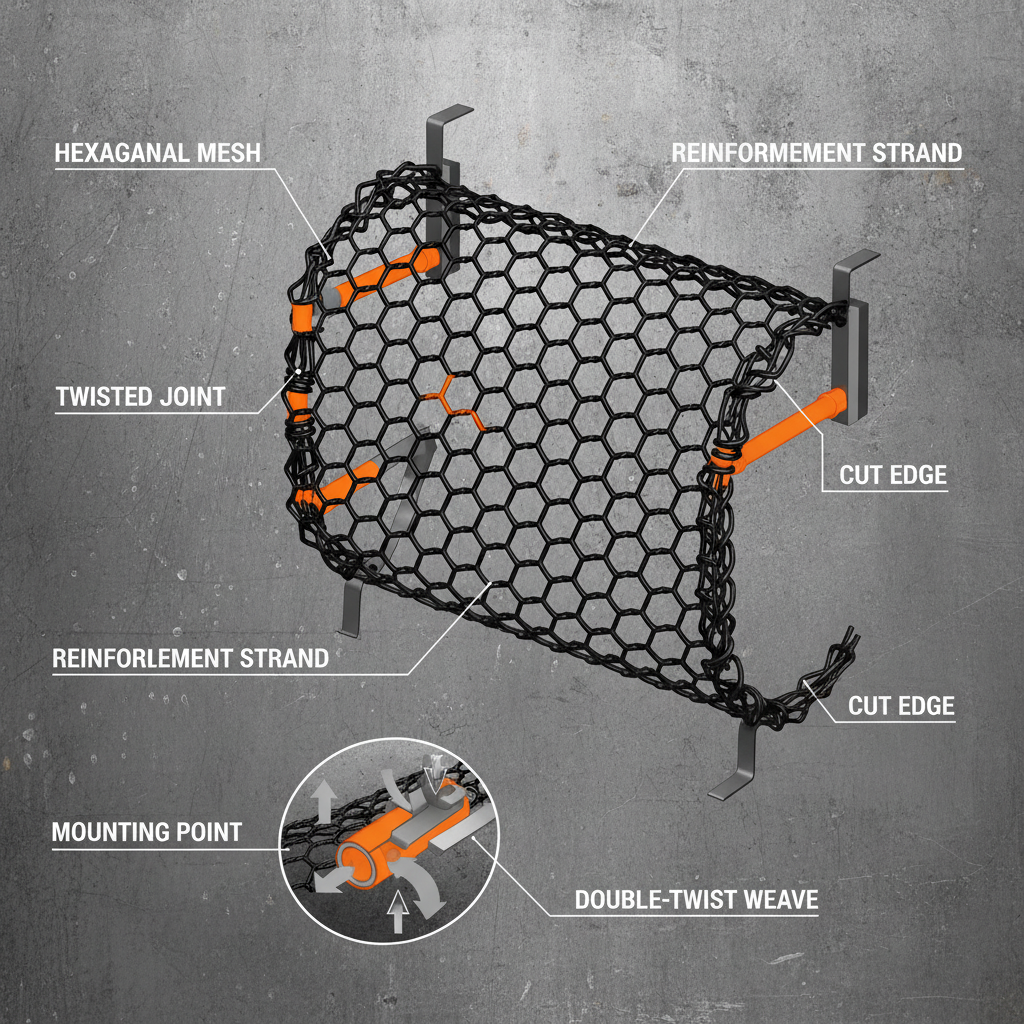
Strong connections are key. Avoid simple zip ties or flimsy clips. I recommend using heavy-duty hog rings or stainless steel clips designed specifically for aviary fencing. You want a connection that won't come loose under stress or with bird activity. Properly tensioned wire also helps to secure the panels together.
You can build directly on the ground, but a concrete base provides added security and prevents digging. It also makes cleaning easier. If you're building on the ground, make sure to level the area thoroughly and use a weed barrier to prevent vegetation from growing up around the fencing. The concrete base is a bit more work, but it’s a worthwhile investment in the long run, particularly in areas with high predator pressure.
Conclusion
Aviary fencing is much more than just a physical barrier. It’s a critical component of responsible bird keeping, conservation efforts, and animal welfare. Choosing the right materials, ensuring proper installation, and understanding the specific needs of the birds you’re housing are all essential. It’s an investment that pays off in the long run, providing a safe, secure, and enriching environment for these incredible creatures.
Don’t cut corners. Invest in quality materials, hire a qualified installer, and prioritize the well-being of the birds. And remember, ongoing maintenance is crucial. Regularly inspect the fencing for damage, corrosion, or weak points. A little preventative care can save you a lot of trouble down the road. For expert advice and high-quality aviary fencing solutions, visit our website: www.yszwiremesh.com