Look, I’ve spent the last fifteen years getting dust in my boots, watching structures go up, and frankly, dealing with a lot of headaches. One thing I’ve learned is that the foundation of any good project – literally and figuratively – is choosing the right materials. And lately, that’s been pointing me, and a lot of other folks I talk to, straight to aviary mesh panels. They're not a flashy new invention, but they're a quiet revolution in how we build, especially when you're dealing with enclosures needing security and bird protection. It's about getting the job done right, efficiently, and without constant patching.
We’re seeing a huge push for sustainable building practices, and that's forcing us to re-evaluate everything. It’s no longer enough to just throw something up – it needs to last, require minimal maintenance, and ideally, not cost a fortune. Aviary mesh panels fit that bill in a lot of applications. I've been on projects where we were debating between traditional methods and these panels, and the long-term cost savings are undeniable, even considering the initial investment. It’s about thinking beyond the immediate bottom line.
Honestly, I’ve seen too many projects delayed or over budget because of material issues. Whether it's corrosion, damage, or just plain needing to be replaced sooner than expected, those costs add up fast. Aviary mesh panels, when properly specified and installed, offer a level of reliability that takes a huge weight off your shoulders during construction and down the line. It’s a game changer, frankly, when you’re accountable for the whole lifespan of a structure.
The Foundation of Reliable Structures: aviary mesh panels
I’ve been involved in projects across the globe, and one constant remains: the need for robust, dependable enclosures. From large-scale zoo exhibits to industrial settings requiring secure perimeters, the demand for high-quality aviary mesh panels is steadily increasing. It’s driven by a combination of factors: stricter safety regulations, a growing awareness of animal welfare, and simply the need to minimize ongoing maintenance costs. The UN Environment Programme data consistently highlights the importance of sustainable material choices in construction, and these panels offer a solid step in that direction.
The cost of not choosing the right material is often far greater than the initial investment. I've seen projects stalled for weeks while waiting on replacement fencing due to corrosion or failure. Those delays translate directly into lost revenue and damaged reputations. aviary mesh panels mitigate that risk, offering a durable and long-lasting solution. It's not about being cheap; it's about being smart.
Global Demand and the Rise of Specialized Mesh Solutions
The demand for specialized mesh solutions, like aviary mesh panels, isn’t just a regional trend; it’s global. We’re seeing increased adoption in Asia-Pacific, driven by rapid urbanization and infrastructure development, as well as in Europe and North America, where environmental regulations are becoming increasingly stringent. The World Bank estimates that global construction spending will reach over $18 trillion by 2030, and a significant portion of that will be allocated to projects requiring secure and durable enclosure systems.
This growth is fueled by the need for solutions that can withstand harsh environmental conditions, provide long-term security, and minimize maintenance requirements. Traditional fencing materials often fall short in these areas, leading to costly repairs and replacements. Aviary mesh panels offer a superior alternative, particularly in demanding applications.
We're also seeing a shift towards more specialized applications, such as wildlife conservation and large-scale aviary construction. These projects require materials that are specifically designed to meet the unique needs of the animals and the environment, and aviary mesh panels excel in these areas.
Defining aviary mesh panels: Beyond Basic Wire Mesh
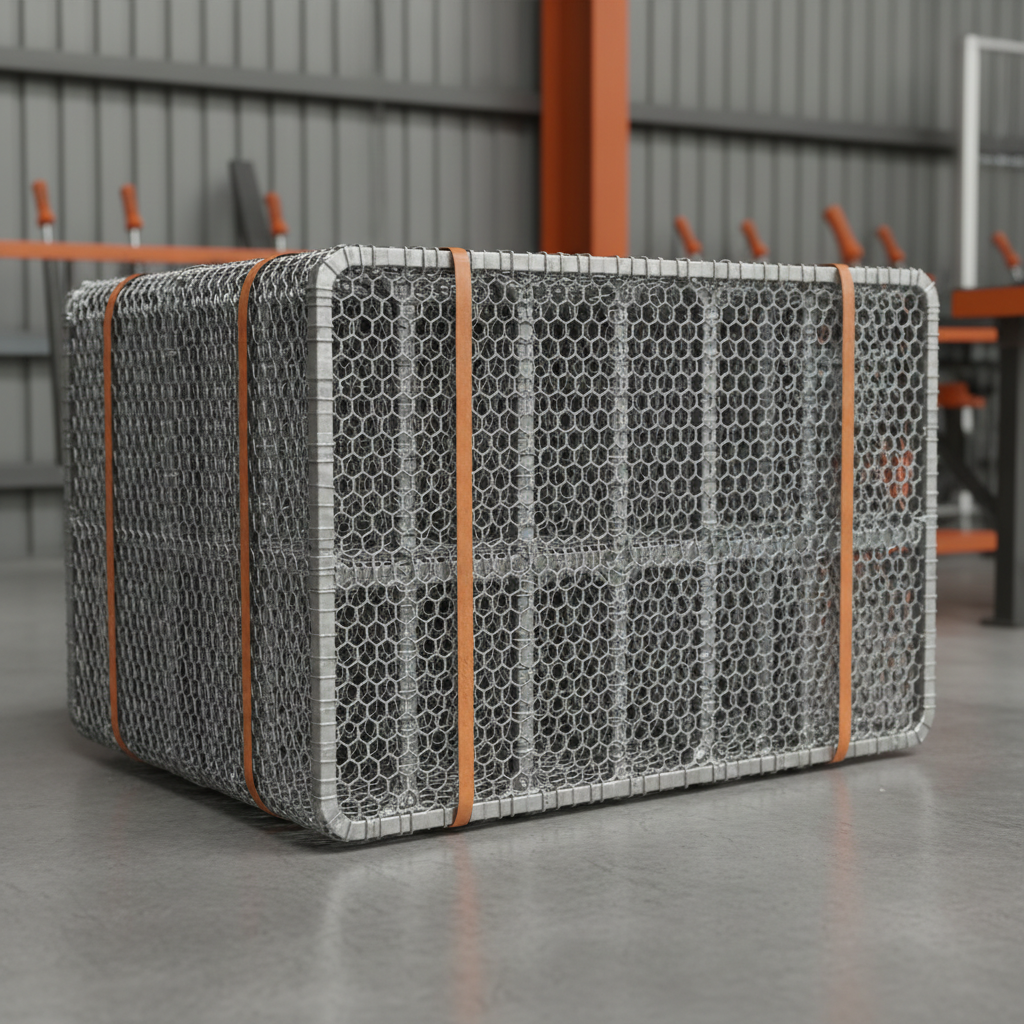
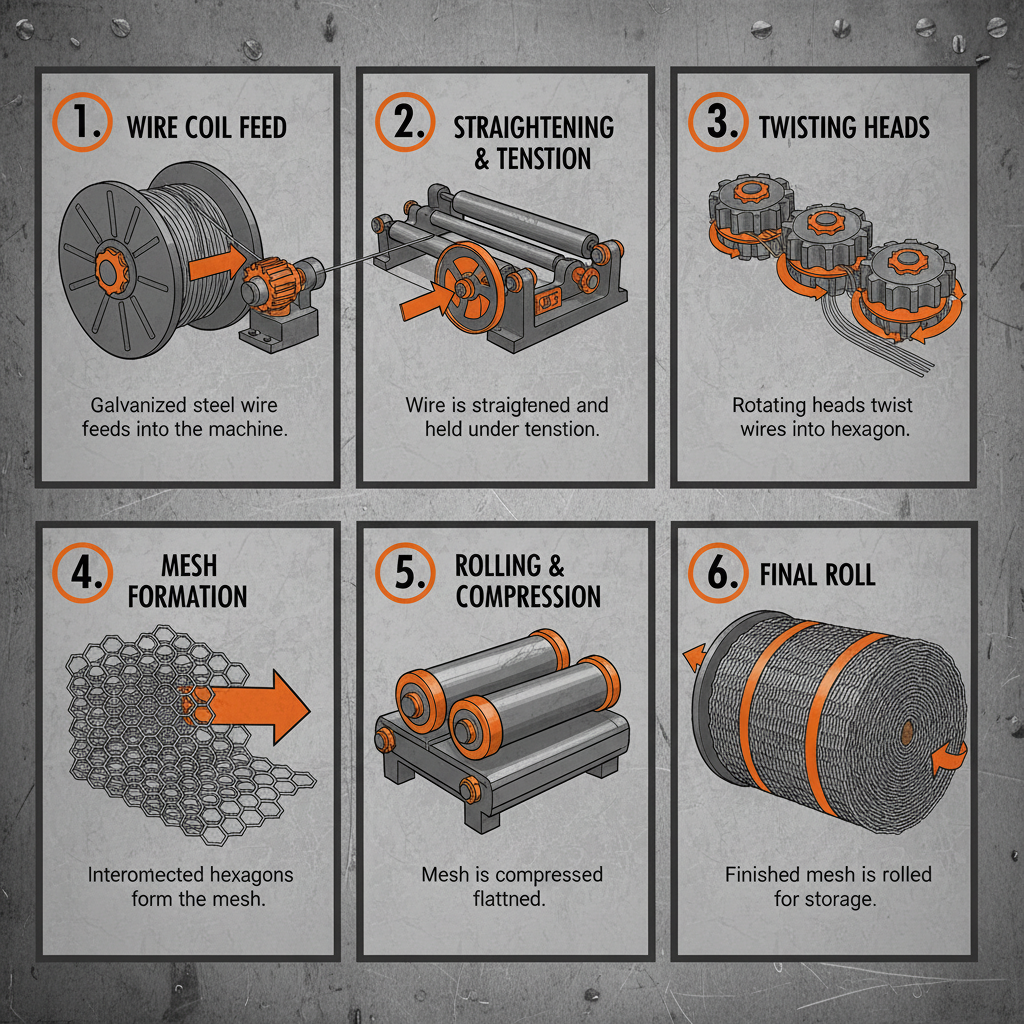
Let’s be clear: these aren't your grandpa's chicken wire. Aviary mesh panels are typically constructed from high-tensile stainless steel wire, woven or welded into a robust and durable mesh. The key difference lies in the construction and materials, offering significantly greater strength, corrosion resistance, and longevity compared to traditional galvanized or plastic-coated wire mesh. This means less downtime for repairs, and a much longer lifespan for the enclosure.
They are generally supplied in prefabricated panels, making installation faster and easier, reducing labor costs. The panel size and mesh aperture (the size of the openings in the mesh) can be customized to suit specific application requirements. This flexibility is crucial; you don’t want to be trying to make a one-size-fits-all solution work for a unique project. It’s about tailored solutions, not compromises.
Their connection to modern industry stems from the growing demand for secure, humane, and sustainable enclosure solutions. Whether it’s protecting endangered species in a zoological setting or securing sensitive industrial infrastructure, aviary mesh panels provide a reliable and versatile solution. They’re an essential component of modern infrastructure.
Core Strengths of aviary mesh panels in Construction
I break down the advantages of using aviary mesh panels into a few key areas. First, Durability is paramount. The stainless steel construction resists corrosion, even in harsh marine or industrial environments. Second, Security – it’s tough to breach. The tightly woven mesh and robust framing provide a formidable barrier against unauthorized access.
Third, Flexibility in design. These panels can be bent and formed to create complex shapes and enclosures. Fourth, Ease of Installation – prefabricated panels mean quicker turnaround times on site. Finally, Long-Term Cost Efficiency – less maintenance, fewer repairs, and a longer lifespan translate to significant savings over the life of the project. It’s not always the cheapest upfront, but it is the smartest investment.
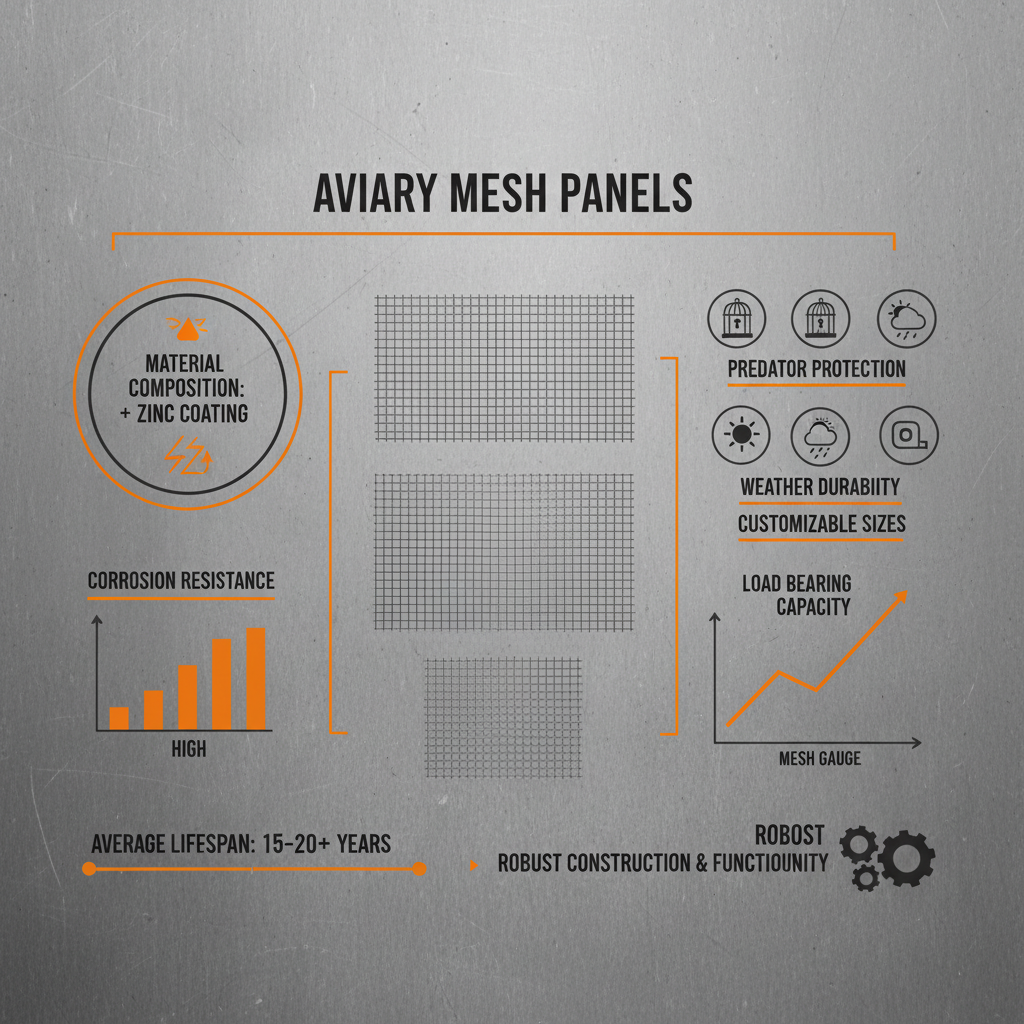
aviary mesh panels Performance Ratings
Real-World Applications: From Zoos to Industrial Sites
I’ve seen aviary mesh panels used in a remarkable range of projects. Large-scale zoo enclosures for birds and primates are a common application. They provide a safe and visually appealing environment for the animals while ensuring public safety. But it's not just zoos.
We're seeing more and more industrial facilities using these panels for perimeter security and fall protection. In post-disaster relief operations, they can be quickly deployed to create temporary shelters and secure perimeters. And in remote industrial zones, where corrosion is a major concern, they offer a durable and reliable solution for protecting equipment and personnel.
The Long-Term Value Proposition of aviary mesh panels
The benefits of aviary mesh panels extend far beyond the initial cost. The reduced maintenance requirements, combined with the extended lifespan, deliver significant long-term savings. There's also the intangible benefit of enhanced safety and security – knowing that your enclosure is robust and reliable provides peace of mind.
From a sustainability standpoint, the durability of these panels reduces the need for frequent replacements, minimizing waste and environmental impact. The stainless steel construction is also recyclable, further enhancing its eco-friendliness. It’s a responsible choice for organizations committed to sustainable building practices.
Ultimately, aviary mesh panels are an investment in quality, reliability, and long-term value. It's about building structures that will stand the test of time and provide a safe and secure environment for years to come.
Future Trends and Innovations in aviary mesh panels Technology
We’re already seeing advancements in coating technologies that further enhance the corrosion resistance of aviary mesh panels, even in the most challenging environments. There's also research underway to develop even lighter and stronger mesh materials, potentially using alloys or composite materials.
Digital integration is another emerging trend. Smart mesh systems, incorporating sensors and monitoring capabilities, could provide real-time data on enclosure integrity and security. Imagine being able to remotely monitor for breaches or structural weaknesses. It’s not science fiction; it’s the direction things are heading.
The push for sustainability will continue to drive innovation in this area. We'll likely see increased use of recycled materials and more environmentally friendly manufacturing processes. The goal is to create a truly circular economy where materials are reused and repurposed, minimizing waste and maximizing resource efficiency.
Analysis of Challenges and Solutions in aviary mesh panels Application
| Challenge |
Impact on Project |
Proposed Solution |
Implementation Cost (1-10) |
| High Initial Material Cost |
Budget overruns, potential for choosing cheaper, less durable alternatives. |
Conduct a thorough life-cycle cost analysis demonstrating long-term savings. |
4 |
| Complex Installation for Custom Shapes |
Increased labor costs, potential for errors during installation. |
Utilize experienced installers, provide detailed fabrication drawings, and pre-assemble sections where possible. |
6 |
| Potential for Corrosion in Extreme Environments |
Reduced lifespan of the enclosure, increased maintenance costs. |
Specify higher grades of stainless steel or utilize protective coatings. |
5 |
| Supply Chain Disruptions |
Project delays, increased material costs. |
Diversify suppliers and maintain a buffer stock of critical materials. |
3 |
| Lack of Skilled Labor |
Poor installation quality, potential safety hazards. |
Invest in training programs for installers and require certification. |
7 |
| Difficulty in Repairing Damaged Panels |
Extended downtime for repairs, potential security breaches. |
Keep spare panels on hand for quick replacements and develop a rapid repair protocol. |
5 |
FAQS
Beyond zoos and aviaries, aviary mesh panels find use in industrial fall protection, security fencing around sensitive facilities, agricultural netting to protect crops from birds, and even in architectural applications for façade cladding. Their versatility, coupled with their strength and durability, makes them a valuable asset in a surprisingly broad range of industries. We've even seen them used in temporary security solutions for large events, providing a visually unobtrusive yet highly effective barrier.
While the initial cost of aviary mesh panels can be higher than traditional fencing materials like chain-link or welded wire, the long-term cost-effectiveness is significantly better. Their superior corrosion resistance and durability mean fewer repairs and replacements, translating to substantial savings over the lifespan of the enclosure. Consider the cost of ongoing maintenance, labor, and material replacement – those costs add up quickly with traditional fencing.
Aviary mesh panels are available in a variety of mesh aperture sizes, ranging from small enough to contain even the smallest birds to larger sizes suitable for larger animals. The appropriate size depends on the species being enclosed and the level of security required. Smaller apertures provide greater containment but can also be more expensive. It’s best to consult with a specialist to determine the optimal aperture size for your specific application.
With proper installation and maintenance, aviary mesh panels can have a lifespan of 20 years or more, even in harsh environments. The stainless steel construction provides excellent corrosion resistance, and the robust weave ensures long-lasting durability. Regular inspections and cleaning can further extend their lifespan. In comparison to galvanized steel, which often needs replacing every 5-10 years, the longevity is significant.
While aviary mesh panels are incredibly durable, damage can occasionally occur. Repairing them can be challenging, and often the most practical solution is to replace the entire panel. That’s why it’s a good practice to keep spare panels on hand for quick replacements. Attempting to patch a damaged panel can compromise its structural integrity, so professional repair or replacement is recommended.
Yes, aviary mesh panels offer several environmental benefits. The long lifespan reduces the need for frequent replacements, minimizing waste. Stainless steel is also a recyclable material, and responsible manufacturers prioritize sustainable production processes. Compared to materials with shorter lifespans and limited recyclability, these panels represent a more eco-friendly choice.
Conclusion
Aviary mesh panels represent a significant advancement in enclosure technology, offering a compelling combination of durability, security, and cost-effectiveness. From protecting endangered species to securing industrial facilities, these panels provide a reliable and versatile solution for a wide range of applications. They're not just about building enclosures; they're about building for the long term, with sustainability and safety in mind.
Looking ahead, continued innovation in materials and manufacturing processes will further enhance the performance and environmental credentials of aviary mesh panels. As demand for sustainable and secure enclosure solutions continues to grow, these panels are poised to become an increasingly important component of modern construction and infrastructure. If you're looking for a reliable, long-lasting, and environmentally responsible enclosure solution, visit our website: www.yszwiremesh.com.