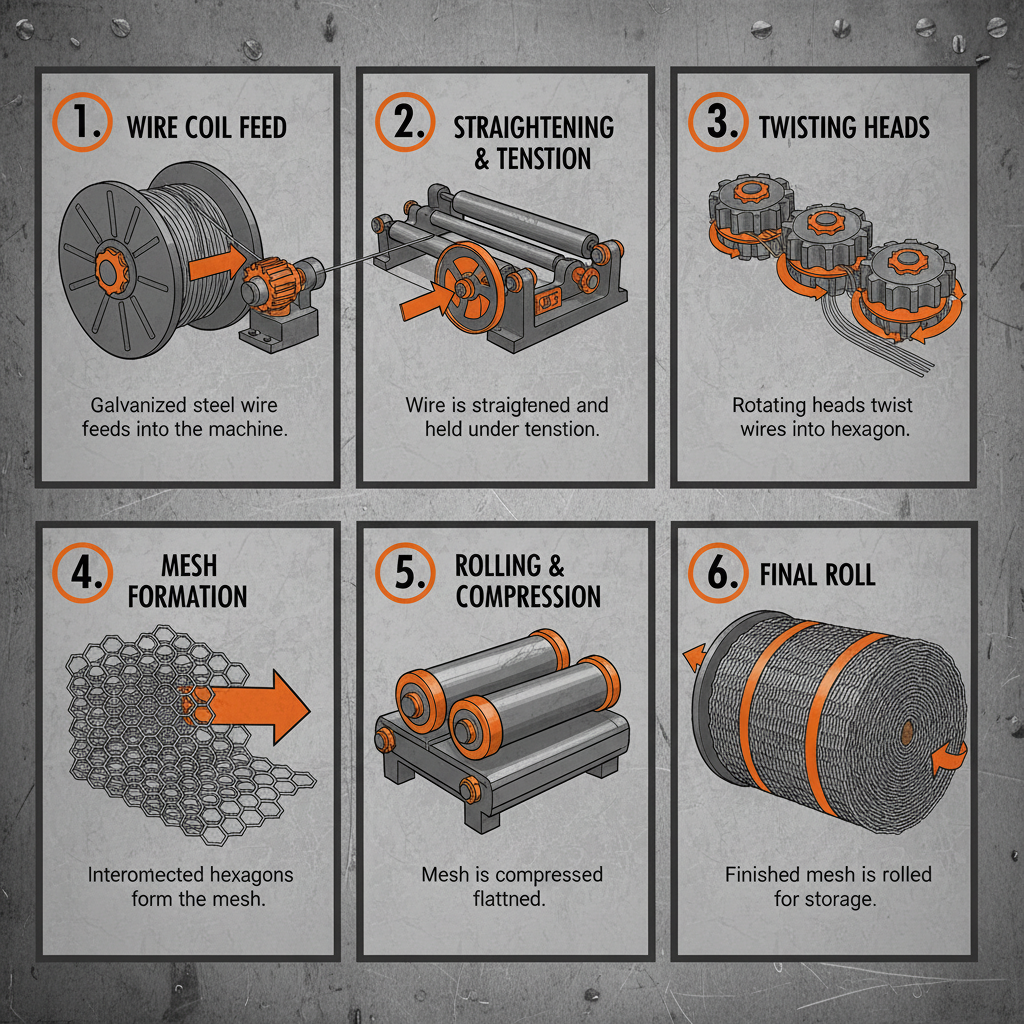
Look, I’ve spent the last fifteen years knee-deep in dust and concrete, watching materials get put to the test. And I’ll tell you, a reliable, cost-effective fencing solution is something every project needs. That's where white chicken wire comes in. It’s not glamorous, but it’s a workhorse. It's a staple for everything from temporary site security to animal enclosures, and even forms a base for plastering. Knowing the ins and outs of this stuff – its strengths, limitations, and proper application – can save you headaches, money, and a whole lot of time on the job.
I’ve seen too many projects stalled because of subpar materials or improper planning. Simple things like choosing the right gauge wire, the correct mesh size, or ensuring proper installation can make or break a schedule. white chicken wire isn't just about keeping things in or out; it’s about creating a safe, secure, and efficient workspace. And frankly, it's about making sure I don't have to constantly be fixing fences instead of managing the build.
The global demand for effective and affordable containment solutions is massive, especially in developing countries and disaster relief zones. We’re talking about everything from securing construction sites and farms, to providing temporary shelter in emergencies. It’s a surprisingly large industry, driven by the need for simple, robust, and readily available materials. And that’s what makes understanding white chicken wire so important – it's a foundational element in a lot of essential applications.
The Core Characteristics of white chicken wire
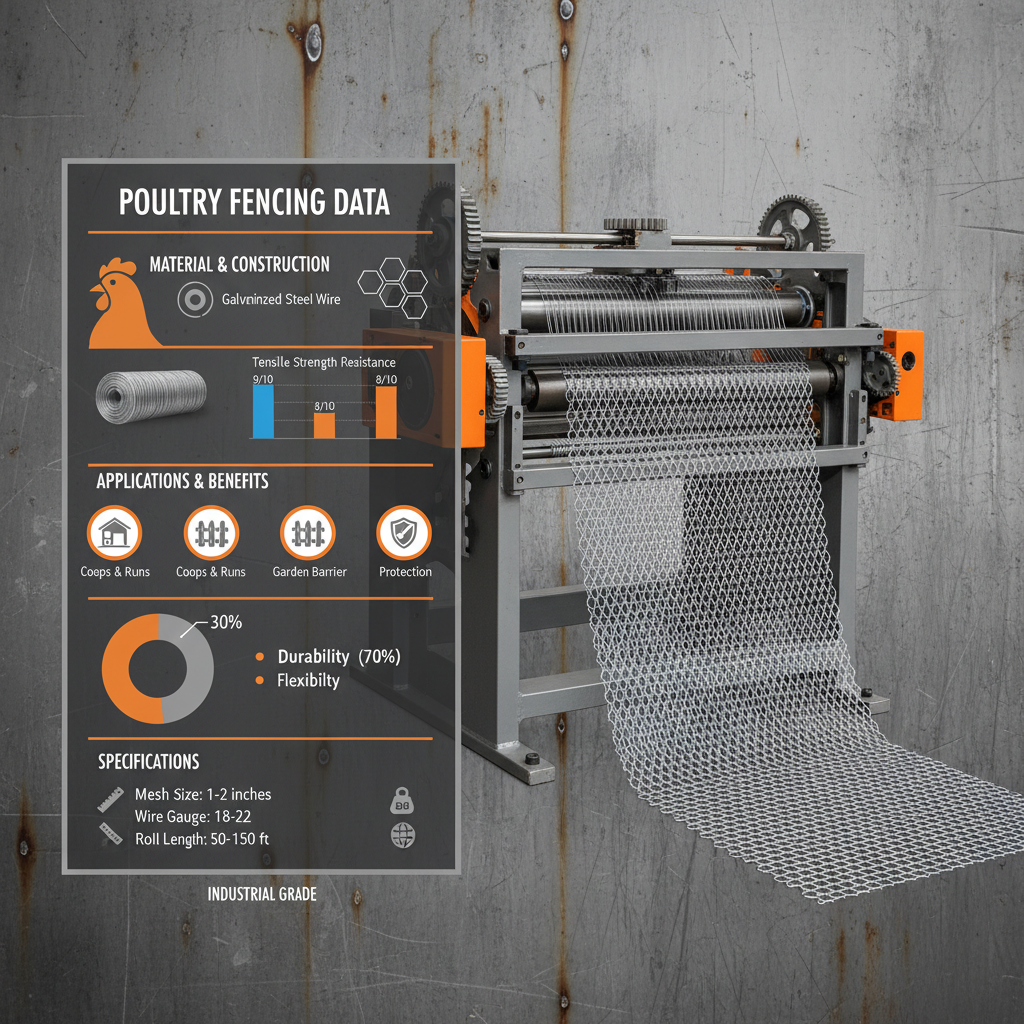
When I’m looking at white chicken wire, I'm thinking about a few key things: the wire gauge, the mesh opening size, and the galvanization. The gauge determines the strength – heavier gauge means more robust, but also more expensive. Mesh size dictates what can pass through, crucial for security or animal containment. And the galvanization? That’s your rust protection, and it's massively important for longevity, especially in harsh weather conditions.
You also have to consider the twist – how the wires are connected. A tight, consistent twist makes for a stronger, more durable mesh. A loose twist? Well, that's just asking for trouble. It’s these seemingly small details that separate a good roll of wire from a waste of money. I've seen it all, and trust me, you want quality when it comes to something that's going to be holding things in… or keeping things out.
The Global Relevance of white chicken wire
This isn't just a local thing. white chicken wire is everywhere. In agriculture, it’s used for poultry pens, protecting crops, and creating temporary fencing. In construction, it’s a go-to for site security and debris control. And in disaster relief, it's often one of the first materials deployed for temporary shelters and containment. According to the UN, quick and affordable shelter solutions are consistently in demand following natural disasters, and simple fencing materials play a vital role.
The World Bank reports that agricultural productivity in developing nations is often hindered by inadequate fencing, leading to crop damage and livestock losses. A simple roll of white chicken wire can make a huge difference in protecting a farmer’s livelihood. It’s a small investment with a big impact. It’s one of those things that, on a global scale, adds up to a lot.
There's a consistent need for affordable, easily deployable fencing in various sectors. The ISO standards for temporary fencing often utilize materials like galvanized steel wire mesh, emphasizing the need for durability and safety. Addressing this need isn’t about fancy technology, it’s about providing a reliable, practical solution that people can readily access.
Defining white chicken wire: A Practical Perspective
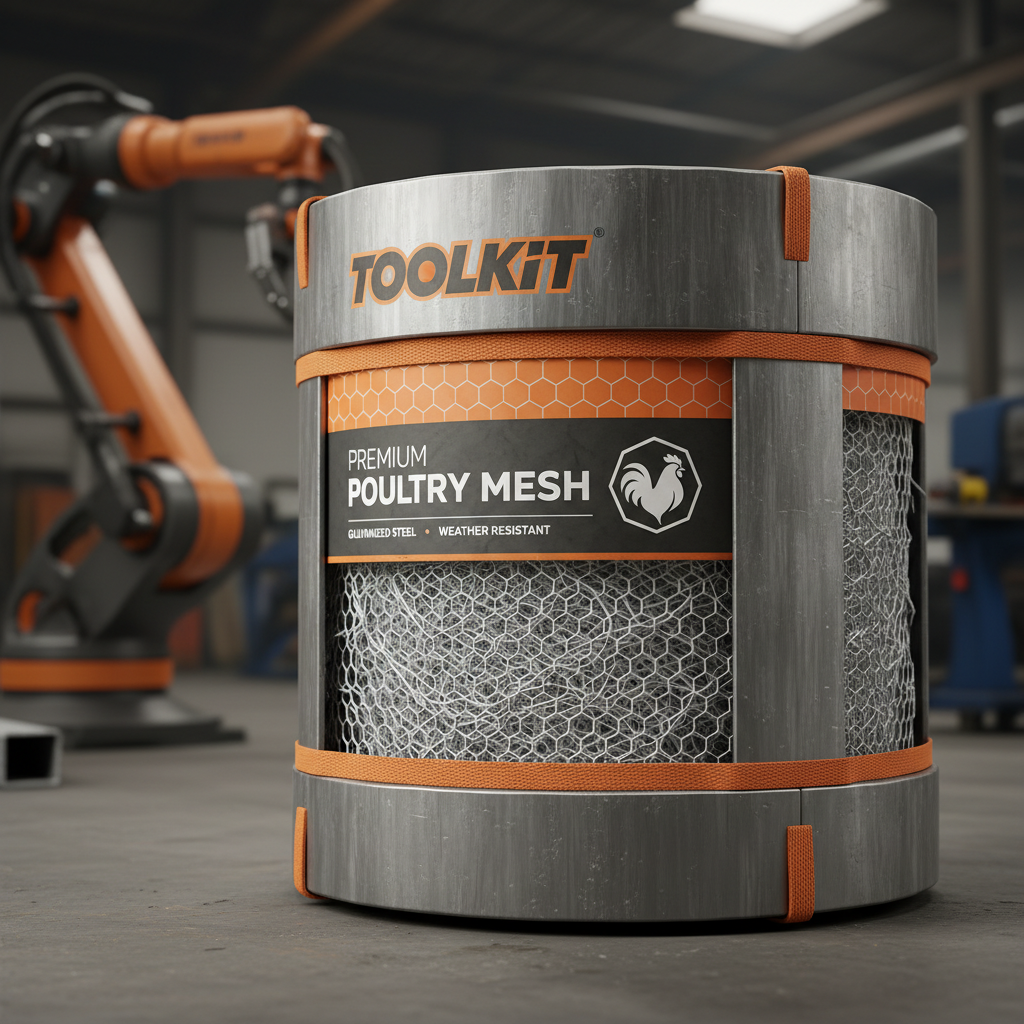
Forget the technical jargon. white chicken wire, at its core, is a mesh made from interwoven galvanized steel wires. It's called 'chicken wire' because it was originally used for poultry enclosures, but that’s just where it started. The ‘white’ refers to the galvanized coating, which gives it that characteristic silvery sheen and provides crucial rust protection.
It’s a surprisingly versatile material. It's lightweight, relatively easy to work with – you can cut it with wire cutters, and it’s flexible enough to conform to uneven surfaces. But don't let the lightweight nature fool you. When properly installed and secured, it provides a significant barrier.
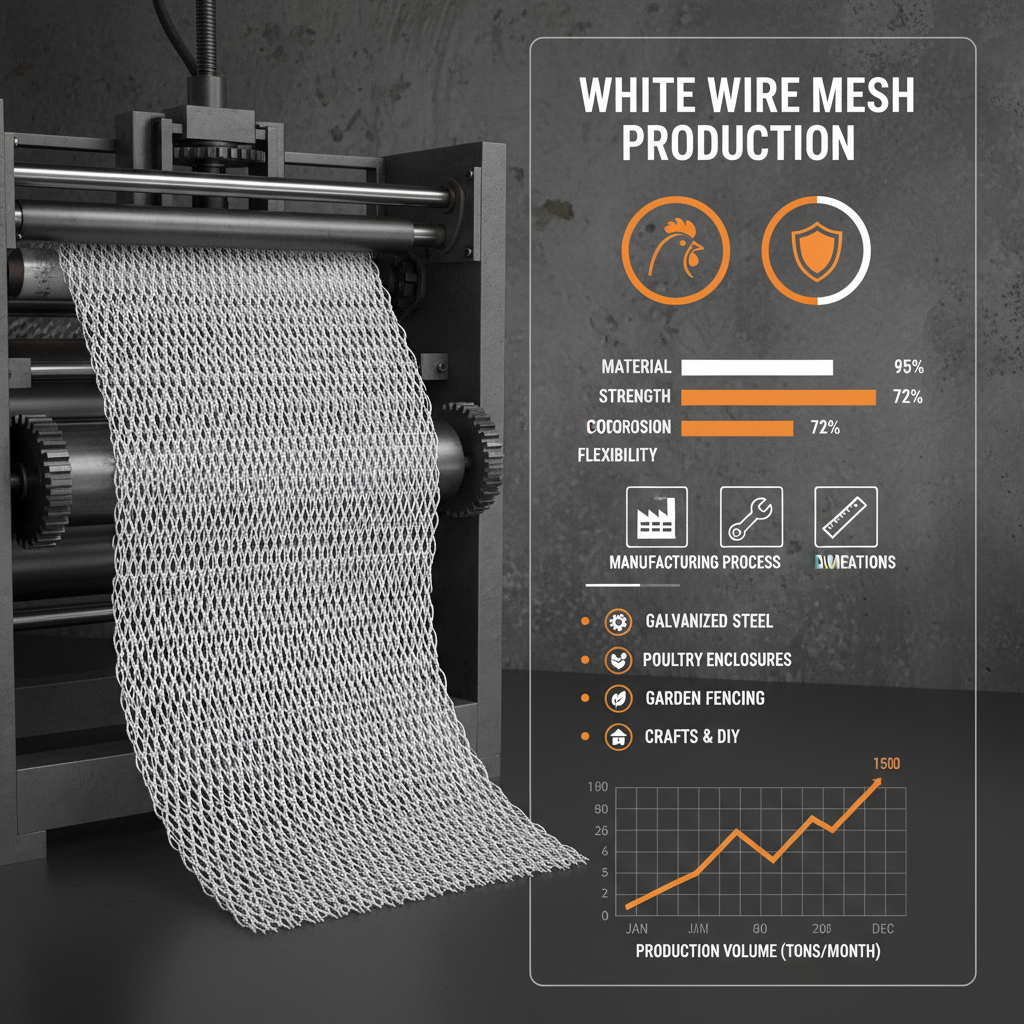
Today, its applications extend far beyond chicken coops. It's used in everything from garden fencing and craft projects to industrial safety screens and security barriers. It’s a basic building block, and it’s still incredibly relevant in modern industry and humanitarian efforts. It's a solution when you need something quick, effective, and affordable.
Key Factors Influencing white chicken wire Performance
Let’s talk about what makes this stuff actually work. First, there’s the wire gauge. Thicker wire equals more strength, but also more cost. You have to balance that. Next, mesh size – bigger openings are cheaper but less secure. For keeping out small animals, you need a finer mesh. Then there's galvanization quality. Cheap galvanization won’t last, especially in coastal areas or with constant exposure to moisture.
Finally, twist type and weave pattern matter. A solid, consistent twist is crucial for preventing the wire from unraveling. And the weave – whether it’s a regular hexagonal weave or a more complex pattern – affects the overall strength and flexibility of the mesh. These are the things I'm looking at every time I spec out a job.
Performance Factors Affecting white chicken wire Durability
Diverse Applications of white chicken wire Worldwide
I've seen this stuff used in some pretty creative ways. In South America, it’s commonly used to create temporary enclosures for livestock during seasonal migrations. In Africa, it’s a vital component of protecting small-scale farms from predators. And closer to home, it’s the backbone of many construction site security systems.
Even in urban areas, white chicken wire is used for things like garden trellises, craft projects, and even as a base for plastering walls. In post-disaster relief operations, it's often used to create temporary shelters and security perimeters. It’s a testament to its versatility that it finds applications in so many different contexts.
The Long-Term Value and Benefits of white chicken wire
Look, it’s not the fanciest material, but white chicken wire offers incredible value for the price. It’s a cost-effective solution for a wide range of applications, and its durability – especially with proper galvanization – ensures a long service life. That means less replacement, less downtime, and less money spent overall.
Beyond the cost savings, it offers a sense of security and peace of mind. Knowing that your property is protected, your livestock is safe, or your construction site is secure is invaluable. It's a simple solution, but it delivers real results.
And from a sustainability standpoint, galvanized steel is recyclable, making it a relatively environmentally friendly option compared to some other fencing materials. It’s a practical, reliable, and responsible choice.
Future Trends and Innovations in white chicken wire Technology
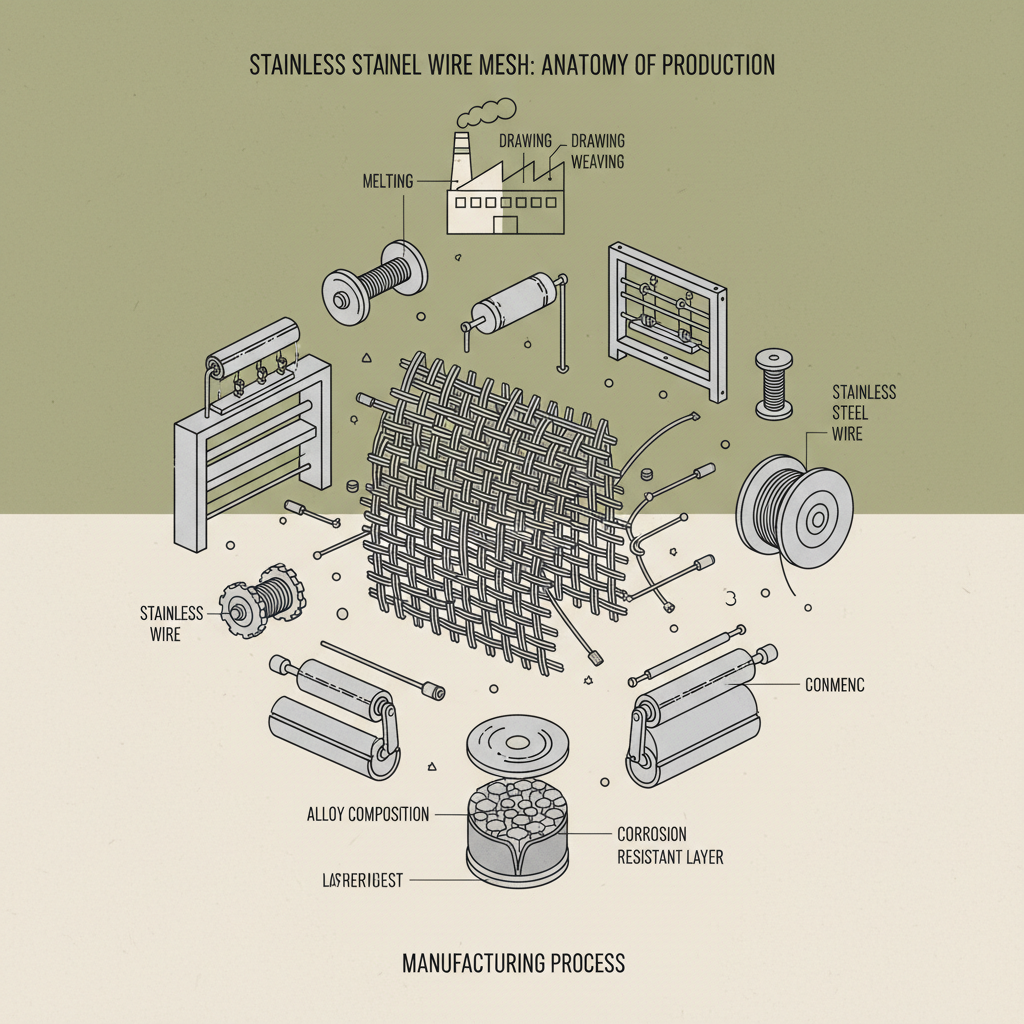
While it’s a mature product, there’s still room for innovation. We’re seeing developments in coating technologies that offer even greater corrosion resistance. There’s also research into using alternative materials, like recycled plastics, to create more sustainable mesh options. I’m keeping an eye on those developments.
I also think we'll see more automation in the manufacturing process, leading to greater consistency and lower costs. And with the rise of smart construction sites, integrating white chicken wire-based fencing with sensors and security systems is a possibility.
The focus will be on enhancing durability, sustainability, and integration with modern technologies. It's not about reinventing the wheel, but about making a good product even better.
Analyzing Challenges and Solutions in white chicken wire Application
| Challenge Category |
Specific Challenge |
Potential Solution |
Implementation Cost (1-10) |
| Corrosion Resistance |
Rapid rust formation in coastal environments |
Utilize enhanced galvanization coatings or PVC coating |
6 |
| Installation Efficiency |
Time-consuming manual installation process |
Develop pre-fabricated fencing panels with integrated supports |
7 |
| Security Vulnerabilities |
Easy to cut with basic tools |
Combine with barbed wire or security lighting |
4 |
| Material Cost |
Fluctuating steel prices |
Explore alternative materials like recycled plastics |
5 |
| Environmental Impact |
Galvanization process produces hazardous waste |
Invest in eco-friendly galvanization technologies |
8 |
| Structural Integrity |
Mesh sagging over long spans |
Install intermediate support posts for increased stability |
3 |
FAQS
The lifespan really depends on the galvanization quality and the environment. A good quality galvanized mesh in a moderate climate can easily last 10-15 years, sometimes longer. Coastal areas with salt spray will significantly reduce that lifespan. Regularly inspecting for rust and applying protective coatings can extend its usability. We generally recommend at least annual inspections, especially in harsh conditions.
Forget staples – they pull out easily. Use fencing staples designed for wire mesh, and space them closely, especially on curves. Alternatively, use hog rings or tie wire, running it through the mesh and around the posts. For heavier security, consider running wire through the mesh and tensioning it with a come-along or similar device. Make sure the wire is tight and secure to prevent sagging and breaches.
Absolutely, but you need to choose the right mesh size. A finer mesh is essential to keep out smaller pests like rabbits and rodents. Burying the bottom of the fence a few inches underground will prevent digging underneath. Regularly inspect for holes or tears and repair them promptly. It's a cost-effective solution for protecting your garden from unwanted visitors.
Gauge refers to the thickness of the wire. Lower gauge numbers mean thicker wire, and therefore greater strength. For basic fencing, a 20-gauge wire is often sufficient, but for more demanding applications – like containing larger animals – you’ll want to go with a heavier gauge, like 16 or 14. Thicker wire costs more, but it provides significantly more durability and resistance to damage.
Store it in a dry, covered location, ideally indoors. If outdoor storage is unavoidable, elevate the roll off the ground on pallets to prevent contact with moisture. Cover the roll with a waterproof tarp to protect it from rain and snow. Regularly inspect for any signs of rust and treat affected areas with a rust inhibitor.
It’s a popular choice for temporary fencing, primarily due to its affordability and ease of installation. However, it's not the most secure option. Supplementing it with warning signs and security lighting is recommended. Regularly inspect the fencing for damage or breaches, especially if the site is prone to vandalism. It's ideal for perimeter control and debris containment.
Conclusion
white chicken wire may not be the most glamorous material, but it's a fundamental component of countless projects worldwide. Its affordability, versatility, and relative ease of use make it an invaluable tool for construction, agriculture, security, and disaster relief. Understanding its strengths and limitations, and choosing the right specifications for your needs, can save you time, money, and headaches in the long run.
Looking ahead, innovation in coating technologies and sustainable materials promises to further enhance the performance and environmental footprint of this ubiquitous material. By embracing these advancements and adopting best practices for installation and maintenance, we can continue to rely on white chicken wire as a practical and reliable solution for years to come. For quality white chicken wire and expert advice, visit our website: www.yszwiremesh.com.