Look, I’ve spent fifteen years on construction sites, getting my hands dirty, breathing in dust, and watching things get built. And I’ll tell you one thing – good fencing makes or breaks a project. It's not glamorous, but it's foundational. We're talking security, containment, crowd control, and frankly, just keeping things organized. And when it comes to reliable, cost-effective fencing, you keep coming back to chicken wire netting. It's a workhorse, plain and simple.
It’s easy to underestimate something as basic as chicken wire netting. Guys want to talk about steel, concrete, fancy facades… but if you can’t secure the site, keep materials safe, or manage pedestrian traffic, all that other stuff is for nothing. I've seen projects delayed and budgets blown because they skimped on fencing. It's a classic case of penny-wise, pound-foolish.
We've moved beyond the days of just throwing up a perimeter. Now, it’s about adaptable solutions, quick deployment, and materials that can handle the elements. And chicken wire netting, believe it or not, is evolving too. New coatings, heavier gauges, and smarter installation techniques mean it’s playing a bigger role than ever in modern construction.
The Indispensable Role of Chicken Wire Netting
Honestly, you wouldn't believe how much we rely on chicken wire netting. It's not just for farms anymore. Think construction sites – keeping materials secure, preventing unauthorized access. Think environmental projects – erosion control, protecting sensitive areas. Think even temporary enclosures for events. It’s surprisingly versatile.
It’s that balance of strength, flexibility, and cost that makes it a go-to. You need something that can take a beating, conform to uneven ground, and won't break the bank. We’ve seen instances where more expensive fencing solutions have failed under stress, while a simple, well-installed chicken wire netting barrier held firm.
Global Demand and Industry Applications
The demand for chicken wire netting is surprisingly robust, and it’s not just localized. You're looking at significant consumption in regions undergoing rapid infrastructure development – Southeast Asia, parts of Africa, even South America. They need affordable, reliable fencing solutions fast.
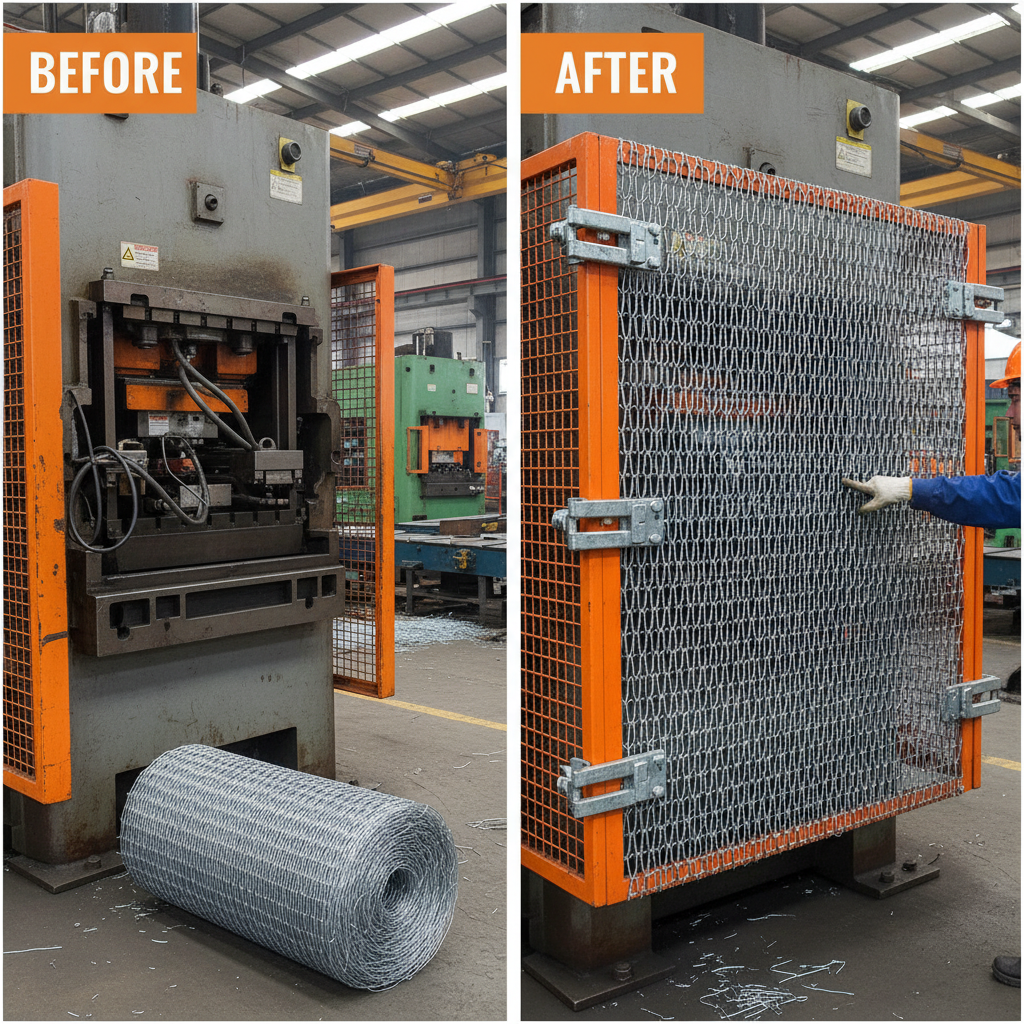
Beyond construction, think about agriculture – protecting crops from pests, containing livestock. Then you’ve got industrial applications – safety barriers, machine guarding. Even in disaster relief, it’s used for temporary shelters and securing affected areas. The UN and various NGOs rely on it heavily for rapid deployment in emergency situations.
According to industry reports, the global wire mesh market – and chicken wire netting is a significant portion of that – is projected to continue growing at a steady pace, driven by infrastructure spending and increasing safety regulations. It’s not a glamorous market, but it’s a stable one.
Understanding the Core Properties of Chicken Wire Netting
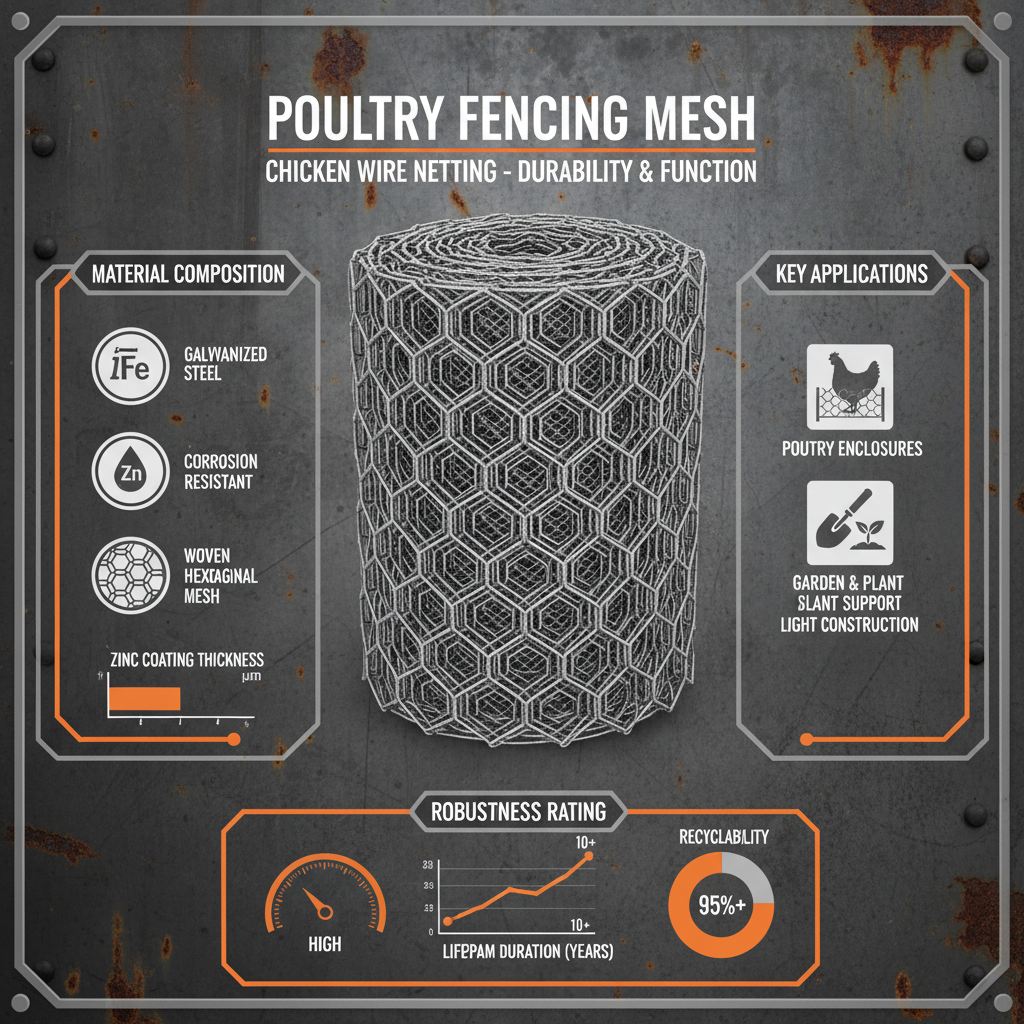
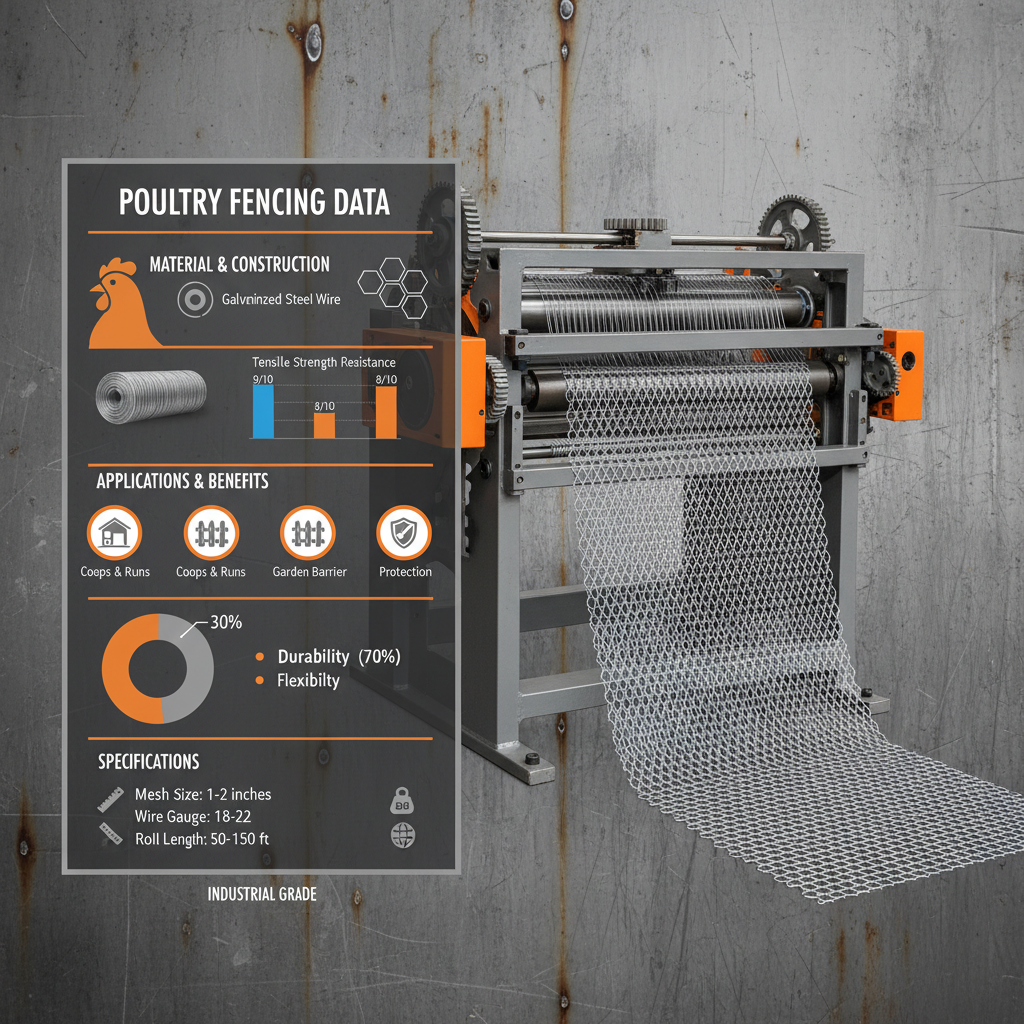
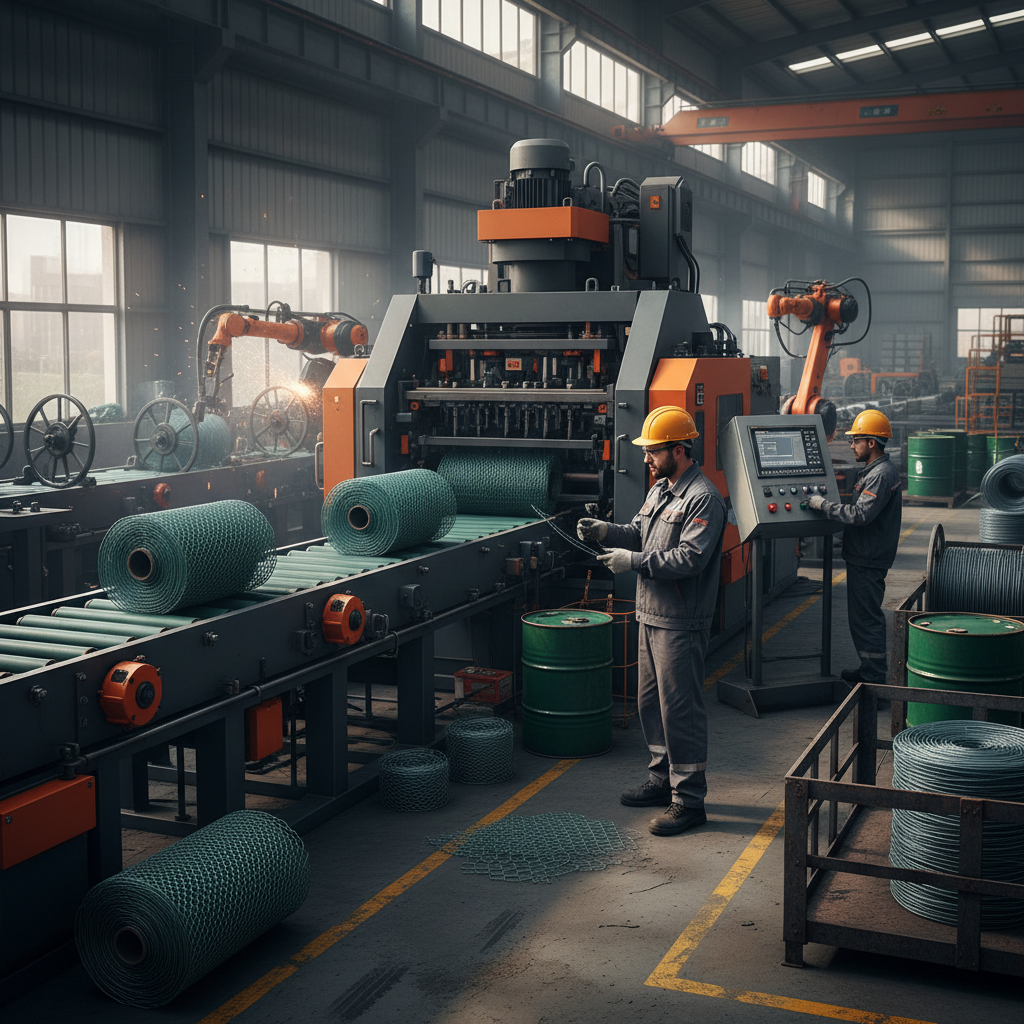
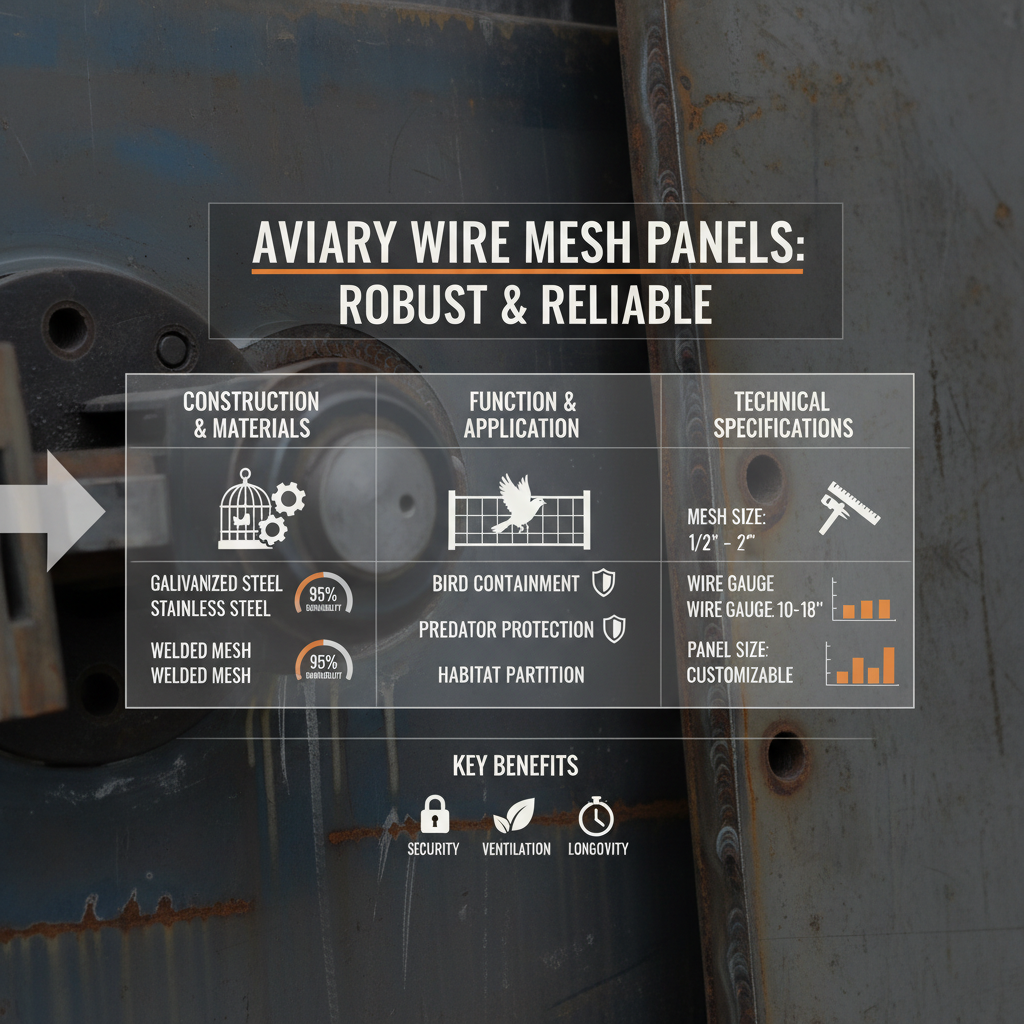
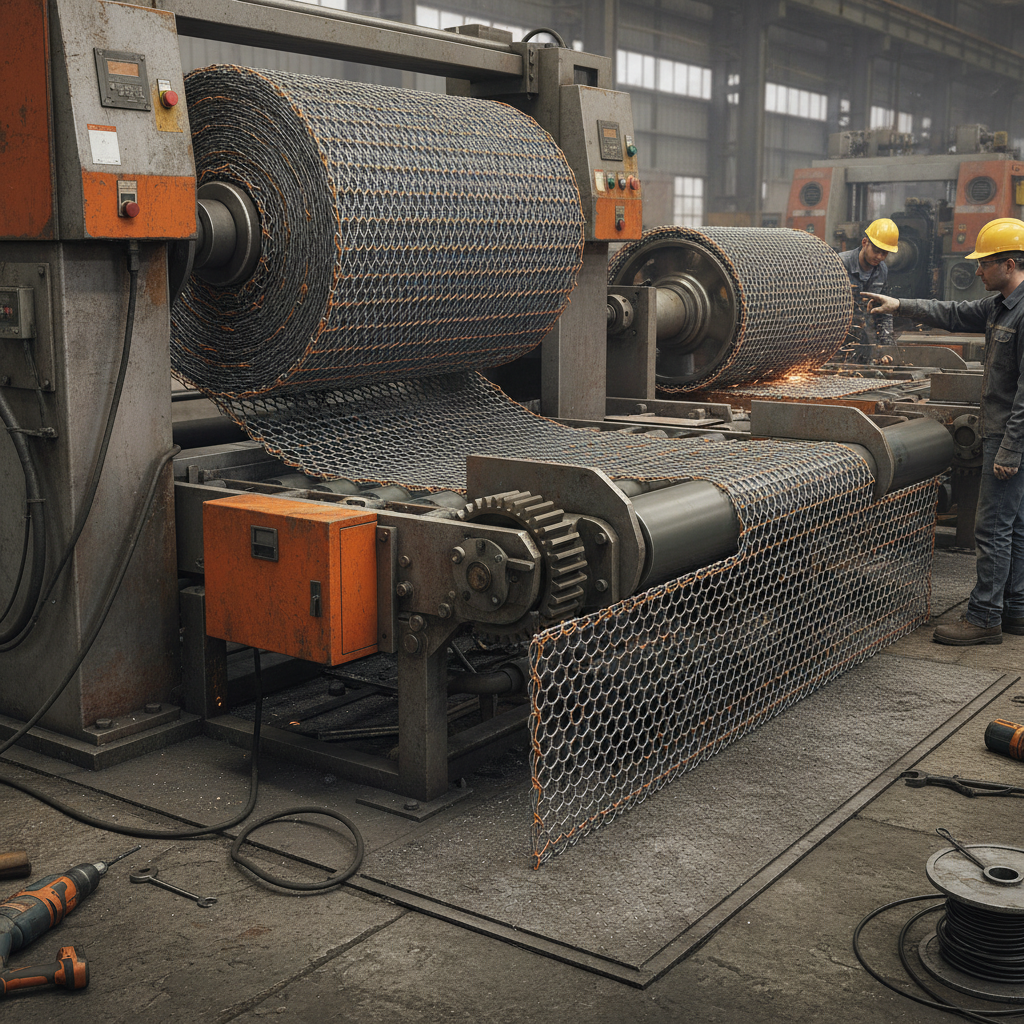
Let’s get down to brass tacks. Chicken wire netting is typically made from galvanized steel wire, woven into a diamond or square mesh pattern. The gauge of the wire, the mesh size, and the galvanization process all impact its strength, durability, and resistance to corrosion.
The galvanization is key. You get different levels – standard, heavy-duty, even PVC-coated for extra protection. I’ve seen standard galvanization rust through in a few years, especially in coastal environments. Spend the extra money on heavier galvanization; it’ll save you headaches down the line. The mesh size dictates what it can contain – smaller mesh for keeping out smaller critters, larger mesh for general security.
Flexibility is another crucial property. Chicken wire netting can conform to uneven terrain, making it easier to install than rigid fencing options. It's also relatively lightweight, which simplifies transportation and handling. But don't mistake lightweight for weak – a properly installed, quality netting can withstand a surprising amount of force.
Key Performance Indicators in Chicken Wire Netting Selection
When I'm specifying chicken wire netting for a project, I'm looking at a few key things. It's not just about price.
First, wire gauge – that dictates strength. Second, mesh size – what are you trying to contain or exclude? Third, galvanization level – how long does it need to last in the environment? And finally, the break strength – how much force can it withstand before failing? We use testing labs to verify these specs.
KPI Comparison for Chicken Wire Netting
Real-World Applications Across Diverse Industries
Look, I’ve seen it all. From securing lumber yards to creating temporary enclosures for outdoor events, chicken wire netting is incredibly versatile. On one project, we used it to contain debris during a demolition, preventing it from spreading to neighboring properties.
We’ve also used it extensively in erosion control projects, laying it over slopes to stabilize the soil and prevent runoff. And in agriculture, it’s a staple for protecting vineyards and orchards from birds and pests. It's not always pretty, but it gets the job done, and that's what matters.
The Economic and Sustainability Advantages
Let's be honest: budget is always a concern. Chicken wire netting wins on cost, plain and simple. Compared to chain link or solid fencing, it’s significantly cheaper. That frees up capital for other critical aspects of the project.
And it’s surprisingly sustainable. Steel is recyclable, and a well-maintained netting can last for years, reducing the need for frequent replacements. We're also seeing manufacturers explore using recycled steel in production, further minimizing its environmental impact.
From a social impact perspective, it contributes to safety on construction sites and in public spaces. Securing perimeters and preventing accidents is a huge win.
Emerging Trends and Future Innovations
Things are changing, even in the world of chicken wire netting. We’re seeing manufacturers experimenting with new coatings that offer even greater corrosion resistance.
There’s also a move towards higher-tensile wire, which allows for lighter gauge netting without sacrificing strength. And I’m keeping an eye on the integration of smart technology – sensors embedded in the netting to detect breaches or damage. It’s still early days, but the potential is there.
There’s a growing focus on sustainability as well, with companies exploring biodegradable coatings and using more recycled materials in production. The industry is adapting to meet the demands of a more environmentally conscious world.
Summary of Key Challenges and Potential Solutions
| Challenge |
Impact on Project |
Potential Solution |
Implementation Cost (1-10) |
| Corrosion in Harsh Environments |
Reduced Lifespan, Frequent Replacements |
Utilize Heavy-Duty Galvanization & PVC Coating |
7 |
| Difficulty with Uneven Terrain |
Installation Time & Labor Costs |
Employ Flexible Netting & Strategic Anchoring |
4 |
| Vandalism & Damage |
Security Breaches & Repair Costs |
Reinforce with Additional Supports & Surveillance |
6 |
| Limited Visibility |
Potential Safety Hazards |
Add High-Visibility Tape or Flags |
2 |
| Installation Complexity |
Labor Costs & Project Delays |
Proper Training & Experienced Installers |
5 |
| Environmental Impact of Steel Production |
Carbon Footprint & Resource Depletion |
Source Recycled Steel & Explore Biodegradable Coatings |
8 |
FAQS
The lifespan really depends on the galvanization level and the environment. Standard galvanization might last 3-5 years, but heavy-duty galvanization or a PVC coating can easily extend that to 10-15 years or even longer. Coastal areas with salt spray will significantly reduce lifespan, so choose coatings accordingly. Proper installation – keeping it taut and avoiding ground contact – is also crucial.
Mesh size determines what you're keeping in or out. Smaller mesh is better for containing small animals, preventing debris from escaping, or providing a finer barrier. Larger mesh is good for general perimeter security or applications where airflow is important. It’s a balancing act – smaller mesh is stronger but more expensive and restricts visibility. We usually match the mesh size to the specific threat or containment requirement.
Flexibility is the key. Use flexible posts and allow the netting to conform to the contours of the ground. Avoid stretching it too tightly, which can cause it to tear. Use plenty of ties and secure it to the posts at frequent intervals. For significant slopes, consider using overlapping sections of netting to provide continuous coverage. Proper anchoring is also critical to prevent it from lifting or shifting.
Absolutely, it's a common choice for temporary security. It’s cost-effective and relatively quick to deploy. However, it’s not as robust as chain link or other more secure fencing options. For high-security applications, you'll need to reinforce it with additional supports and potentially add surveillance. It's best suited for deterring casual trespassers rather than preventing determined intrusions.
Steel is recyclable, which is a big plus. Look for manufacturers that use recycled steel in their production. When disposing of old netting, ensure it’s sent to a recycling facility. Consider coatings – some are more environmentally friendly than others. Avoiding plastic coatings where possible and opting for biodegradable alternatives is a step in the right direction.
Wire gauge depends on the anticipated stress and the size of what you're trying to contain. Lighter gauges are suitable for low-stress applications like garden fencing, while heavier gauges are needed for securing construction sites or containing livestock. Consider the environment – windy areas require a heavier gauge. Consulting with a fencing supplier or engineer can help you choose the right gauge for your specific needs.
Conclusion
So, there you have it. Chicken wire netting may seem like a simple product, but it’s a critical component in a huge range of applications. From construction and agriculture to security and disaster relief, it provides a cost-effective, versatile, and reliable solution. Understanding its properties, applications, and emerging trends is essential for anyone involved in project management, construction, or site security.
Don’t underestimate its value. Invest in quality netting, proper installation, and ongoing maintenance. It will save you time, money, and headaches in the long run. And if you're looking for a reliable supplier with a wide range of options, check out YSZ Wire Mesh. They know their stuff.