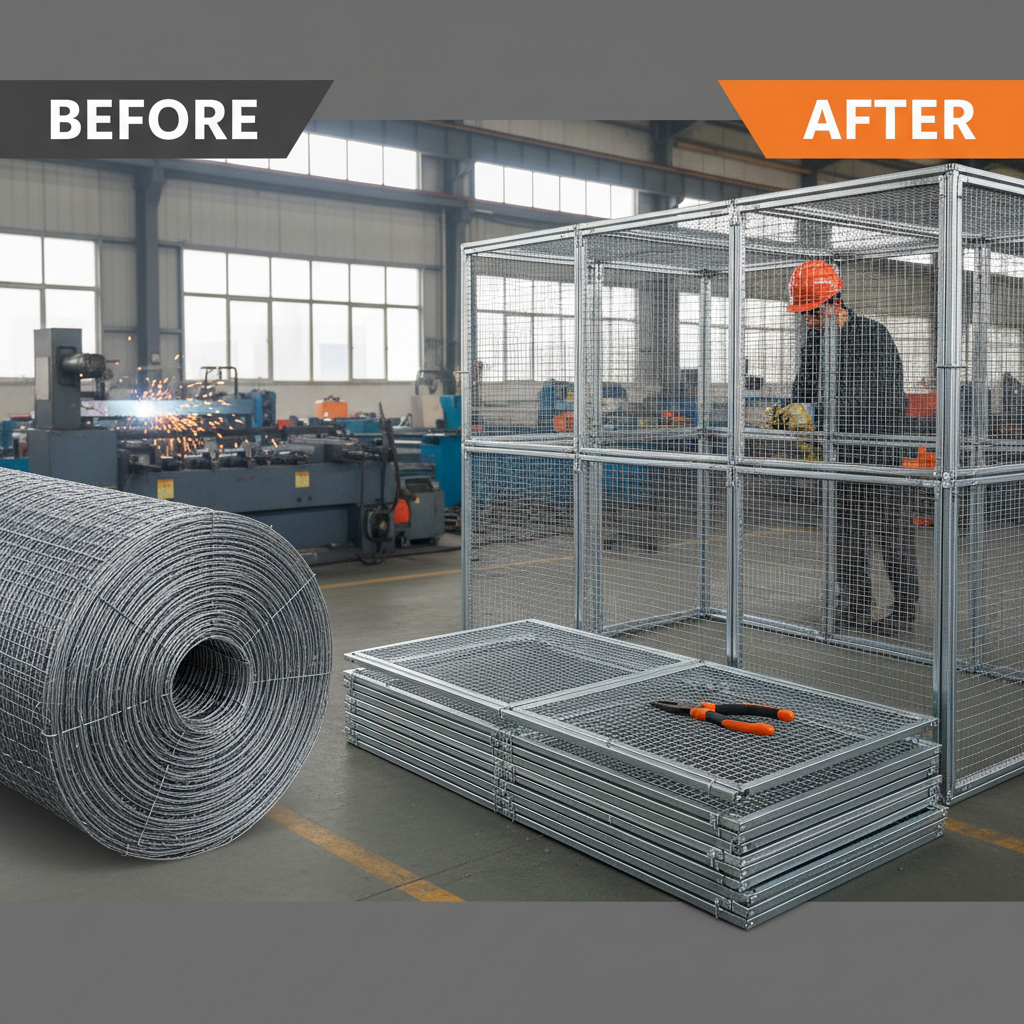
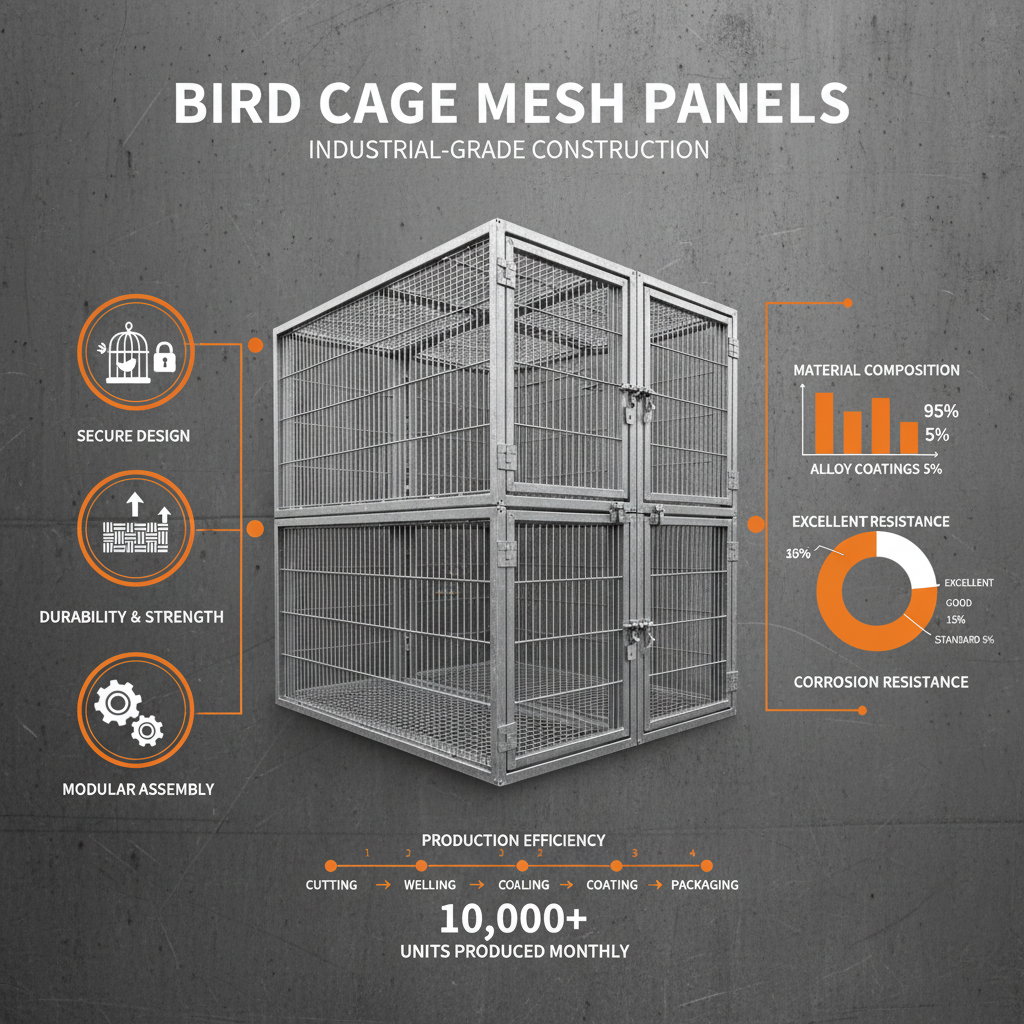
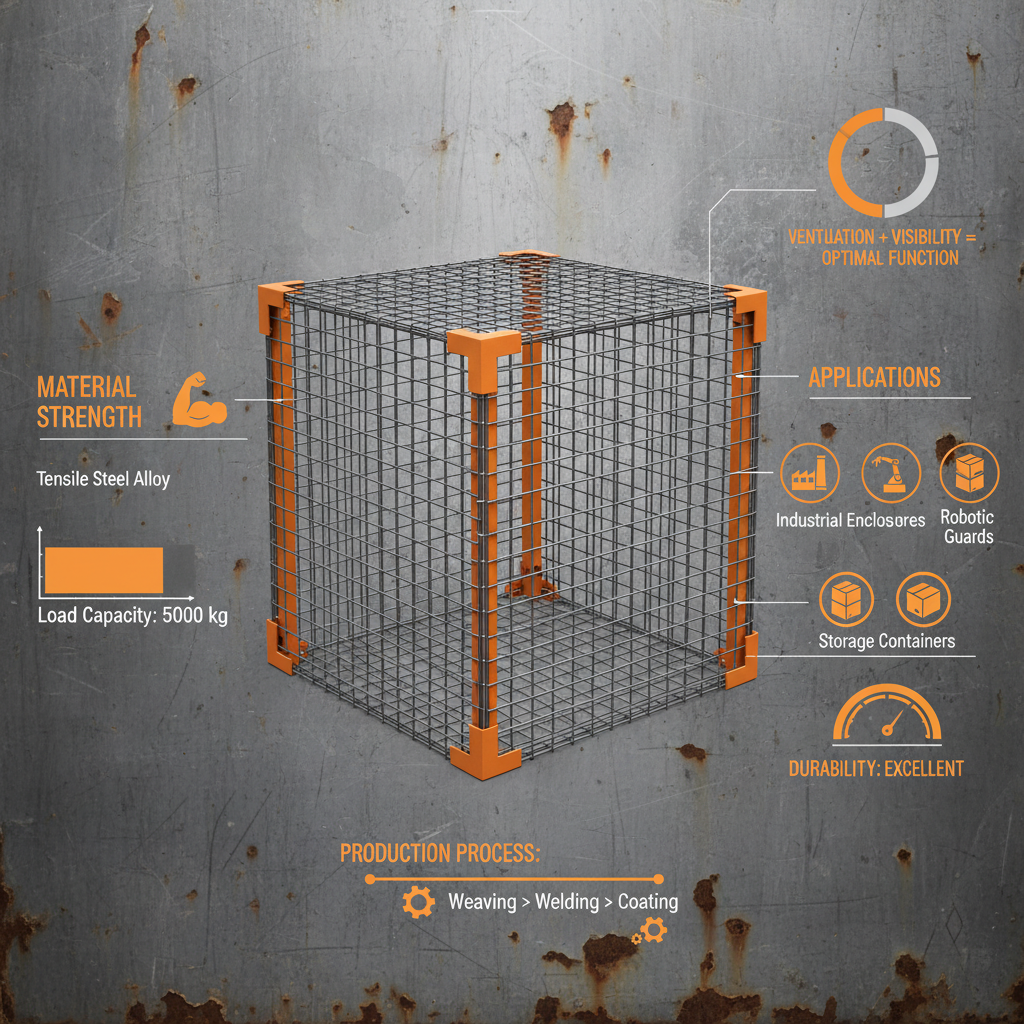
Bird cage mesh panels represent a crucial component in the modern aviculture industry, extending beyond simple pet enclosures to encompass larger-scale breeding facilities, veterinary care, and even conservation efforts. Their demand is driven by a global increase in pet ownership and a rising awareness of animal welfare, necessitating durable, safe, and easily maintainable enclosure solutions. Understanding the nuances of these panels – from material composition to manufacturing processes – is essential for both suppliers and end-users seeking optimal performance and longevity.
Globally, the market for animal enclosures, including components like bird cage mesh panels, is experiencing steady growth. According to industry reports, the pet care market alone is a multi-billion dollar industry, with a significant portion allocated to habitat enrichment. The increasing focus on responsible pet ownership, coupled with a demand for aesthetically pleasing and functional enclosures, is driving innovation in mesh panel design and materials. This is particularly evident in regions with high pet adoption rates, such as North America, Europe, and parts of Asia.
The importance of high-quality bird cage mesh panels extends beyond commercial applications. Zoos, wildlife sanctuaries, and rehabilitation centers rely on these panels for creating secure and stimulating environments for birds, contributing to their well-being and successful reintroduction programs. Consequently, a thorough understanding of the materials, construction, and safety standards associated with these panels is paramount.
Introduction to Bird Cage Mesh Panels
Bird cage mesh panels are integral to creating secure and comfortable environments for avian species, both in domestic settings and professional facilities. Constructed primarily from galvanized steel, stainless steel, or coated wire, these panels offer a balance of strength, durability, and visibility. Their design allows for adequate ventilation and natural light, contributing to the overall health and wellbeing of the birds they house.
The selection of appropriate mesh panels is critical, impacting not only the bird’s safety but also the ease of maintenance and the overall aesthetic appeal of the enclosure. Different mesh gauges and opening sizes cater to various bird species, ensuring they cannot escape or become injured. Furthermore, the corrosion resistance of the material is vital, particularly in humid or coastal environments, prolonging the panel's lifespan and reducing replacement costs.
Defining Bird Cage Mesh Panels
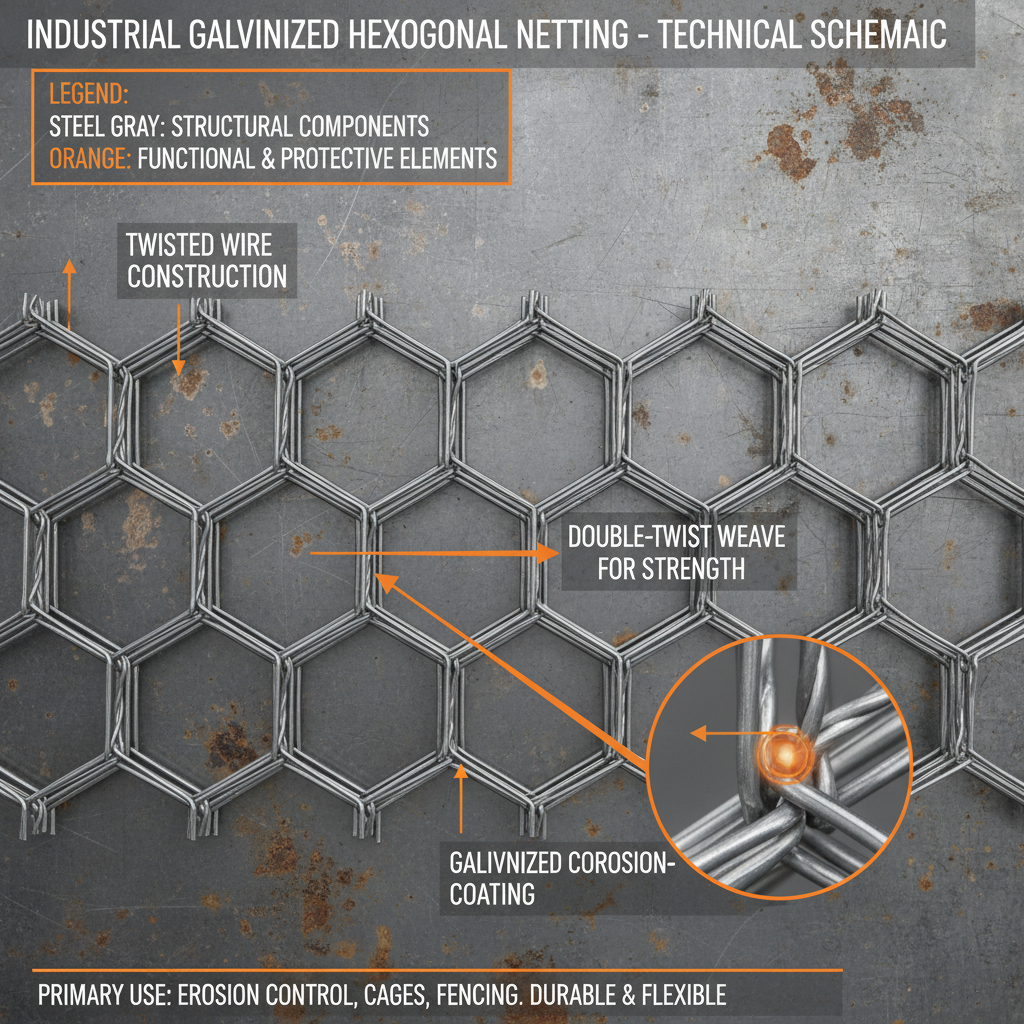
Bird cage mesh panels are prefabricated sections of woven or welded wire mesh designed specifically for the construction of bird enclosures. They typically feature a grid pattern with varying mesh sizes, influencing the level of security and the suitability for different bird species. Unlike standard wire mesh, bird cage panels are engineered to withstand the pecking, climbing, and general activity of birds, minimizing deformation and maintaining structural integrity.
These panels often incorporate features like rolled edges or protective coatings to prevent injury to the birds and enhance durability. They can be readily customized in terms of size, shape, and finish to accommodate specific enclosure designs and aesthetic preferences. The material choice is also crucial; galvanized steel provides cost-effective corrosion resistance, while stainless steel offers superior longevity and is ideal for harsher environments.
The connection to modern industry stems from advancements in wire drawing, welding, and coating technologies. Humanitarian needs are met by the use of these panels in wildlife rehabilitation centers and conservation programs, assisting in the recovery and release of injured or endangered birds. They’re a cornerstone of responsible aviculture.
Core Characteristics of Quality Panels
Durability is paramount when selecting bird cage mesh panels. The materials used, typically galvanized steel or stainless steel, must resist corrosion, weathering, and the physical stresses imposed by birds. The gauge of the wire and the weld strength (for welded mesh) are key indicators of a panel's longevity and ability to withstand repeated use. This translates to reduced maintenance costs and a longer lifespan for the enclosure.
Mesh Size plays a crucial role in determining the panel's suitability for specific bird species. Smaller mesh sizes are necessary for smaller birds to prevent escape, while larger mesh sizes offer better ventilation and visibility for larger species. Choosing the correct mesh size minimizes the risk of injury to the birds and ensures their safety and comfort.
Safety is another critical characteristic. Quality panels have smooth edges and no sharp protrusions that could harm the birds. Coatings, such as PVC or powder coating, can provide an additional layer of protection and prevent rust, enhancing the overall safety and longevity of the panel. Non-toxic materials are essential to avoid health risks for the avian inhabitants.
Practical Applications Across Industries
Bird cage mesh panels find widespread application in the pet industry, forming the core structure of commercial bird cages sold in retail outlets and online. These cages range from small, portable enclosures for budgies and finches to large, elaborate aviaries for macaws and cockatoos. The demand for aesthetically pleasing and functional bird cages drives innovation in mesh panel design and finishing.
Beyond the pet industry, these panels are essential in avian breeding facilities, providing secure and hygienic environments for raising large numbers of birds. Zoos and wildlife sanctuaries utilize bird cage mesh panels to create spacious and naturalistic enclosures for their avian collections, promoting animal welfare and facilitating public viewing.
bird cage mesh panels Application Ratings
Advantages and Long-Term Value Proposition
The primary advantage of utilizing high-quality bird cage mesh panels lies in their durability and extended lifespan. This translates to significant cost savings over time, as fewer replacements are required. Investing in robust panels reduces long-term maintenance expenses and minimizes disruptions to the enclosure's operation.
Furthermore, these panels contribute to the overall health and wellbeing of the birds, minimizing the risk of injury and providing a secure and comfortable environment. This is particularly important in breeding facilities and sanctuaries, where the birds' health is directly linked to the success of conservation efforts.
Global Applications and Use Cases of Bird Cage Mesh Panels
In North America and Europe, bird cage mesh panels are commonly used in the commercial pet industry and backyard aviculture. The demand for larger, more spacious enclosures is increasing, driving the adoption of customized panel designs and durable materials. Conservation projects in South America often utilize these panels for creating secure aviaries for the rehabilitation of endangered bird species.
Asia, particularly countries like Japan and South Korea, showcases a strong emphasis on aesthetic appeal and functionality in bird enclosures, leading to innovative applications of mesh panels in urban settings. In Australia, where native bird species are particularly vulnerable, these panels play a critical role in protecting birds from predators and habitat loss.
Increasingly, we see application in scientific research facilities, where controlled environments are crucial for avian behavioral studies and disease research. These panels are integral to building secure and reliable test environments.
Future Trends and Challenges in Bird Cage Mesh Panel Production
The future of bird cage mesh panel production will likely focus on sustainable materials and environmentally friendly manufacturing processes. The development of recycled wire mesh and biodegradable coatings could significantly reduce the industry's environmental footprint. Automation and robotics will play an increasingly important role in improving production efficiency and reducing costs.
One significant challenge is maintaining consistent quality control amidst rising material costs. Ensuring that panels meet stringent safety standards and durability requirements remains a top priority. Another challenge is adapting to evolving avian welfare standards, which may necessitate changes in mesh size, panel design, and coating materials.
Digitalization and smart cage technologies are emerging trends, potentially integrating sensors and monitoring systems into bird cage mesh panels to track bird health and behavior. This could revolutionize avian management in both commercial and research settings.
Summary of Factors Influencing Bird Cage Mesh Panel Performance
| Material Composition |
Mesh Gauge & Aperture |
Corrosion Resistance |
Construction Method |
| Galvanized Steel |
16 Gauge, 1" Aperture |
Moderate |
Welded Wire |
| Stainless Steel 304 |
14 Gauge, 0.5" Aperture |
Excellent |
Woven Wire |
| Galvanized Steel with PVC Coating |
18 Gauge, 0.75" Aperture |
Good |
Welded Wire |
| Aluminum |
12 Gauge, 1.25" Aperture |
Very Good |
Woven Wire |
| Stainless Steel 316 |
14 Gauge, 0.375" Aperture |
Superior |
Welded Wire |
| Galvanized Steel with Powder Coating |
16 Gauge, 0.625" Aperture |
Good |
Woven Wire |
FAQS
Stainless steel (specifically 304 or 316 grade) is widely considered the best material due to its superior corrosion resistance, longevity, and safety. While more expensive than galvanized steel, stainless steel eliminates the risk of zinc toxicity and withstands harsh weather conditions, making it a cost-effective long-term investment. The higher the grade, the more resistance to corrosion and a longer service life.
The appropriate mesh size depends on the size of your birds. Generally, the mesh openings should be no larger than the bird's head to prevent escape or injury. Smaller birds like finches require much smaller mesh sizes (e.g., 1/4 inch) than larger birds like macaws (e.g., 1 inch). Always consult species-specific recommendations to ensure appropriate enclosure security and comfort. Using too large of an opening can be dangerous, even fatal.
Powder-coated mesh panels can be safe for birds if the coating is non-toxic and fully cured. It's essential to choose a powder coating specifically formulated for animal enclosures and to verify that it meets relevant safety standards. Ensure the coating is thoroughly cured to prevent flaking or ingestion by the birds, which could cause health problems. Look for coatings labeled as 'lead-free' and 'non-toxic'.
While galvanization provides excellent corrosion resistance, rust can still occur over time, particularly in coastal or humid environments. Regularly cleaning the panels with mild soap and water can help remove contaminants that accelerate corrosion. Applying a protective coating, like a specialized bird-safe sealant, can further extend the panel's lifespan. Promptly address any scratches or damage to the galvanization to prevent rust from spreading.
Welded wire mesh panels are formed by fusing wires together at their intersection points, creating a rigid structure. Woven wire mesh panels are created by interlacing wires in a pattern, resulting in a more flexible and durable panel. Welded panels are generally more cost-effective, while woven panels offer greater strength and resistance to deformation. The best choice depends on the specific application and the size/strength of the birds.
The lifespan of bird cage mesh panels varies depending on the material, environmental conditions, and maintenance practices. Galvanized steel panels typically last 5-10 years, while stainless steel panels can last 15-20 years or longer. Regular cleaning, protective coatings, and prompt repair of damage can significantly extend the panel's lifespan. Proper installation is also key to long-term durability.
Conclusion
In conclusion, bird cage mesh panels are a critical component of responsible aviculture, offering a balance of security, durability, and animal welfare. Understanding the key characteristics of quality panels – from material composition to mesh size – is essential for both suppliers and end-users. By choosing appropriate materials and implementing proper maintenance practices, one can ensure a safe and comfortable environment for birds while minimizing long-term costs.
Looking ahead, the industry is poised for innovation with a growing emphasis on sustainable materials and advanced manufacturing techniques. As we strive for more environmentally friendly and efficient solutions, bird cage mesh panels will continue to play a vital role in promoting the health and wellbeing of avian populations worldwide. For premium quality bird cage mesh panels, visit our website: bird cage mesh panels.