When it comes to specialized containment and avian housing, bird cage wire panels represent the critical intersection of structural integrity and animal welfare. These panels are not merely wire grids but engineered components designed to withstand environmental stressors while ensuring the safety and ventilation required for various avian species. Understanding the nuances of wire gauge, coating, and mesh aperture is essential for any professional looking to implement long-term, sustainable enclosure solutions.
Globally, the demand for high-quality bird cage wire panels has evolved from simple pet store cages to large-scale aviary constructions and commercial poultry facilities. As international standards for animal husbandry tighten, the shift toward non-toxic, corrosion-resistant materials has become a priority. Whether used in urban zoos or rural conservation centers, the reliability of the wire mesh directly impacts the security of the inhabitants and the operational costs of the facility.
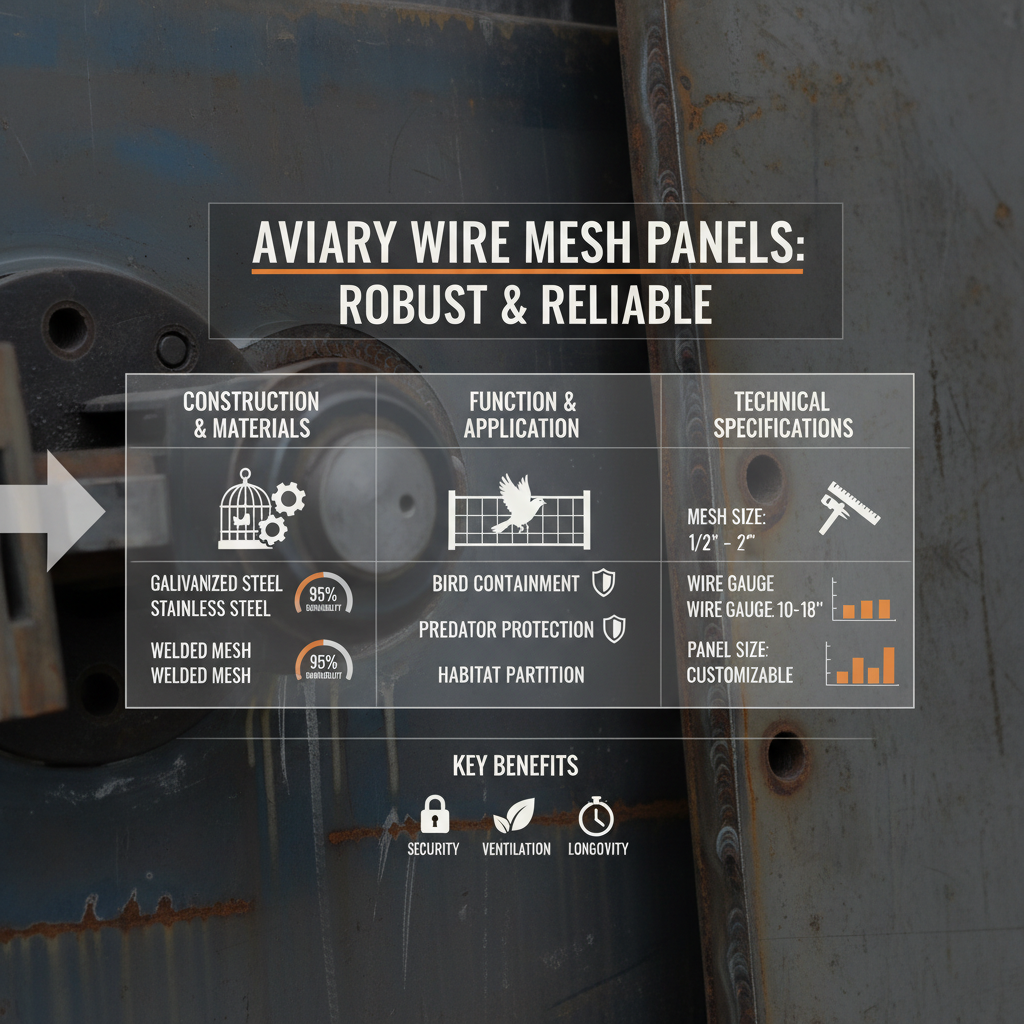
Choosing the right panel involves balancing tensile strength with flexibility and cost-efficiency. From galvanized steel for rugged outdoor use to stainless steel for sterile environments, the versatility of these panels allows for tailored applications. By analyzing the technical specifications and material properties, stakeholders can ensure that their installations are not only durable but also compliant with global safety and ethics guidelines.
Global Industry Context of Bird Cage Wire Panels
The global market for bird cage wire panels is deeply integrated with the broader metal products industry, specifically within the welded wire mesh and galvanized steel sectors. As urbanization increases and the demand for specialized veterinary and conservation facilities grows, the industry has seen a shift toward ISO-certified production methods. This ensures that the panels used in sensitive environments are free from lead and other hazardous contaminants that could harm avian health.
Moreover, the geopolitical shift in manufacturing hubs has allowed for more competitive pricing without sacrificing the structural integrity required for high-security aviaries. In regions like Europe and North America, there is a growing emphasis on "green" galvanization processes, reducing the environmental footprint of the zinc coating process. This global trend reflects a broader commitment to sustainable manufacturing within the metal wire industry.
Defining Bird Cage Wire Panels and Modern Standards
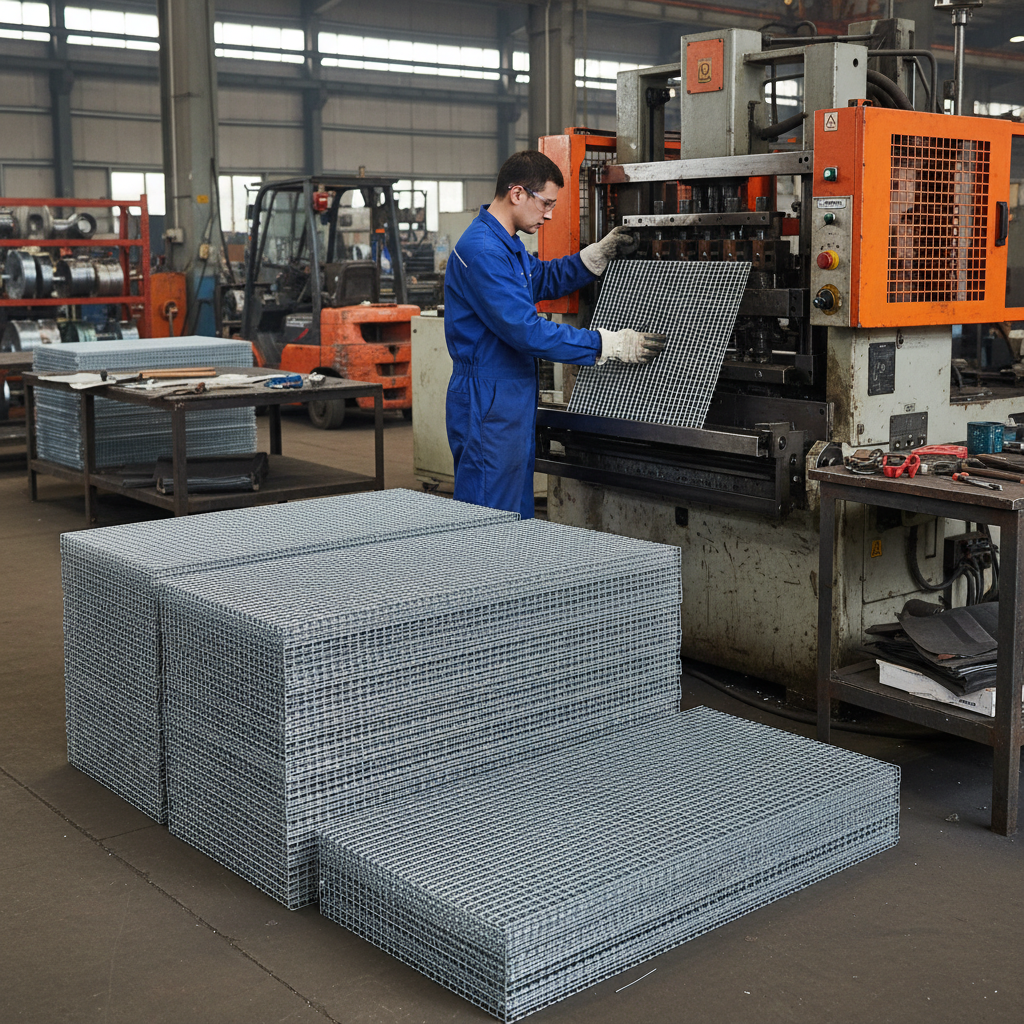
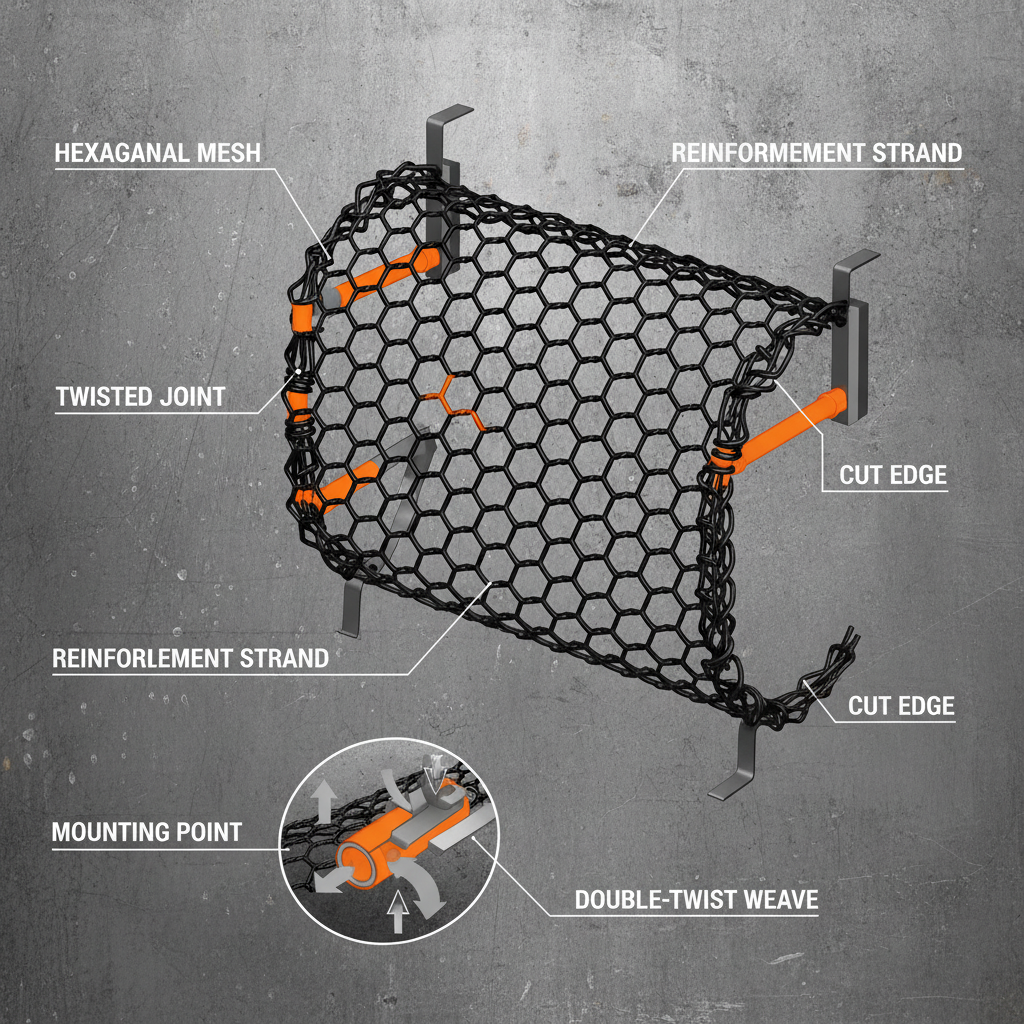
At its core, bird cage wire panels are prefabricated grids of metal wire, typically welded at the intersections to provide a rigid, stable surface. Unlike simple woven mesh, welded panels offer superior dimensional stability, meaning they do not sag or shift over time, which is critical for preventing escapes or predator intrusions in professional avian settings.
Modern standards define these panels not just by their dimensions, but by their metallurgical composition. The industry now distinguishes between hot-dipped galvanized panels, which offer maximum rust protection for outdoor use, and electro-galvanized panels, which provide a smoother finish suitable for indoor luxury cages. These standards are essential for ensuring that the panels can withstand the caustic nature of bird droppings and the humidity of tropical environments.
Beyond the physical material, the definition encompasses the "safe-edge" design. Professional-grade panels are now engineered with rounded or capped edges to prevent injury to the birds and the handlers. This humanitarian approach to industrial design transforms a basic metal product into a specialized tool for animal welfare.
Core Components of High-Performance Wire Panels
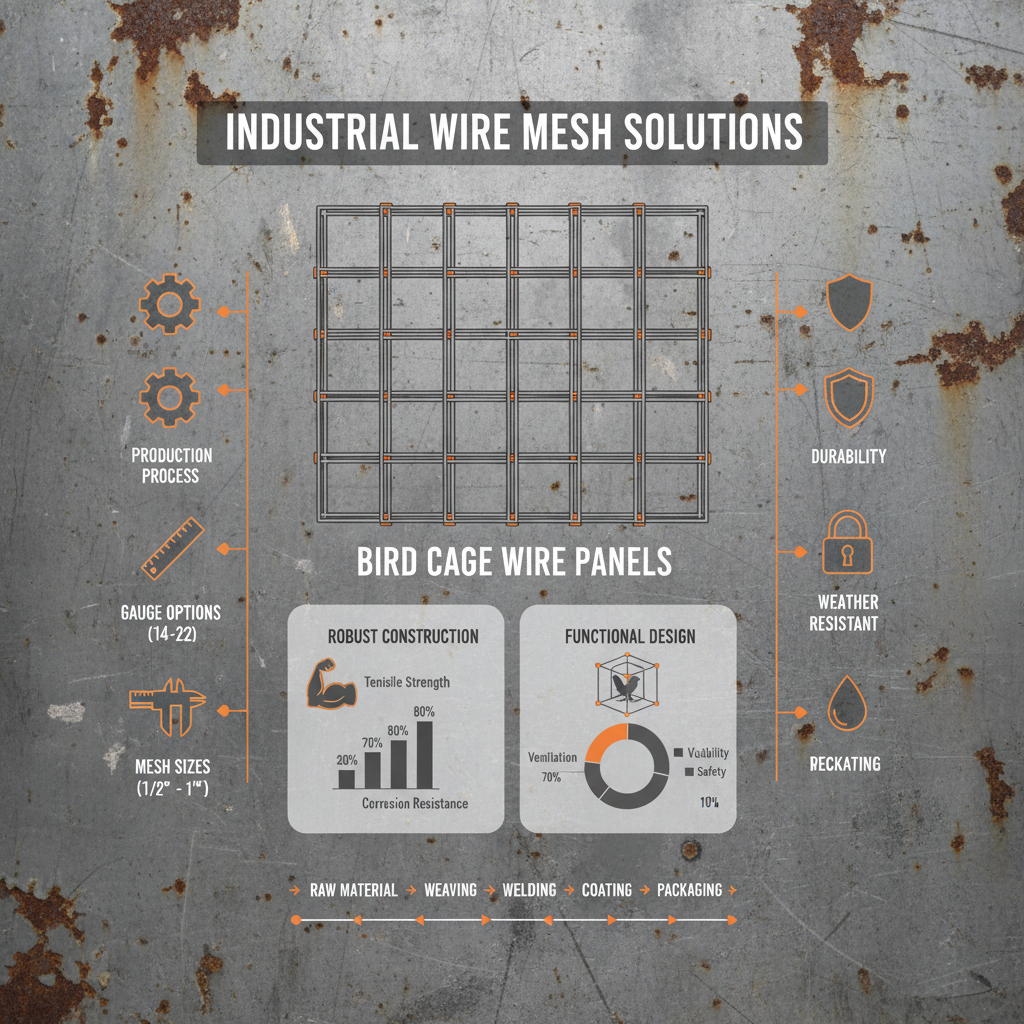
Durability is the primary pillar of bird cage wire panels. This is achieved through the precise selection of the wire gauge—the thickness of the metal. A thicker gauge provides the strength needed to resist chewing by large parrots, while a thinner, high-tensile wire is often used for smaller finches to maintain visibility and airflow.
Corrosion resistance is equally vital. Since bird enclosures are often exposed to high moisture levels and cleaning chemicals, the application of a high-quality zinc coating or the use of 304/316 stainless steel is non-negotiable. This ensures that the panels do not rust, which could otherwise lead to structural failure or toxic exposure for the birds.
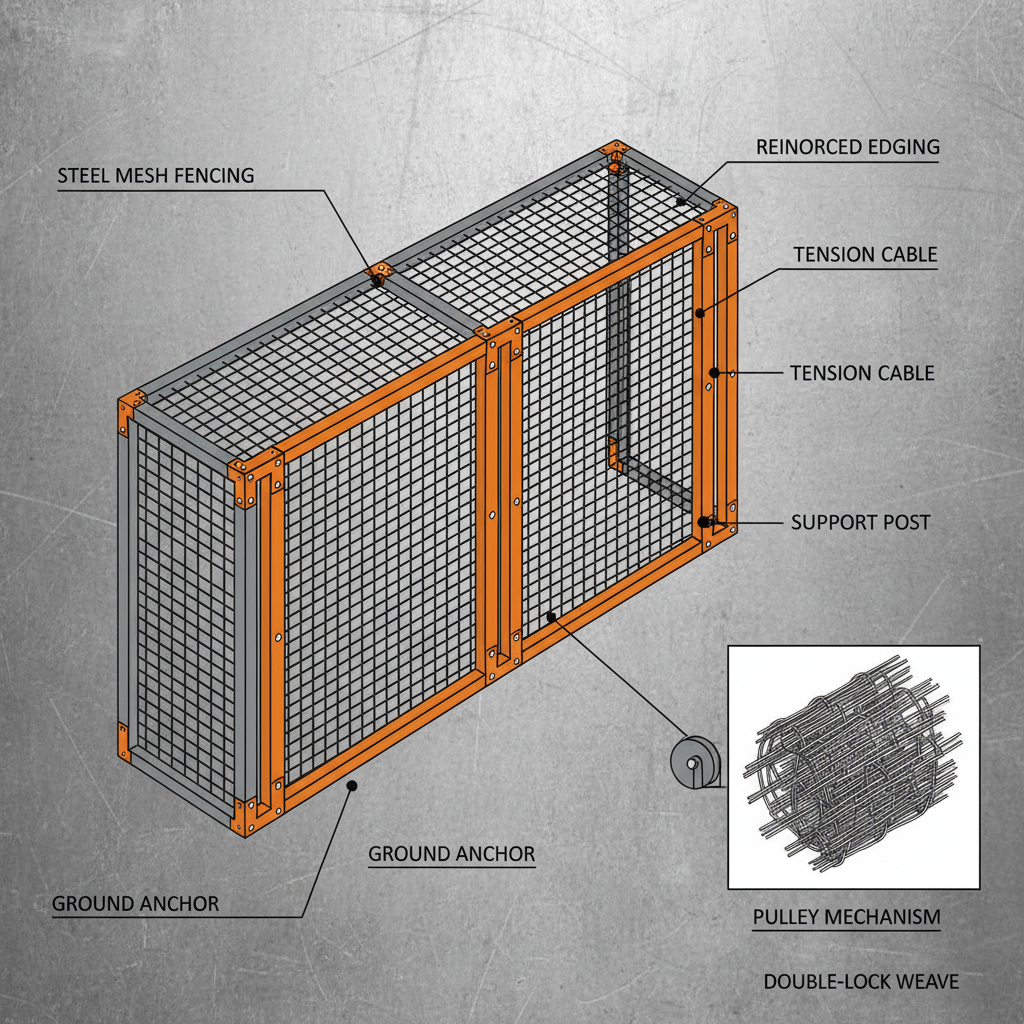
Finally, scalability and modularity allow these panels to be adapted for any size project. By utilizing a standardized grid system, designers can easily expand a small cage into a massive walk-in aviary. The precision of the welds ensures that panels can be joined seamlessly, eliminating gaps that could be exploited by predators or lead to bird entrapment.
Practical Applications and Global Use Cases
The application of bird cage wire panels extends far beyond simple pet ownership. In commercial agriculture, specifically in high-density poultry farming, these panels are used to create hygienic, easy-to-clean flooring and dividers that reduce the spread of disease. In these settings, the focus is on ease of sterilization and high load-bearing capacity.
In the realm of wildlife conservation, large-scale panels are deployed in breeding centers for endangered species. For instance, in remote tropical zones, heavy-duty galvanized panels are used to build flight aviaries that protect rare birds from local predators while mimicking a natural environment. The ability to customize the aperture size allows conservationists to secure different species within the same facility.
Comparative Performance of Bird Cage Wire Panels Materials
Long-Term Value and Sustainability Benefits
Investing in premium bird cage wire panels yields significant long-term financial and operational value. While lower-grade wire may seem cost-effective initially, the frequent need for replacement due to rust or breakage quickly outweighs the initial savings. High-grade panels reduce maintenance labor and eliminate the risk of costly avian escapes.
From a sustainability perspective, the use of recyclable steel and non-toxic coatings aligns with the global movement toward a circular economy. Long-lasting panels mean fewer materials end up in landfills. Furthermore, the reliability of these panels provides peace of mind for owners and operators, fostering a sense of trust and safety that is invaluable when dealing with living creatures.
Future Innovations in Wire Mesh Technology
The future of bird cage wire panels is being shaped by advancements in material science, specifically the introduction of nano-coatings. These ultra-thin layers can provide antimicrobial properties, significantly reducing the buildup of bacteria on the wire surfaces and improving the overall health of the birds. This represents a shift from passive containment to active health management.
Automation in the manufacturing process, such as AI-driven robotic welding, is ensuring near-perfect consistency in every panel. This eliminates "weak spots" in the mesh, ensuring that every square inch of the panel meets the same rigorous safety standards. Such precision is critical for high-security aviaries housing rare or aggressive species.
Additionally, the integration of lightweight composite materials with steel cores is being explored to reduce the weight of massive structures without sacrificing strength. This innovation will allow for easier transport and faster installation of large-scale bird enclosures in remote areas, facilitating global conservation efforts.
Overcoming Challenges in Bird Cage Panel Installation
One of the most common challenges when working with bird cage wire panels is ensuring the stability of the joints. Poorly secured panels can create "pinch points" or gaps. To solve this, experts recommend using specialized locking clips and reinforced frame brackets that distribute the tension evenly across the panel, preventing warping.
Another hurdle is managing the weight of heavy-duty panels during installation. This is often overcome by utilizing modular assembly techniques, where smaller sections are pre-assembled on the ground and then hoisted into place using mechanical lifts. This approach not only increases safety for the workers but also ensures a tighter, more secure fit.
Finally, environmental factors such as extreme salinity in coastal areas can accelerate the degradation of standard galvanized wire. The solution lies in specifying "marine-grade" stainless steel or double-galvanized coatings. By matching the material specification to the specific environmental challenge, the lifespan of the installation can be extended by decades.
Technical Analysis of Bird Cage Wire Panel Specifications
|
Material Type
|
Corrosion Resistance (1-10)
|
Tensile Strength (MPa)
|
Primary Application
|
|
Hot-Dipped Galvanized
|
8
|
450
|
Outdoor Aviaries
|
|
304 Stainless Steel
|
10
|
520
|
Medical/Zoo Grade
|
|
PVC Coated Steel
|
7
|
400
|
Indoor Pet Cages
|
|
Electro-Galvanized
|
5
|
380
|
Temporary Housing
|
|
Powder Coated
|
7
|
410
|
Decorative Exhibits
|
|
316 Marine Grade
|
10+
|
550
|
Coastal Facilities
|
FAQS
For outdoor environments, hot-dipped galvanized steel is generally the best balance of cost and performance. It provides a thick layer of zinc that protects the inner steel from rain and humidity. However, for coastal areas with high salt content, 316 stainless steel is highly recommended to prevent pitting and rapid corrosion.
The gauge depends on the bird's size and beak strength. Small birds like finches require a fine mesh (smaller aperture) and lighter gauge wire to prevent predators from entering. Large parrots, known for their powerful beaks, require a much thicker gauge of stainless steel to prevent them from bending or biting through the panels.
Yes, in most professional applications, welded panels are superior. They offer far more structural rigidity and do not "shift" or create gaps over time. This stability is crucial for ensuring that birds cannot get their heads or limbs stuck in widened gaps, which is a common risk with low-quality woven mesh.
Absolutely. Most industrial suppliers can manufacture panels to specific height, width, and aperture requirements. Customization is essential for large-scale aviary projects where standard sizes may not fit the architectural layout or the specific flight requirements of the avian species being housed.
Regular cleaning to remove acidic droppings is the first line of defense. For panels that have begun to show surface rust, sanding the area and applying a non-toxic, bird-safe cold galvanizing spray can temporarily halt the corrosion. However, for long-term solutions, replacing damaged sections with stainless steel is the most effective method.
While PVC coatings provide a smooth finish and extra corrosion resistance, they can be dangerous if the bird is a heavy chewer. Some birds may ingest bits of the plastic coating. For species prone to chewing, uncoated stainless steel or powder-coated panels using lead-free, certified non-toxic paints are the safer alternative.
Conclusion
In summary, bird cage wire panels are fundamental to the creation of secure, hygienic, and humane avian environments. By carefully selecting materials based on gauge, coating, and structural design, operators can significantly enhance the welfare of the birds while reducing the long-term costs of maintenance and replacement. The transition from basic wire grids to engineered, ISO-compliant panels reflects a growing global commitment to both industrial excellence and animal ethics.
Looking forward, the integration of antimicrobial coatings and automated precision welding will continue to push the boundaries of what is possible in avian containment. For those managing commercial facilities or conservation projects, the recommendation is to prioritize material longevity and safety certifications over initial cost. By investing in high-quality infrastructure today, you ensure a sustainable and secure future for the species under your care. Visit our website: www.yszwiremesh.com