In the demanding world of industrial containment and structural reinforcement, cage wire panels serve as a cornerstone for stability and security. These specialized mesh configurations are engineered to withstand immense pressure while maintaining structural integrity, making them indispensable across sectors ranging from civil engineering to animal husbandry and high-security perimeter fencing.
Understanding the nuances of cage wire panels is not merely a technical necessity but a strategic advantage for project managers and procurement officers. By selecting the right gauge, coating, and mesh density, industries can significantly reduce maintenance costs and enhance the safety of both personnel and assets, ensuring that containment solutions remain robust under the harshest environmental conditions.
Whether deployed in large-scale Gabion walls for erosion control or as protective enclosures for sensitive machinery, the versatility of these panels is unmatched. This guide explores the global context, technical specifications, and innovative trends that define the modern application of cage wire panels in today's manufacturing landscape.
Global Market Relevance of Cage Wire Panels
The global demand for cage wire panels has seen a steady increase, driven by rapid urbanization and the expansion of infrastructure projects in emerging economies. According to international trade data and ISO standards for steel products, the move toward modular and prefabricated containment systems has pushed manufacturers to innovate in wire diameter and corrosion resistance. This global shift is largely due to the need for rapid deployment in flood defense, road stabilization, and secure industrial zoning.
However, the industry faces a recurring challenge: the tension between cost-efficiency and longevity. Many projects suffer from premature failure due to oxidation or structural fatigue in coastal or high-humidity regions. By integrating advanced galvanization and PVC coatings, modern cage wire panels address these vulnerabilities, offering a sustainable alternative to poured concrete in various environmental engineering applications.
Defining the Technical Scope of Cage Wire Panels
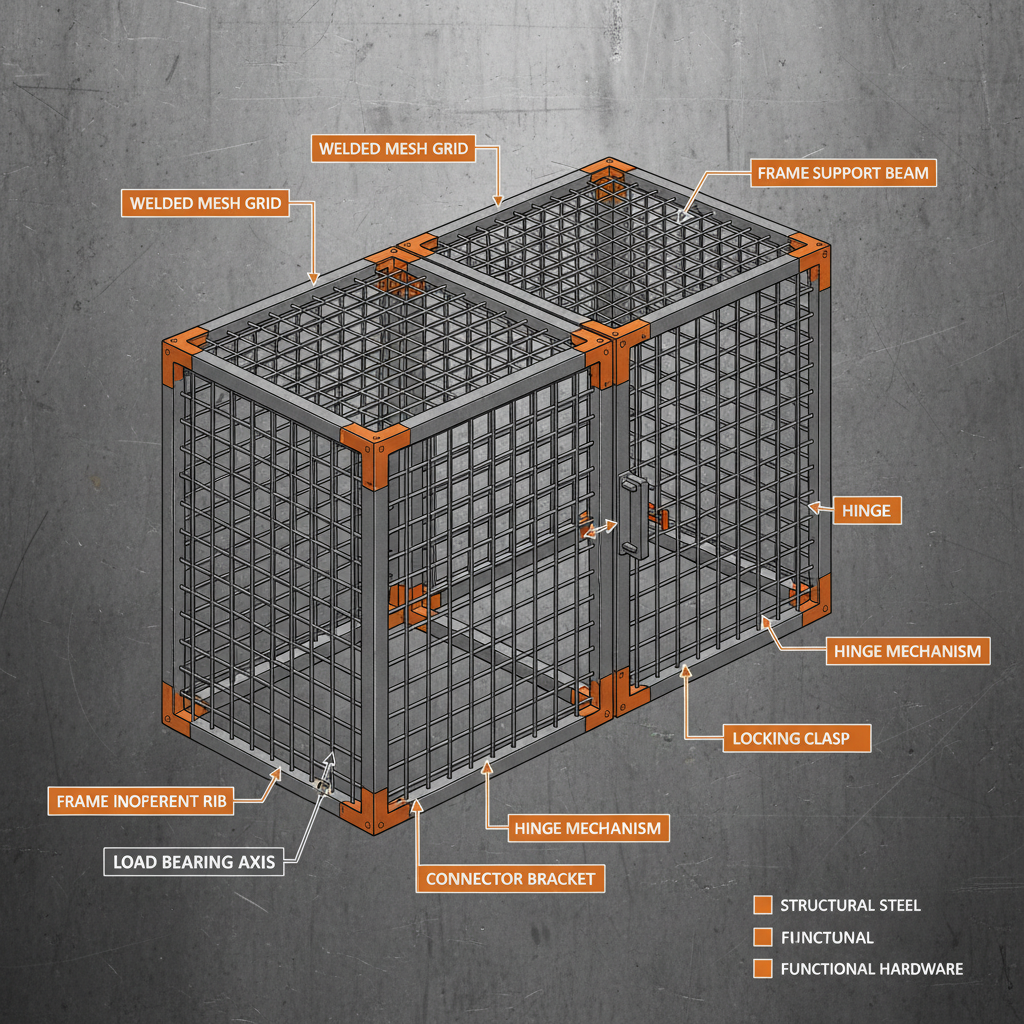
At its core, a cage wire panel is a prefabricated grid of heavy-duty wire, typically woven or welded, designed to form the walls of a three-dimensional enclosure. Unlike simple fencing, these panels are engineered to hold heavy infill—such as crushed stone, soil, or industrial waste—without bulging or collapsing. This allows them to function as gravity-retaining walls or secure storage units that can be assembled quickly on-site.
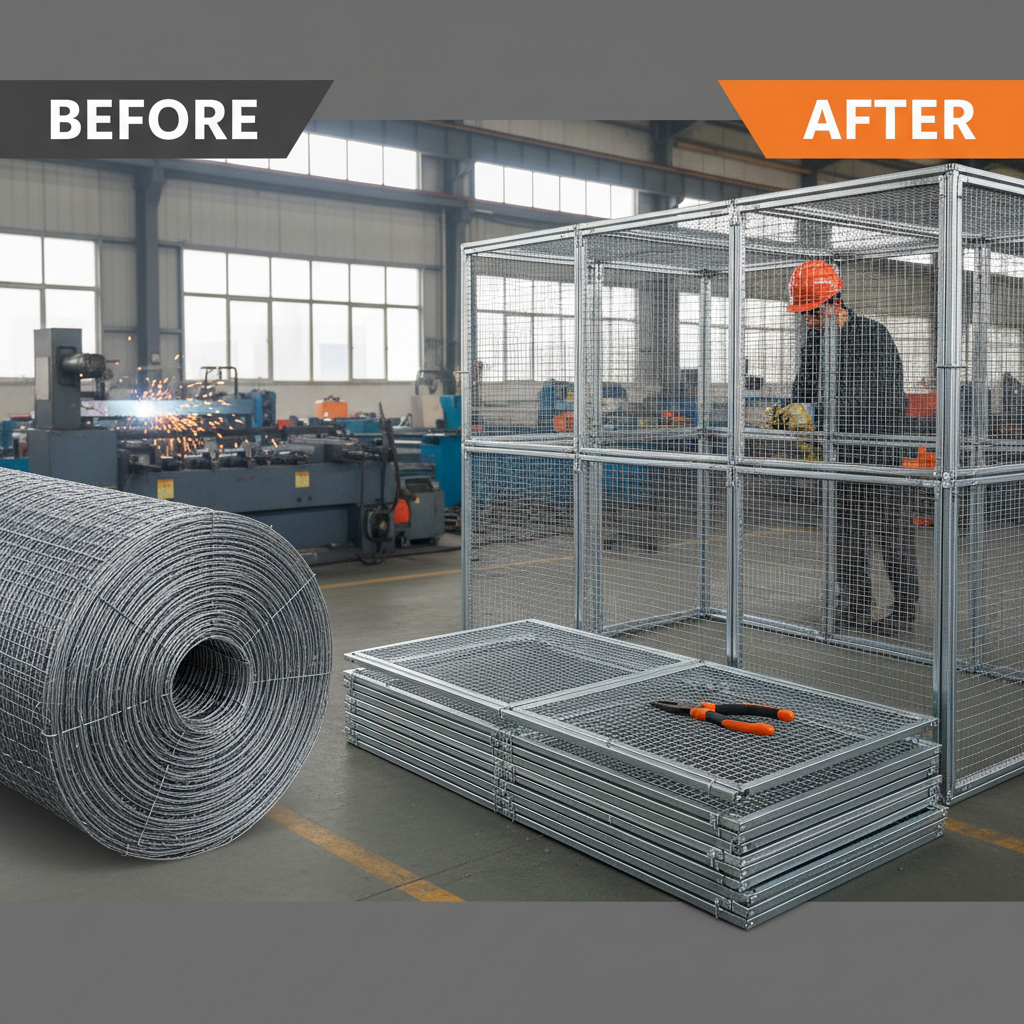
In the context of modern industry, these panels are more than just "wire cages"; they are critical components of humanitarian and industrial logistics. For example, in post-disaster zones, they are used to create emergency barriers and stable foundations for temporary shelters. Their ability to be shipped flat and expanded on-site makes them a logistical triumph in remote areas where heavy machinery access is limited.
From a manufacturing perspective, the connection to other categories like Welded Wire Mesh and Mesh Fencing is clear, yet the specifications for cage wire panels are significantly more rigorous. They require higher tensile strength and reinforced joints to ensure that the structural "box" maintains its geometry even when subjected to extreme lateral pressure from internal fills or external impacts.
Core Engineering Factors for Durability
The primary factor determining the lifespan of cage wire panels is the material coating. Zinc-aluminum alloys and hot-dip galvanization are the industry gold standards, providing a sacrificial layer that prevents the core steel from rusting. In highly acidic or saline environments, a secondary PVC or polymer coating is applied to ensure an airtight seal against corrosive elements.
Scalability and load-bearing capacity are achieved through the precise calculation of mesh aperture and wire gauge. A tighter mesh provides greater containment for smaller aggregates, whereas a wider aperture allows for larger stones and better water permeability, which is crucial for preventing hydrostatic pressure buildup behind the panels.
Lastly, the integrity of the edge selvedges and binding wires cannot be overlooked. The "seaming" process of cage wire panels ensures that the panels remain locked together under stress. High-tensile binding wires prevent the corners from splitting, which is the most common point of failure in low-quality cage systems.
Practical Performance Metrics and Comparison
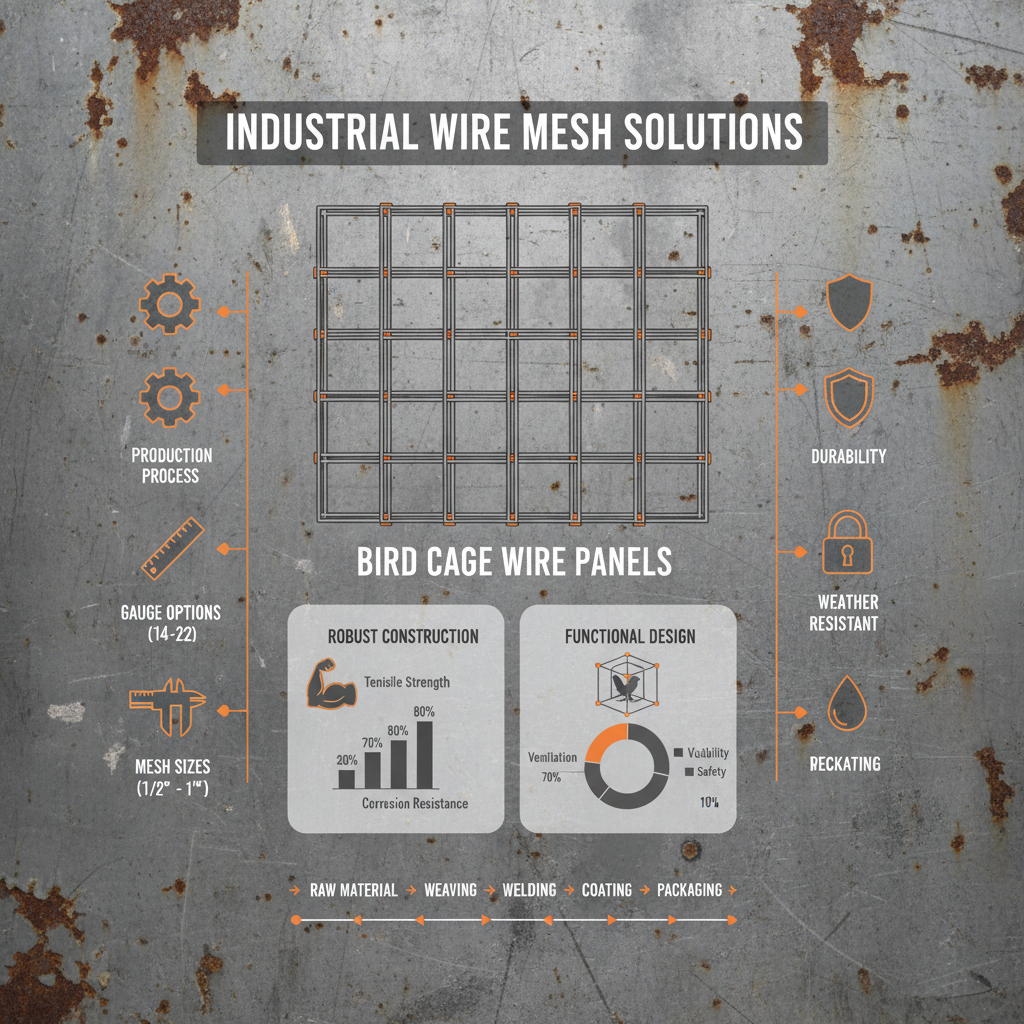
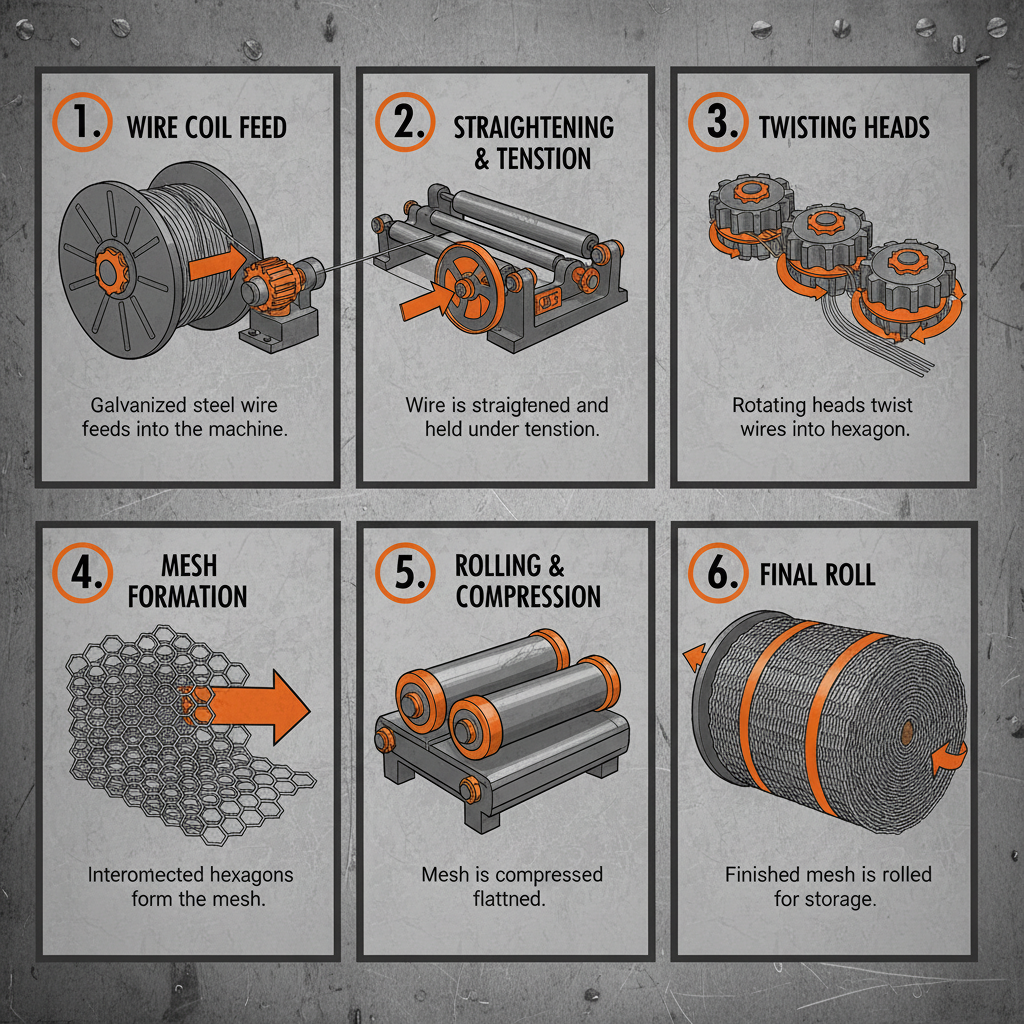
To evaluate the efficacy of different cage wire panels, engineers look at specific performance indices including tensile strength, corrosion resistance (measured in salt spray hours), and the weight-to-strength ratio. Different manufacturing methods—such as double-twisted weaving versus robotic welding—yield different results in terms of flexibility and rigidity.
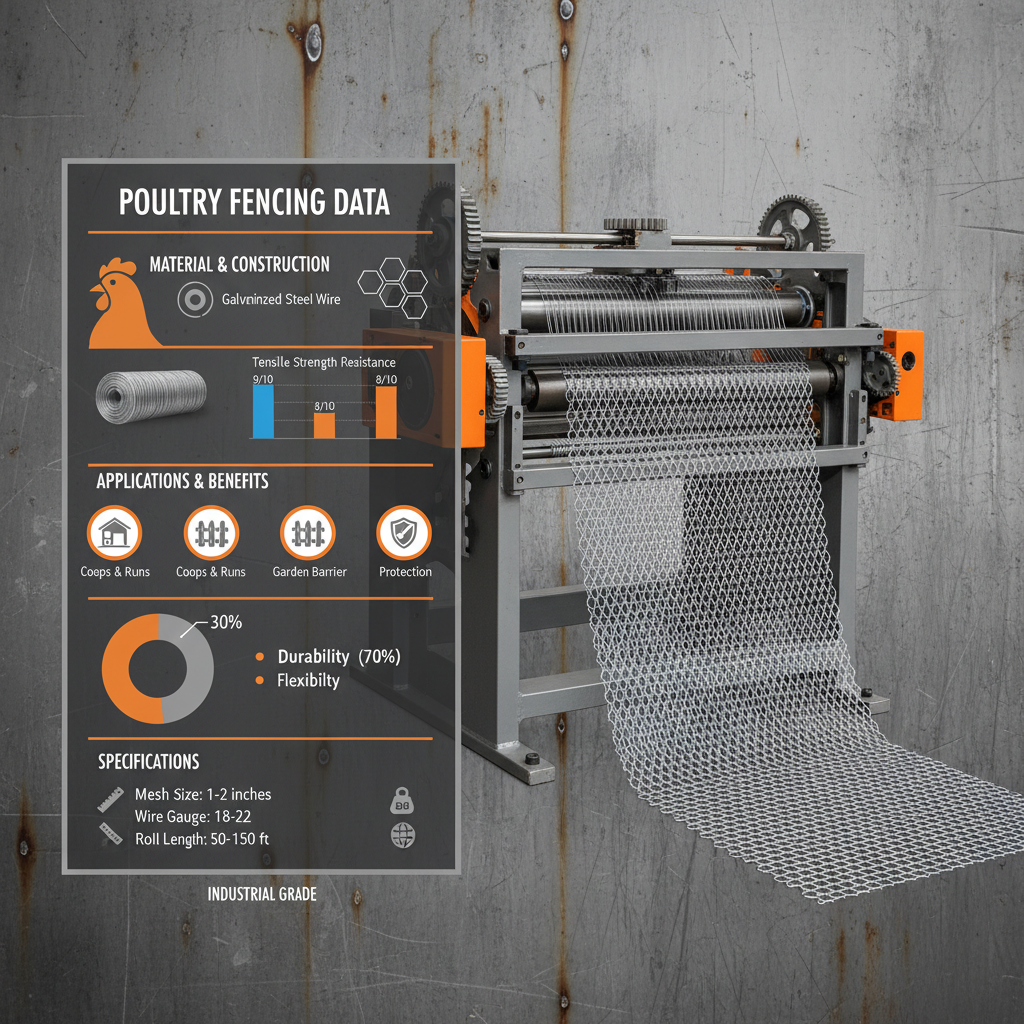
For instance, double-twisted hexagonal mesh is preferred for Gabions due to its ability to "settle" and mold to the terrain, whereas welded panels offer the absolute rigidity required for industrial equipment cages or animal enclosures. The following data illustrates the relative performance ratings across different panel types.
Performance Comparison of Cage Wire Panels Types
Global Applications and Sector Use Cases
The real-world application of cage wire panels spans several critical industries. In civil engineering, they are the primary component of Gabion baskets used for riverbank stabilization and landslide prevention in mountainous regions of Asia and South America. By filling these panels with locally sourced rock, engineers create permeable structures that slow down water flow and prevent soil erosion without the environmental impact of concrete.
Beyond infrastructure, these panels are vital in industrial safety and livestock management. In remote mining zones, they are used to construct secure storage for hazardous materials or to create protective barriers around high-voltage equipment. Similarly, in the agricultural sector, reinforced cage panels provide a balance of ventilation and security for high-value livestock, protecting animals from predators while ensuring optimal airflow.
Long-Term Economic and Sustainability Value
Investing in high-quality cage wire panels offers a compelling economic argument. While the initial cost of hot-dip galvanized or stainless steel panels may be higher than basic wire mesh, the total cost of ownership is significantly lower. The reduction in replacement frequency and the elimination of expensive annual anti-corrosion treatments make them a logically sound choice for long-term infrastructure.
From a sustainability perspective, these panels promote "green" construction. Gabion systems utilizing cage wire panels allow vegetation to grow through the mesh, integrating the structure into the natural landscape. This biological integration supports local biodiversity and reduces the heat island effect often caused by solid concrete walls.
Moreover, the recyclability of the steel used in these panels aligns with circular economy principles. At the end of a project's lifecycle, the panels can be disassembled, and the metal can be melted down and reused, ensuring that the environmental footprint of the containment system is kept to a minimum.
Future Innovations in Wire Mesh Technology
The evolution of cage wire panels is currently being shaped by advances in materials science. We are seeing the emergence of hybrid alloys that offer the strength of steel with the lightness of aluminum, reducing shipping costs and installation time. Additionally, "smart mesh" is being explored, where sensors are embedded into the wire structure to monitor structural strain or erosion levels in real-time.
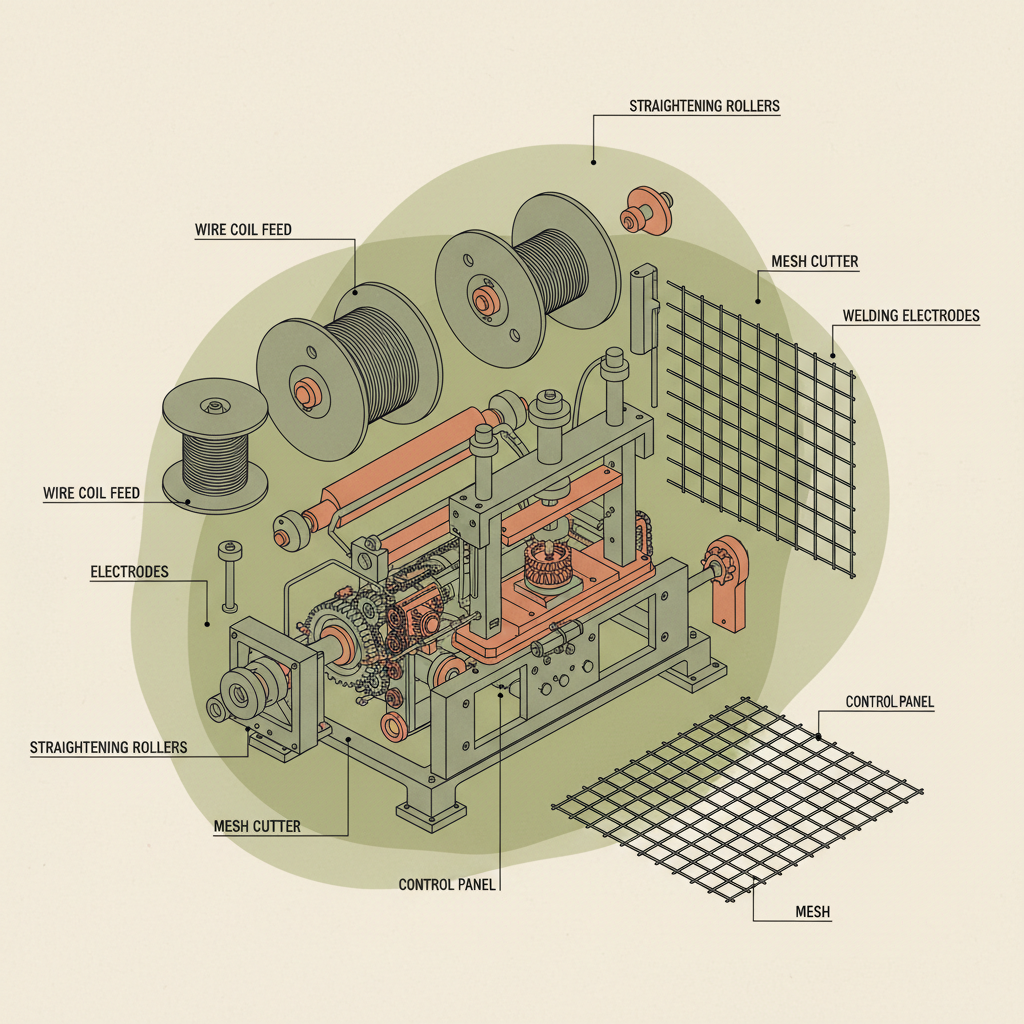
Automation in the manufacturing process is also playing a key role. Robotic welding and AI-driven quality control ensure that every joint in a cage panel is uniform, eliminating the human error that often leads to weak points. This precision allows for the creation of more complex, non-linear shapes that can adapt to specific architectural requirements.
Looking forward, the integration of eco-friendly coatings—such as bio-polymers—will further reduce the chemical impact of production. These innovations ensure that cage wire panels remain relevant in an era of strict environmental regulations and digital transformation.
Technical Specifications and Application Suitability of Cage Wire Panels
| Panel Material |
Coating Type |
Primary Use Case |
Durability Score (1-10) |
| Low Carbon Steel |
Electro-Galvanized |
Indoor Storage Cages |
5 |
| High Tensile Steel |
Hot-Dip Galvanized |
Riverbank Gabions |
8 |
| Alloy Steel |
Galfan (Zn-Al) |
Coastal Erosion Control |
9 |
| Stainless Steel 304 |
Mill Finish / Passivated |
Food Grade Containment |
10 |
| Medium Carbon Steel |
PVC Coated |
Animal Enclosures |
7 |
| Reinforced Steel |
Powder Coated |
Industrial Security Walls |
6 |
FAQS
Cage wire panels are specifically engineered for structural containment and load-bearing. While standard welded mesh is often used for partitioning or lightweight fencing, cage panels feature thicker wire gauges and reinforced edges designed to hold heavy infill materials without deformation. They are built for 3D structural integrity rather than simple 2D surface coverage.
The lifespan varies by the coating method. Electro-galvanized panels may last 2-5 years in humid conditions, but hot-dip galvanized panels typically last 10-25 years. For extreme saline environments, PVC-coated or Galfan-coated panels can extend the service life to over 30 years by providing an superior barrier against oxidation.
Yes, they are highly sustainable. When used in Gabion walls, they allow for natural drainage and the growth of indigenous plants through the mesh, which prevents soil erosion and promotes biodiversity. Additionally, the steel components are fully recyclable at the end of their utility, reducing the carbon footprint compared to concrete walls.
Absolutely. Professional manufacturers provide customization based on the intended load and the type of infill. For instance, if you are containing large rip-rap stones, a wider mesh aperture is used. For fine gravel or security purposes, a tighter mesh with increased wire diameter is recommended to ensure maximum strength and containment.
Most cage wire panels are designed as "collapsible" or "flat-pack" systems. They are shipped in stacked bundles and are expanded and laced together on-site. This significantly reduces the volume of cargo, allowing more units to be transported per container, which lowers the overall logistics cost for international shipments.
Check for ISO certifications and specific test reports for coating thickness (zinc layer) and tensile strength. A reputable supplier should provide salt spray test results and clear specifications on the wire grade. Additionally, ensure the welding points are clean and devoid of slag, as these are the primary points where failure begins.
Conclusion
In summary, cage wire panels represent a critical fusion of materials science and structural engineering. By balancing tensile strength, corrosion resistance, and modular flexibility, these panels provide a high-performance solution for challenges ranging from environmental erosion to high-security containment. The transition toward sustainable, recyclable materials and automated manufacturing ensures that they will continue to be the preferred choice for engineers globally.
As we move toward an era of smarter and greener infrastructure, selecting the right specifications for your wire mesh solutions is no longer optional—it is a requirement for longevity and safety. We recommend prioritizing hot-dip galvanized or alloy-coated options for any outdoor deployment to maximize ROI and minimize environmental impact. For premium, industrial-grade containment solutions, visit our website: www.yszwiremesh.com