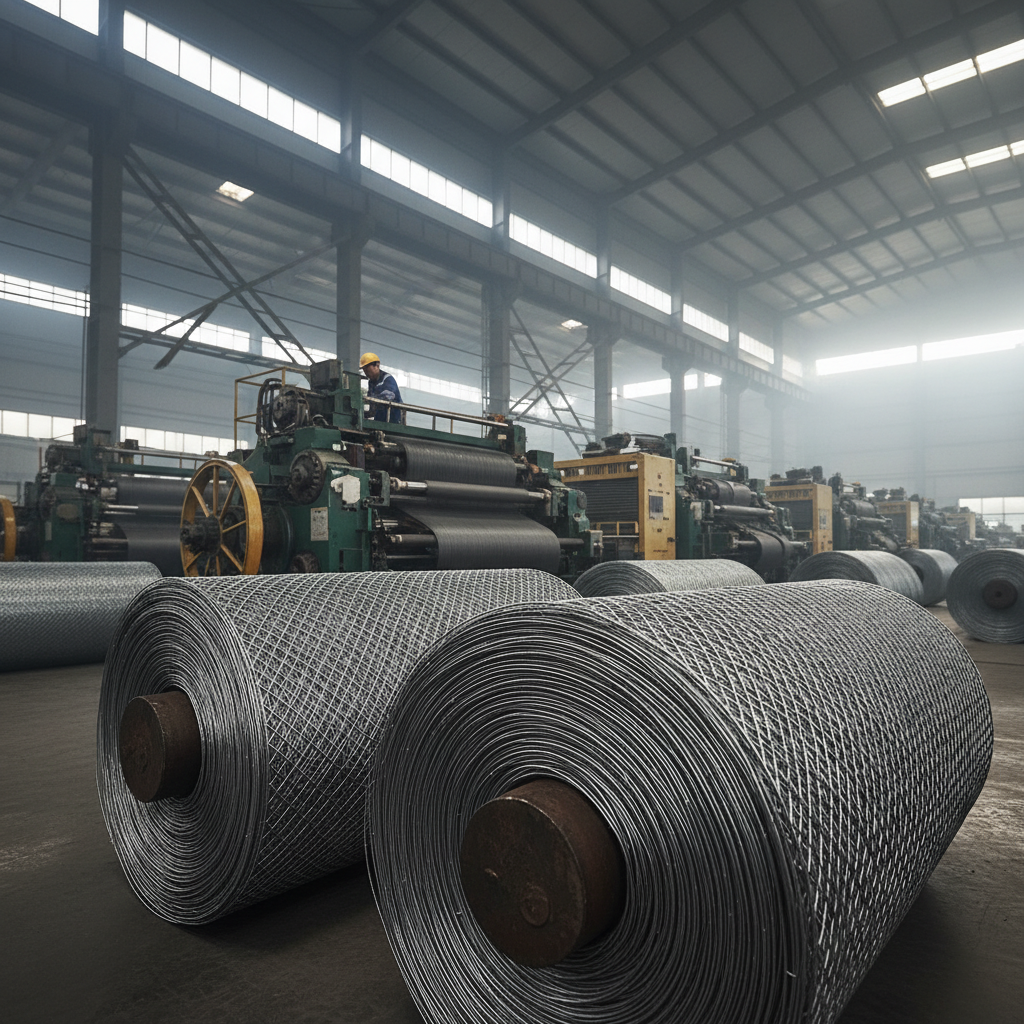
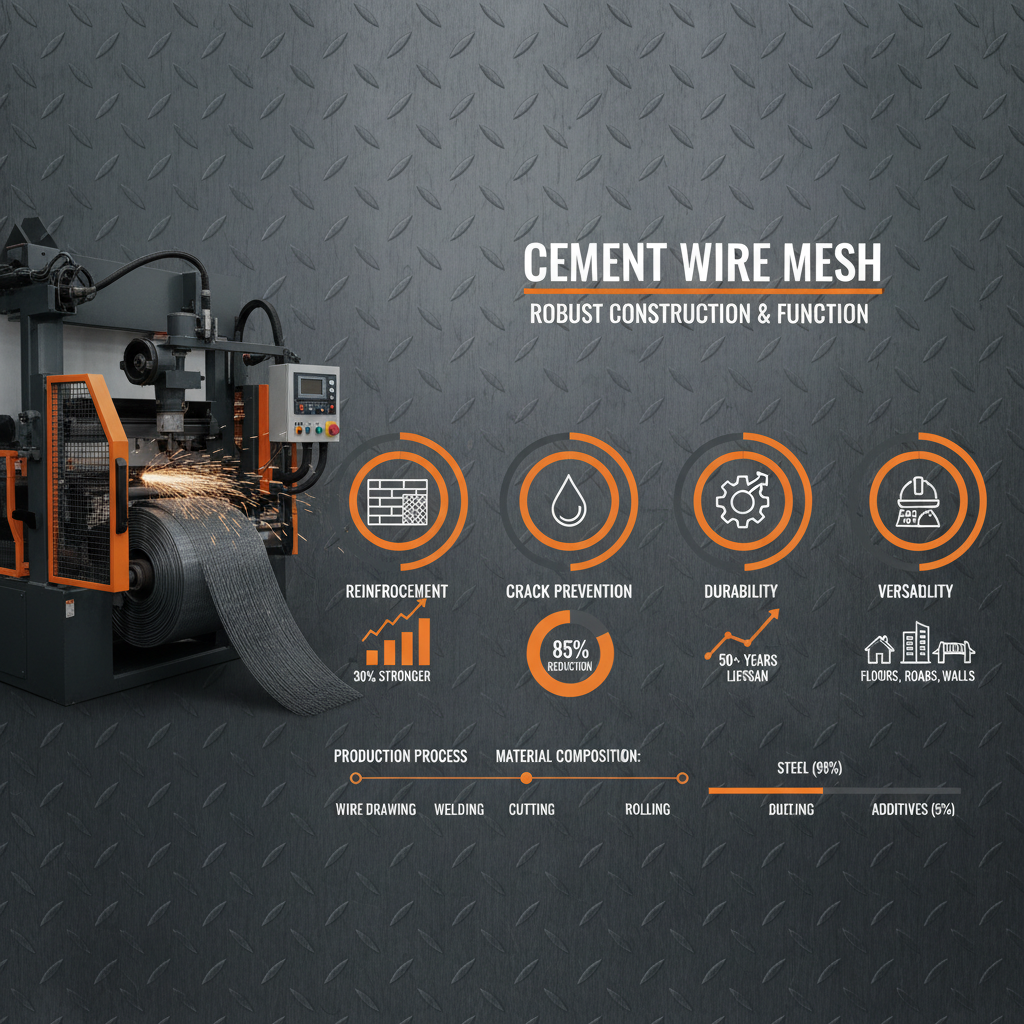
In the modern construction landscape, the integration of cement wire mesh has revolutionized how we approach structural reinforcement and durability. By combining the compressive strength of concrete with the tensile resilience of steel, this composite solution ensures that infrastructure can withstand immense pressure and environmental stress. Understanding the nuances of this material is essential for engineers and contractors aiming to optimize build times while ensuring long-term safety.
Globally, the demand for high-quality reinforcement materials is surging as urban centers expand and aging infrastructure requires critical upgrades. From high-rise foundations to industrial flooring, the strategic application of cement wire mesh prevents cracking and structural failure, directly impacting the lifespan of the built environment. Its versatility makes it a cornerstone of sustainable development, reducing the need for frequent repairs and material waste.
Whether you are managing a large-scale government project or a residential development, the choice of mesh grade and coating determines the overall success of the pour. This guide explores the technical specifications, global applications, and future innovations of cement wire mesh, providing a comprehensive roadmap for professionals seeking to enhance their construction efficiency and structural integrity.
Global Relevance of Cement Wire Mesh in Infrastructure
The global construction industry is currently facing a critical challenge: the need for rapid urbanization coupled with a demand for longer-lasting structures. According to trends aligned with ISO standards, the use of cement wire mesh has become indispensable in bridging the gap between speed and stability. By providing a prefabricated reinforcement grid, it eliminates the labor-intensive process of tying individual rebar, thereby accelerating project timelines across Asia and Africa.
Moreover, the economic impact of structural failure is staggering, often costing billions in unplanned maintenance. The integration of high-tensile wire mesh within cement matrices addresses the primary weakness of concrete—its poor tensile strength. This synergy not only secures the safety of millions of occupants in urban dwellings but also ensures that critical transport hubs can handle increasing loads without catastrophic cracking.
Defining Cement Wire Mesh and Its Industrial Purpose
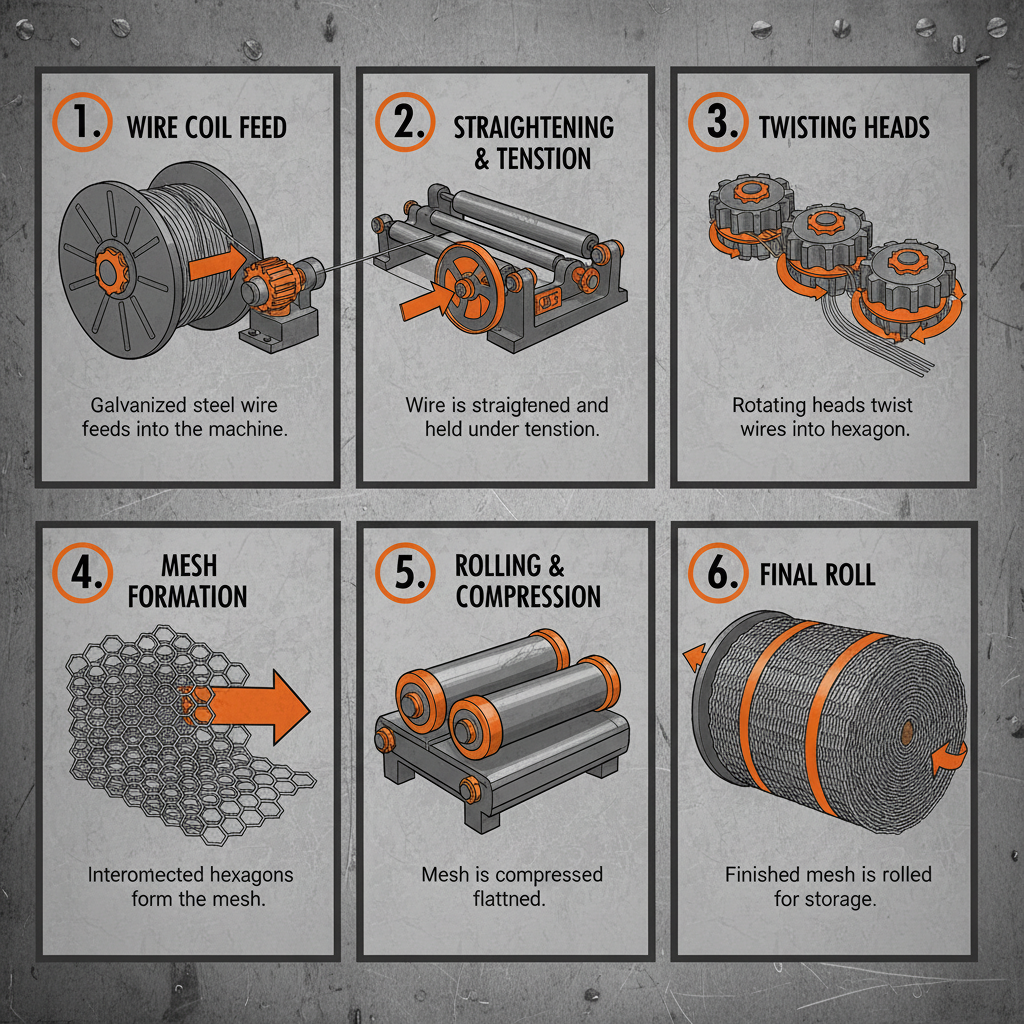
In simple terms, cement wire mesh is a factory-produced grid of longitudinal and transverse wires, welded together at intersections to create a stable, rigid framework. When embedded in concrete, this mesh acts as the "skeleton" of the structure, distributing loads evenly and preventing the concrete from pulling apart under tension. It is the primary defense against shrinkage cracks that naturally occur during the curing process.
From an industrial perspective, this material is more than just a construction aid; it is a tool for precision. Unlike manual rebar placement, welded mesh provides a consistent spacing that ensures the reinforcement is exactly where the engineers planned it to be. This consistency is vital for humanitarian needs, such as the rapid construction of low-cost housing or disaster-relief shelters, where reliability must be guaranteed despite limited on-site supervision.
The connection between this mesh and modern architecture lies in the pursuit of "slender" designs. By utilizing high-strength cement wire mesh, architects can design thinner slabs and walls that maintain the same load-bearing capacity as thicker, unreinforced versions. This leads to a reduction in overall concrete volume, contributing to a more resource-efficient building process.
Core Components for Maximum Structural Durability
One of the most critical factors in the performance of cement wire mesh is the quality of the steel wire. High-carbon steel is typically used to ensure a high yield strength, allowing the mesh to absorb significant energy without permanent deformation. The diameter of the wire and the spacing of the grid are calibrated based on the specific load requirements of the project, whether it be a light residential driveway or a heavy-duty airport runway.
Corrosion resistance is another pillar of durability. Because the mesh is embedded in an alkaline environment (concrete), it is naturally protected; however, in coastal regions or industrial zones with high salt or acid exposure, galvanized or epoxy-coated cement wire mesh is utilized. This prevents "concrete cancer," where rusting steel expands and cracks the surrounding cement from the inside out.
Finally, the welding integrity at each intersection determines the overall scalability of the reinforcement. Advanced automated welding ensures that each joint is fused perfectly, preventing the mesh from shifting during the concrete pour. This structural rigidity ensures that the reinforcement remains in the optimal position (the "tension zone") of the slab, maximizing the mechanical efficiency of the entire system.
Performance Metrics and Cost Efficiency Analysis
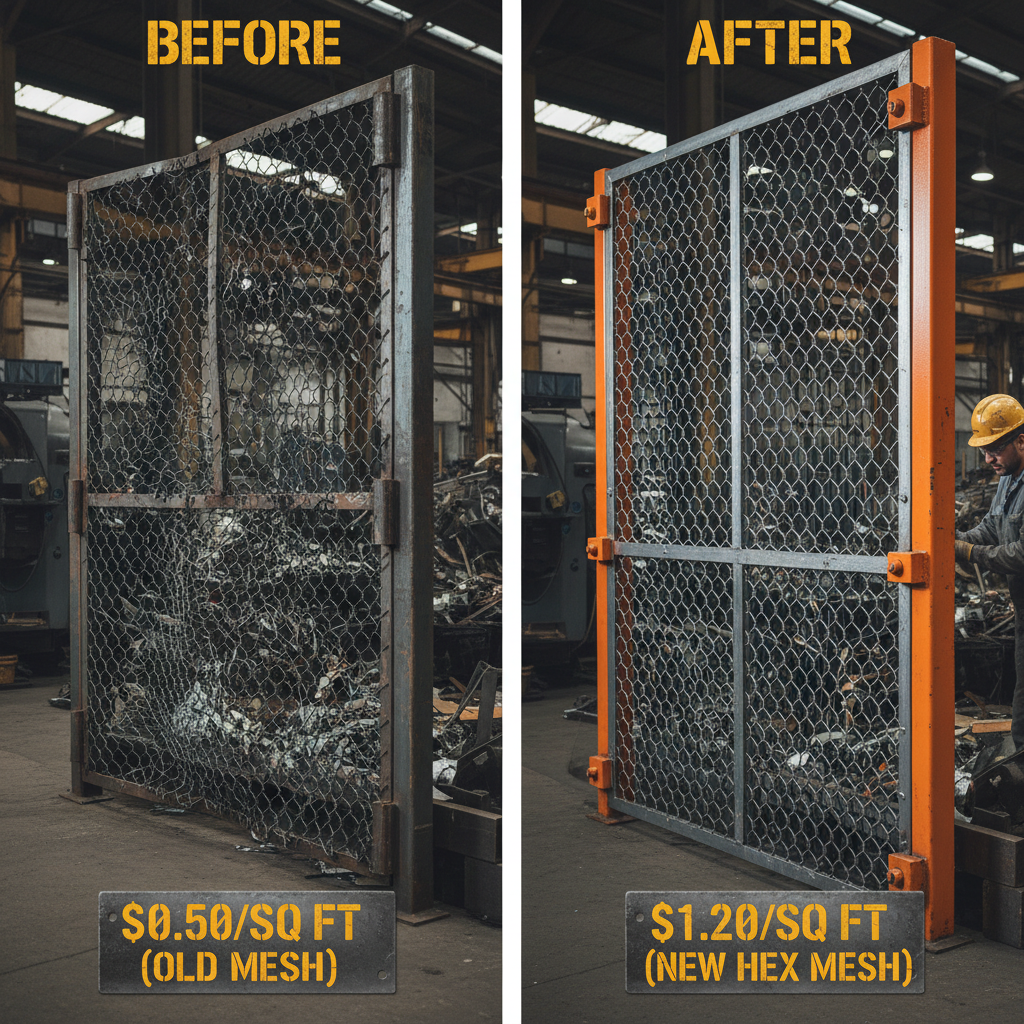
When evaluating the viability of different reinforcement methods, cost-efficiency is often weighed against structural longevity. The use of prefabricated cement wire mesh significantly reduces on-site labor costs compared to traditional rebar tying. The speed of installation allows projects to move to the finishing stage faster, reducing the overhead costs associated with site management and equipment rental.
Furthermore, the reduction in material waste is a key economic advantage. Because the mesh is manufactured to precise dimensions in a controlled factory setting, the amount of scrap steel on-site is minimized. This lean approach to construction not only lowers the direct cost of materials but also aligns with global sustainability goals by reducing the carbon footprint associated with steel production and transport.
Comparative Performance of Reinforcement Methods
Global Applications and Real-World Use Cases
The application of cement wire mesh spans various sectors, from heavy industrial infrastructure to residential landscaping. In the realm of transportation, it is extensively used in the construction of highway pavements and airport aprons, where it must withstand the repetitive, heavy loading of aircraft and freight trucks. These projects rely on the mesh to distribute stress and prevent the formation of potholes and surface cracks.
In more challenging environments, such as post-disaster relief operations, the ease of transport and installation of mesh sheets makes them ideal for rapid-deployment flooring and temporary walls. In remote industrial zones, where skilled labor may be scarce, the "lay-and-pour" nature of the mesh ensures that basic structural standards are met without requiring an army of specialized steel fixers.
Long-Term Value and Sustainability Benefits
Investing in high-grade cement wire mesh provides value that extends far beyond the initial construction phase. By significantly reducing the occurrence of structural cracks, it lowers the long-term maintenance costs and prevents premature degradation of the concrete. This reliability builds trust between developers and end-users, as the physical safety and dignity of the occupants are anchored in the quality of the invisible reinforcement.
From a sustainability angle, the use of welded mesh promotes the "build once, build right" philosophy. When a structure lasts for 50 years instead of 20, the total lifetime carbon footprint is drastically reduced. Furthermore, the steel used in cement wire mesh is often recyclable, fitting into a circular economy where materials are recovered and reused at the end of a building's life cycle.
Ultimately, the logical choice for any modern project is a material that balances immediate cost with future resilience. The peace of mind provided by a correctly reinforced slab—knowing it will not sag or crack under pressure—is a tangible benefit that translates into higher property values and lower insurance premiums over the decades.
Future Trends and Innovations in Reinforcement
The future of cement wire mesh is being shaped by the integration of smart materials and green chemistry. We are seeing a shift toward basalt-fiber reinforced mesh and stainless-steel alloys that offer near-infinite resistance to corrosion. These innovations are particularly critical for the "Green Energy" transition, as the construction of massive offshore wind turbine foundations requires reinforcement that can survive decades of saltwater exposure.
Automation and digital transformation are also playing a role. BIM (Building Information Modeling) now allows engineers to order cement wire mesh cut precisely to the geometry of the project, eliminating on-site cutting and waste. Additionally, the exploration of 3D-printed concrete combined with automated mesh placement is paving the way for complex, organic architectural shapes that were previously impossible to reinforce.
As global building codes become more stringent regarding carbon emissions, the industry is moving toward "low-carbon steel" for mesh production. By using electric arc furnaces (EAF) powered by renewable energy, the production of reinforcement mesh is becoming as sustainable as the structures it supports.
Analysis of Reinforcement Material Trends and Efficacy
| Material Type |
Corrosion Resistance |
Installation Speed |
Cost-to-Value Ratio |
| Standard Welded Mesh |
Moderate |
Very High |
9/10 |
| Galvanized Mesh |
High |
High |
8/10 |
| Epoxy Coated Mesh |
Very High |
High |
7/10 |
| Stainless Steel Mesh |
Extreme |
Moderate |
6/10 |
| Fiberglass Mesh |
Immune |
Very High |
8/10 |
| Traditional Rebar |
Moderate |
Low |
5/10 |
FAQS
The primary difference lies in installation speed and uniformity. While traditional rebar involves tying individual bars together manually, cement wire mesh is prefabricated as a grid. This ensures perfectly consistent spacing and significantly reduces labor hours on site, making it more efficient for slabs, walls, and driveways.
Choosing the gauge depends on the expected load and the thickness of the concrete. For light residential paths, a thinner wire is sufficient. However, for industrial floors or structural walls, a thicker, high-tensile wire is required. It is always recommended to consult a structural engineer to ensure the mesh meets the local building codes and the specific stress requirements of the site.
Galvanized mesh provides a significant zinc layer that protects the steel from oxidation, making it far superior to black steel in humid or corrosive environments. While no material is entirely "rust-proof" forever, galvanization drastically extends the lifespan of the reinforcement and prevents the internal expansion that leads to concrete spalling.
Yes, cement wire mesh is excellent for vertical applications. It provides the necessary lateral stability to prevent cracking during the curing process and adds structural integrity to the wall. Ensure the mesh is properly supported with spacers to maintain the correct "concrete cover" distance from the surface.
While the material cost per ton may be slightly higher due to the manufacturing process, the total project cost is usually lower. The massive reduction in labor hours and the decrease in material waste often result in a net saving of 15-30% on the total reinforcement budget for large-scale pours.
Mesh should be stored on dunnage (wooden pallets) to keep it off the ground and away from standing water or mud. If the project is long-term, covering the sheets with a waterproof tarp prevents surface oxidation. Avoid stacking too many sheets too high to prevent bending or deformation of the grid.
Conclusion
In summary, cement wire mesh stands as a vital intersection of material science and construction efficiency. By addressing the inherent tensile weaknesses of concrete, it provides a reliable, scalable, and cost-effective solution for everything from small residential projects to massive global infrastructure. The shift toward prefabricated reinforcement not only streamlines the building process but also ensures a level of structural consistency that manual methods simply cannot match.
Looking forward, the continued evolution of anti-corrosive coatings and the integration of sustainable steel production will further solidify the role of wire mesh in green building. For contractors and engineers, the priority remains the selection of high-quality, certified materials that guarantee safety and longevity. To explore the highest standards of reinforcement solutions and find the perfect mesh for your next project, visit our website: www.yszwiremesh.com.