Mar . 26, 2026 03:09 Back to list
Comprehensive Guide to Aviary Wire Selection and Applications for Bird Safety
Understanding Aviary Wire: Applications and Benefits
Aviary wire, also known as bird netting or mesh, is a crucial component in protecting birds while allowing for adequate ventilation and natural light. It's a versatile material used in a variety of applications, from large-scale commercial bird breeding facilities to smaller, personal aviaries. Choosing the right type of aviary wire depends on the species of bird, the size of the enclosure, and the desired level of security. This article will explore the different types of aviary wire, their benefits, applications, and key considerations for selecting the optimal solution. Understanding these aspects will empower you to create a safe and enriching environment for your feathered friends.
Types of Aviary Wire
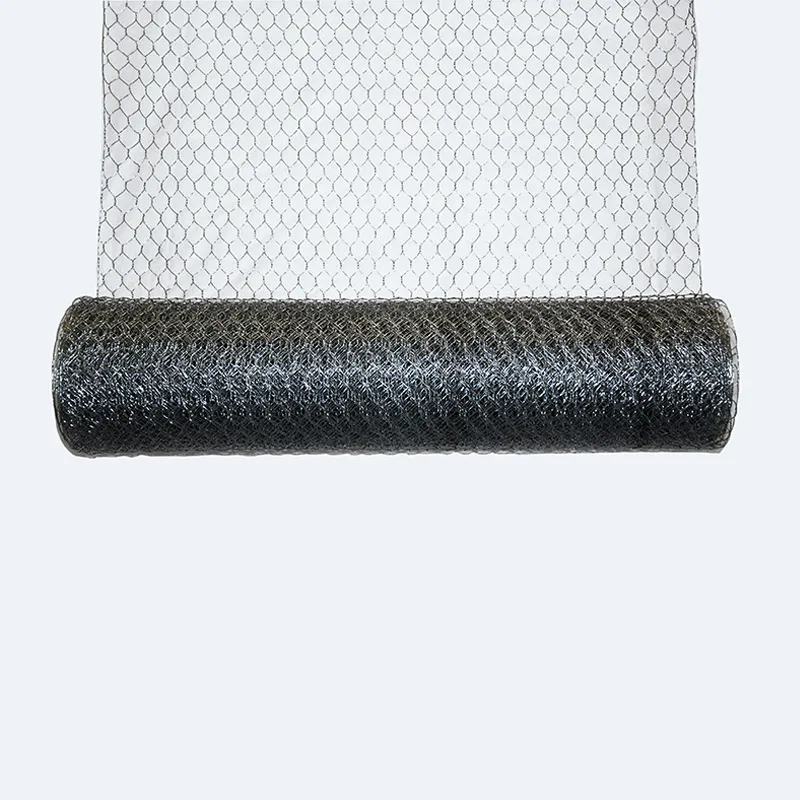
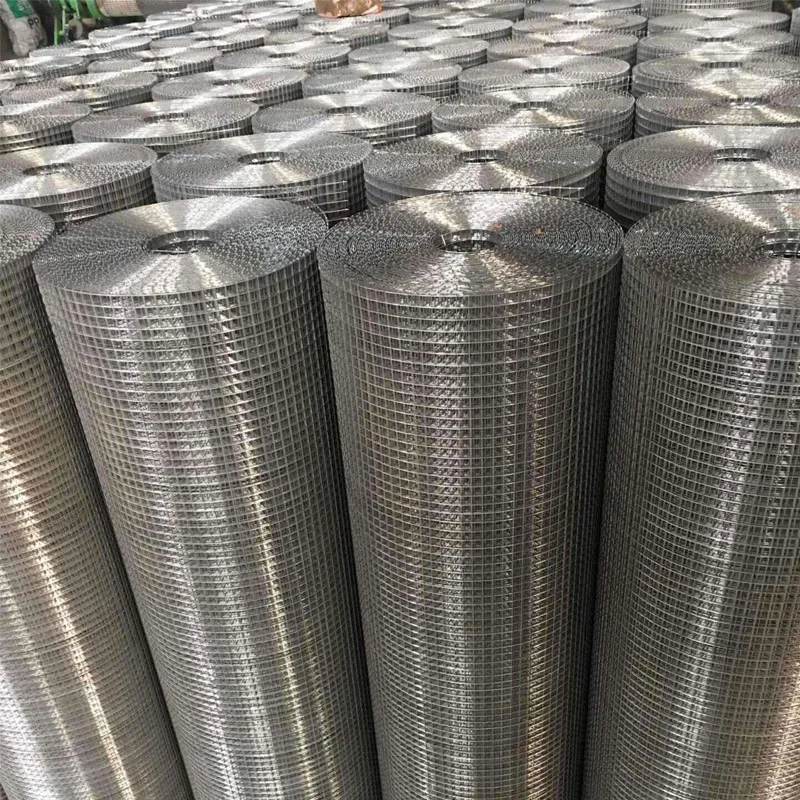
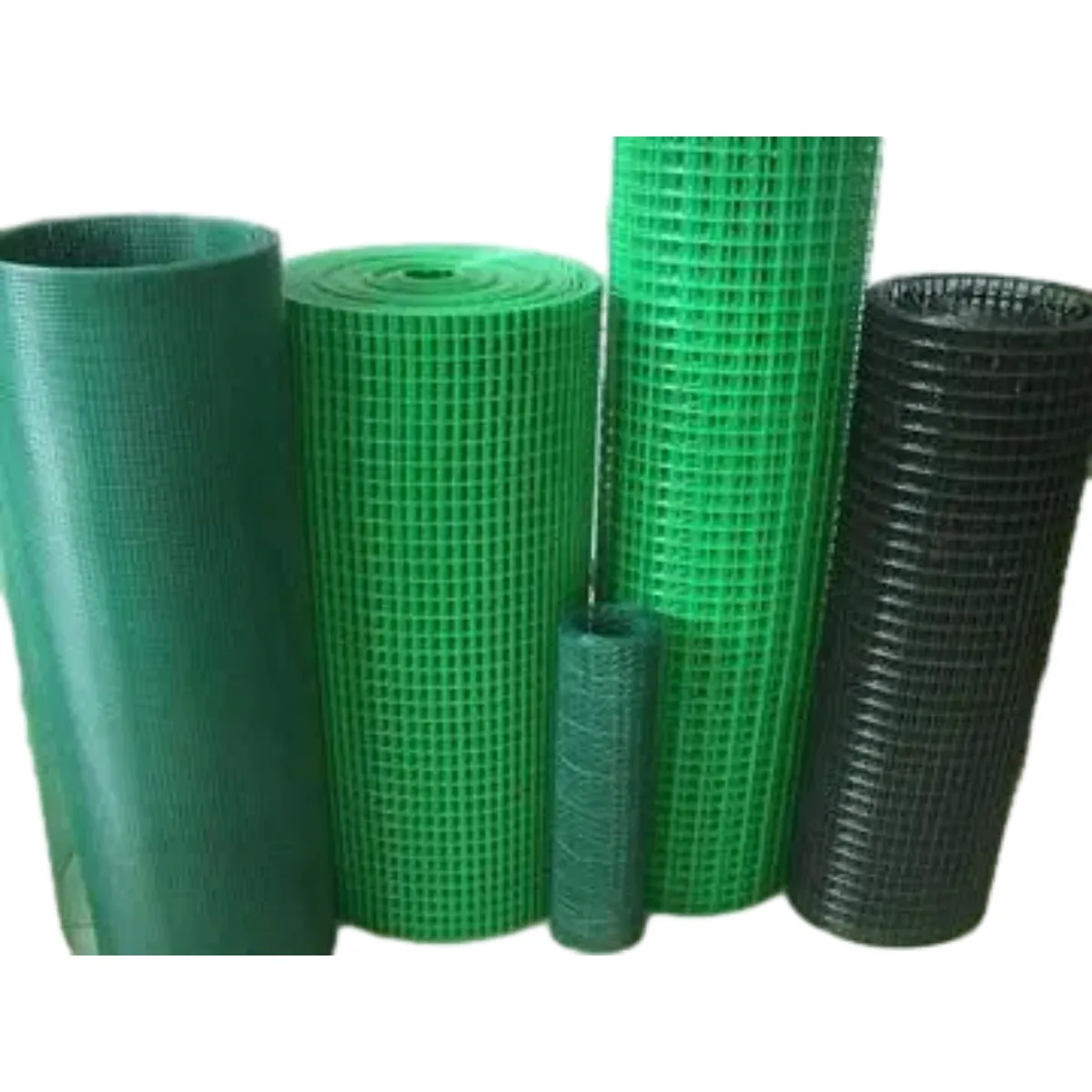
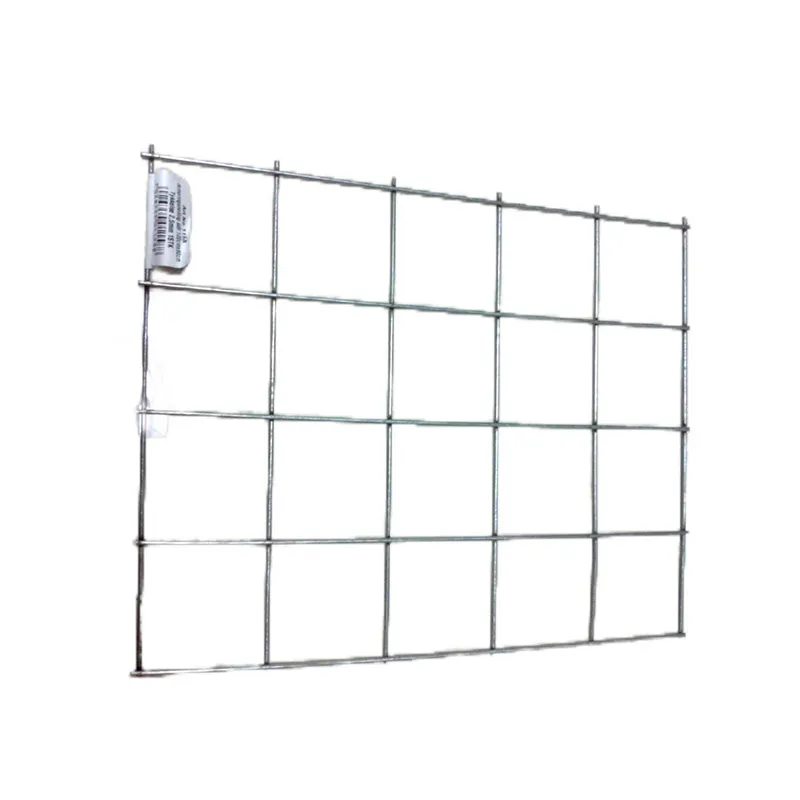
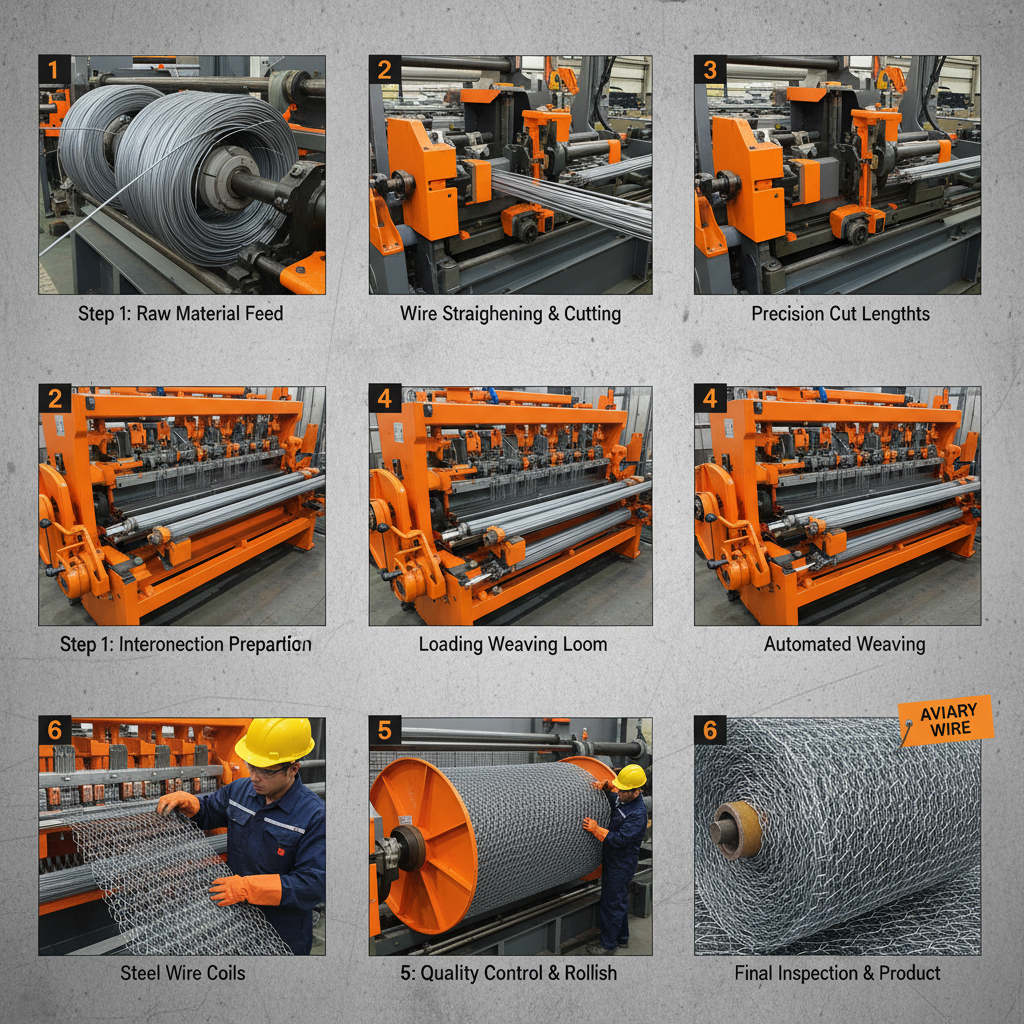
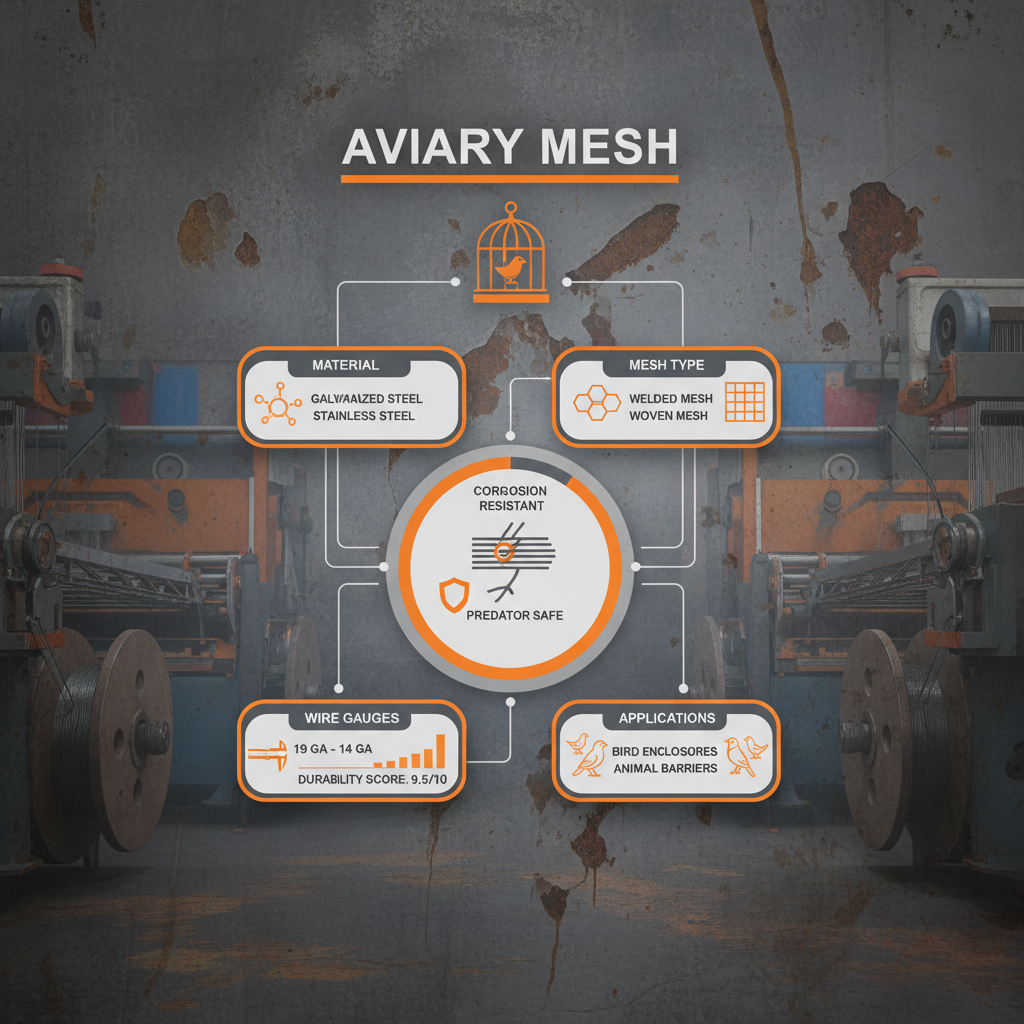
Aviary wire comes in several materials, each with its own advantages and disadvantages. The most common types include galvanized steel wire, stainless steel wire, and PVC-coated wire. Galvanized steel wire is a cost-effective option, providing good strength and corrosion resistance. Stainless steel wire offers superior corrosion resistance, making it ideal for humid environments or coastal locations. PVC-coated wire provides an extra layer of protection against corrosion and can also help to prevent birds from injuring themselves on the wire. The choice of material depends on your budget, environmental conditions, and the specific needs of your birds.
Key Takeaway: Selecting the right aviary wire material is crucial for longevity, bird safety, and cost-effectiveness.
Applications of Aviary Wire
The applications of aviary wire are diverse. It is widely used in commercial poultry farming to create secure and hygienic breeding environments. In zoos and bird sanctuaries, it provides safe and spacious enclosures for a wide variety of bird species. Hobbyists and bird enthusiasts use it to build custom aviaries in their backyards, offering their pets a natural and stimulating environment. Beyond these, aviary wire finds uses in fruit tree netting to protect crops from bird damage, and in decorative applications for garden features. The versatility of the wire allows it to adapt to a wide range of requirements.
Common Applications:
• Commercial poultry farms
• Zoos and bird sanctuaries
• Backyard aviaries
• Fruit tree protection
Aviary Wire Mesh Size and Bird Safety
Choosing the correct mesh size is paramount for bird safety. The mesh openings must be small enough to prevent birds from escaping, but large enough to allow for adequate ventilation and prevent them from getting their heads or feet trapped. Different bird species require different mesh sizes. Smaller birds, like finches and canaries, require smaller mesh sizes (e.g., 1/2 inch) compared to larger birds, like parrots and macaws (e.g., 1 inch). Using the incorrect mesh size can lead to injuries or escapes. YSM Wire Mesh offers a variety of mesh sizes to suit diverse bird species and needs.
Factors to Consider When Choosing Aviary Wire
Beyond material and mesh size, several other factors influence the best choice for your aviary. Consider the gauge (thickness) of the wire – thicker wire provides greater strength and security. Think about the coating – PVC coating adds durability and can prevent injury. Evaluate the ease of installation and maintenance. And finally, factor in the overall cost versus the long-term benefits. Choosing a reliable supplier, like YSM Wire Mesh, ensures you receive high-quality products and expert advice.
Ensuring Long-Term Durability and Maintenance
To maximize the lifespan of your aviary wire, regular maintenance is essential. Inspect the wire periodically for signs of corrosion, damage, or loose connections. Clean the wire with a mild detergent and water to remove dirt and debris. In coastal areas or humid climates, consider applying a corrosion-resistant coating annually. Promptly repair any damage to prevent it from worsening and compromising the safety of your birds. Proper installation and consistent maintenance will contribute to the longevity and reliability of your aviary wire.
Conclusion: Creating Safe and Secure Aviaries
Selecting the right aviary wire is a vital step in ensuring the safety, health, and well-being of your birds. By considering factors such as material, mesh size, gauge, and environmental conditions, you can create a secure and enriching environment. Investing in high-quality wire and implementing a regular maintenance routine will provide long-term peace of mind and a thriving habitat for your feathered companions.
Frequently Asked Questions (FAQs)
What is the best wire gauge for aviary construction?
The ideal wire gauge depends on the size and species of birds you’re housing. For smaller birds, a 16-18 gauge wire is generally sufficient. However, for larger birds or situations requiring enhanced security, a heavier 14-16 gauge wire is recommended. Thicker wire provides greater strength and resistance to damage. It's always best to err on the side of caution and choose a wire gauge that can withstand the potential force exerted by your birds.
How do I prevent corrosion of galvanized aviary wire?
Corrosion is a common issue with galvanized wire, especially in humid or coastal environments. To prevent it, consider using PVC-coated wire, which provides an extra layer of protection. Regularly clean the wire with a mild detergent and water to remove salt and other corrosive substances. In high-corrosion areas, applying a protective coating annually can significantly extend the wire's lifespan. Proper ventilation also helps to reduce moisture buildup and prevent corrosion.
Is stainless steel wire worth the extra cost?
Stainless steel wire is considerably more expensive than galvanized steel wire, but its superior corrosion resistance often justifies the investment, especially in harsh environments. It's ideal for coastal areas, humid climates, or aviaries housing birds that produce corrosive droppings. While the initial cost is higher, stainless steel wire’s longevity and reduced maintenance requirements can result in long-term cost savings.
What safety precautions should I take when installing aviary wire?
Always wear appropriate safety gear, including gloves, eye protection, and a mask to avoid irritation from wire fragments. Use wire cutters designed for the specific gauge of wire you’re working with. Be careful to avoid creating sharp edges or protruding wire ends that could injure birds. Properly secure the wire to the frame of the aviary to prevent it from sagging or becoming loose. Seek assistance if you’re unsure about any aspect of the installation process.
-
High Quality Aviary Mesh Panels for Secure Bird Enclosures
NewsApr.16,2026
-
Ultimate Guide to Choosing the Best Aviary Fencing for Birds
NewsApr.09,2026
-
Comprehensive Guide to White Chicken Wire Applications and Benefits
NewsApr.07,2026
-
Comprehensive Guide to Chicken Mesh Fencing Applications and Installation
NewsApr.04,2026
-
Comprehensive Guide to Selecting the Best Sheep Netting Fence for Your Farm
NewsMar.31,2026
-
Comprehensive Guide to Chicken Wire Netting Applications and Installation
NewsMar.28,2026