Apr . 04, 2026 03:15 Back to list
Comprehensive Guide to Chicken Mesh Fencing Applications and Installation
Understanding Chicken Mesh Fencing: A Comprehensive Guide
Chicken mesh fencing, also known as poultry netting, is a versatile and cost-effective solution for a wide range of applications, from containing livestock to protecting gardens. This article provides a detailed overview of chicken mesh fencing, covering its uses, materials, specifications, installation, and benefits. Whether you’re a farmer, gardener, or DIY enthusiast, understanding the nuances of chicken mesh fencing will help you make informed decisions for your project. We'll explore the various options available and guide you towards choosing the best fencing for your needs.
What is Chicken Mesh Fencing?
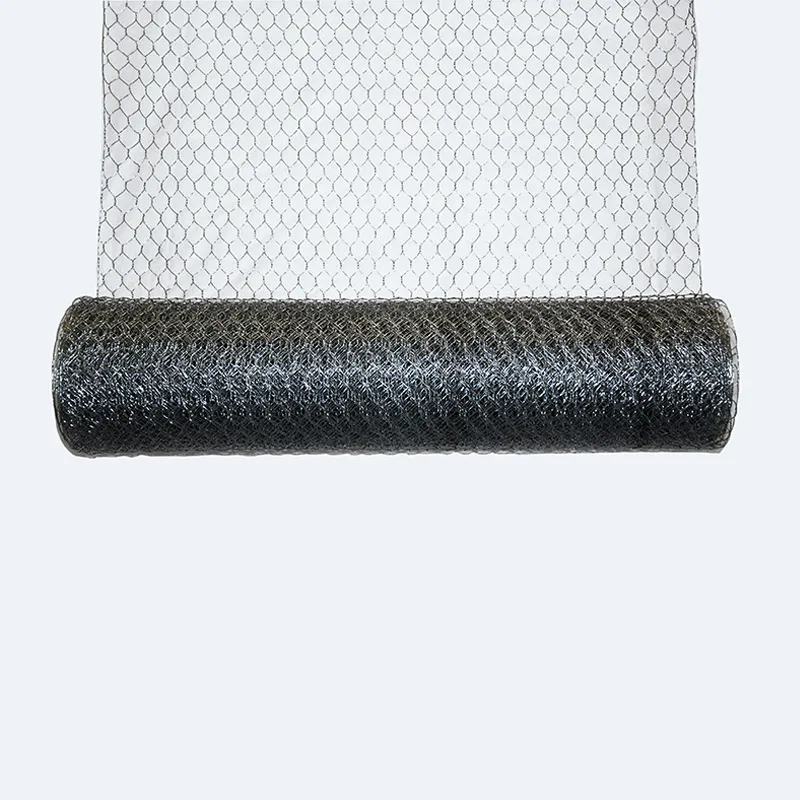
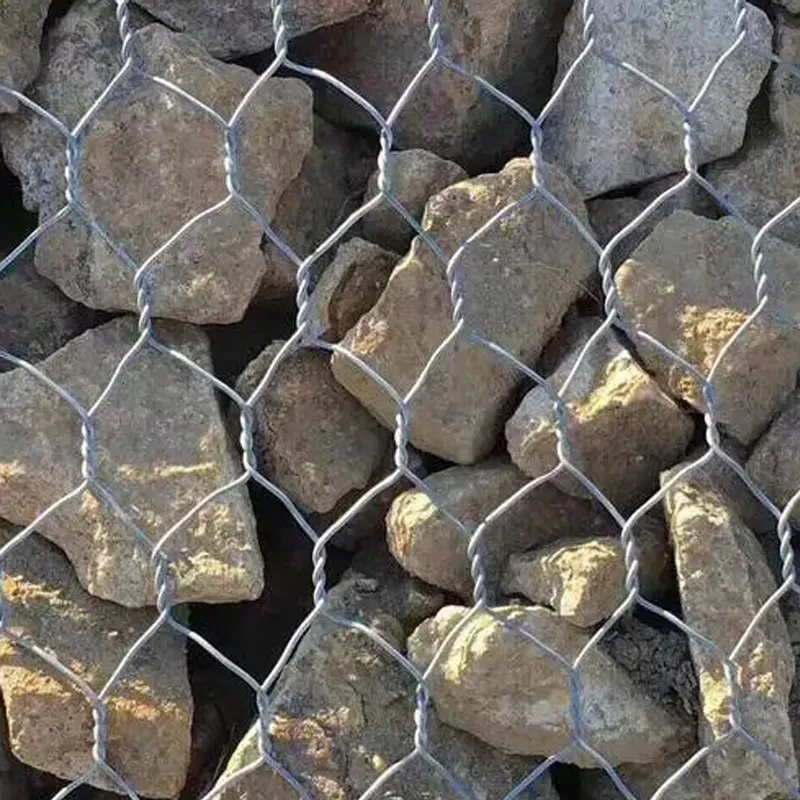
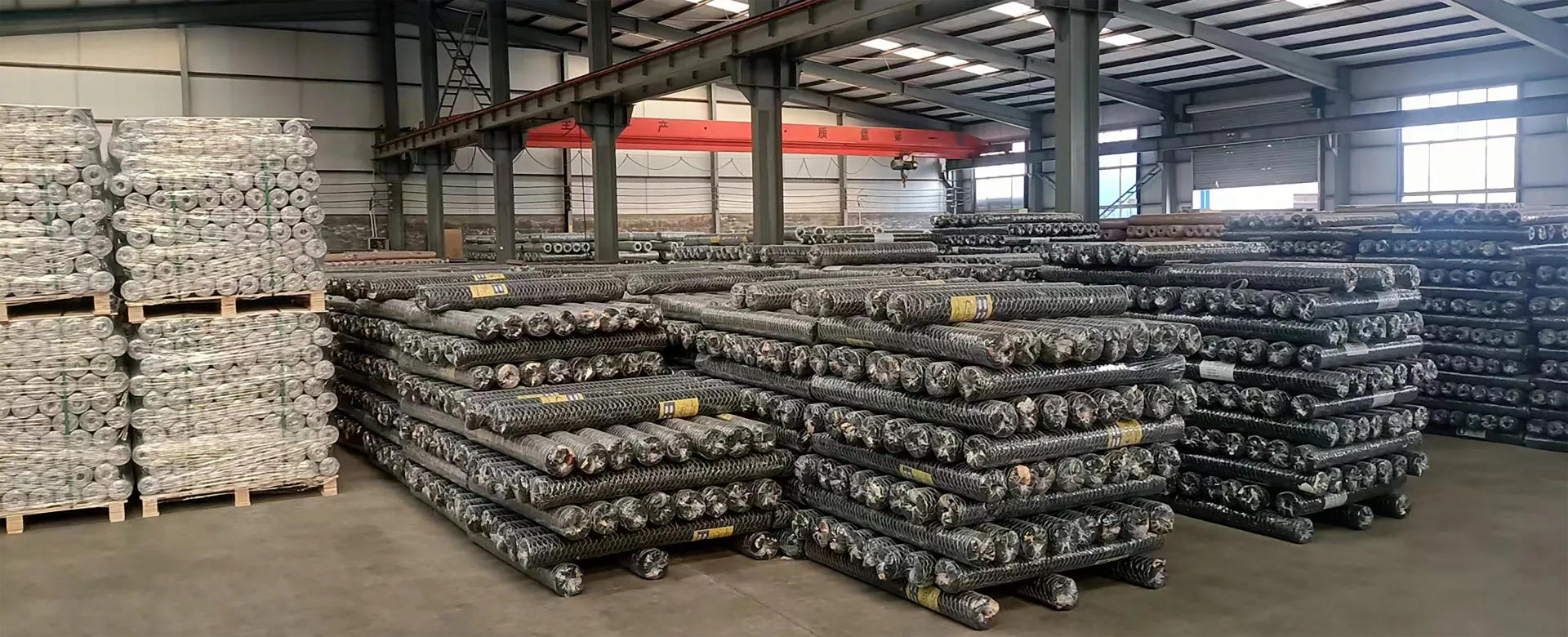
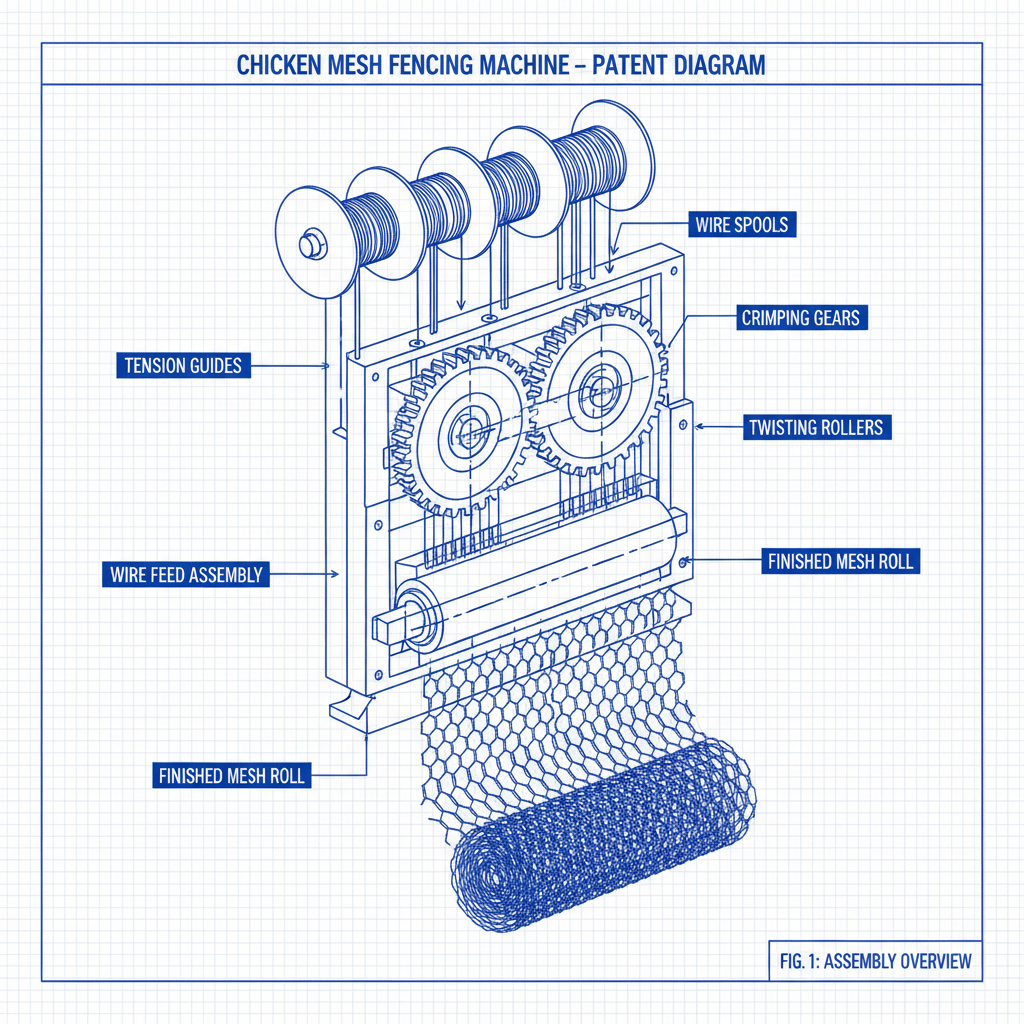
Chicken mesh fencing is a type of woven wire mesh commonly used for agricultural and residential purposes. It’s characterized by its small hexagonal openings, typically ranging from ½ inch to 1 inch. This mesh size effectively prevents poultry (like chickens) from escaping while keeping predators out. The fencing is relatively lightweight, making it easy to handle and install. Historically, it was primarily used for containing chickens, hence the name, but its applications have expanded significantly over time. YSZ Wire Mesh offers a comprehensive range of chicken mesh options.
Key Highlights: Lightweight, easy to install, cost-effective, versatile for various applications, and effective for containing poultry and excluding predators.
Common Applications of Chicken Mesh Fencing
Beyond poultry containment, chicken mesh fencing serves numerous purposes. Gardeners use it to protect plants from rabbits, deer, and other animals. It's also frequently used for creating temporary enclosures for pets, crafting small animal cages, and even as a base for craft projects. In agriculture, it can be employed to protect crops, create compost bins, or build temporary livestock pens. The adaptability of this fencing makes it a popular choice for diverse needs.
Application Benefits:
• Protects gardens from pests
• Contains poultry and other small animals
• Creates temporary enclosures
• Versatile for craft projects
Chicken Mesh Fencing: Materials and Specifications
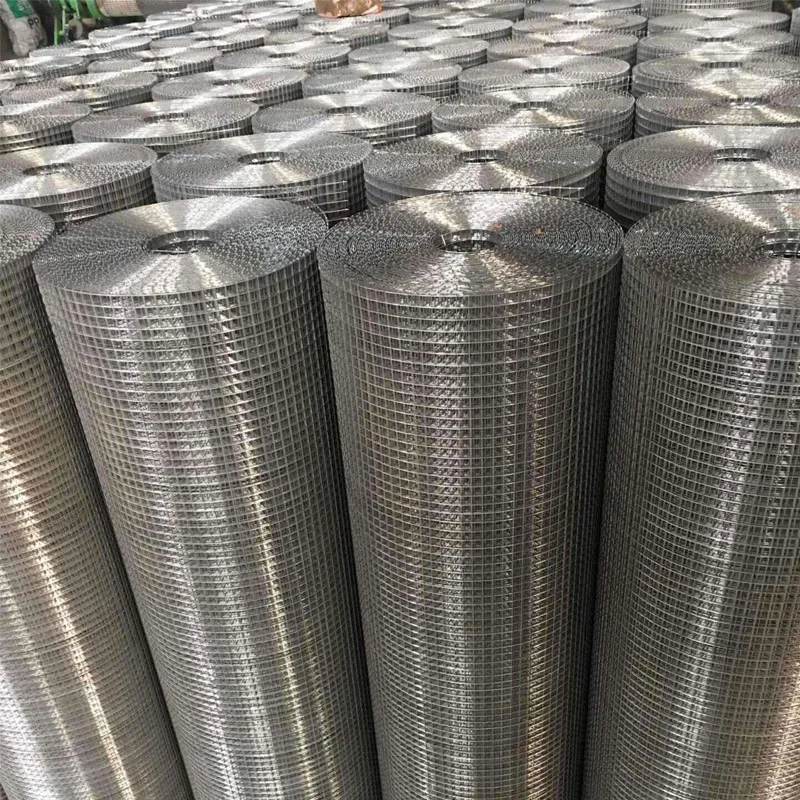
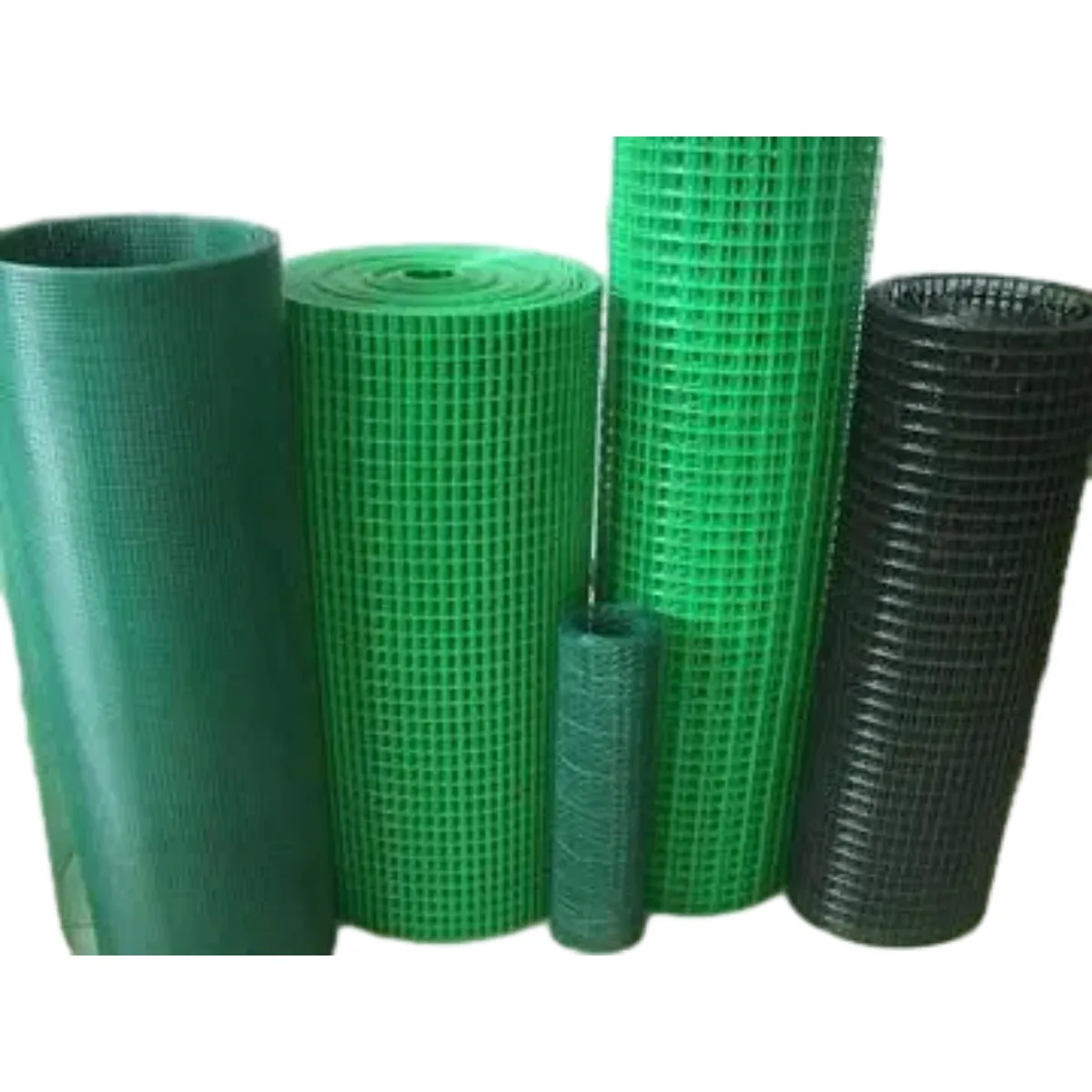
Chicken mesh fencing is commonly made from galvanized steel wire, which provides excellent rust resistance. However, it's also available in PVC-coated steel for added durability and aesthetic appeal. The gauge of the wire affects the strength of the fencing – lower gauge numbers indicate thicker, stronger wire. Common mesh sizes include ½ inch, ¾ inch, and 1 inch. The height of the fencing typically ranges from 2 feet to 6 feet, depending on the application. Explore YSZ Wire Mesh for detailed specifications.
Installation Tips for Chicken Mesh Fencing
Installing chicken mesh fencing is a relatively straightforward process. Start by driving stakes into the ground at regular intervals. Then, unroll the fencing and attach it to the stakes using fence staples, wire ties, or clips. Ensure the fencing is taut and securely fastened to prevent sagging or gaps. For added stability, consider burying the bottom edge of the fencing a few inches into the ground. Properly installed fencing will provide long-lasting protection and containment.
Benefits of Choosing Chicken Mesh Fencing
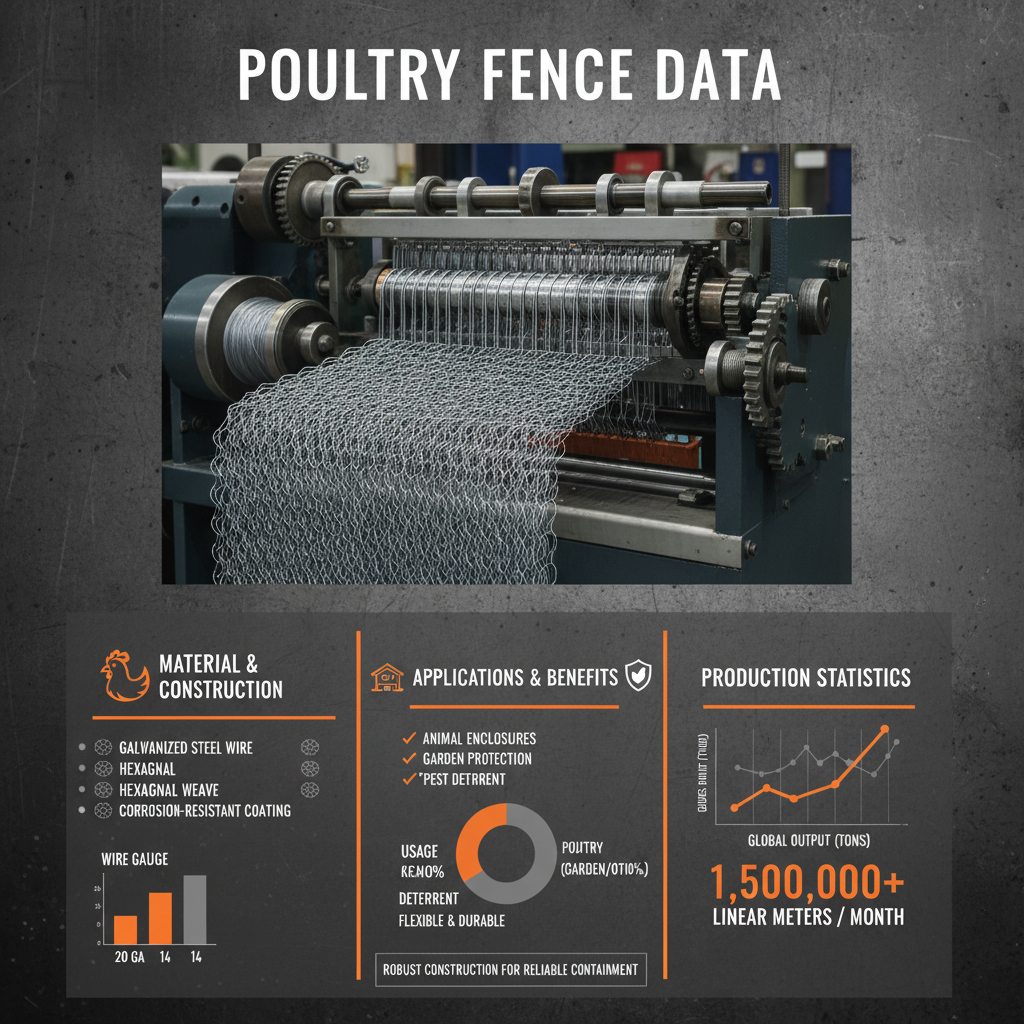
Chicken mesh fencing offers numerous advantages. It's affordable, easy to install, and highly versatile. The lightweight nature of the material simplifies handling and transportation. Its durability and resistance to rust ensure long-lasting performance. Furthermore, the mesh size provides effective protection against a wide range of pests and predators. Choosing high-quality chicken mesh from a reputable supplier like YSZ Wire Mesh guarantees a reliable and cost-effective fencing solution.
Conclusion: A Practical and Reliable Fencing Solution
Chicken mesh fencing is a practical, reliable, and cost-effective solution for a variety of fencing needs. From protecting gardens and containing poultry to creating temporary enclosures, its versatility makes it a valuable asset for farmers, gardeners, and homeowners alike. YSZ Wire Mesh offers a wide selection of high-quality chicken mesh fencing to meet your specific requirements.
Frequently Asked Questions (FAQs)
What is the best gauge wire for chicken mesh fencing?
The best gauge wire depends on your specific needs and the level of security required. For containing chickens and protecting against small predators, 20-gauge wire is typically sufficient. However, if you need to deter larger animals or require a more robust fence, 16- or 18-gauge wire is recommended. Thicker wire offers greater strength and durability but is also more expensive. Consider the potential threats in your area when selecting the appropriate gauge.
How long will galvanized chicken mesh fencing last?
The lifespan of galvanized chicken mesh fencing varies depending on environmental conditions. In general, galvanized steel can last for 10-20 years or more with proper care. However, exposure to saltwater, acidic soils, or harsh chemicals can accelerate corrosion. PVC-coated chicken mesh offers even greater longevity, typically lasting 20-30 years or longer. Regular inspection and maintenance, such as cleaning and repairing any damaged areas, can help extend the lifespan of the fencing.
Can chicken mesh fencing be used to protect against digging predators?
While chicken mesh provides a vertical barrier, it’s not always effective against digging predators like foxes or dogs. To prevent digging, you can bury the bottom edge of the fencing several inches into the ground and extend a section of mesh horizontally outwards, creating an "apron." Alternatively, you can add a barrier of rocks or concrete along the base of the fence. Combining chicken mesh with other preventative measures will provide the best protection against digging predators.
Where can I purchase high-quality chicken mesh fencing?
You can purchase high-quality chicken mesh fencing from reputable suppliers like YSZ Wire Mesh. We offer a wide range of options, including various gauges, mesh sizes, and coatings, to meet your specific needs. We are committed to providing durable and reliable fencing solutions at competitive prices.
-
High Quality Aviary Mesh Panels for Secure Bird Enclosures
NewsApr.16,2026
-
Ultimate Guide to Choosing the Best Aviary Fencing for Birds
NewsApr.09,2026
-
Comprehensive Guide to White Chicken Wire Applications and Benefits
NewsApr.07,2026
-
Comprehensive Guide to Selecting the Best Sheep Netting Fence for Your Farm
NewsMar.31,2026
-
Comprehensive Guide to Chicken Wire Netting Applications and Installation
NewsMar.28,2026