Apr . 16, 2026 03:08 Back to list
High Quality Aviary Mesh Panels for Secure Bird Enclosures
The Ultimate Guide to Selecting High-Quality Aviary Mesh Panels
Creating a safe, spacious, and secure environment for birds requires more than just a cage; it requires the right materials. High-performance aviary mesh panels are essential for preventing escapes and keeping predators at bay while ensuring maximum ventilation and visibility. Whether you are designing a professional zoo exhibit, a commercial breeding facility, or a backyard sanctuary, the choice of mesh can determine the health and happiness of your avian residents. In this guide, we will explore the technical specifications, material options, and installation best practices to help you make an informed decision.
Material Excellence in Aviary Mesh Panels
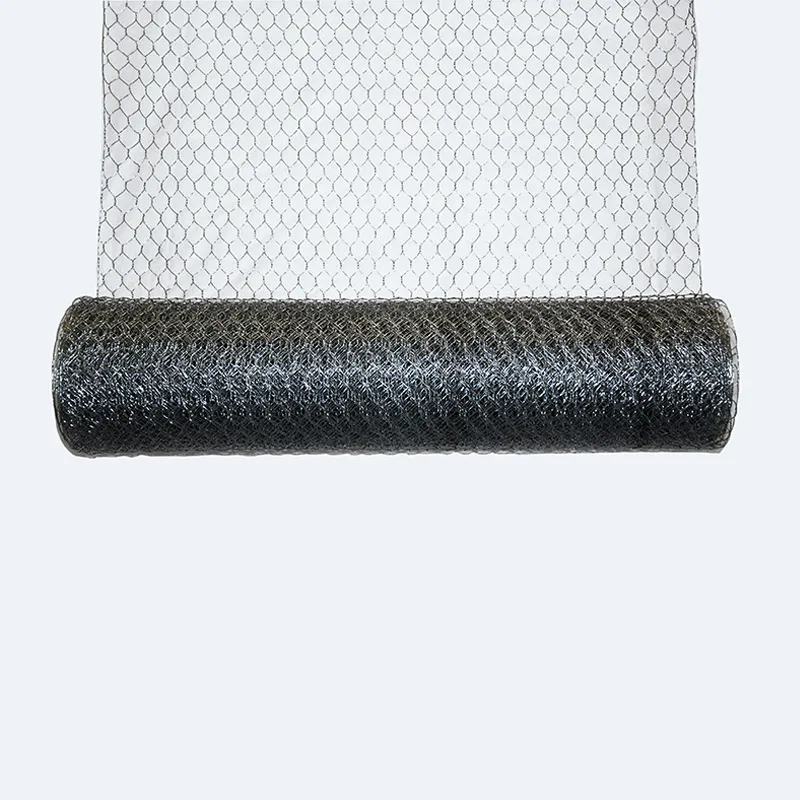
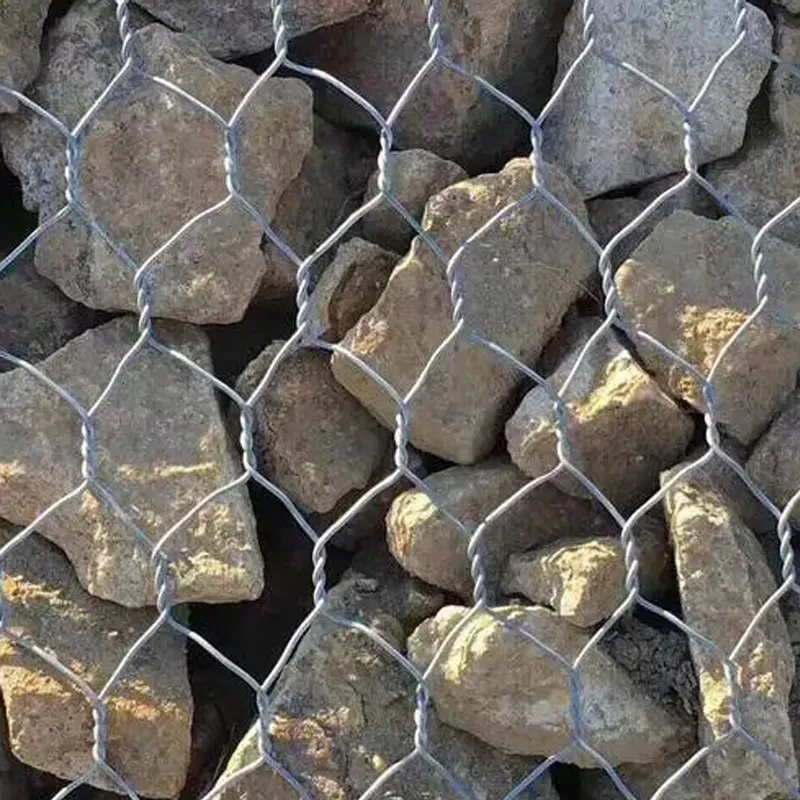
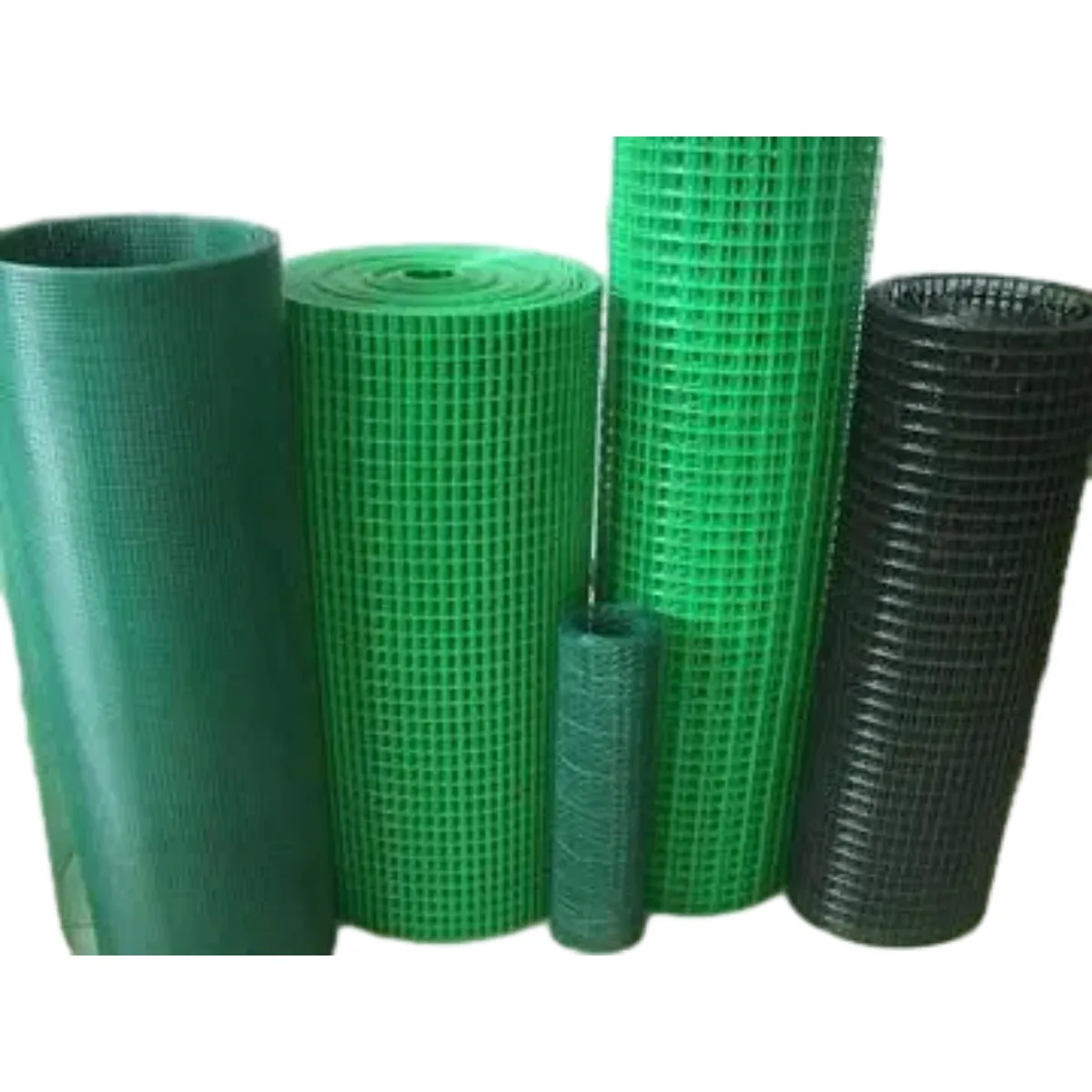
Not all wire mesh is created equal. When selecting aviary mesh panels, the material composition is the most critical factor for longevity. Galvanized steel is the industry standard due to its strength and corrosion resistance, while stainless steel is preferred for high-humidity environments or saltwater coastal areas. For those prioritizing aesthetics and lightness, PVC-coated mesh offers an additional layer of protection against rust and a softer touch for the birds. Durability is key; a panel that sags or rusts quickly becomes a safety hazard for the birds.
Pro Tip: Always check the zinc coating thickness of galvanized panels. A heavier coating ensures that the panels withstand outdoor weather conditions for decades without compromising structural integrity.
Comparing Mesh Types for Different Bird Species
Different birds have different needs. Small finches require a much tighter weave to prevent predators like snakes or mice from entering, whereas large parrots or eagles need heavy-duty, thick-gauge aviary mesh panels that can withstand powerful beaks and climbing. Using the wrong mesh size can lead to accidental injuries or escapes. Below is a detailed comparison to help you match the mesh type to your specific avian species.
Installation Tips for Aviary Mesh Panels
Installing aviary mesh panels requires precision to ensure there are no gaps or sharp edges. First, ensure your frame is perfectly square. Using heavy-duty staples or U-nails is recommended for wooden frames, while bolted clamps are ideal for metal structures. Always tension the mesh during installation to prevent sagging over time. To avoid injuries to the birds, any cut edges of the wire should be filed down or covered with a protective trim or molding. A secure perimeter at the base, often involving burying the mesh slightly underground, is also advised to stop burrowing predators.
The Advantages of Welded Mesh for Aviaries
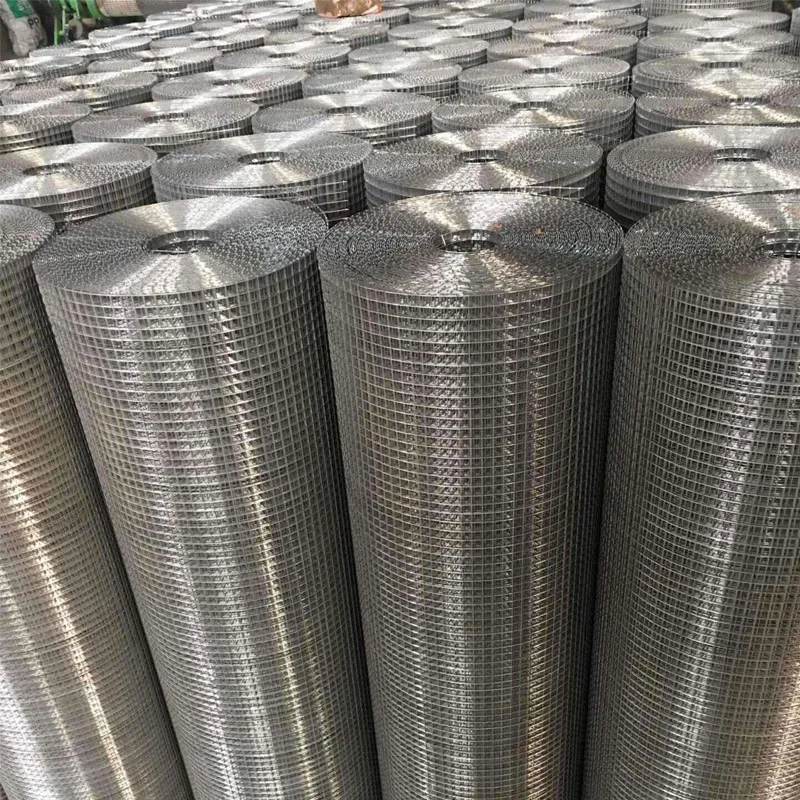
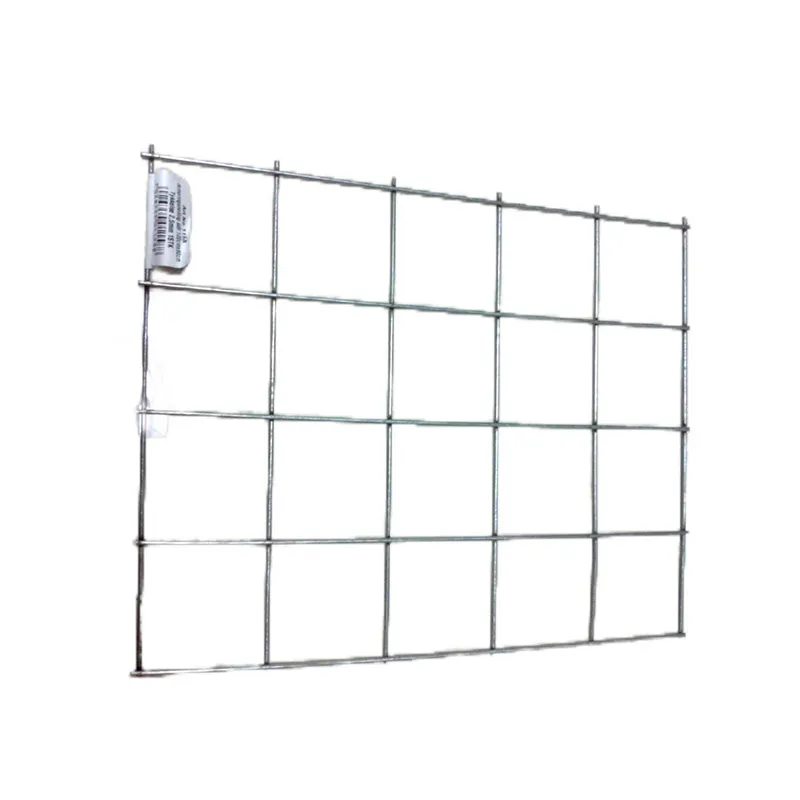
When choosing between woven and welded options, welded aviary mesh panels are generally superior for bird enclosures. Welded mesh provides a rigid structure where the intersections are fused together, meaning the holes cannot be easily stretched or shifted. This is vital for preventing "squeeze-throughs" where a bird might find a gap created by a shifting weave. Additionally, welded panels offer a cleaner look and are much easier to install in modular sections, reducing labor costs and installation time for large-scale projects.
Why Choose Welded Mesh?
• Fixed Aperture: Holes remain constant in size and shape.
• Enhanced Strength: Better resistance against physical impact.
• Easier Cleaning: Smooth surfaces make it easier to sanitize.
• Professional Appearance: Consistent grid patterns for a modern look.
Technical Specifications for Professional Aviaries
For commercial applications, adhering to strict technical standards is necessary for safety and compliance. The quality of aviary mesh panels is measured by the consistency of the wire diameter and the strength of the weld. High-quality panels should show no signs of "burrs" (sharp metal fragments) and should have a uniform coating across the entire surface. The following table outlines the standard technical specifications we provide for high-end aviary projects.
Maintaining Your Aviary Mesh for Long-Term Use
Even the highest quality aviary mesh panels require periodic maintenance to ensure they remain safe. Over time, dust, feathers, and organic waste can accumulate on the wires, which may trap moisture and lead to localized corrosion. We recommend a gentle washing with a mild detergent and water every six months. Inspect the panels for any signs of wear or damage, particularly at the joints and attachment points. If you spot small areas of rust on galvanized mesh, sanding them down and applying a cold-galvanizing spray can prevent the spread of oxidation and extend the life of your enclosure.
Conclusion: Ensuring Bird Safety with Premium Mesh
Choosing the right aviary mesh panels is a fundamental step in providing a secure and healthy habitat for birds. By focusing on the correct material, mesh size, and professional installation, you create a barrier that is both invisible to the eye and impenetrable to threats. Whether you are dealing with small songbirds or powerful parrots, investing in high-grade welded mesh ensures peace of mind for the owner and a safe space for the birds. Trust in quality materials to build a sanctuary that lasts for generations.
Frequently Asked Questions (FAQs)
Which is better: Stainless Steel or Galvanized mesh for aviaries?
The choice depends primarily on your budget and environment. Galvanized mesh is highly cost-effective and offers excellent rust protection for most standard outdoor environments. However, Stainless Steel is the gold standard for extreme conditions, such as high-salinity coastal areas or professional zoos where the highest hygiene and durability standards are required. Stainless steel does not rust and is more resistant to the corrosive effects of bird droppings, although it comes at a higher price point. For most backyard aviaries, hot-dipped galvanized is more than sufficient.
How do I prevent predators from entering through the bottom of the mesh?
Preventing "dig-unders" is critical for bird safety. We recommend extending your aviary mesh panels at least 12 to 18 inches below the ground level. Alternatively, you can create an "L-shaped" footer where the mesh bends outward away from the enclosure and is then pinned down. This prevents predators like foxes, rats, and snakes from simply digging underneath the wall. Combining this with a concrete base or heavy paving stones around the perimeter provides the ultimate security for your birds.
Can birds chew through PVC-coated mesh?
While PVC coating adds a layer of protection and makes the mesh smoother, it is not a substitute for the strength of the underlying wire. Large parrots with powerful beaks can potentially chew through the PVC layer over time. However, the internal steel wire remains the primary structural barrier. If you have birds known for heavy chewing, we recommend using a heavier gauge welded steel mesh. The PVC coating is primarily intended for weather resistance and to prevent the birds from scratching themselves on the raw metal edges.
How can I ensure my aviary mesh is safe and doesn't cause injury?
Safety starts with the quality of the finish. Ensure you purchase panels that are properly trimmed and free of sharp burrs. During installation, always use a metal file to smooth down any edges where you have cut the wire. We also suggest using edge-trimming strips (plastic or aluminum) to cover the raw ends of the panels. Additionally, regularly check for any loose wires or "popped" welds that could snag a bird's foot or wing. Using professional-grade panels from a trusted supplier like YSZ Wire Mesh ensures that the manufacturing quality meets safety standards.
-
Ultimate Guide to Choosing the Best Aviary Fencing for Birds
NewsApr.09,2026
-
Comprehensive Guide to White Chicken Wire Applications and Benefits
NewsApr.07,2026
-
Comprehensive Guide to Chicken Mesh Fencing Applications and Installation
NewsApr.04,2026
-
Comprehensive Guide to Selecting the Best Sheep Netting Fence for Your Farm
NewsMar.31,2026
-
Comprehensive Guide to Chicken Wire Netting Applications and Installation
NewsMar.28,2026