Apr . 09, 2026 03:10 Back to list
Ultimate Guide to Choosing the Best Aviary Fencing for Birds
The Ultimate Guide to Choosing the Best Aviary Fencing
Creating a safe and stimulating environment for birds requires more than just a cage; it requires a strategic approach to containment. Selecting the right aviary fencing is critical to ensure that your avian companions are protected from predators while having enough space to fly and thrive. Whether you are a hobbyist building a backyard sanctuary or a professional zoo curator, the material, gauge, and coating of your fencing determine the longevity of the structure and the safety of the birds. In this comprehensive guide, we will explore the various options available, helping you make an informed decision that balances security with visibility.
Material Matters: What Makes High-Quality Aviary Fencing?
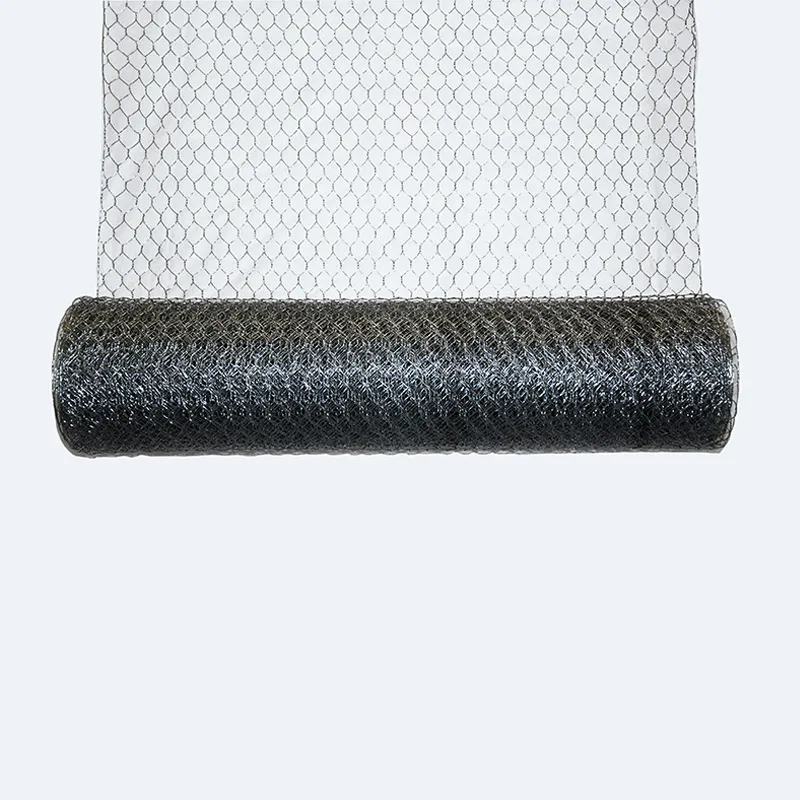
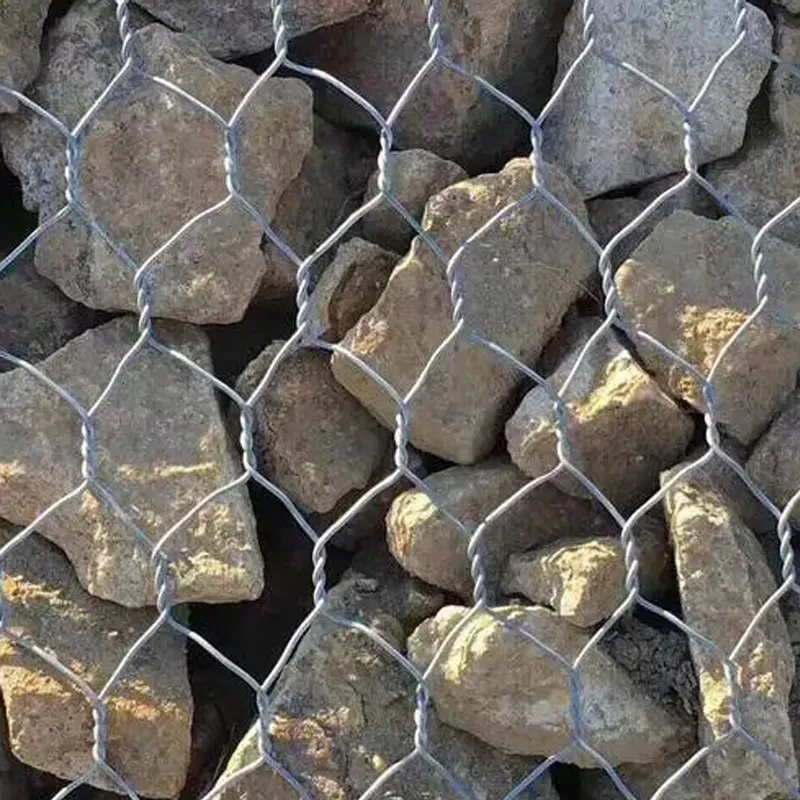
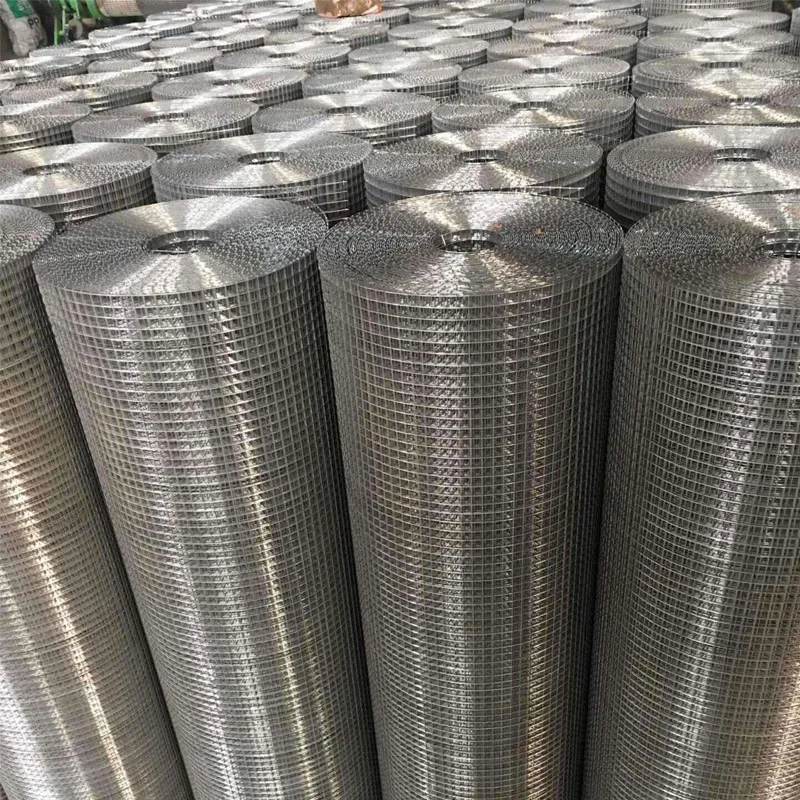
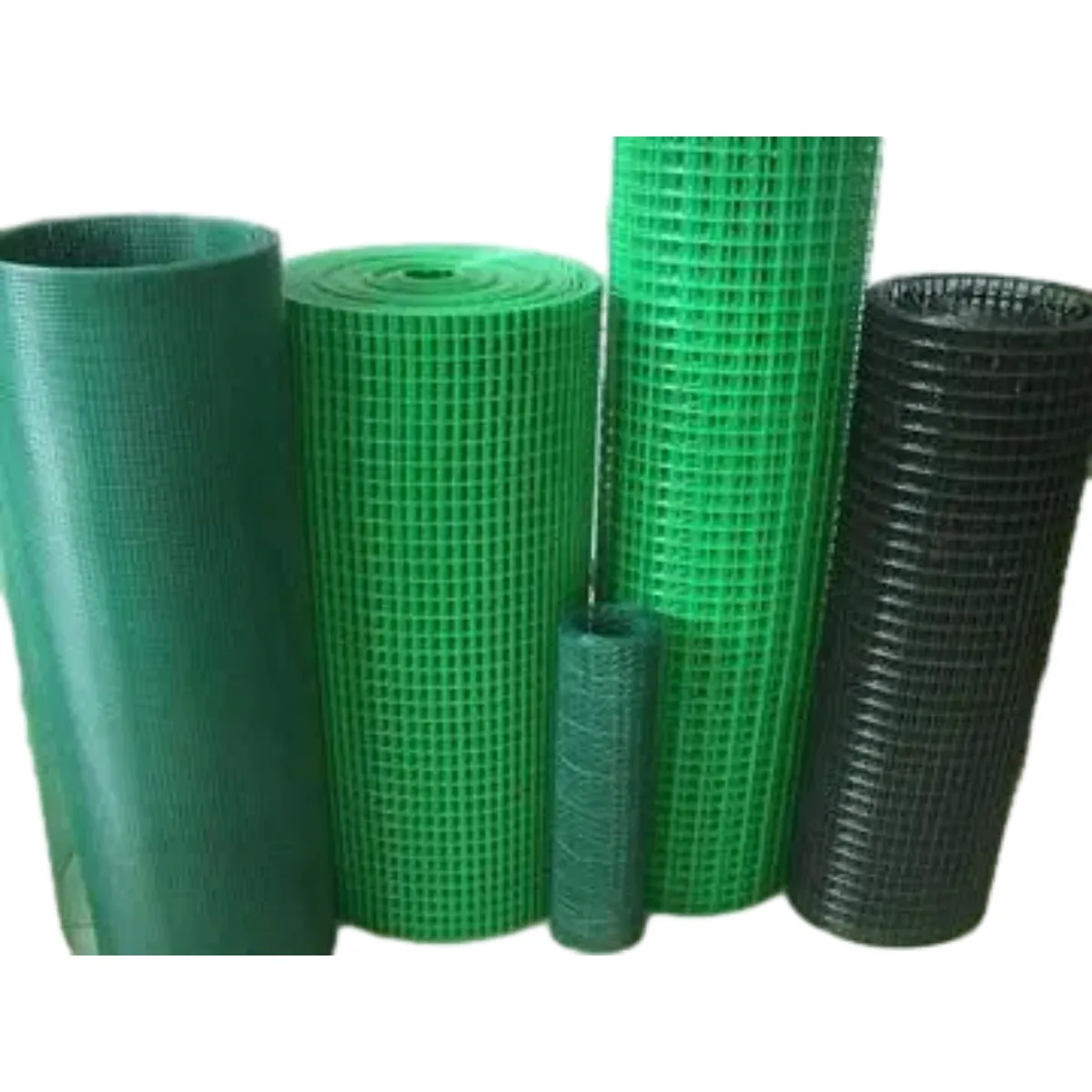
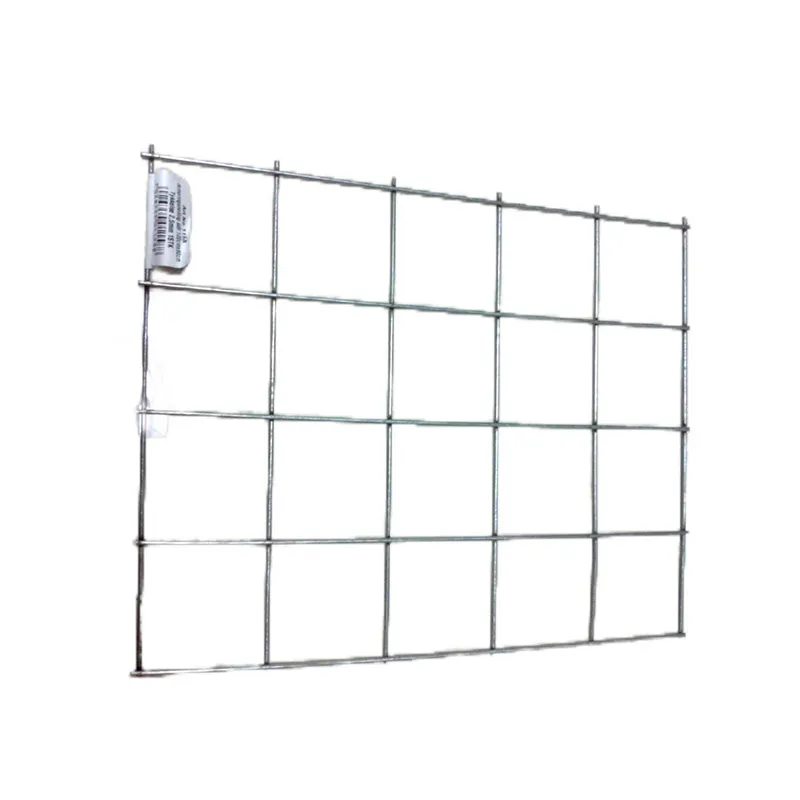
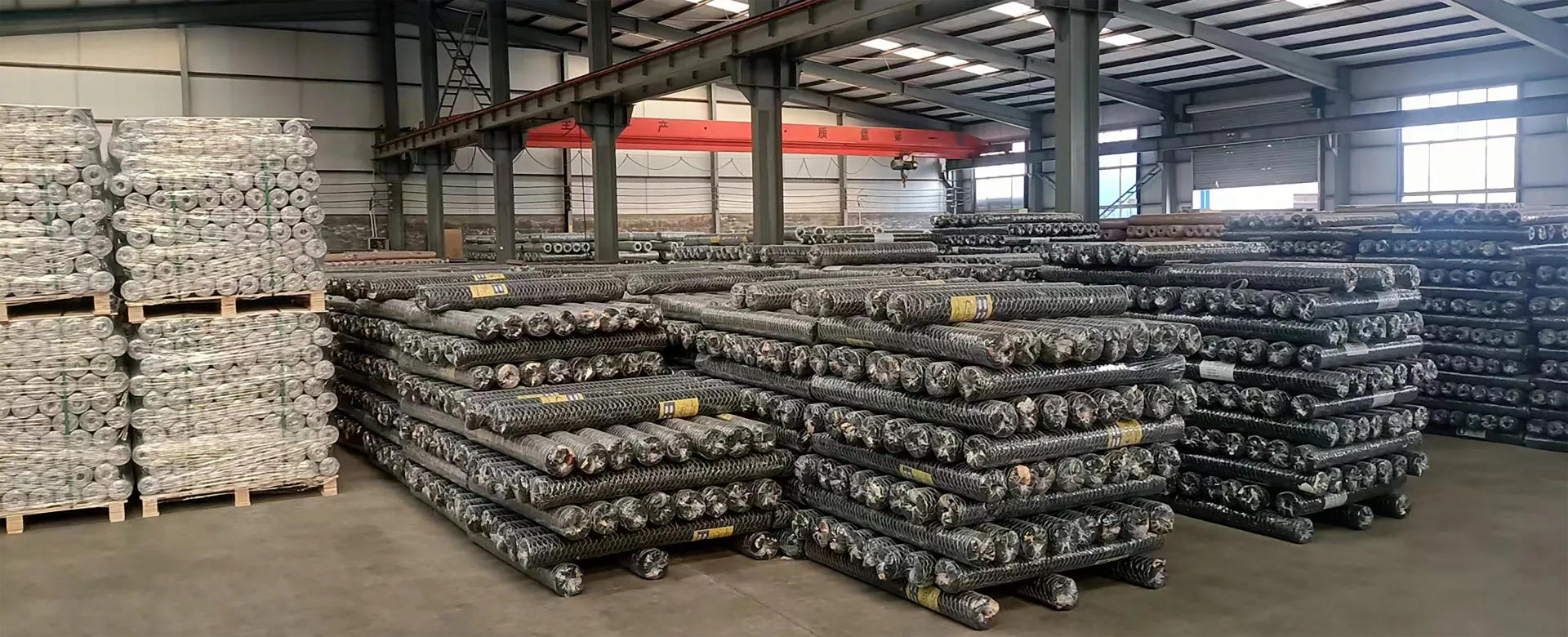
Not all wire mesh is created equal. When browsing for aviary fencing, the first consideration should be the material. Galvanized steel is a popular choice due to its immense strength and resistance to rust, making it ideal for outdoor installations. For those in coastal areas with high salinity, stainless steel offers the ultimate protection against corrosion. On the other hand, PVC-coated fencing provides an extra layer of protection, preventing birds from getting injured on sharp wire ends and adding a visual element that blends into the natural landscape. The goal is to find a balance between structural rigidity and environmental resistance.
Pro Tip: Always check the gauge of the wire. A lower gauge number indicates a thicker wire, which is essential for larger birds or areas with aggressive predators like raccoons or hawks.
Comparing Aviary Fencing Types for Different Bird Species
Different birds have different needs. A small finch requires a much tighter mesh to prevent escape and keep out insects, whereas a large macaw needs heavy-duty aviary fencing that can withstand powerful beaks. Choosing the wrong mesh size can lead to disastrous results, from accidental escapes to predators sneaking through the gaps. To help you visualize the best fit, we have compared the most common fencing types based on bird size and security levels.
Installation Best Practices for Aviary Fencing
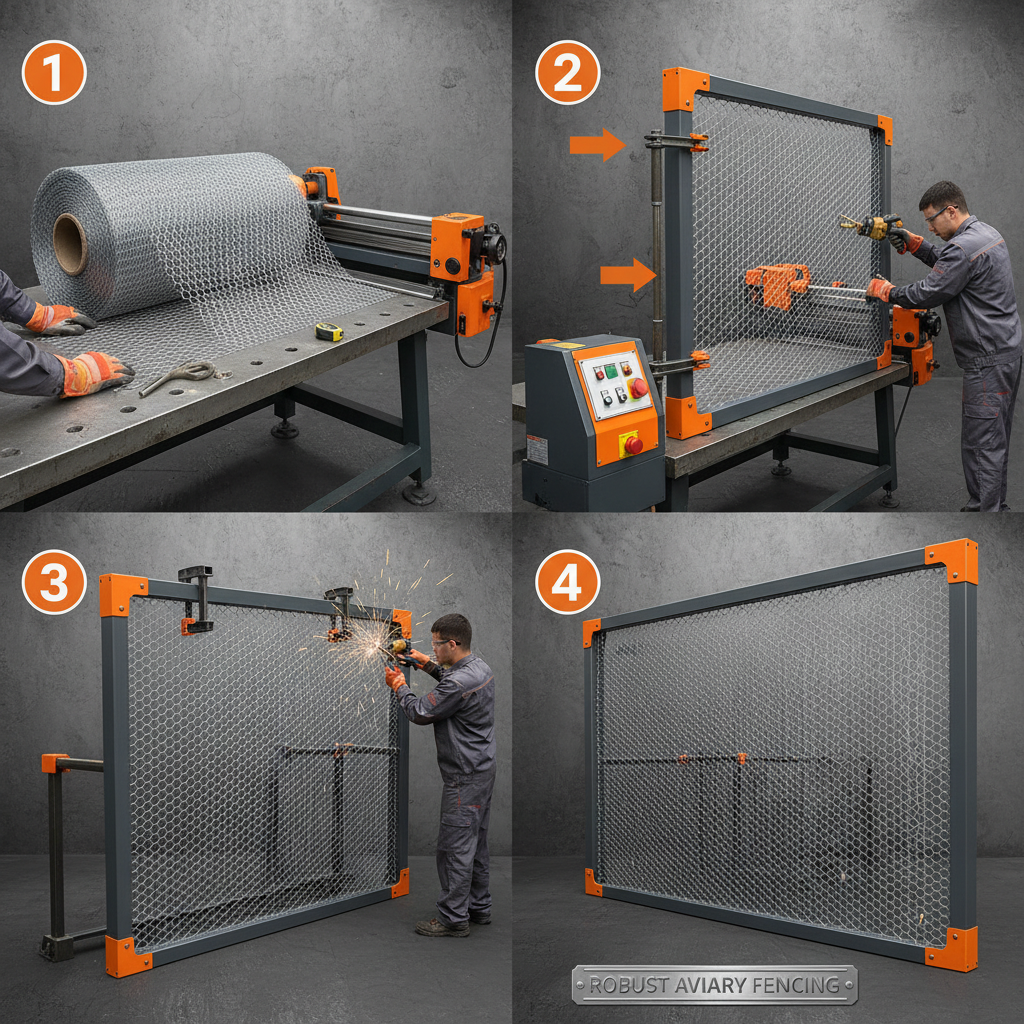
Even the strongest aviary fencing can fail if it is not installed correctly. One of the most common mistakes is failing to secure the bottom of the fence. Many predators are expert diggers; therefore, we recommend burying the mesh at least 12 inches underground or creating a concrete perimeter base. Additionally, ensure that all joints are tightly fastened with stainless steel ties to prevent the mesh from sagging over time. Using a sturdy frame—whether made of pressure-treated wood or aluminum—will provide the necessary tension to keep the fencing taut and secure.
Environmental Factors and Aviary Fencing Durability
Weathering is the primary enemy of outdoor enclosures. Humidity, rain, and UV exposure can cause standard iron wire to rust and brittle, creating weak points that birds can exploit. High-quality aviary fencing utilizes hot-dip galvanization, which creates a thick zinc layer that protects the steel core. For those living in extreme climates, choosing a powder-coated finish can provide an additional shield against the elements. Regular inspections are recommended to identify any signs of wear or oxidation, allowing for quick repairs before a breach occurs.
Technical Specifications for Industrial Aviary Fencing
For commercial facilities and large-scale breeding centers, standardization is key. Professional-grade aviary fencing is manufactured to precise tolerances to ensure uniformity across large areas. This prevents "weak spots" that could be exploited by predators. Below is a technical breakdown of the specifications typically used in professional avian enclosures to ensure maximum safety and longevity.
Safety First: Preventing Predator Infiltration
The primary purpose of aviary fencing is security. Many owners overlook the "aerial threat"—hawks and owls can easily dive through loosely woven tops. To combat this, we recommend a double-layer mesh on the ceiling of the aviary. Additionally, avoiding "gap zones" around doors and feeders is essential. Using high-tensile wire ensures that predators cannot bend or stretch the mesh to squeeze through. By combining a high-quality mesh with a secure locking system, you create an impenetrable fortress that allows your birds to remain stress-free.
Conclusion: Securing Your Avian Sanctuary
Investing in professional aviary fencing is the most important step in ensuring the health and safety of your birds. From selecting the correct material to implementing strategic installation techniques, every detail counts. By prioritizing durability, predator resistance, and bird-specific mesh sizes, you can build a sanctuary that lasts for decades. Trust in high-quality wire mesh solutions to give your birds the freedom they deserve without compromising on security.
Frequently Asked Questions (FAQs)
Which is better for an outdoor aviary: PVC-coated or Galvanized wire?
Both have advantages. Galvanized wire is generally stronger and more cost-effective for very large structures. However, PVC-coated wire is superior for bird safety as it eliminates the risk of cuts from sharp metal edges and offers an extra layer of corrosion resistance. For most home owners, PVC-coated fencing is the preferred choice for its balance of safety and aesthetics, while commercial facilities often lean toward heavy-duty galvanized or stainless steel for sheer strength.
How do I stop predators from digging under my aviary fencing?
The most effective method is the "L-footer" technique. Extend your aviary fencing 12 to 18 inches outwards from the base of the cage and pin it firmly to the ground. Alternatively, you can bury the mesh vertically into a trench. For the highest level of security, pouring a concrete slab or installing a concrete curb around the perimeter prevents any ground-based predators from accessing the interior of the enclosure.
Can I use chicken wire for a permanent aviary?
We strongly advise against using standard chicken wire for permanent aviaries. Chicken wire is designed for temporary boundaries; it is thin, easily torn by predators, and prone to rapid rusting. Professional aviary fencing, such as welded wire mesh, provides the structural integrity needed to keep birds in and predators out. Investing in proper mesh now prevents the heartbreak of a breach later.
How often should I inspect my fencing for damage?
A thorough inspection should be conducted at least once a month. Check for loose ties, sagging sections, or any signs of rust and wear. Pay special attention to the base of the enclosure and around entry points. If you notice any fraying or holes, repair them immediately using heavy-duty wire ties or by patching the area with a piece of matching mesh to ensure there are no gaps for predators to enter.
-
High Quality Aviary Mesh Panels for Secure Bird Enclosures
NewsApr.16,2026
-
Comprehensive Guide to White Chicken Wire Applications and Benefits
NewsApr.07,2026
-
Comprehensive Guide to Chicken Mesh Fencing Applications and Installation
NewsApr.04,2026
-
Comprehensive Guide to Selecting the Best Sheep Netting Fence for Your Farm
NewsMar.31,2026
-
Comprehensive Guide to Chicken Wire Netting Applications and Installation
NewsMar.28,2026