Mar . 31, 2026 03:07 Back to list
Comprehensive Guide to Selecting the Best Sheep Netting Fence for Your Farm
Understanding Sheep Netting Fence: A Comprehensive Guide
Protecting livestock is a primary concern for farmers and ranchers. Sheep netting fence, also known as sheep wire mesh, provides a reliable and cost-effective solution for containing sheep and other livestock. This article will delve into the benefits, applications, types, and installation considerations of sheep netting fence. Choosing the right fencing is crucial for animal welfare, predator control, and efficient farm management. We'll explore how YS Wire Mesh offers quality solutions for your livestock needs.
What is Sheep Netting Fence?
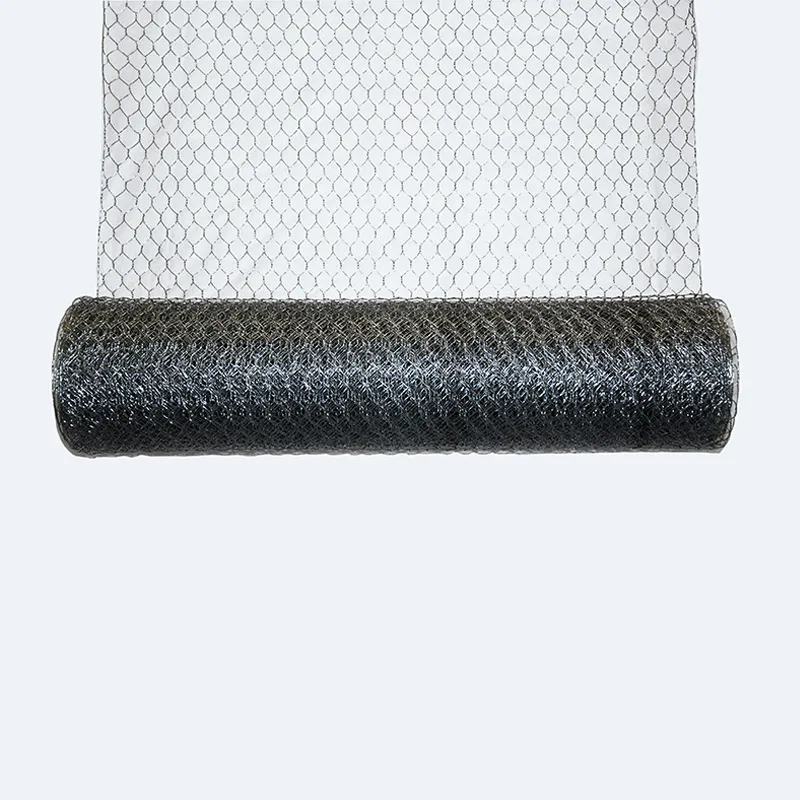
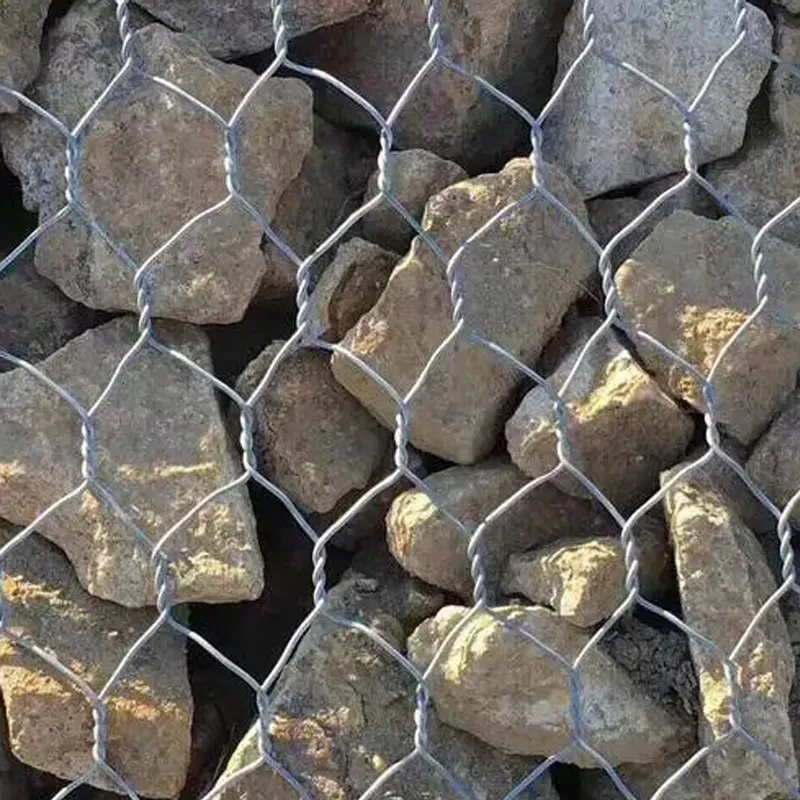
Sheep netting fence is a type of wire mesh fencing specifically designed to contain sheep. It's typically constructed from galvanized steel wire, offering excellent corrosion resistance. The mesh openings are small enough to prevent sheep from escaping, while being large enough to allow for good ventilation. The vertical wires are securely woven or knotted to horizontal wires, creating a strong and durable barrier. This type of fencing is ideal for a variety of terrain types and offers a balance between cost-effectiveness and security. At YS Wire Mesh, we offer a wide selection of sheep netting fence to suit different requirements.
Key Benefits: Durable, cost-effective, excellent corrosion resistance, prevents sheep escapes, suitable for varied terrain.
Types of Sheep Netting Fence
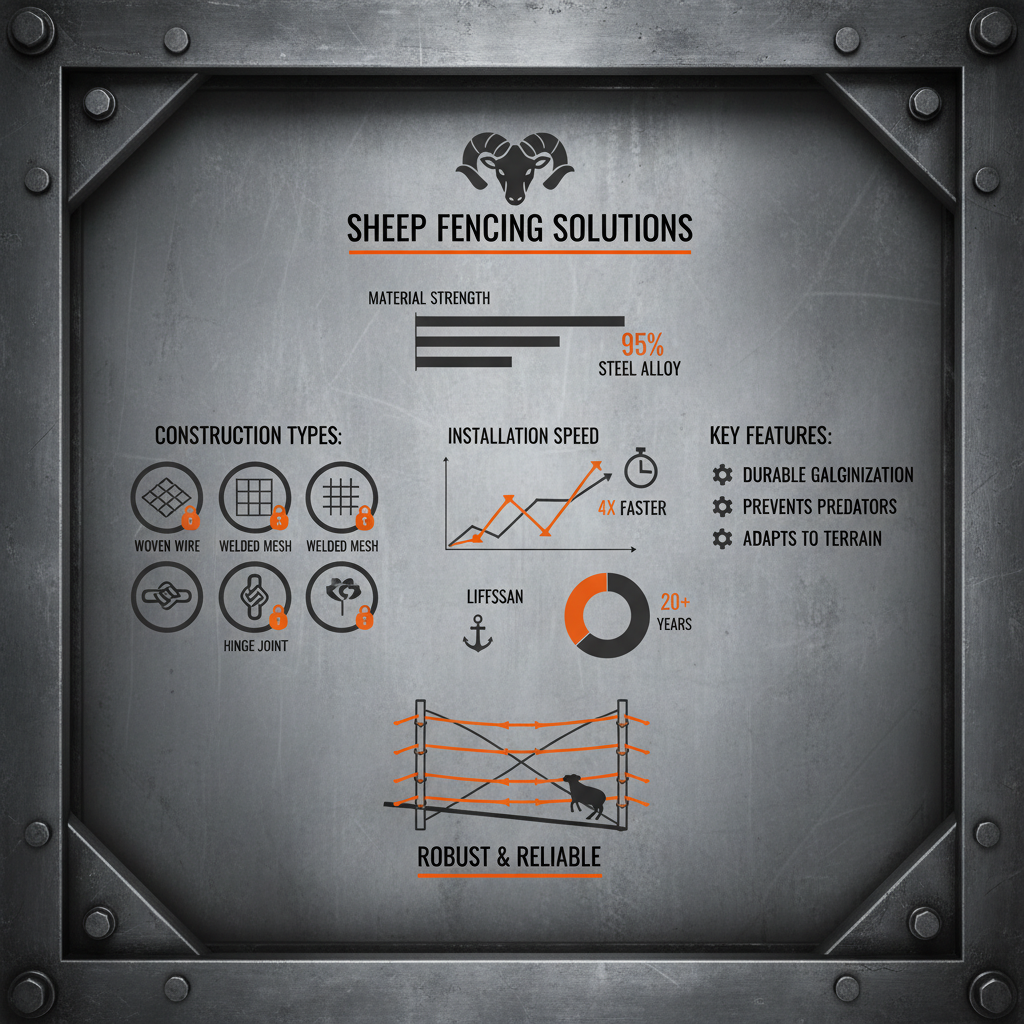
Several types of sheep netting fence are available, each with its own advantages. Common types include:
- Hinged Joint Fence: Offers flexibility and is easier to install on uneven terrain.
- Knotted Wire Netting: Provides a stronger and more secure barrier, ideal for areas with predators.
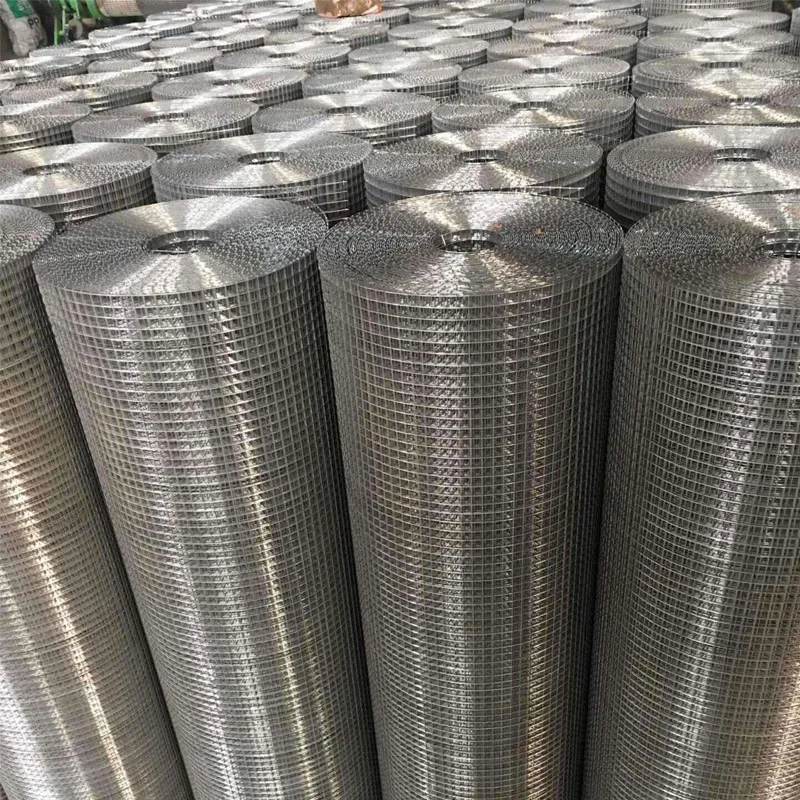
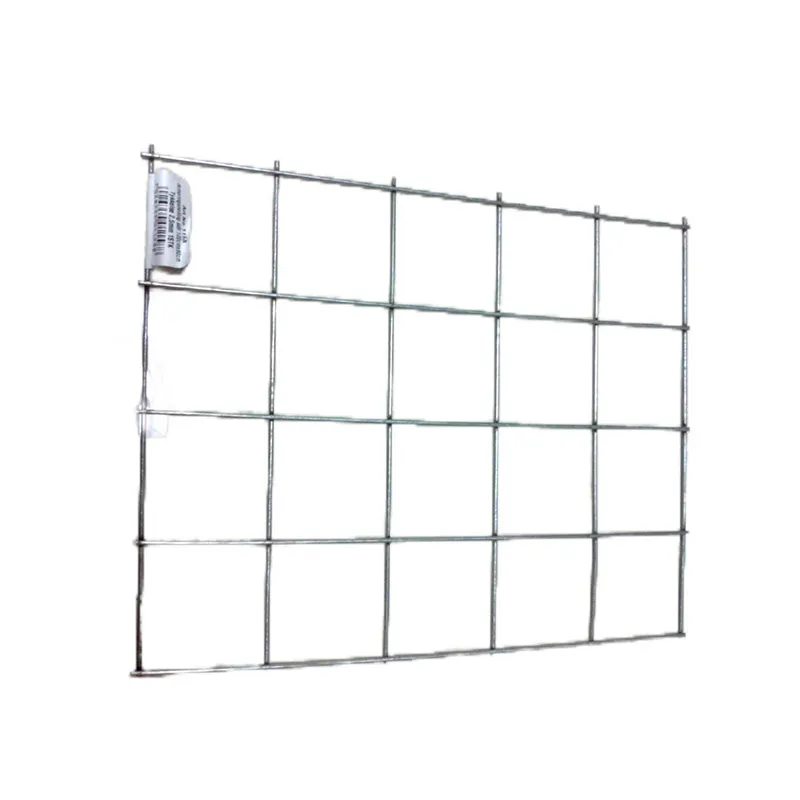
- Welded Wire Netting: Offers a clean and uniform appearance, suitable for smaller paddocks.
The best type of fence depends on your specific needs, including the size of your flock, the terrain, and the presence of predators. YS Wire Mesh can help you determine the most appropriate fencing solution for your farm.
Choosing the Right Type:
• Hinged Joint: For undulating terrain, easier installation.
• Knotted Wire: High security, predator resistance.
• Welded Wire: Aesthetic appeal, smaller paddocks.
Sheep Netting Fence vs. Other Fencing Options
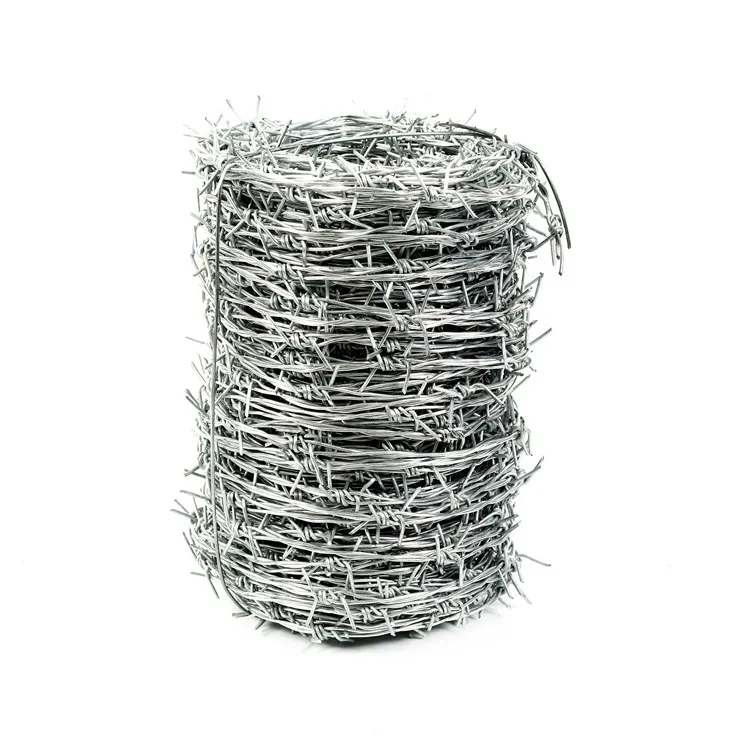
Compared to other fencing options like barbed wire or electric fence, sheep netting offers several advantages. Barbed wire can injure sheep, while electric fences require regular maintenance and can be unreliable in wet conditions. Sheep netting provides a safe and secure barrier without the risk of injury or the hassle of constant upkeep. It’s a more humane and practical solution for containing sheep.
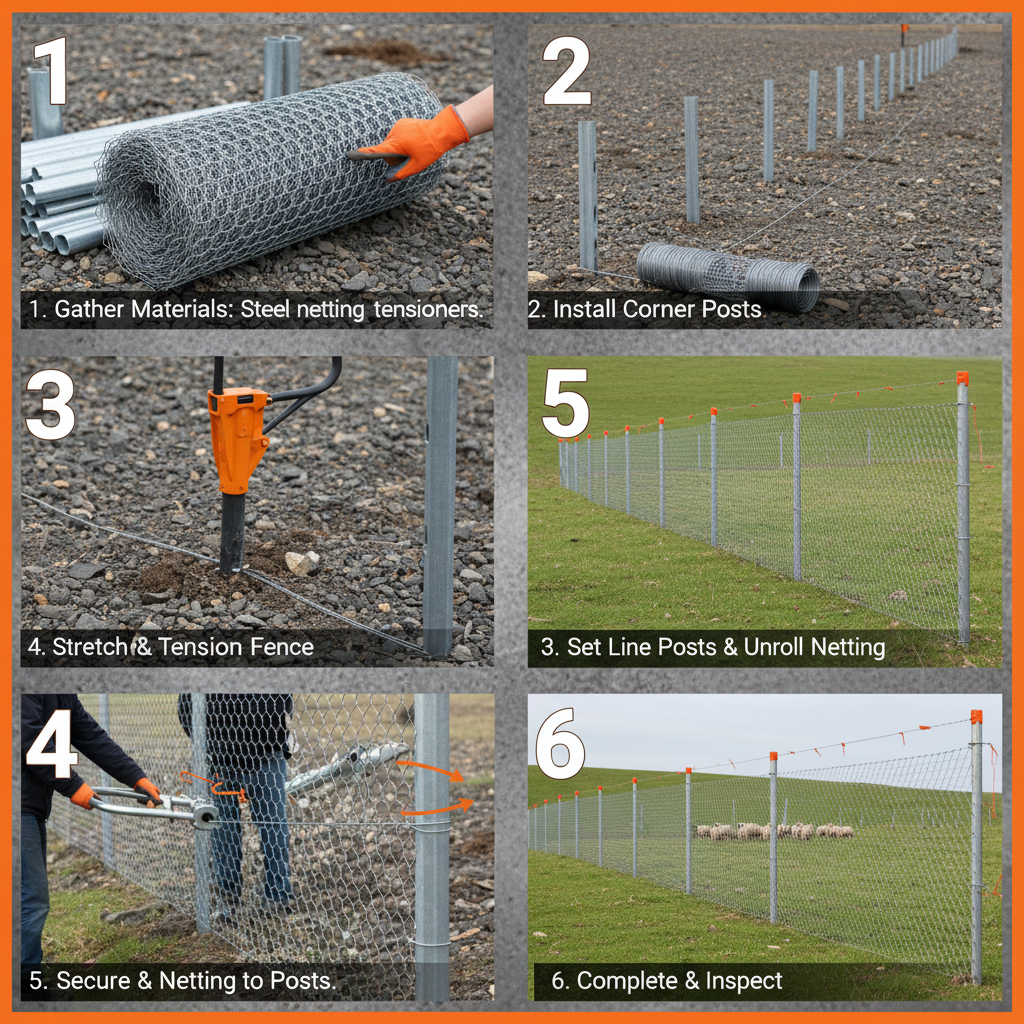
Installation Considerations for Sheep Netting Fence
Proper installation is essential for the effectiveness of your sheep netting fence. Key considerations include:
- Post Spacing: Typically, posts are spaced 8-12 feet apart, depending on terrain.
- Post Height: The height of the fence should be appropriate for the size of your sheep, generally 3-4 feet.
- Tensioning: Proper tensioning of the wire is crucial to prevent sagging and ensure security.
- Ground Conditions: Ensure the fence is securely anchored to the ground to prevent sheep from digging underneath.
YS Wire Mesh provides detailed installation guides and support to help you achieve optimal results.
Choosing YS Wire Mesh for Your Sheep Fencing Needs
At YS Wire Mesh, we are committed to providing high-quality sheep netting fence and exceptional customer service. We offer a wide range of options to meet your specific requirements, and our experienced team can help you select the best fencing solution for your farm. Contact us today for a quote and let us help you protect your valuable livestock.
Conclusion
Investing in a reliable sheep netting fence from YS Wire Mesh is a crucial step in ensuring the safety and well-being of your flock. By choosing the right type of fence and following proper installation guidelines, you can create a secure and effective barrier that protects your livestock from predators and prevents escapes. Don't compromise on quality – choose YS Wire Mesh for peace of mind.
Frequently Asked Questions (FAQs)
What is the recommended height for a sheep netting fence?
The recommended height for a sheep netting fence typically ranges from 3 to 4 feet (90cm to 120cm). This height is generally sufficient to contain most breeds of sheep and deter them from jumping. However, the ideal height may vary depending on the breed of sheep, the terrain, and the presence of predators. For sheep known to be more agile or in areas with significant predator pressure, a higher fence may be necessary. We at YS Wire Mesh can provide guidance based on your specific needs.
How often should I inspect my sheep netting fence?
Regular inspection is crucial for maintaining the integrity of your sheep netting fence. We recommend inspecting the fence at least twice a year, ideally in the spring and fall. Look for signs of damage such as broken wires, loose posts, or areas where sheep may have attempted to escape. Pay particular attention to areas prone to weathering or animal activity. Promptly repair any damage to prevent escapes and ensure the continued safety of your flock.
Can sheep netting fence be used to protect against predators?
While sheep netting fence is primarily designed to contain sheep, it can also offer some protection against certain predators, particularly smaller ones. However, for areas with significant predator pressure (e.g., coyotes, wolves, dogs), a more robust fencing solution, such as a combination of sheep netting and a predator-resistant wire, may be necessary. Adding a strand of barbed wire or electric wire at the top of the fence can further deter predators. YS Wire Mesh offers a variety of fencing options to address specific predator concerns.
What is galvanized steel and why is it important for sheep netting fence?
Galvanized steel is steel that has been coated with a layer of zinc. This coating protects the steel from corrosion and rust, significantly extending the lifespan of the fence. Sheep netting fence is often exposed to harsh weather conditions, making galvanized steel a crucial feature. The zinc coating acts as a sacrificial layer, corroding before the steel itself. This is particularly important in agricultural environments where exposure to moisture and fertilizers is common. At YS Wire Mesh, we use high-quality galvanized steel in all our sheep netting fence products.
-
High Quality Aviary Mesh Panels for Secure Bird Enclosures
NewsApr.16,2026
-
Ultimate Guide to Choosing the Best Aviary Fencing for Birds
NewsApr.09,2026
-
Comprehensive Guide to White Chicken Wire Applications and Benefits
NewsApr.07,2026
-
Comprehensive Guide to Chicken Mesh Fencing Applications and Installation
NewsApr.04,2026
-
Comprehensive Guide to Chicken Wire Netting Applications and Installation
NewsMar.28,2026