Feb . 28, 2026 03:10 Back to list
YS Wire Mesh A Leading Chicken Wire Manufacturer For Quality Solutions
Chicken Wire Manufacturer: Your Comprehensive Guide to Quality & Selection
Finding a reliable chicken wire manufacturer is crucial for various applications, from agricultural fencing to crafting and construction. At YS Wire Mesh, we specialize in producing high-quality chicken wire to meet diverse needs. This article provides an in-depth look at what to consider when choosing a manufacturer, the applications of chicken wire, our production process, and why YS Wire Mesh is the ideal partner for your project. We’ll explore different wire gauges, mesh sizes, and materials to help you make the right choice.
Understanding Chicken Wire: Materials and Applications
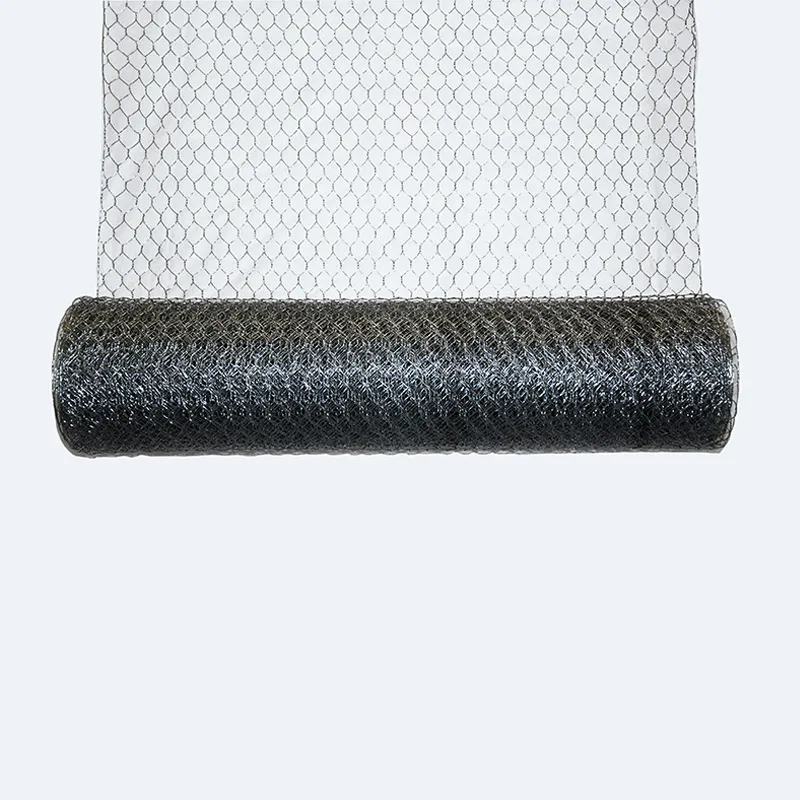
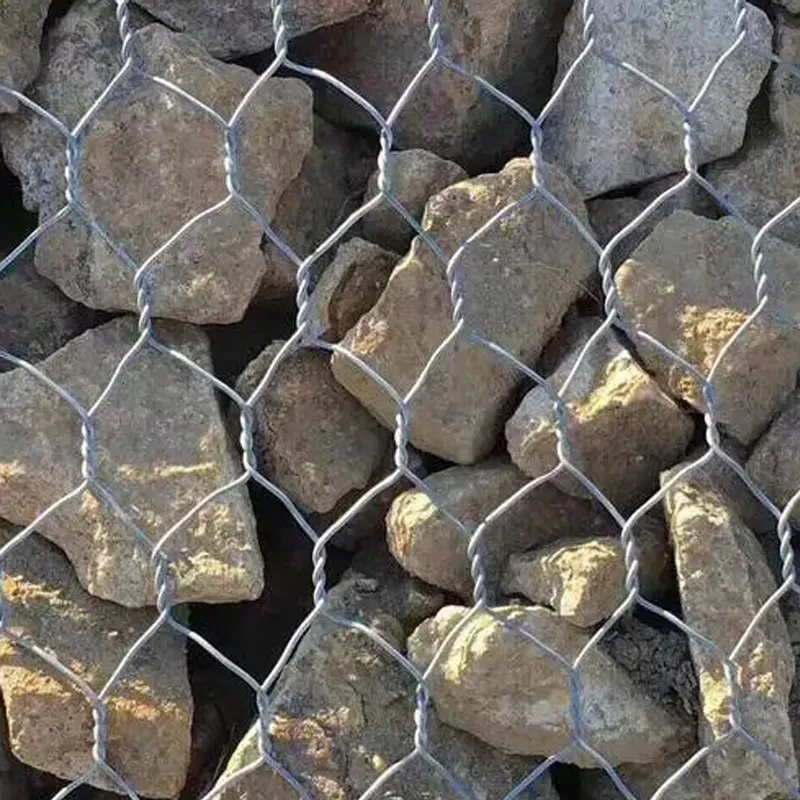
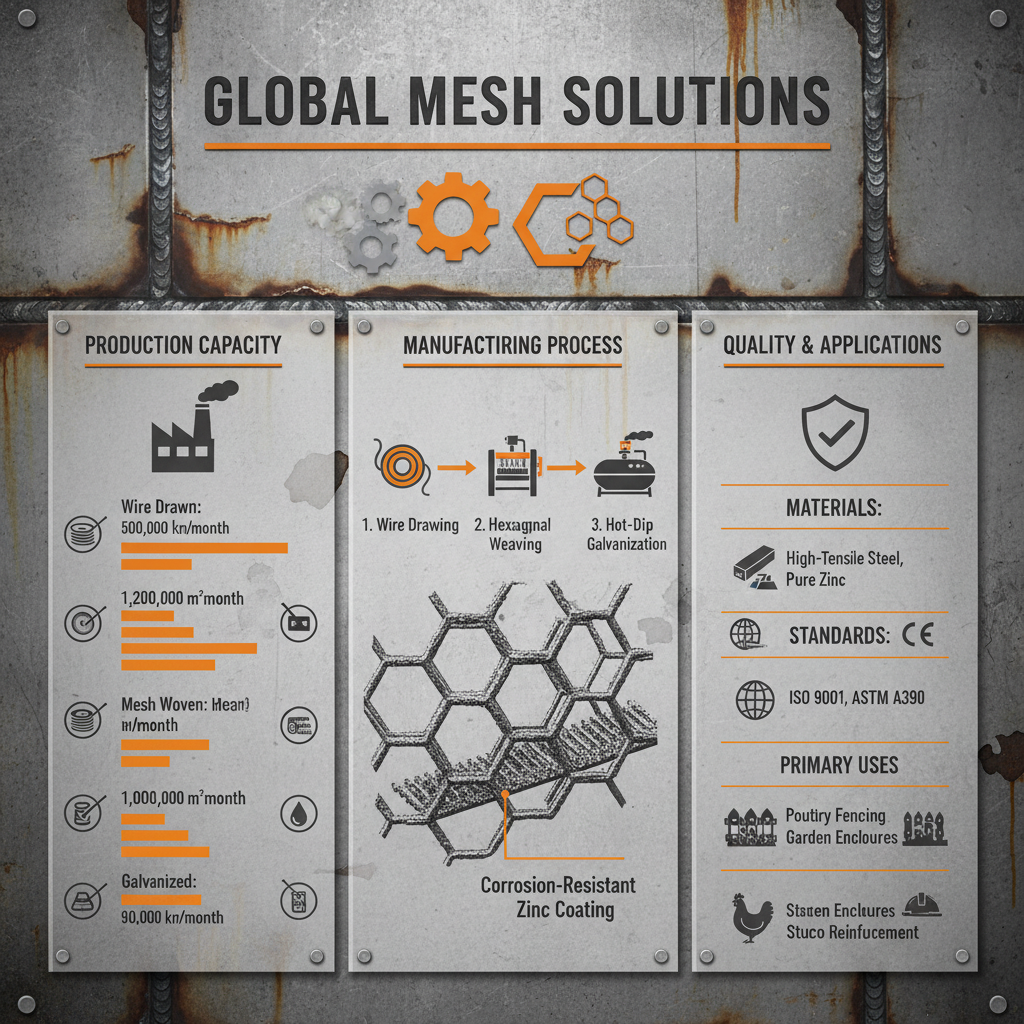
Chicken wire, also known as poultry netting or hexagonal wire netting, is a versatile woven wire mesh. Traditionally, it was made from galvanized steel, but today, it's also available in PVC-coated steel and stainless steel. Galvanized steel offers excellent rust resistance, while PVC coating provides enhanced durability and color options. Stainless steel is the most corrosion-resistant choice, ideal for harsh environments. Common applications include protecting poultry, creating animal enclosures, garden fencing, crafting projects, and even reinforcing concrete. Selecting the right material depends on the specific environment and the duration of use.
Key Applications: Poultry fencing, garden protection, crafting, animal enclosures, concrete reinforcement.
Choosing the Right Chicken Wire Manufacturer: Key Considerations
When selecting a chicken wire manufacturer, several factors are essential. First, consider their experience and reputation. Look for a manufacturer with a proven track record of delivering high-quality products. Second, assess their production capacity and lead times. Can they meet your quantity requirements within your desired timeframe? Third, examine their quality control procedures. Do they have robust systems in place to ensure consistent product quality? Finally, inquire about their customization options. Can they produce chicken wire to your specific specifications regarding mesh size, wire gauge, and coating?
Important Factors to Consider:
• Experience and Reputation
• Production Capacity and Lead Times
• Quality Control Procedures
• Customization Options
YS Wire Mesh: Our Production Process and Quality Control
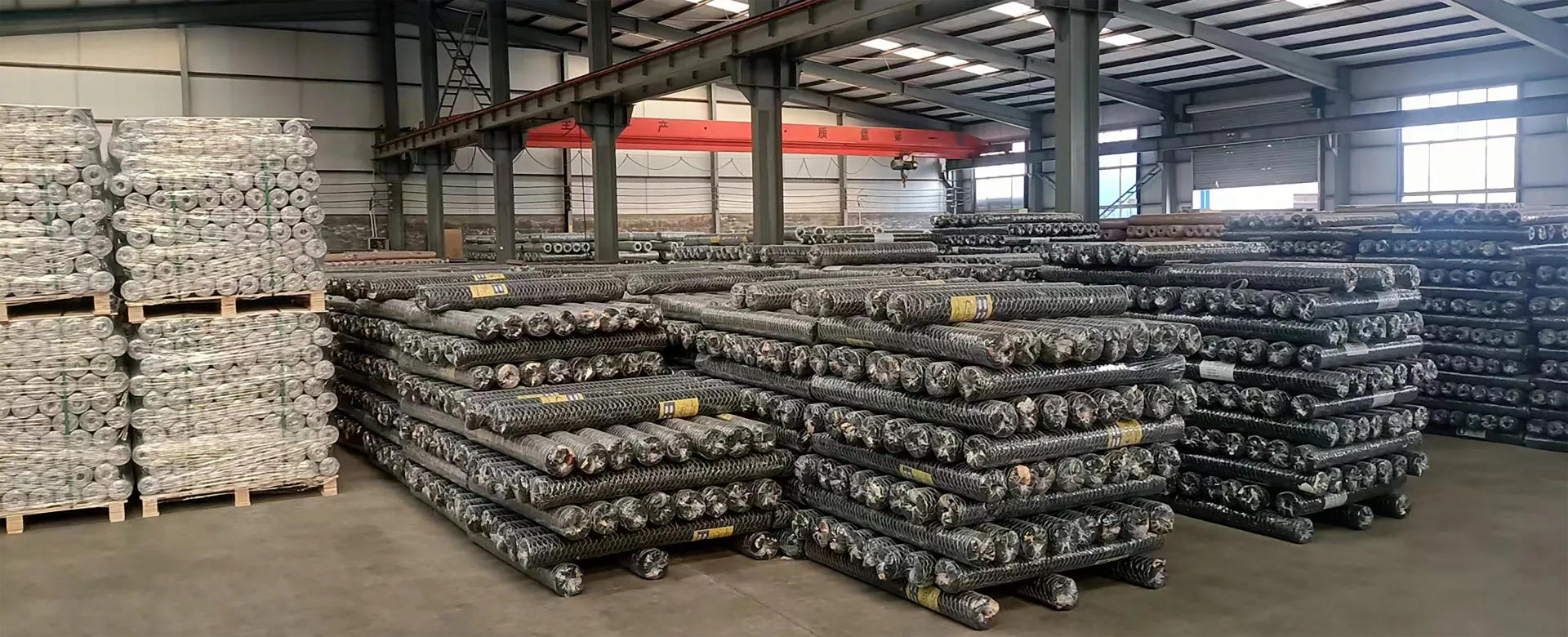
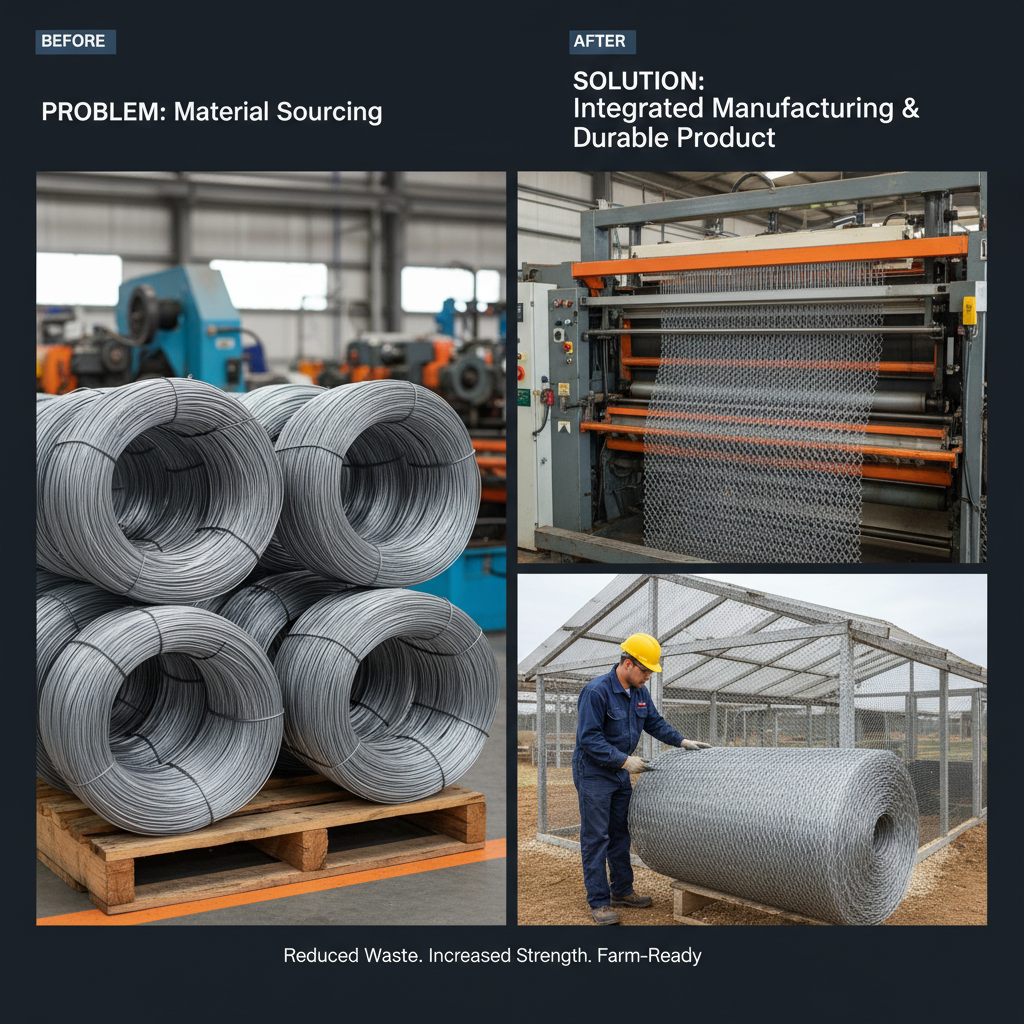
At YS Wire Mesh, we employ a meticulous production process to ensure the highest quality chicken wire. We begin with selecting premium-grade raw materials. Our state-of-the-art machinery then precisely weaves the wire into a consistent hexagonal pattern. We perform rigorous quality control checks throughout the entire process, from wire drawing to final product inspection. This includes checking wire gauge, mesh opening size, coating thickness, and overall structural integrity. We are committed to delivering chicken wire that meets or exceeds industry standards.
Why Choose YS Wire Mesh as Your Chicken Wire Supplier?
YS Wire Mesh is dedicated to providing our customers with superior quality chicken wire, competitive pricing, and exceptional customer service. We offer a wide range of specifications to meet your unique needs, and we can also customize products to your exact requirements. Our efficient production process and streamlined logistics ensure timely delivery. We are a reliable and trustworthy partner committed to your success. We serve clients globally, and our team is proficient in international trade. Choose YS Wire Mesh for all your chicken wire needs.
Understanding Chicken Wire Gauges and Mesh Sizes
Chicken wire is defined by two key measurements: wire gauge and mesh size. Wire gauge refers to the thickness of the wire, with lower numbers indicating thicker wires. Thicker wires offer greater strength and durability, making them suitable for heavier-duty applications. Mesh size refers to the distance between the wires, typically measured in inches. Smaller mesh sizes provide more secure containment, particularly for smaller animals, while larger mesh sizes are more appropriate for general fencing. Understanding these measurements is critical for selecting the right chicken wire for your specific needs.
Conclusion: Partner with YS Wire Mesh for Quality and Reliability
Choosing the right chicken wire manufacturer is an investment in the longevity and security of your projects. YS Wire Mesh stands out as a trusted supplier, offering a wide range of high-quality products, customized solutions, and exceptional customer support. We are dedicated to meeting your specific needs and exceeding your expectations. Contact us today to discuss your requirements and receive a competitive quote.
Frequently Asked Questions (FAQs)
What is the difference between galvanized and PVC-coated chicken wire?
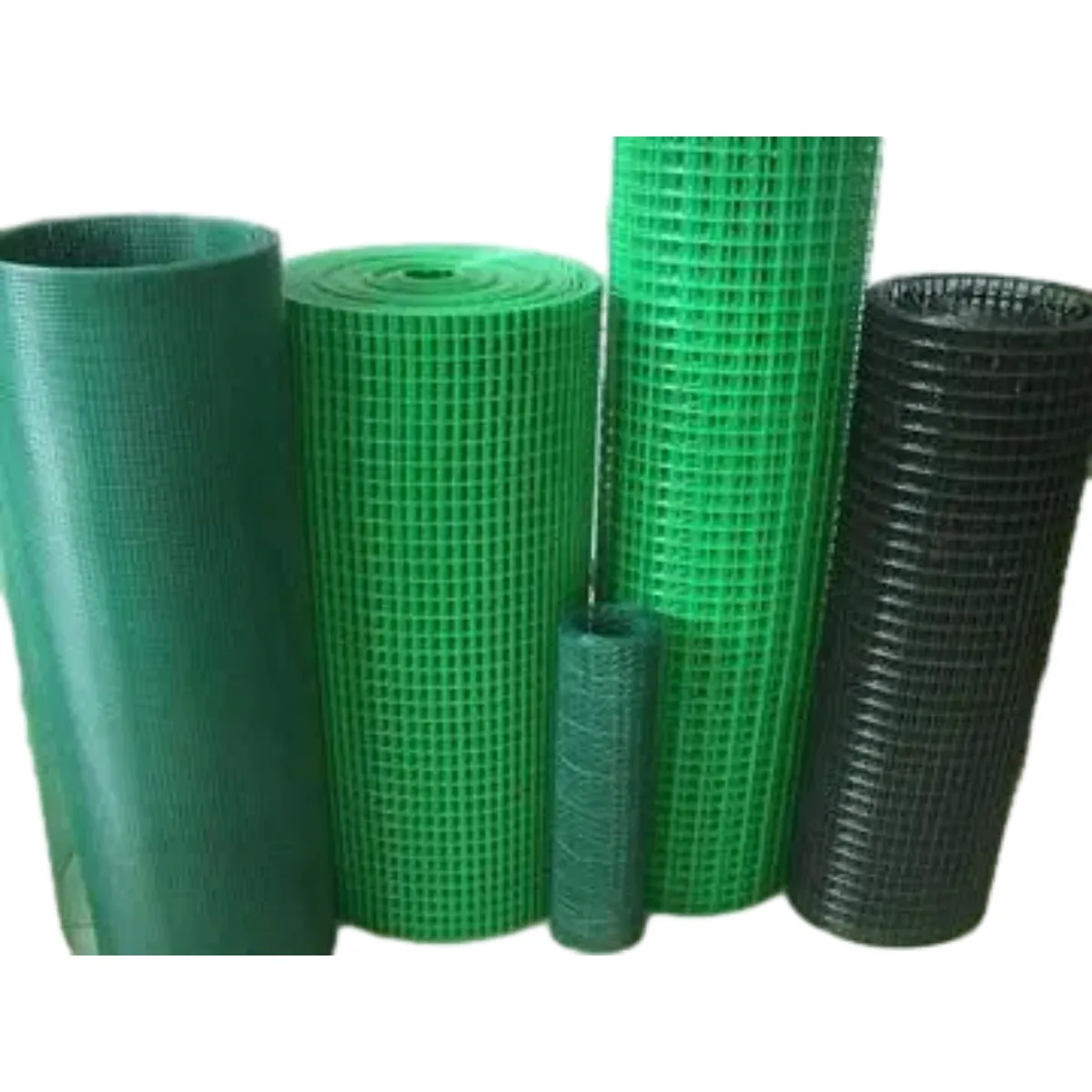
Galvanized chicken wire is coated with a layer of zinc to protect against rust and corrosion. It's a cost-effective option suitable for many applications. PVC-coated chicken wire has an additional layer of PVC plastic over the galvanized coating, providing even greater protection against corrosion and adding color options. PVC coating also makes the wire more flexible and easier to handle. While more expensive than galvanized, PVC-coated chicken wire offers superior durability and longevity, especially in harsh environments.
What wire gauge should I choose for poultry fencing?
For poultry fencing, a 20-gauge or 19-gauge chicken wire is generally recommended. These thicker gauges offer better protection against predators and can withstand the weight and activity of poultry. If you're dealing with larger birds or have concerns about aggressive predators, consider using a 19-gauge wire. The mesh size should be 1/2" or 1" to prevent chicks from escaping and to deter smaller predators.
Can chicken wire be used for garden fencing?
Yes, chicken wire is a popular choice for garden fencing. It effectively protects plants from rabbits, squirrels, and other small animals. A 1/2" or 1" mesh size is ideal for keeping out most garden pests. For taller plants or to create a more substantial barrier, consider using a higher gauge wire and a taller fence. PVC-coated chicken wire is a good option for garden fencing as it is weather-resistant and aesthetically pleasing.
-
High Quality Aviary Mesh Panels for Secure Bird Enclosures
NewsApr.16,2026
-
Ultimate Guide to Choosing the Best Aviary Fencing for Birds
NewsApr.09,2026
-
Comprehensive Guide to White Chicken Wire Applications and Benefits
NewsApr.07,2026
-
Comprehensive Guide to Chicken Mesh Fencing Applications and Installation
NewsApr.04,2026
-
Comprehensive Guide to Selecting the Best Sheep Netting Fence for Your Farm
NewsMar.31,2026
-
Comprehensive Guide to Chicken Wire Netting Applications and Installation
NewsMar.28,2026