Jan . 20, 2026 13:58 Back to list
High-Tensile Strand Barbed Wire (ASTM A121): Galfan-Coated 12.5-14 Gauge for Perimeter Rheology and Anti-Intrusion Stability
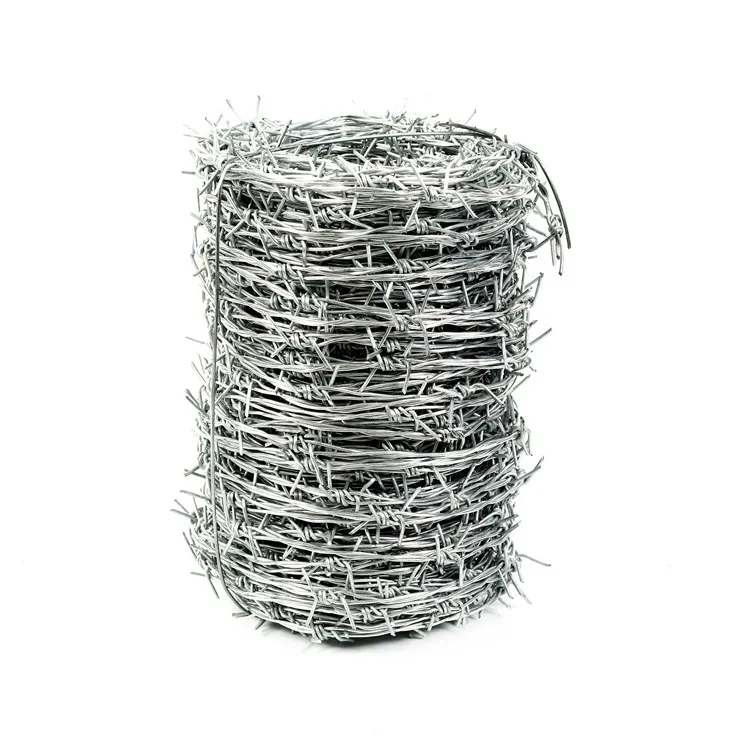
In industrial and agricultural perimeter engineering, Strand Barbed Wire serves as the primary psychological and physical barrier. Its efficacy is determined by the Physicochemical Parameters of the base steel and the mechanical stability of the twist morphology.
1. Physicochemical Morphology and Twisted Core Mechanics
Modern strand barbed wire utilizes two primary twisting methodologies that dictate the tension stability of the fence line:
- Conventional Twisted: Standard rotation where wires are twisted in one direction. Ideal for general agricultural confinement.
- Reverse Twisted: A high-performance design where barbs are twisted in the opposite direction of the main strand. This prevents barb migration and maintains wire tautness under Thermal Expansion.
Structural Comparison by Strand Type
| Type | Point Density | Application Profile | Security Level |
|---|---|---|---|
| Single Strand | 2-Point | Lightweight containment; temporary fencing. | Low |
| Double Strand | 4-Point (Double Twist) | High-load perimeter security; military/prison use. | Medium-High |
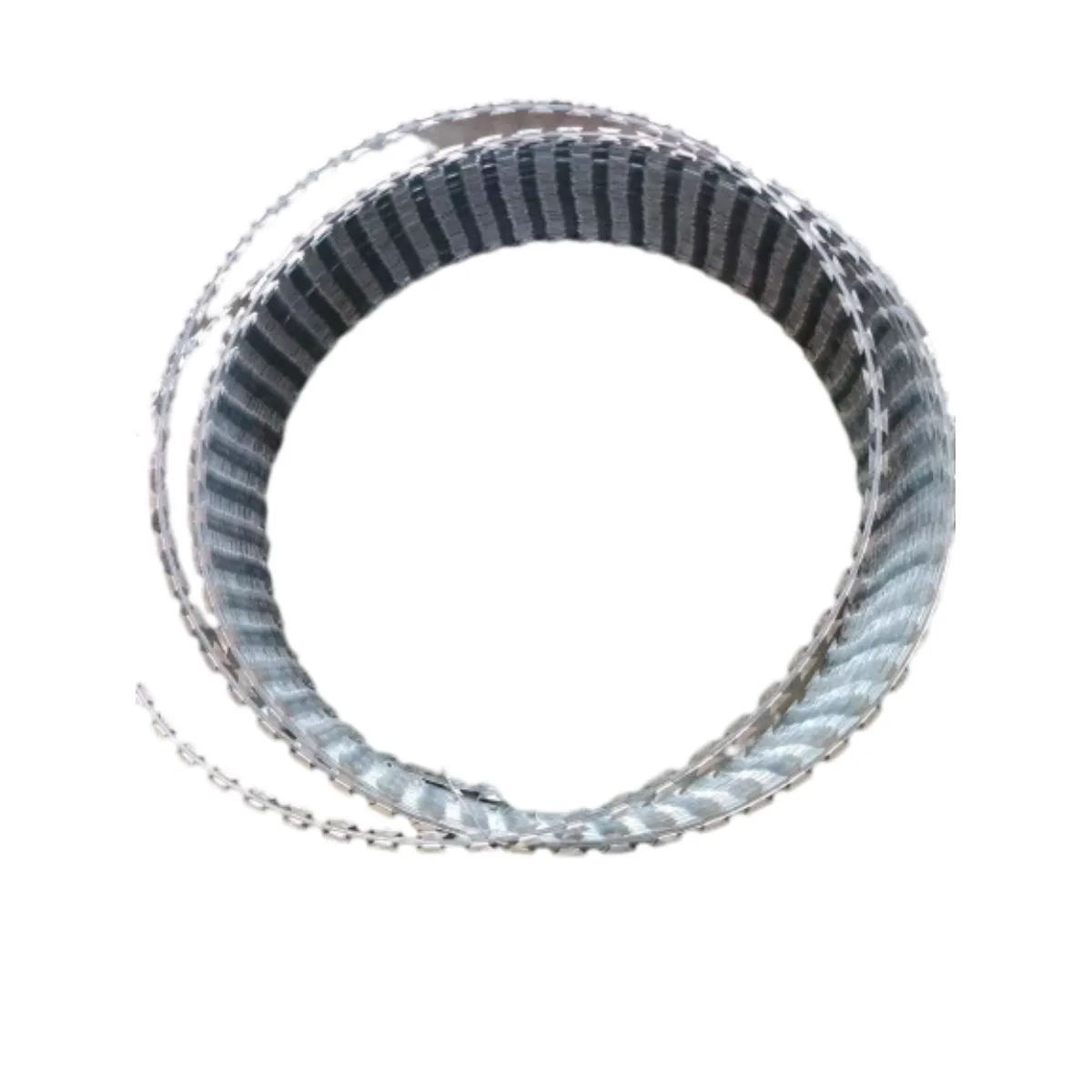
| Concertina / Razor | Helical Blade | Critical infrastructure; high-security zones. | Maximum |
2. Metallurgical Specifications and Material Indicators
The Compounding Efficiency of a fence depends on the wire gauge and carbon content. We utilize High-Tensile Steel (Carbon ~0.28%) to ensure a tensile strength of up to 550 N/mm², resisting breakage from animal impact or manual cutting.
| Wire Gauge (AWG) | Diameter (mm) | Tensile Strength (MPa) | Coating Options |
|---|---|---|---|
| 12.5 Gauge | 2.77 mm | 450 - 550 | Galfan (Zn-Al), Stainless Steel |
| 14 Gauge | 2.03 mm | 350 - 450 | Galvanized, PVC Coated |
| 16 Gauge | 1.63 mm | < 350 | Commercial Galvanization |
Stability and Coating Resilience:
- Galvanization (Zinc Coating): Protects against oxidation via cathodic protection.
- PVC Coating: Provides a secondary barrier against chemical pollutants and UV radiation; available in multiple colors for aesthetic integration.
- Zinc-Aluminum Alloy (Galfan): Contains 5-10% Aluminum, providing superior corrosion resistance in saline/coastal environments compared to standard zinc.
3. Stress Testing and Durability Verification
To meet ASTM A121-15 compliance, every roll undergoes rigorous Physicochemical Testing:
- Tensile Strength Test: Ensures the wire stretches taut without yielding or snapping under load.
- Salt Spray Test (ASTM B117): Simulates 10-15 years of environmental exposure to verify coating longevity.
- Barb Sharpness Audit: Ensures the 4-point ends remain sharp for maximum deterrent efficacy.
4. Targeted Application Scenarios and Customization
The flexibility of the Reverse Twist design allows for precise tailoring based on the deterrent requirement of the site:
Agricultural Confinement (Ranches & Farms)
Focuses on wire longevity and animal safety. Standard 4-5 inch (100-125 mm) barb spacing provides strong confinement without excessive risk of lethal injury to livestock.
Industrial and Military Fortification
Requires high-deterrence density. Closer barb spacing and Double Strand configurations are utilized to prevent unauthorized civilian or intruder movement, effectively used since the American Civil War for resource protection.
5. Frequently Asked Questions (Technical FAQ)
Q: Why choose High-Tensile over Low-Carbon steel?
A: High-Tensile steel (0.28% Carbon) allows for thinner, lighter wire that maintains the same strength as thicker low-carbon wire, reducing roll weight and lead-time without compromising security.
Q: What is the service life in coastal regions?
A: While standard galvanized wire may last 5-10 years, Stainless Steel or PVC Coated options are engineered for 20+ years of salt-air exposure.
Q: Reverse Twist vs. Traditional Twist?
A: Reverse Twist is superior for permanent installations as it balances internal stresses, ensuring the fence does not sag over time.
Vendor Audit Summary: Suppliers like Yiszhe Wire Mesh provide high-carbon core strands with customizable barb spacing (4-5 inches) and coatings ranging from Class 3 Galvanization to PVC, ensuring compliance with both agricultural and industrial security protocols.
References: ASTM A121-15 Standard Specification; Journal of Protective Coatings (2021); Tree Island Steel Technical Data.
-
High Quality Aviary Mesh Panels for Secure Bird Enclosures
NewsApr.16,2026
-
Ultimate Guide to Choosing the Best Aviary Fencing for Birds
NewsApr.09,2026
-
Comprehensive Guide to White Chicken Wire Applications and Benefits
NewsApr.07,2026
-
Comprehensive Guide to Chicken Mesh Fencing Applications and Installation
NewsApr.04,2026
-
Comprehensive Guide to Selecting the Best Sheep Netting Fence for Your Farm
NewsMar.31,2026
-
Comprehensive Guide to Chicken Wire Netting Applications and Installation
NewsMar.28,2026