When it comes to versatile fencing and containment solutions, chicken chicken wire mesh remains an indispensable tool for farmers, gardeners, and industrial planners worldwide. This lightweight yet resilient material, characterized by its hexagonal weave, provides a balance of visibility and security that is difficult to replicate with heavier gated systems. By understanding the technical nuances of its construction, users can maximize the lifespan of their enclosures while ensuring the safety of livestock and the integrity of their boundaries.
The global demand for high-quality hexagonal netting has surged as sustainable agriculture and urban gardening become mainstream priorities. From protecting delicate seedlings in greenhouses to creating robust aviaries, the utility of chicken chicken wire mesh extends far beyond simple poultry farming. Its ability to be shaped, bent, and fitted around irregular terrains makes it a favorite for those who require a flexible yet durable barrier.
However, selecting the right grade of mesh requires a deep dive into material science, specifically focusing on galvanization levels and wire gauge. Many users overlook the importance of zinc coating, which is the primary defense against oxidation in humid or coastal environments. This guide aims to demystify the specifications of chicken chicken wire mesh, providing a comprehensive overview of its industrial applications, long-term value, and the innovations driving the next generation of wire products.
The Industrial Fundamentals of chicken chicken wire mesh
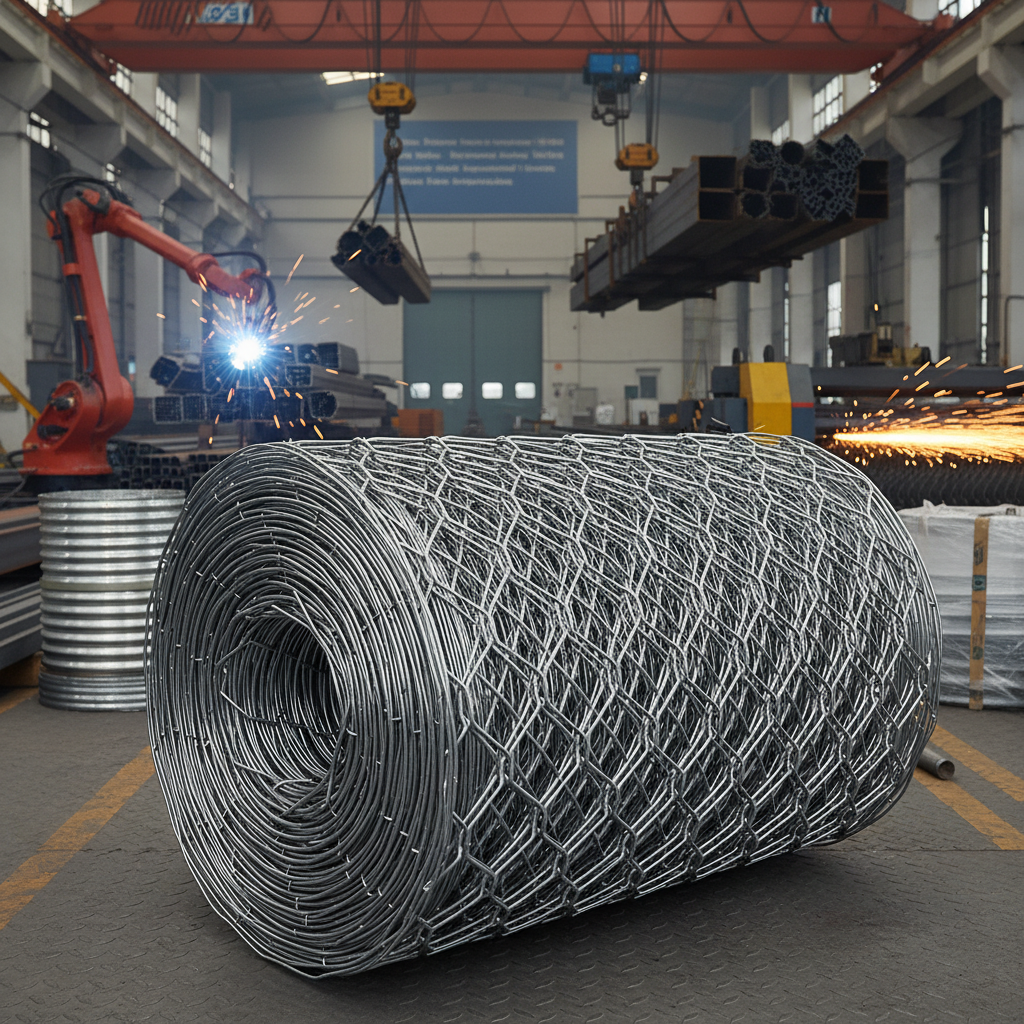
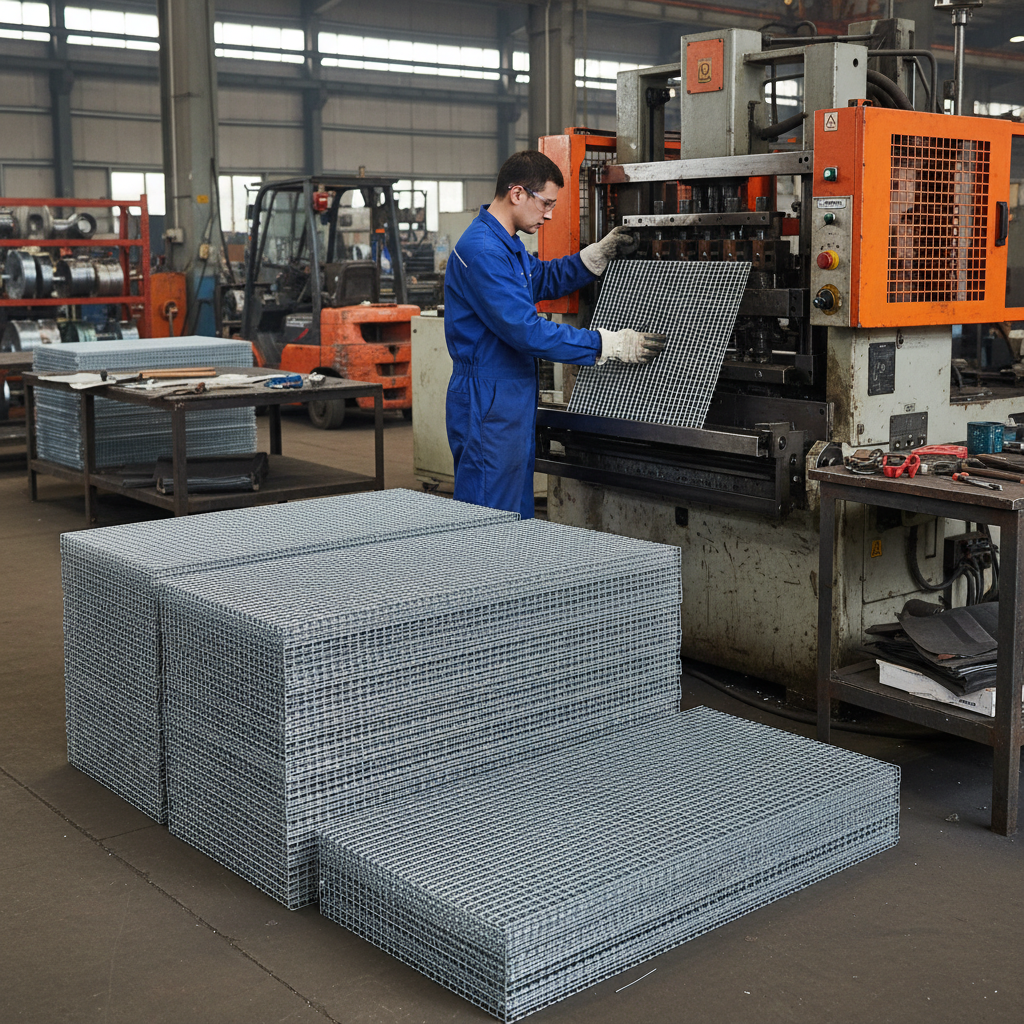
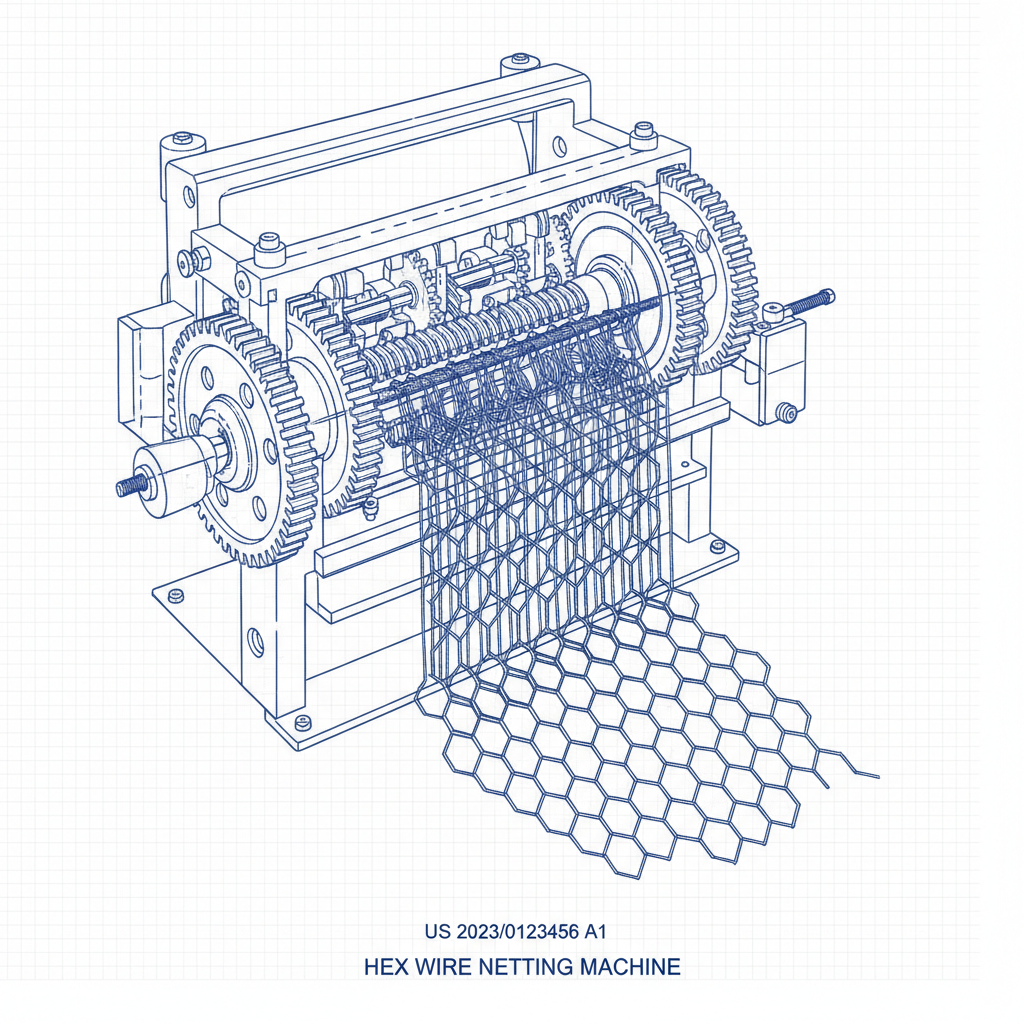
At its core, chicken chicken wire mesh is a specialized form of hexagonal welded or twisted wire. Unlike square welded mesh, the hexagonal structure allows the material to be more flexible and absorb impact more effectively, which is why it is the gold standard for poultry containment. The manufacturing process involves twisting galvanized steel wires into a continuous honeycomb pattern, ensuring that the mesh remains stable even when stretched across uneven landscapes.
From a technical standpoint, the "open area" of the mesh is carefully calibrated to prevent small predators from entering while allowing maximum airflow and visibility. This design prevents the buildup of moisture and ammonia within animal enclosures, promoting a healthier environment for livestock. By integrating high-tensile steel and advanced zinc coatings, modern production lines can now create mesh that resists corrosion for decades, even in harsh agricultural settings.
Global Market Demand and Industry Context
The global trajectory of the wire mesh industry is closely tied to the expansion of the agricultural sector in emerging economies. According to data aligned with ISO standards for metallic coatings, the demand for galvanized chicken chicken wire mesh has seen a steady increase in Southeast Asia and Africa, where small-scale poultry farming is a primary source of livelihood. The challenge has always been the trade-off between cost-efficiency and longevity, leading many to settle for low-grade alloys that rust within a single season.
In developed markets, the focus has shifted toward multi-functional usage. We are seeing a rise in the "urban homesteading" trend, where homeowners utilize hexagonal mesh for vertical gardening, trellis support, and pest control in organic farming. This shift has forced manufacturers to diversify their product lines, offering varying gauges and mesh sizes to cater to both heavy-duty industrial needs and lightweight residential projects.
Furthermore, the integration of sustainable manufacturing processes is now a global requirement. The industry is moving toward "green galvanization" to reduce the environmental impact of zinc dipping. This transition ensures that chicken chicken wire mesh not only serves a practical purpose on the farm but also meets the stringent ESG (Environmental, Social, and Governance) criteria demanded by modern international trade regulations.
Key Technical Factors for Durability
The first critical factor in the longevity of chicken chicken wire mesh is the quality of the galvanization. Hot-dipped galvanized steel provides a thick, bonded layer of zinc that acts as a sacrificial anode, protecting the inner steel core from oxidation. This is significantly more effective than electro-galvanization, especially in environments with high salinity or acidic soil.
Wire gauge and mesh aperture are equally vital. A thinner gauge may be easier to install, but it lacks the structural integrity to repel determined predators. Conversely, an overly tight mesh may restrict airflow or be prone to sagging. The ideal chicken chicken wire mesh configuration balances tensile strength with flexibility, ensuring that the fence can be tensioned without distorting the hexagonal geometry.
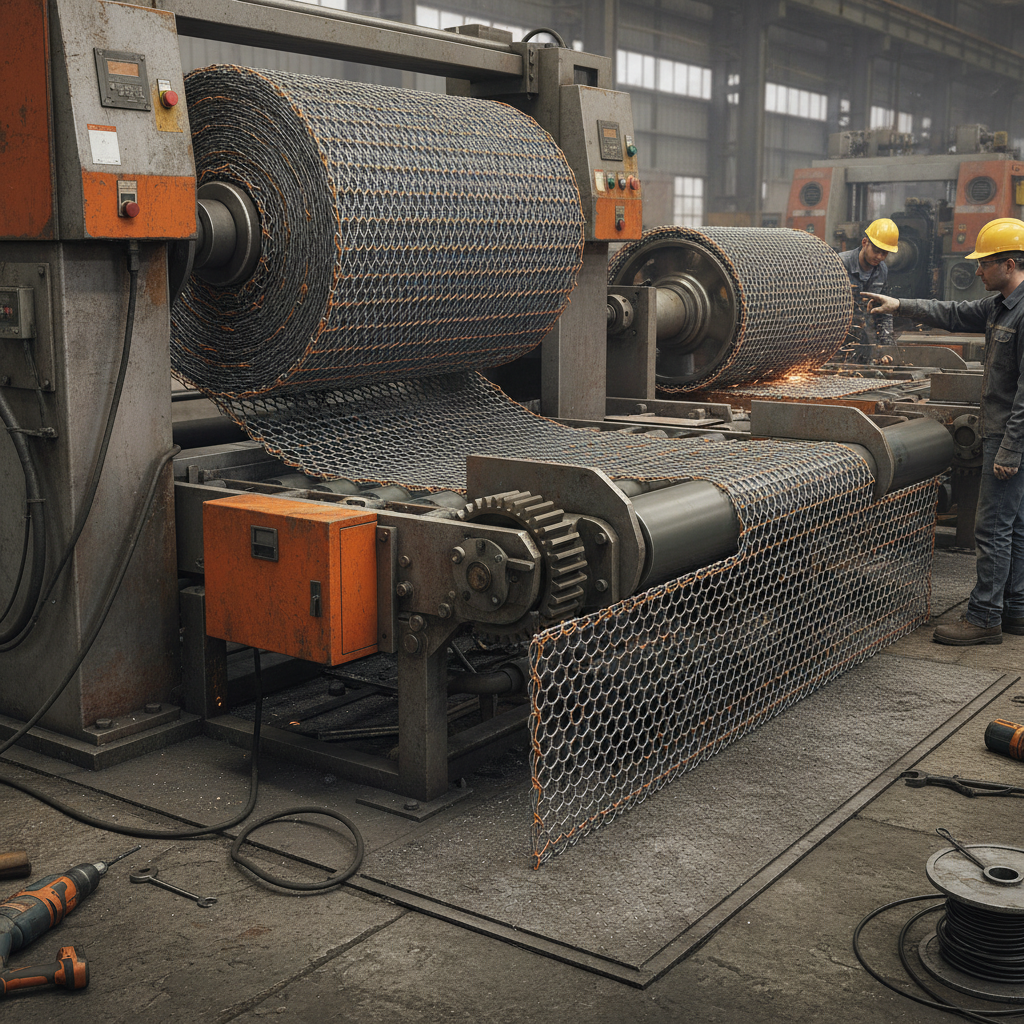
Finally, the consistency of the twist is what defines a professional-grade product. Poorly manufactured mesh often suffers from "unraveling" at the edges or inconsistent hole sizes, which create weak points. High-end production utilizes automated tensioning systems to ensure every hexagonal cell is uniform, providing a consistent barrier across the entire roll of chicken chicken wire mesh.
Comparative Performance of Mesh Variants
Choosing between different types of chicken chicken wire mesh requires an analysis of the specific environment and the intended goal. For instance, PVC-coated mesh offers superior resistance to chemical corrosion and a more aesthetic appearance for garden use, whereas raw galvanized mesh is the most cost-effective choice for large-scale agricultural enclosures.
When comparing the hexagonal structure to welded square mesh, the hexagonal weave excels in adaptability. It can be wrapped around curved surfaces—such as tree trunks or arched coop roofs—without the rigid snapping risks associated with welded wires. This versatility makes it the primary choice for temporary shelters and organic shaping projects.
Performance Analysis of chicken chicken wire mesh Variants
Diverse Global Applications and Use Cases
The application of chicken chicken wire mesh extends far beyond the poultry coop. In the construction industry, it is frequently used as a reinforcement layer for plastering and stucco, providing a grip for mortar on curved walls. In environmental conservation, NGOs use the mesh to create temporary enclosures for endangered species' rehabilitation, allowing animals to be contained while maintaining a naturalistic, airy environment.
In remote industrial zones, the mesh is often employed for temporary debris screening and safety barriers during early-stage site preparation. Its ease of transport—being lightweight and rollable—makes it an ideal solution for projects in geographically challenging areas where heavy machinery cannot easily install permanent fencing. Whether it is a rural farm in India or a luxury garden in France, the adaptability of chicken chicken wire mesh makes it a universal tool.
Long-Term Economic and Social Value
From an economic perspective, investing in high-grade chicken chicken wire mesh reduces the total cost of ownership over time. While cheaper alternatives may offer a lower initial price point, the frequent need for replacement due to rust or breakage leads to higher long-term expenditures and increased labor costs. Professional-grade mesh ensures that the investment remains intact for years, providing peace of mind to the operator.
Socially, the accessibility of affordable, durable fencing contributes to food security. By allowing small-scale farmers to protect their poultry and crops from predators efficiently, chicken chicken wire mesh empowers rural communities to increase their yield and protect their assets. This creates a ripple effect of stability and dignity, as families can rely on their livestock for both nutrition and income.
Furthermore, the reliability of a secure enclosure reduces animal stress and prevents the spread of disease by controlling animal movement. This synergy between technical quality and social utility highlights why the wire mesh industry is more than just manufacturing—it is about supporting the basic infrastructure of global agriculture and animal welfare.
Future Innovations in Wire Mesh Technology
The future of chicken chicken wire mesh is being shaped by material science breakthroughs. We are seeing the introduction of hybrid alloys that combine the flexibility of steel with the corrosion resistance of aluminum. These new materials aim to eliminate the need for heavy galvanization, reducing the chemical footprint of production while increasing the product's lifespan in extreme weather conditions.
Automation is also transforming the way mesh is produced. Advanced CNC-controlled weaving machines can now create "variable-density" mesh, where the aperture size changes across the roll to provide extra strength at the base and lighter weight at the top. This optimization reduces material waste and lowers the overall cost for the end-user without compromising the structural integrity of the fence.
Sustainability is the ultimate driver of innovation. The industry is exploring the use of recycled steel scrap to create high-quality wire, closing the loop on the production cycle. As we move toward a circular economy, chicken chicken wire mesh will evolve into a product that is not only functional but also environmentally neutral.
Analysis of chicken chicken wire mesh Material Specifications and Performance
| Material Grade |
Corrosion Resistance |
Tensile Strength |
Recommended Use |
| Light Galvanized |
Low (2-3 years) |
Moderate |
Indoor temporary use |
| Hot-Dipped Zinc |
High (10-20 years) |
High |
Outdoor poultry farming |
| PVC Coated |
Very High |
Moderate |
Garden & Decorative |
| Stainless Steel |
Extreme |
Very High |
Marine & Industrial |
| Alloy-Coated |
High |
High |
Commercial Enclosures |
| Electro-Galvanized |
Moderate (5 years) |
Low |
Short-term projects |
FAQS
Galvanized mesh is treated with zinc to prevent rust and is the standard for agricultural use. PVC coated mesh has an additional plastic layer over the galvanized wire, providing superior corrosion resistance and a smoother finish, making it ideal for gardens or areas with high chemical exposure, though it is generally more expensive.
The gauge refers to the thickness of the wire; a lower gauge number means a thicker wire. For basic chicken containment, a medium gauge is sufficient. However, if you are protecting against predators like foxes or raccoons, we recommend a heavier gauge (thicker wire) to ensure the mesh cannot be easily torn or bent.
Yes, it is widely used as a "lath" in construction. It provides an excellent base for stucco or plaster, especially on curved surfaces, as it holds the material in place while allowing it to cure. Its flexibility allows it to conform to irregular architectural shapes where rigid mesh would fail.
The lifespan depends heavily on the coating. Hot-dipped galvanized mesh can last 10 to 20 years in standard outdoor conditions. PVC coated and stainless steel versions can last even longer, especially in humid or coastal environments where salt air accelerates the rusting of untreated steel.
Absolutely. One of the biggest advantages of this mesh is its ease of installation. With basic wire cutters and staples or U-nails, anyone can secure the mesh to wooden posts. Because it is flexible, it can be easily stretched and fastened without the need for heavy tensioning equipment.
Steel is one of the most recycled materials on earth. When high-quality galvanized mesh is used, its long lifespan reduces the frequency of replacement, thereby lowering waste. Many modern manufacturers are also adopting eco-friendly galvanization processes to further reduce the industrial footprint.
Conclusion
In summary, chicken chicken wire mesh is far more than a simple farming tool; it is a sophisticated engineering solution that balances cost, flexibility, and strength. By prioritizing the correct galvanization and wire gauge, users can ensure long-term durability that protects livestock and enhances structural integrity in construction. From the rural fields of developing nations to the modern urban garden, the hexagonal weave continues to provide essential value through its adaptability and reliability.
As the industry moves toward sustainable materials and automated precision, the role of wire mesh will only grow in importance. Whether you are a large-scale industrial buyer or a home gardener, investing in professional-grade mesh is an investment in security and efficiency. We encourage you to evaluate your specific environmental needs and choose a mesh that guarantees peace of mind for years to come. Visit our website for more professional solutions: www.yszwiremesh.com