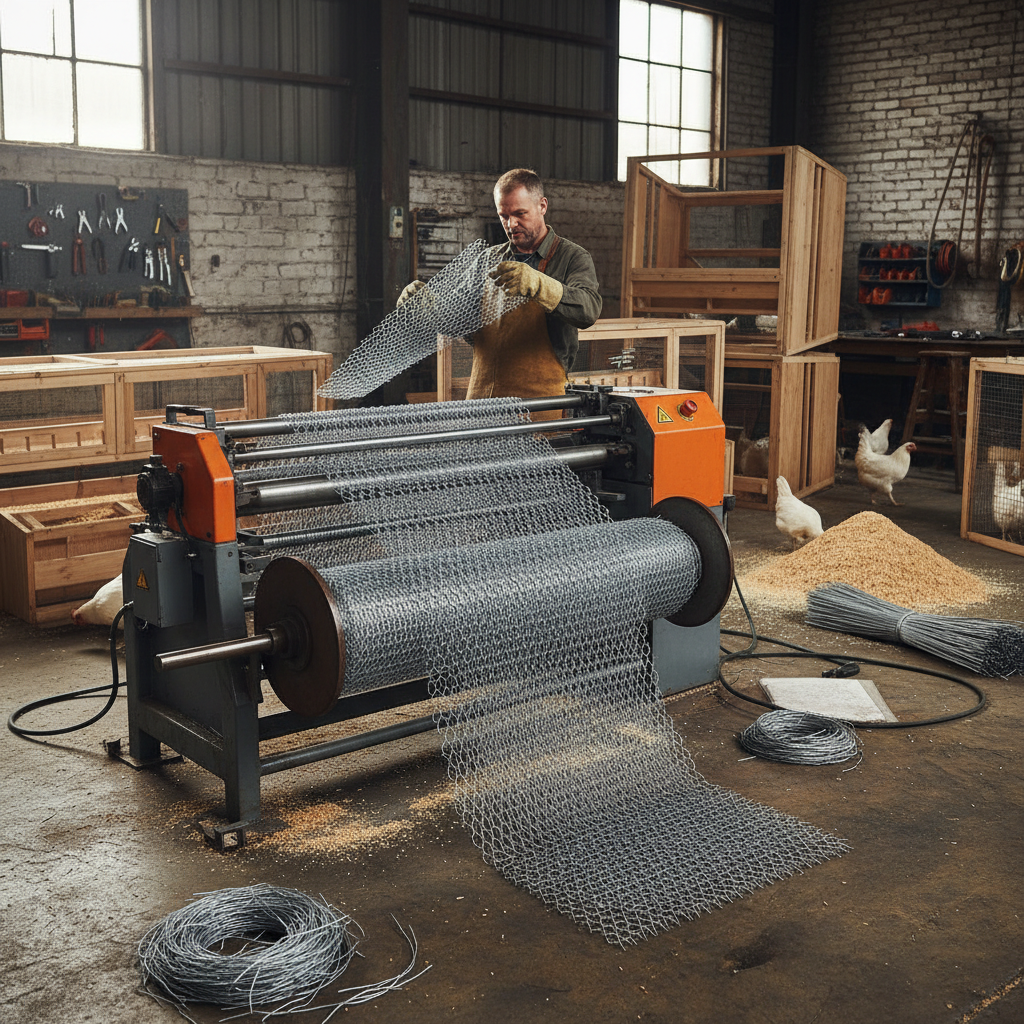
When it comes to securing livestock and creating sustainable poultry environments, selecting the right chicken coop mesh is not merely a matter of containment, but a critical decision involving predator protection, ventilation, and structural longevity. For farmers and backyard hobbyists alike, the integrity of the wire mesh determines the safety of the flock and the overall efficiency of the farming operation.
In the global agricultural landscape, the demand for high-quality fencing solutions has surged as sustainable organic farming becomes more prevalent. The industry has evolved from simple iron wires to sophisticated galvanized and PVC-coated materials that resist corrosion and withstand extreme weather conditions, ensuring that the investment in chicken coop mesh provides long-term value and peace of mind.
Understanding the technical nuances—such as gauge thickness, aperture size, and coating types—allows users to optimize their enclosures against specific regional threats, whether they be small rodents or larger carnivores. By bridging the gap between raw industrial metalwork and practical agricultural application, we can ensure a safer, more hygienic environment for poultry worldwide.
Global Industry Standards for Chicken Coop Mesh
The production of chicken coop mesh is governed by strict international standards, including ISO certifications for wire drawing and galvanization processes. These standards ensure that the tensile strength of the steel is sufficient to prevent breaches from predators while maintaining the flexibility required for installation across uneven terrains.
Across the globe, from the industrial poultry farms of North America to the small-scale cooperatives in Southeast Asia, the reliance on standardized mesh prevents systemic losses. Adhering to these industrial benchmarks means that the wire maintains its shape under pressure and does not degrade prematurely when exposed to the ammonia-rich environment of a chicken run.
Core Components and Material Specifications
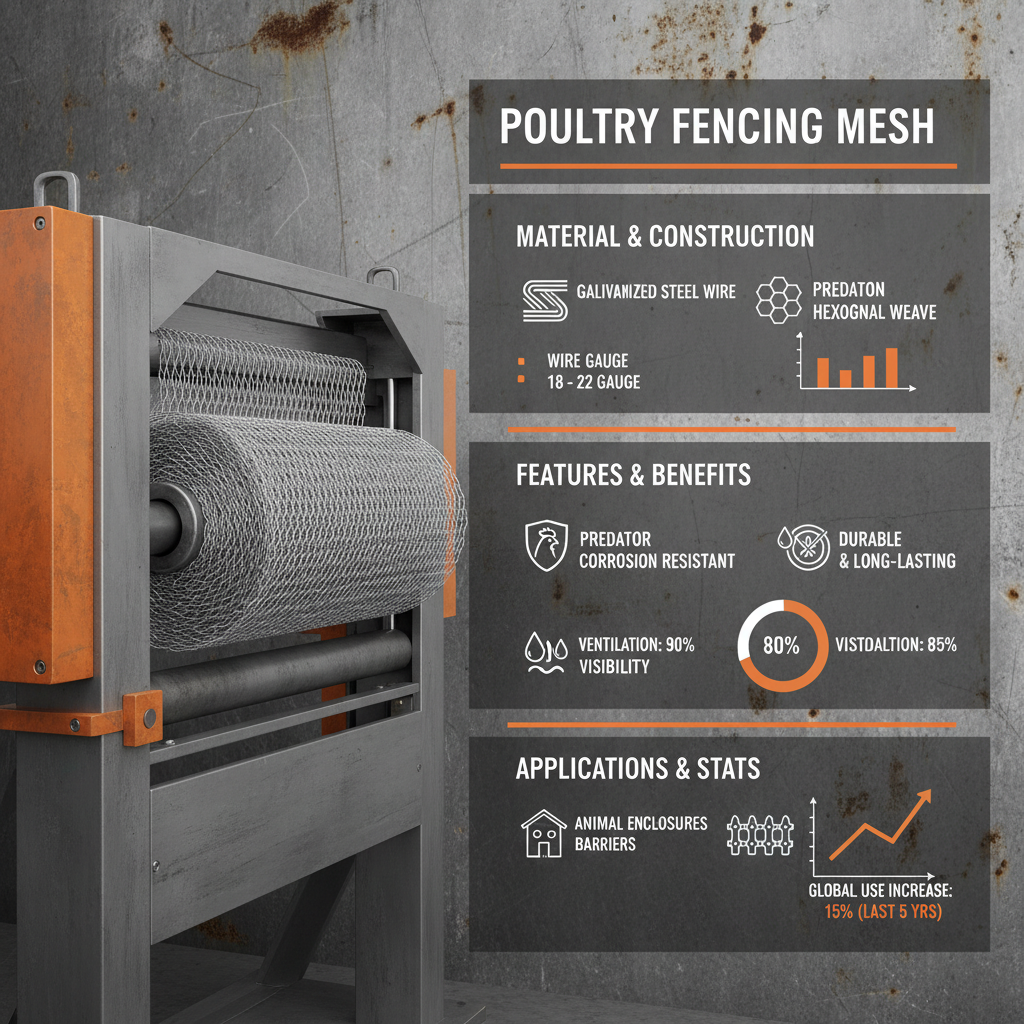
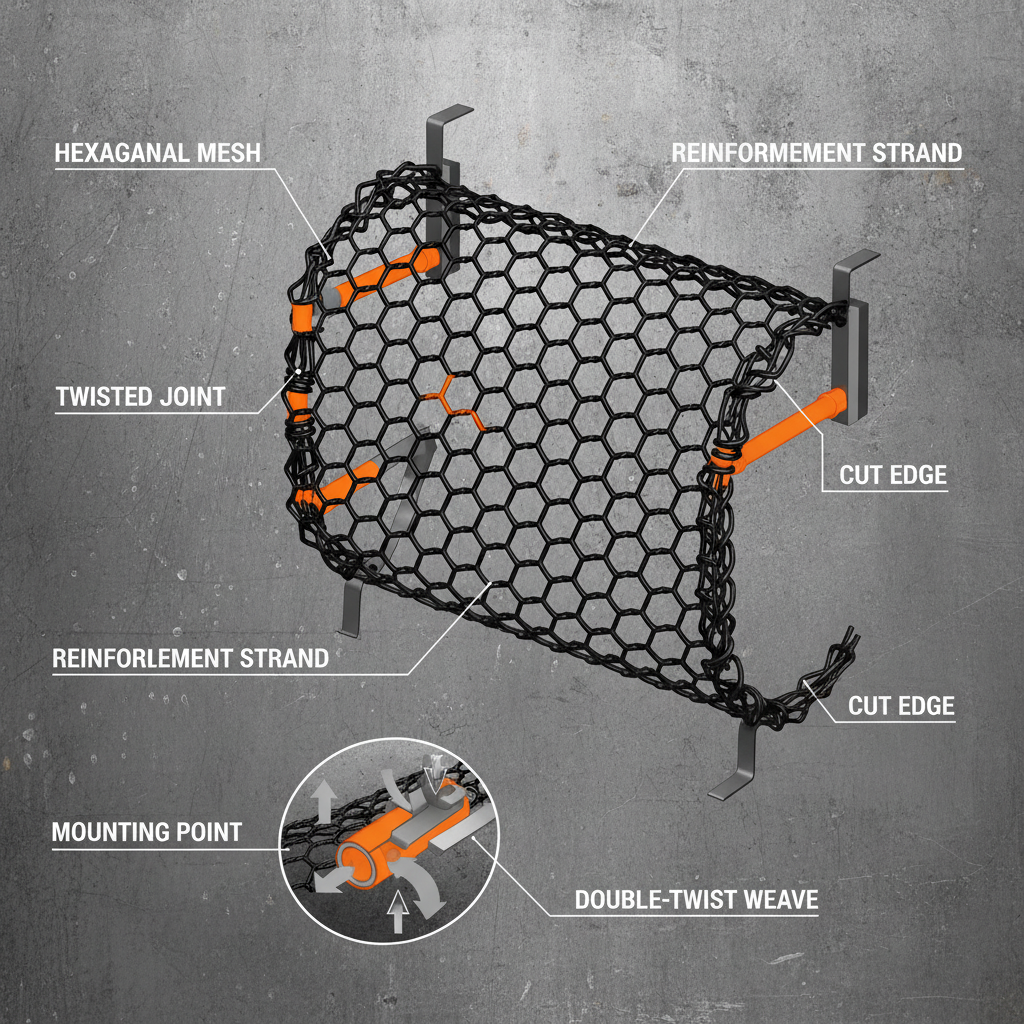
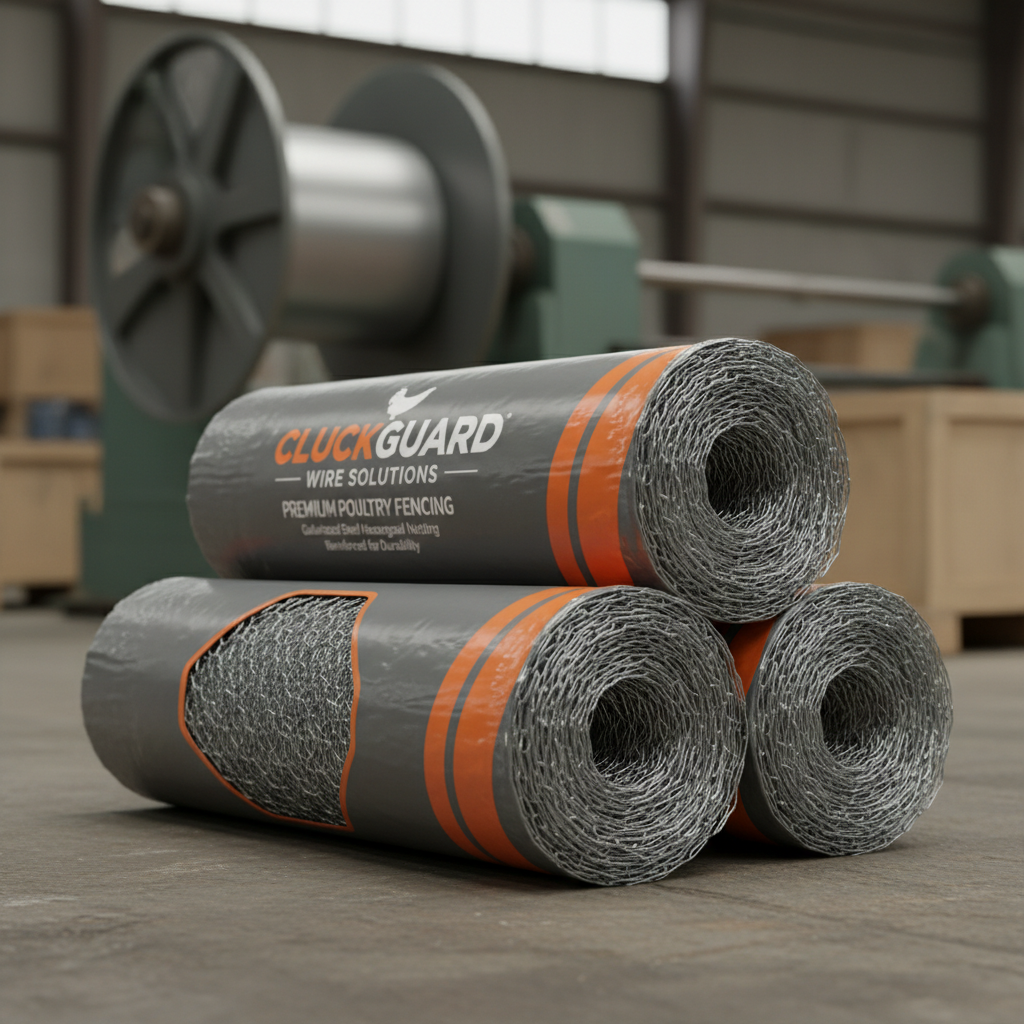
At its core, high-performance chicken coop mesh consists of three primary elements: the base metal (usually low-carbon steel), the coating (galvanized or PVC), and the weave geometry (hexagonal or welded). The hexagonal weave, commonly known as chicken wire, offers a unique balance of lightweight handling and structural stability, allowing it to contour to various shapes.
The "gauge" of the wire is perhaps the most critical specification. A lower gauge indicates a thicker wire, which provides superior protection against determined predators like foxes or raccoons. However, the trade-off is increased weight and cost, requiring a careful balance based on the specific security needs of the poultry enclosure.
Furthermore, the aperture size—the size of the holes in the mesh—must be calibrated to the size of the birds being kept. While a standard mesh prevents chickens from escaping, a tighter weave is necessary to keep out smaller pests like weasels or snakes, making the selection process a technical exercise in risk management.
Durability and Corrosion Resistance Analysis
The longevity of chicken coop mesh is primarily challenged by oxidation. In humid climates or coastal regions, untreated steel would rust within months, compromising the safety of the entire coop. This is why hot-dipped galvanization is the industry gold standard for outdoor poultry fencing.
Advanced PVC coating adds an extra layer of protection, not only shielding the metal from moisture but also reducing the likelihood of birds injuring themselves on sharp wire edges. This combination of a galvanized core and a polymer shell ensures that the chicken coop mesh remains intact for decades rather than years.
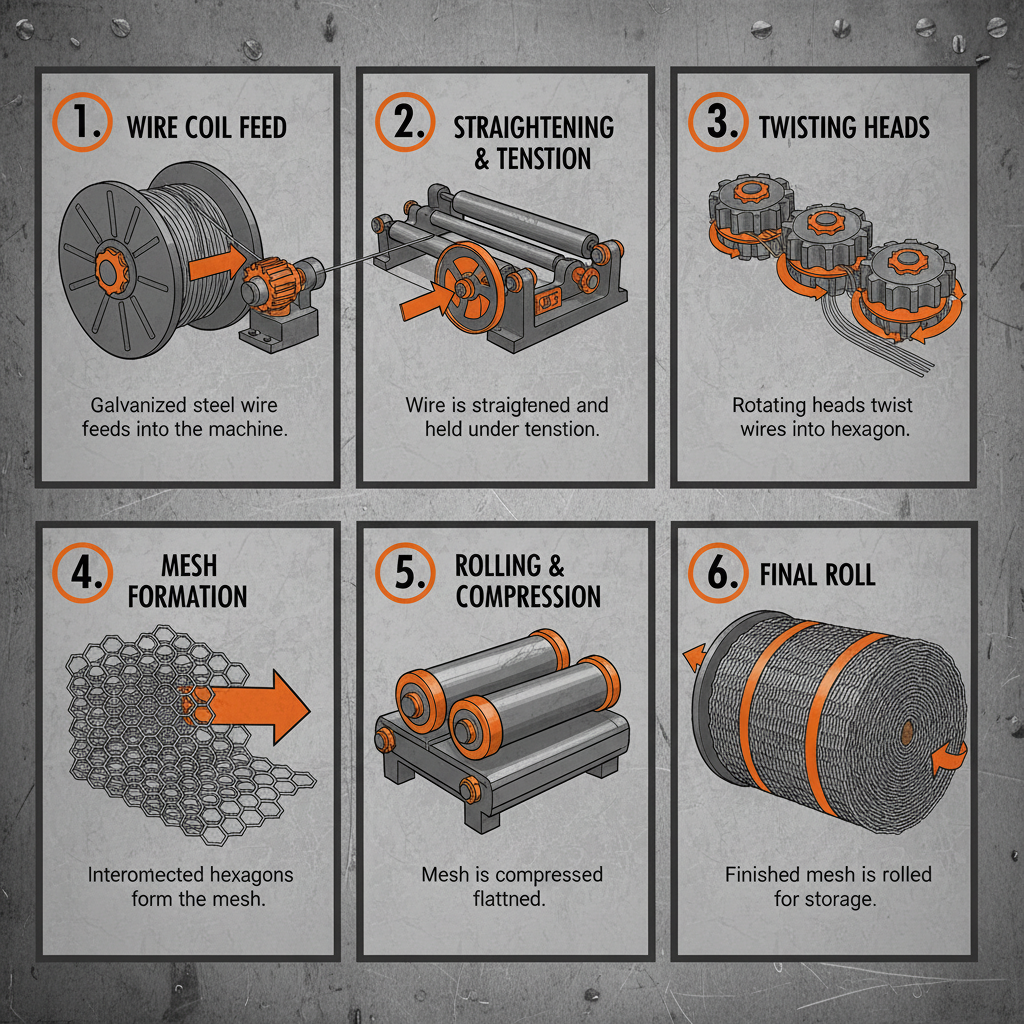
Moreover, the mechanical durability involves the mesh's ability to resist sagging. High-quality manufacturing ensures that the twists in the hexagonal wire are tight and consistent, preventing the mesh from stretching over time, which would otherwise create gaps that predators could exploit.
Performance Comparison of Different Mesh Types
Choosing between hexagonal mesh and welded wire mesh often depends on the specific goals of the poultry keeper. Hexagonal chicken coop mesh is prized for its affordability and ease of installation, making it ideal for temporary runs or ceiling enclosures.
Conversely, welded wire mesh provides a rigid, square structure that is significantly harder to bend or break. While it is more expensive and heavier, its structural integrity makes it the preferred choice for the lower portions of a coop where soil contact and predator digging are primary concerns.
Comparative Efficiency Ratings of Poultry Mesh Solutions
Global Applications and Real-World Use Cases
The application of chicken coop mesh extends far beyond simple backyard pens. In large-scale industrial poultry farms in Brazil and China, massive enclosures use specialized mesh to separate different age groups of birds, ensuring biosecurity and reducing the spread of disease through controlled physical barriers.
In rural community development projects across Sub-Saharan Africa, the provision of durable mesh helps smallholder farmers protect their livestock from predators, directly contributing to food security and local economic stability. In these contexts, the mesh acts as a tool for poverty alleviation by safeguarding a family's primary source of protein and income.
Long-Term Economic and Sustainable Value
Investing in high-grade chicken coop mesh is a decision based on "Total Cost of Ownership." While cheaper, non-galvanized options may save costs initially, the frequent need for replacement due to rust and the potential loss of livestock to predators make them far more expensive in the long run.
From a sustainability perspective, the use of recyclable steel and long-lasting coatings reduces the environmental footprint of the farm. A mesh that lasts twenty years generates significantly less waste than a low-quality alternative that must be discarded every three years.
Furthermore, the psychological value of security cannot be overstated. For the producer, knowing that the flock is encased in a professional-grade barrier allows for a focus on nutrition and health rather than constant anxiety over enclosure breaches.
Future Innovations in Poultry Fencing Technology
The future of chicken coop mesh is moving toward "smart" materials. We are seeing the emergence of alloy blends that offer the strength of stainless steel with the cost-effectiveness of galvanized carbon steel, utilizing nanotechnology to create surfaces that are naturally antimicrobial.
Integration with automation is another trend, where mesh panels are designed for modular, rapid-deployment systems. These systems allow farmers to quickly expand or contract their poultry runs based on seasonal needs or flock growth, utilizing interlocking mechanisms that maintain the structural integrity of the mesh.
Additionally, there is a growing push toward eco-friendly coatings. The industry is shifting away from traditional PVC toward bio-based polymers that provide the same corrosion resistance but are fully biodegradable at the end of the product's life cycle.
Comparative Analysis of Future Mesh Technologies
| Material Innovation |
Strength Rating |
Eco-Impact |
Market Adoption |
| Nano-Coated Alloy |
9/10 |
Medium |
Emerging |
| Bio-Polymer PVC |
7/10 |
Very Low |
Moderate |
| Modular Steel Grid |
10/10 |
Low |
High |
| Zinc-Aluminum Alloy |
8/10 |
Low |
Very High |
| Antimicrobial Mesh |
7/10 |
Medium |
Niche |
| Composite Fiber Mesh |
6/10 |
Low |
Low |
FAQS
It depends on your primary goal. Hexagonal mesh is lightweight, flexible, and cost-effective, making it perfect for coop ceilings or temporary runs. Welded mesh is far more rigid and durable, offering superior protection against digging predators, making it the best choice for the perimeter and base of the coop.
The best way to prevent rust is to choose hot-dipped galvanized mesh rather than electro-galvanized versions. For maximum longevity, especially in coastal or wet areas, opt for PVC-coated galvanized mesh, which provides a double barrier against moisture and corrosive pollutants.
For general use, 19 to 22 gauge is common. However, for high-pressure predator zones (e.g., areas with foxes or coyotes), a thicker 16 to 18 gauge welded wire mesh is highly recommended to prevent the wire from being bent or bitten through.
While possible, standard hexagonal chicken wire is designed primarily for poultry containment, not as a heavy-duty barrier. For a permanent garden fence that must withstand wind and animal pressure, we suggest using a combination of welded wire mesh for the bottom and hexagonal mesh for the top.
The most effective method is the "apron" technique. Extend your chicken coop mesh 12-24 inches outward along the ground away from the coop walls and pin it down. Predators typically dig at the base of the wall; the apron forces them to dig much deeper, which they usually abandon.
Yes, modern professional-grade PVC coatings are non-toxic and safe for livestock. In fact, they are often safer than raw galvanized wire because the smooth plastic coating prevents the birds from getting scratched or caught on sharp wire ends.
Conclusion
Selecting the appropriate chicken coop mesh is a foundational element of successful poultry management, balancing the technical requirements of material strength, corrosion resistance, and cost-efficiency. From the industrial precision of galvanized steel to the versatility of hexagonal weaves, the right mesh ensures that livestock are protected and farmers' investments are preserved against the elements and predators.
As the industry moves toward more sustainable materials and modular designs, the focus will continue to shift toward long-term durability and ecological responsibility. We recommend that producers evaluate their specific regional threats and environmental conditions before choosing a mesh type to maximize the lifespan of their infrastructure. Visit our website for professional solutions: www.yszwiremesh.com