Selecting the right chicken coop mesh wire is a fundamental decision for any poultry farmer or backyard enthusiast aiming to balance animal safety with structural longevity. In the global shift toward sustainable agriculture and organic farming, the quality of containment materials directly impacts the health of the livestock and the efficiency of the operation.
From a technical perspective, the performance of poultry fencing depends on a synergy of material science, including galvanization standards and tensile strength, to resist both the elements and predator intrusions. Understanding the nuances of mesh aperture and wire gauge ensures that the containment is not only a physical barrier but a long-term investment in farm infrastructure.
Across different climates and scales of production, the demand for reliable chicken coop mesh wire continues to grow, driving innovations in corrosion resistance and installation efficiency. This guide explores the comprehensive technical and practical aspects of choosing and implementing the ideal mesh solutions for modern poultry needs.
Global Relevance of Chicken Coop Mesh Wire
The global poultry industry is a cornerstone of food security, with production volumes increasing steadily to meet the protein demands of a growing population. In this context, chicken coop mesh wire serves as a critical infrastructure component that ensures the biosecurity and physical safety of flocks. By preventing the entry of wild birds and mammalian predators, high-quality mesh reduces livestock loss and minimizes the risk of disease transmission, adhering to international animal welfare standards.
From the vast industrial farms in North America to small-scale communal cooperatives in Southeast Asia, the requirement for durable, corrosion-resistant fencing is universal. The challenge often lies in the environmental stressors—such as high humidity in tropical zones or extreme salinity in coastal regions—which can rapidly degrade inferior materials, leading to costly replacements and compromised security.
Defining the Technical Standards of Poultry Mesh
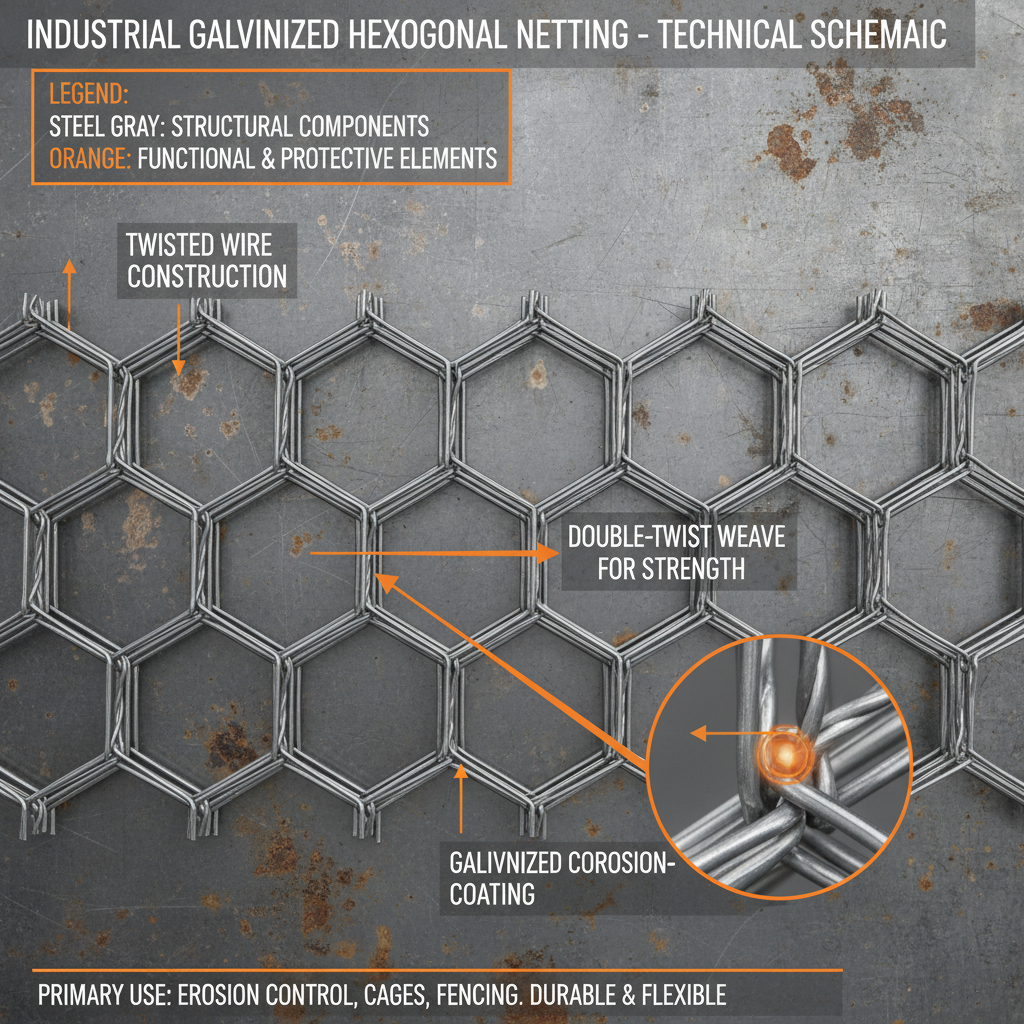
At its core, chicken coop mesh wire is a specialized wire product, often manufactured as hexagonal welded wire mesh or galvanized chain-link, designed specifically to enclose poultry. Unlike general-purpose fencing, poultry mesh must balance a tight enough aperture to keep chicks in and predators out, while maintaining a lightweight profile for easy installation and ventilation.
Modern industry standards focus heavily on the galvanization process. Whether through hot-dip galvanizing or electro-galvanizing, the goal is to create a zinc barrier that prevents oxidation. In the context of humanitarian aid and rural development, providing high-standard mesh allows emerging farmers to secure their assets, thereby fostering economic stability and local food independence.
Beyond simple containment, the definition of quality in chicken coop mesh wire involves the consistency of the weave and the strength of the welds. A professional-grade mesh ensures that there are no weak points or gaping holes, which are the primary failure points in low-cost, substandard alternatives.
Core Factors for Selecting Durable Mesh
The first critical factor is the material composition and coating of the chicken coop mesh wire. Galvanized steel is the industry standard, but the thickness of the zinc layer determines whether the fence will last two years or twenty. For those in high-corrosion environments, PVC-coated options provide an additional layer of protection against acid rain and soil moisture.
Aperture size and wire gauge are the second and third pillars of selection. A smaller mesh opening is essential for protecting young chicks and excluding small rodents, but it must be paired with a gauge that provides sufficient rigidity. If the chicken coop mesh wire is too thin, it may sag over time or be easily breached by determined predators like foxes or raccoons.
Finally, scalability and ease of installation play a role in long-term cost efficiency. Mesh that is easy to cut, bend, and secure to posts reduces labor costs and ensures a tight fit around the coop perimeter. When these factors—coating, gauge, and usability—are optimized, the resulting infrastructure provides a secure sanctuary for the birds and peace of mind for the owner.
Comparative Performance Analysis of Mesh Types
When comparing different variations of chicken coop mesh wire, it is important to analyze them based on specific performance metrics such as tensile strength, corrosion resistance, and ease of installation. Different weaving patterns, such as hexagonal versus rectangular, offer varying levels of structural stability and flexibility.
For instance, hexagonal mesh is often preferred for its ability to conform to uneven terrain, while welded rectangular mesh offers superior rigidity for larger commercial structures. The following data illustrates how different material treatments impact the overall rating of poultry containment solutions.
Comparative Performance of Chicken Coop Mesh Wire Variations
Global Applications and Use Case Scenarios
The application of chicken coop mesh wire extends far beyond simple backyard pens. In large-scale industrial poultry farms, these mesh systems are integrated into automated ventilation and safety corridors to ensure that birds are safely separated and protected from external contaminants. In these settings, the mesh must withstand rigorous cleaning protocols and chemical disinfectants without corroding.
In remote agricultural zones or post-disaster relief operations, modular fencing using poultry mesh is often deployed rapidly to help displaced farmers restart their livestock production. By providing a secure, low-cost means of protection, chicken coop mesh wire becomes a tool for economic resilience, allowing families to maintain a source of protein and income under challenging circumstances.
Long-Term Value and Sustainability Benefits
Investing in premium chicken coop mesh wire provides tangible long-term value by reducing the frequency of replacements. While lower-grade mesh may seem cost-effective initially, the "cost-per-year" of a high-quality galvanized product is significantly lower due to its extended lifespan. This reliability translates into greater operational stability and reduced waste.
From a sustainability perspective, using durable materials reduces the environmental footprint associated with the production and transport of replacement fencing. Moreover, high-quality steel mesh is fully recyclable at the end of its life cycle, aligning with the circular economy goals of the modern manufacturing sector.
Emotionally, the use of robust containment provides farmers with a sense of security and trust. Knowing that their livestock is safe from predators allows them to focus on optimizing feed, health, and productivity, which ultimately leads to higher-quality produce and a more ethical approach to animal husbandry.
Future Innovations in Wire Mesh Technology
The future of chicken coop mesh wire is being shaped by advances in metallurgy and automated production. We are seeing the introduction of nano-coatings that offer unprecedented resistance to moisture and organic acids found in poultry droppings, effectively eliminating the risk of rust in the most demanding environments.
Furthermore, the integration of digital manufacturing allows for "precision mesh," where the aperture and wire thickness can be varied across a single roll to provide maximum strength at the base and maximum ventilation at the top. This optimization reduces material waste while increasing the functional efficiency of the coop.
As the industry moves toward "green" manufacturing, the shift toward using recycled steel and eco-friendly galvanizing agents is becoming a priority. This ensures that the tools used to support food production are not compromising the environment for future generations.
Technical Analysis of Mesh Specifications for Poultry Applications
| Mesh Variant |
Corrosion Resistance |
Predator Protection |
Life Expectancy |
| Hot-Dip Galvanized |
High |
Excellent |
15-20 Years |
| Electro-Galvanized |
Medium |
Good |
5-8 Years |
| PVC Coated Steel |
Very High |
Excellent |
20+ Years |
| Stainless Steel (304) |
Maximum |
Maximum |
30+ Years |
| Welded Wire Mesh |
Medium |
High |
10-12 Years |
| Uncoated Mild Steel |
Low |
Fair |
2-3 Years |
FAQS
For maximum predator protection, a gauge between 16 and 19 is recommended. While thinner wires are easier to handle, they can be bitten through by rodents or pushed aside by larger predators. Heavy-duty galvanized welded mesh in the 16-gauge range offers the best balance of rigidity and safety, ensuring that foxes and raccoons cannot penetrate the enclosure.
Hot-dip galvanizing involves immersing the wire in molten zinc, creating a thick, durable layer that protects the steel from both sides. Electro-galvanizing uses an electrical current to apply a thinner zinc layer. For chicken coop mesh wire, hot-dip is significantly superior for outdoor use as it offers far better corrosion resistance in humid or rainy environments.
Yes, if you live in a coastal area with salt air or a region with high rainfall. PVC coating prevents the underlying steel from oxidizing, which means you won't have to replace your fencing every few years. While the initial investment is higher, the extended lifespan and reduced maintenance make it a cost-effective choice for long-term backyard setups.
Hexagonal mesh is generally too flexible for flooring and may sag under the weight of the birds or the soil. For floors, we recommend using welded wire mesh with a smaller aperture and a heavier gauge. This provides the structural support needed to prevent birds from digging out and keeps the floor stable and easy to clean.
The best method is to create an "apron" using your chicken coop mesh wire. Extend the mesh 12-18 inches outward from the bottom of the coop along the ground and pin it down. Predators typically dig at the base of the wall; the apron forces them to dig further out, which they are unlikely to do.
For standard chickens, a 1-inch aperture is common. However, for bantams or young chicks, a 1/2-inch or 1/4-inch mesh is necessary to prevent them from slipping through. Always prioritize the smallest bird in your flock when selecting the aperture size to ensure total containment and safety.
Conclusion
In summary, the selection of chicken coop mesh wire is a critical intersection of material science and practical animal husbandry. By focusing on the core pillars of galvanization quality, wire gauge, and aperture size, farmers can build enclosures that are not only impenetrable to predators but also resistant to the degrading effects of the environment. The transition from basic mild steel to advanced hot-dip galvanized or PVC-coated options represents a shift toward more sustainable, lower-maintenance, and more ethical farming practices.
Looking forward, the poultry industry will continue to benefit from innovations in eco-friendly coatings and precision manufacturing, further enhancing the biosecurity of flocks globally. Whether you are managing a large-scale commercial operation or a small home garden, investing in high-specification mesh is the most reliable way to protect your livestock and ensure the longevity of your infrastructure. For professional-grade solutions tailored to your specific needs, visit our website: www.yszwiremesh.com.