Mar . 12, 2026 03:11 Back to list
Comprehensive Guide to Rabbit Netting for Garden and Crop Protection
Understanding Rabbit Netting: A Comprehensive Guide
Protecting gardens, crops, and livestock from unwanted pests requires effective solutions. Rabbit netting stands out as a durable and reliable option for preventing rabbit damage. This guide explores the benefits of rabbit netting, its various applications, materials, installation tips, and factors to consider when purchasing. Whether you're a homeowner safeguarding a vegetable patch or a farmer protecting valuable crops, understanding rabbit netting is essential for successful pest control.
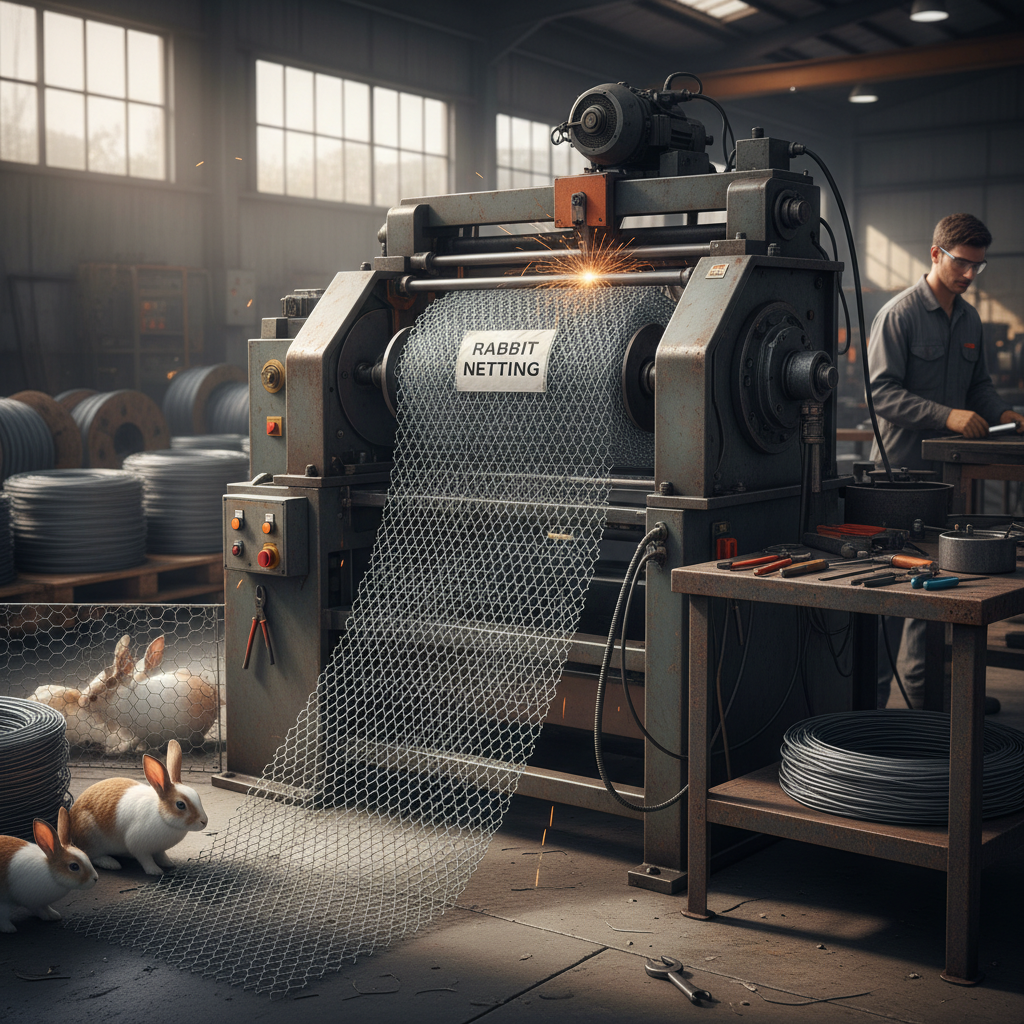
Why Choose Rabbit Netting for Pest Control?
Rabbit netting offers a non-lethal and humane method of preventing rabbit access to your plants and property. Compared to other control methods like trapping or repellents, netting provides a physical barrier that’s effective long-term. It’s also a cost-effective solution, especially when considering the potential damage rabbits can inflict on gardens and crops. Furthermore, it doesn't pose a risk to other wildlife or pets. Choosing the right rabbit netting from a reputable supplier ensures quality and durability, leading to lasting protection.
Key Benefits: Provides a humane and non-lethal solution, cost-effective long-term protection, prevents damage to gardens and crops, and poses no risk to other wildlife.
Types of Rabbit Netting Materials
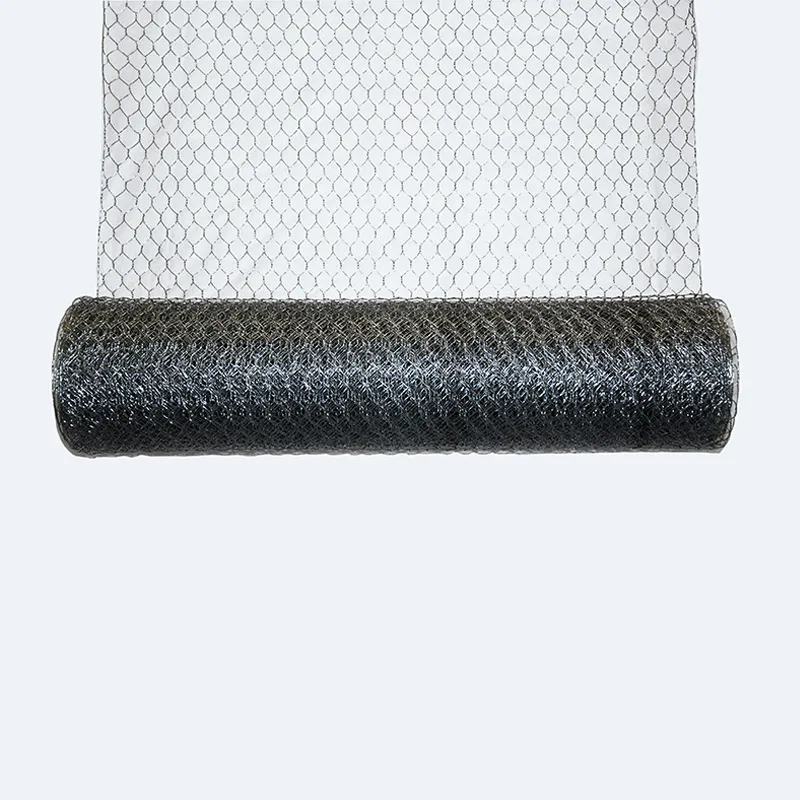
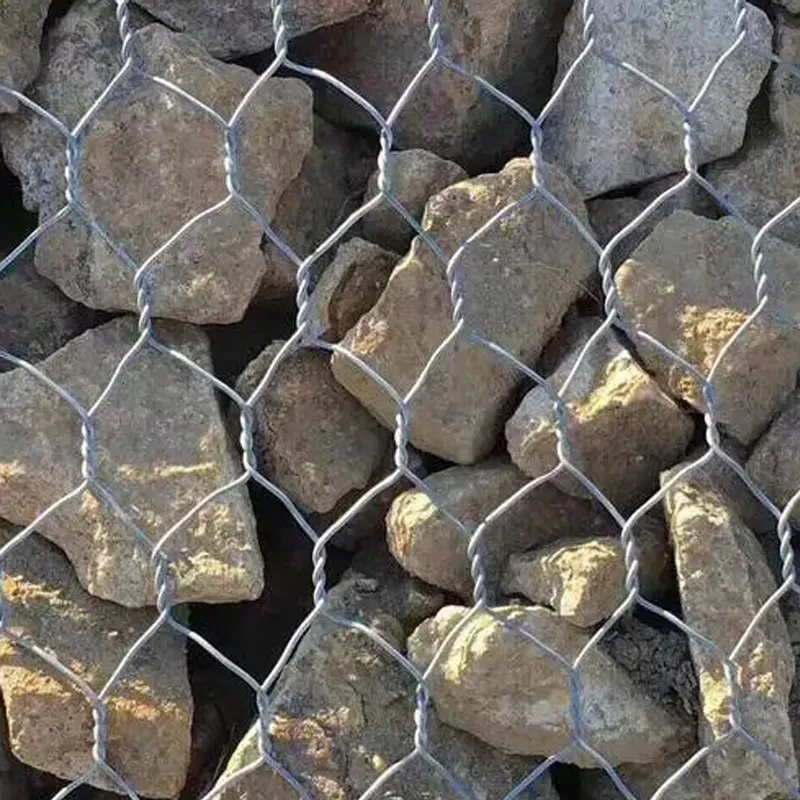
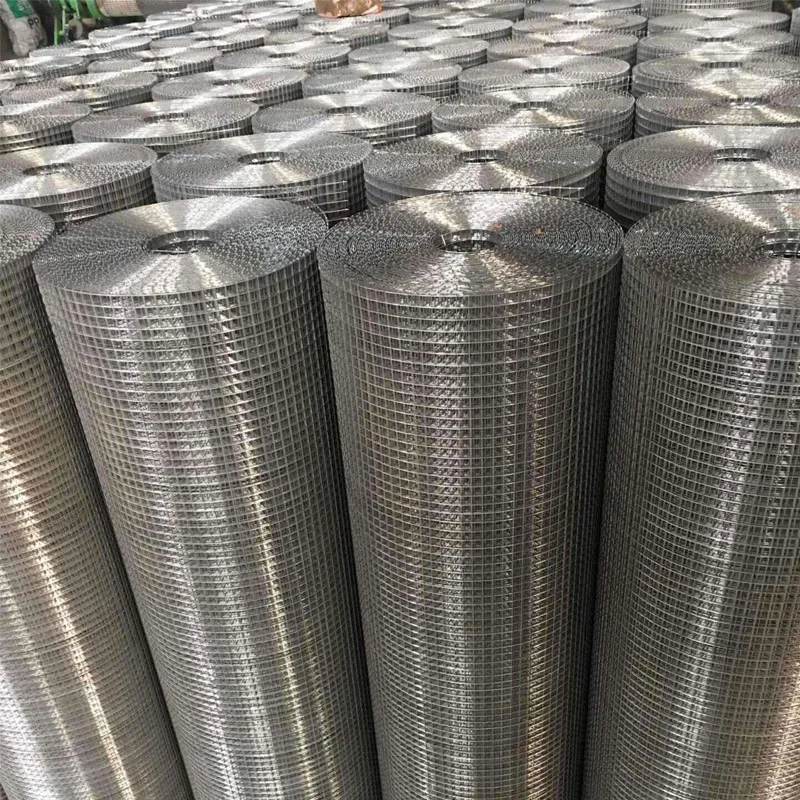
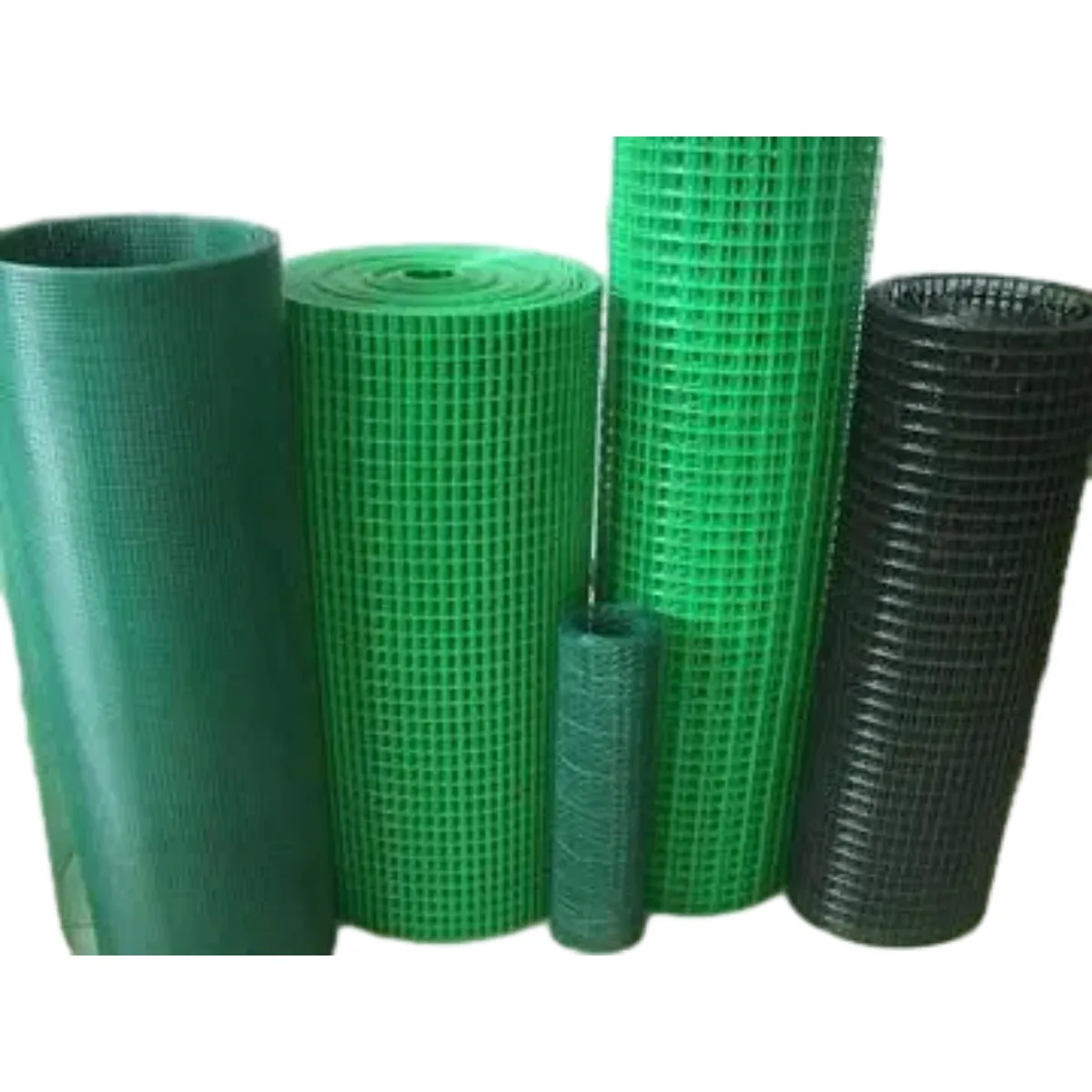
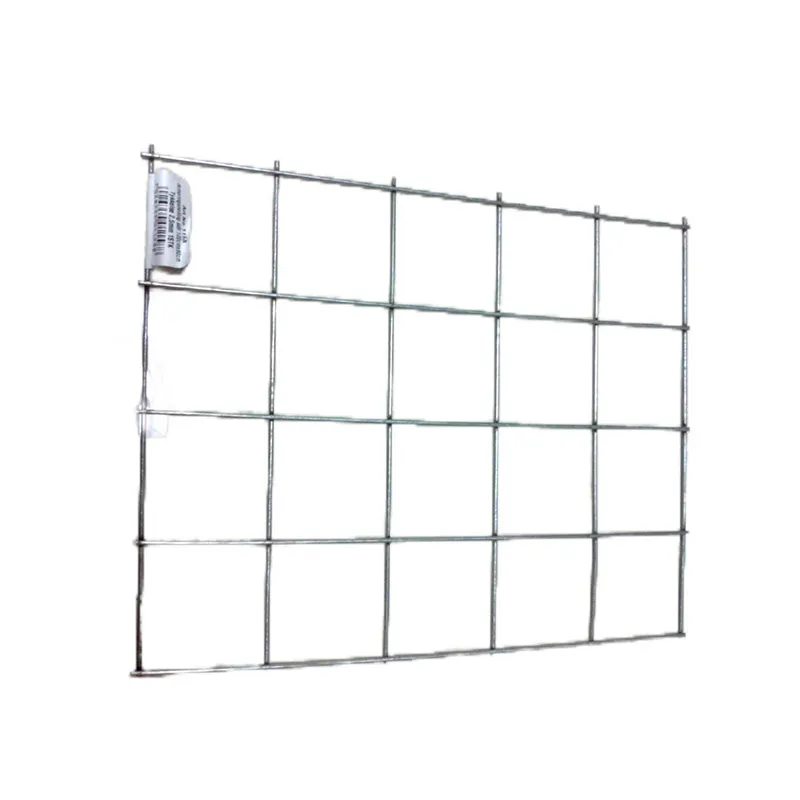
Rabbit netting is available in various materials, each with its own advantages. Common options include galvanized steel wire, PVC-coated wire, and plastic netting. Galvanized steel provides excellent durability and strength, making it suitable for long-term use. PVC-coated wire offers additional corrosion resistance, ideal for damp environments. Plastic netting is a lightweight and affordable option, but may not be as durable as metal alternatives. The best material will depend on your specific needs and the level of protection required. YSZ Wiremesh offers a range of materials to suit different applications.
Material Comparison:
• Galvanized Steel: Durable, strong, long-lasting.
• PVC-Coated Wire: Corrosion resistant, suitable for damp conditions.
• Plastic Netting: Lightweight, affordable, less durable.
Rabbit Netting Mesh Size and Height Considerations
Selecting the appropriate mesh size and height is crucial for effective rabbit control. A smaller mesh size (e.g., 1 inch x 1 inch) prevents young rabbits from squeezing through. For adult rabbits, a mesh size of 1.5 to 2 inches is generally sufficient. The height of the netting should be at least 3 feet, but 4 feet or higher is recommended to deter rabbits from jumping over. Consider the rabbit population in your area and the potential jumping ability of the rabbits when determining the appropriate height.
Installation Tips for Effective Rabbit Netting
Proper installation is critical to ensure the netting effectively keeps rabbits out. Secure the netting firmly to posts or stakes driven into the ground. Bury the bottom edge of the netting a few inches into the ground to prevent rabbits from digging underneath. Use zip ties, staples, or wire to attach the netting to the supports. Regularly inspect the netting for holes or damage and make repairs promptly. Consider adding a slight outward flare to the bottom edge of the netting to further discourage digging.
Choosing the Right Supplier: YSZ Wiremesh
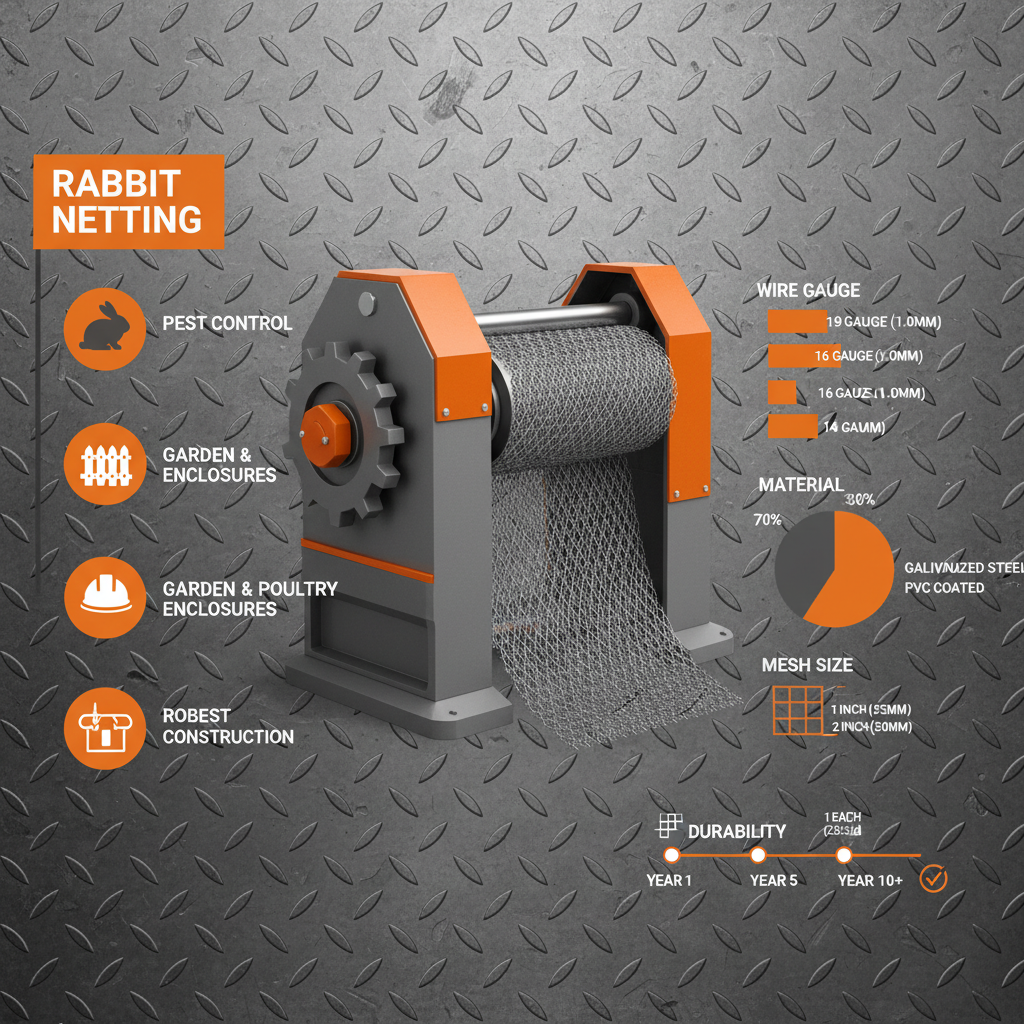
Selecting a reliable supplier like YSZ Wiremesh ensures you receive high-quality rabbit netting that meets your specific needs. We offer a wide range of netting materials, mesh sizes, and heights, along with expert advice to help you make the best choice. Our commitment to quality and customer satisfaction makes us a trusted partner for pest control solutions. Contact us today to discuss your requirements and receive a quote.
Conclusion: Protecting Your Investments with Quality Rabbit Netting
Investing in quality rabbit netting from a trusted supplier like YSZ Wiremesh is a proactive step towards protecting your gardens, crops, and property from rabbit damage. By selecting the right materials, mesh size, and height, and following proper installation techniques, you can create an effective barrier that keeps rabbits at bay. Don't let rabbits ruin your hard work – choose YSZ Wiremesh for reliable pest control solutions.
Frequently Asked Questions (FAQs)
How long does rabbit netting typically last?
The lifespan of rabbit netting depends on the material used and environmental conditions. Galvanized steel netting can last for 10-20 years with proper maintenance. PVC-coated wire typically lasts 5-10 years. Plastic netting has a shorter lifespan, generally 1-3 years, especially if exposed to direct sunlight. Regular inspection and repair of any damage will extend the netting’s life. Choosing higher-quality materials initially will also result in a longer-lasting solution.
Can rabbit netting be used for other pests?
Yes, rabbit netting can be effective against other small pests like squirrels, cats, and even some birds, depending on the mesh size. However, it’s specifically designed for rabbits, so other pest control methods may be more appropriate for certain animals. Consider the size of the pest and the mesh size when determining if rabbit netting is a suitable solution.
Is rabbit netting safe for pets?
Rabbit netting is generally safe for pets, but it's important to choose a netting material that won't cause injury if an animal gets tangled. Avoid sharp or jagged edges. Supervise pets when they are near the netting, especially during installation. Consider using a softer material like plastic netting if you have pets that are prone to getting caught.
-
High Quality Aviary Mesh Panels for Secure Bird Enclosures
NewsApr.16,2026
-
Ultimate Guide to Choosing the Best Aviary Fencing for Birds
NewsApr.09,2026
-
Comprehensive Guide to White Chicken Wire Applications and Benefits
NewsApr.07,2026
-
Comprehensive Guide to Chicken Mesh Fencing Applications and Installation
NewsApr.04,2026
-
Comprehensive Guide to Selecting the Best Sheep Netting Fence for Your Farm
NewsMar.31,2026
-
Comprehensive Guide to Chicken Wire Netting Applications and Installation
NewsMar.28,2026