Mar . 21, 2026 03:07 Back to list
Comprehensive Guide to Metal Chicken Wire Applications and Purchasing Considerations
Understanding Metal Chicken Wire: Applications and Benefits
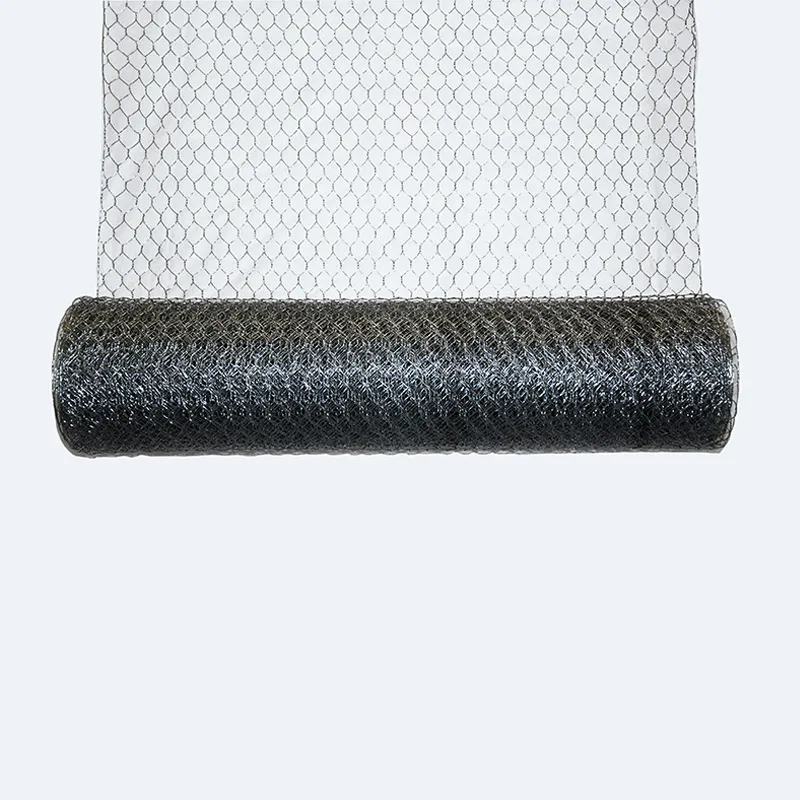
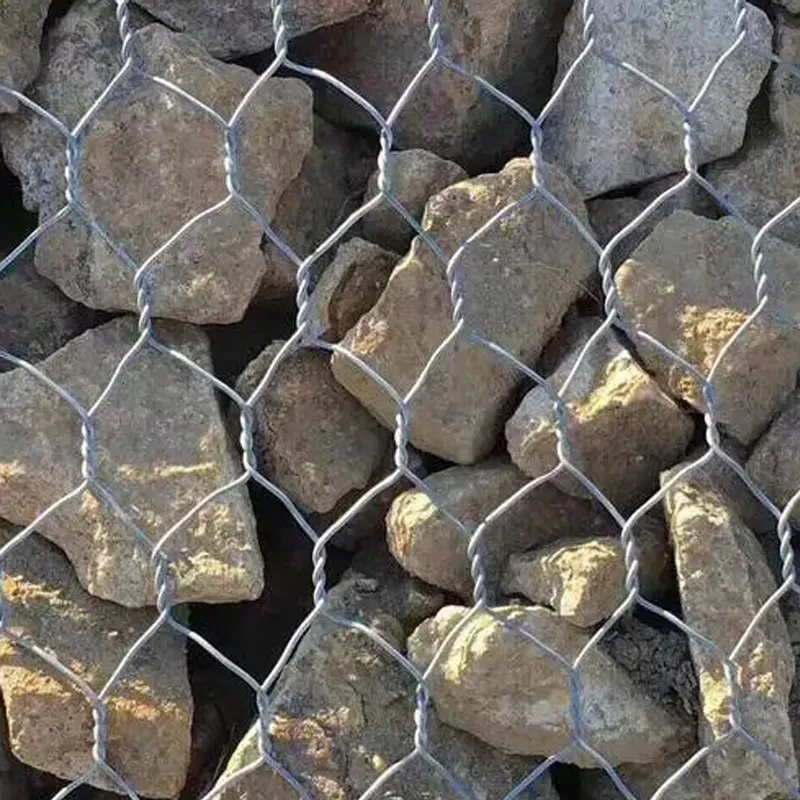
Metal chicken wire, also known as poultry netting, is a versatile woven wire mesh with a long history of use in agriculture, construction, and various DIY projects. Its hexagonal openings make it lightweight yet strong, providing effective protection and containment. This article will explore the different types of metal chicken wire, its common applications, the benefits of using it, and factors to consider when making a purchase. We'll also highlight how YSZ Wire Mesh provides high-quality chicken wire solutions for a wide range of needs.
Types of Metal Chicken Wire
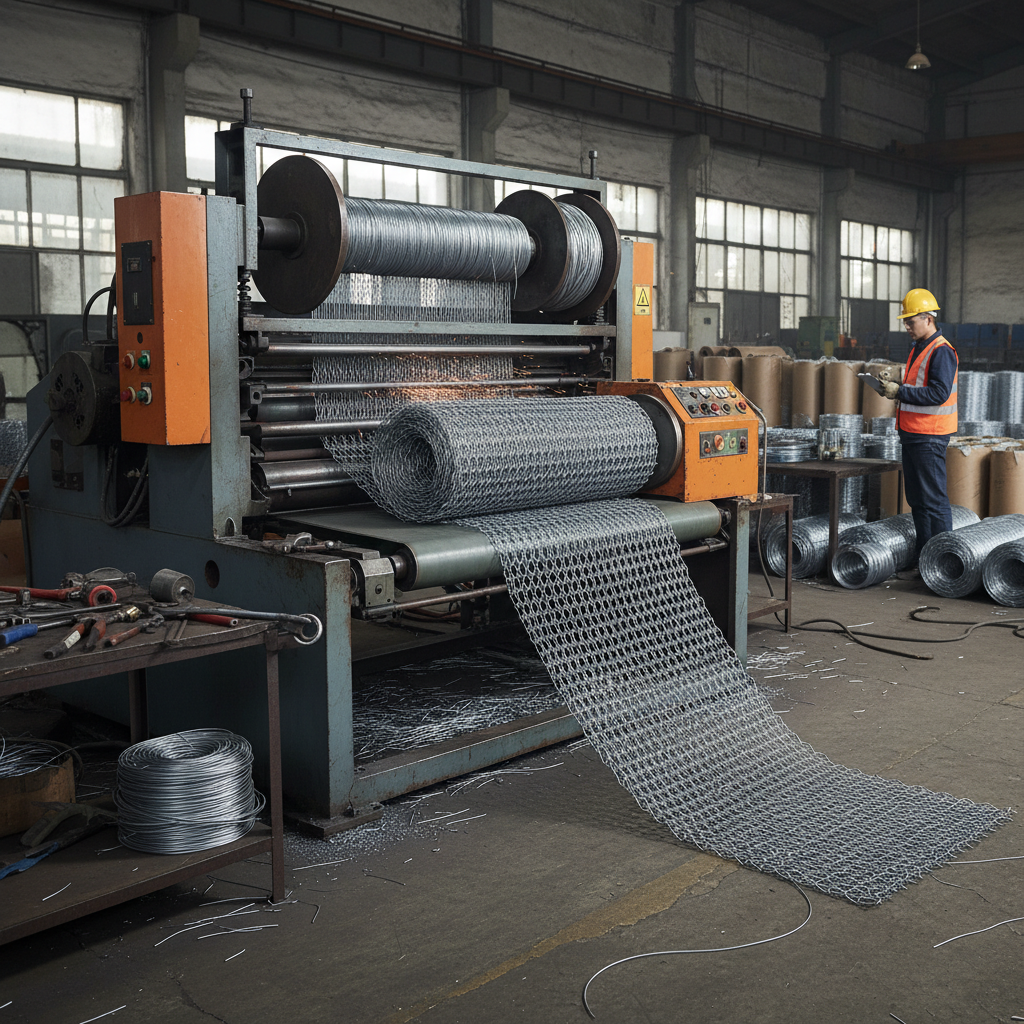
Metal chicken wire isn't a one-size-fits-all product. It comes in several variations, primarily differing in material and gauge (wire thickness). The most common types include:
- Galvanized Steel Chicken Wire: The most popular and cost-effective option, offering good rust resistance for general outdoor use.
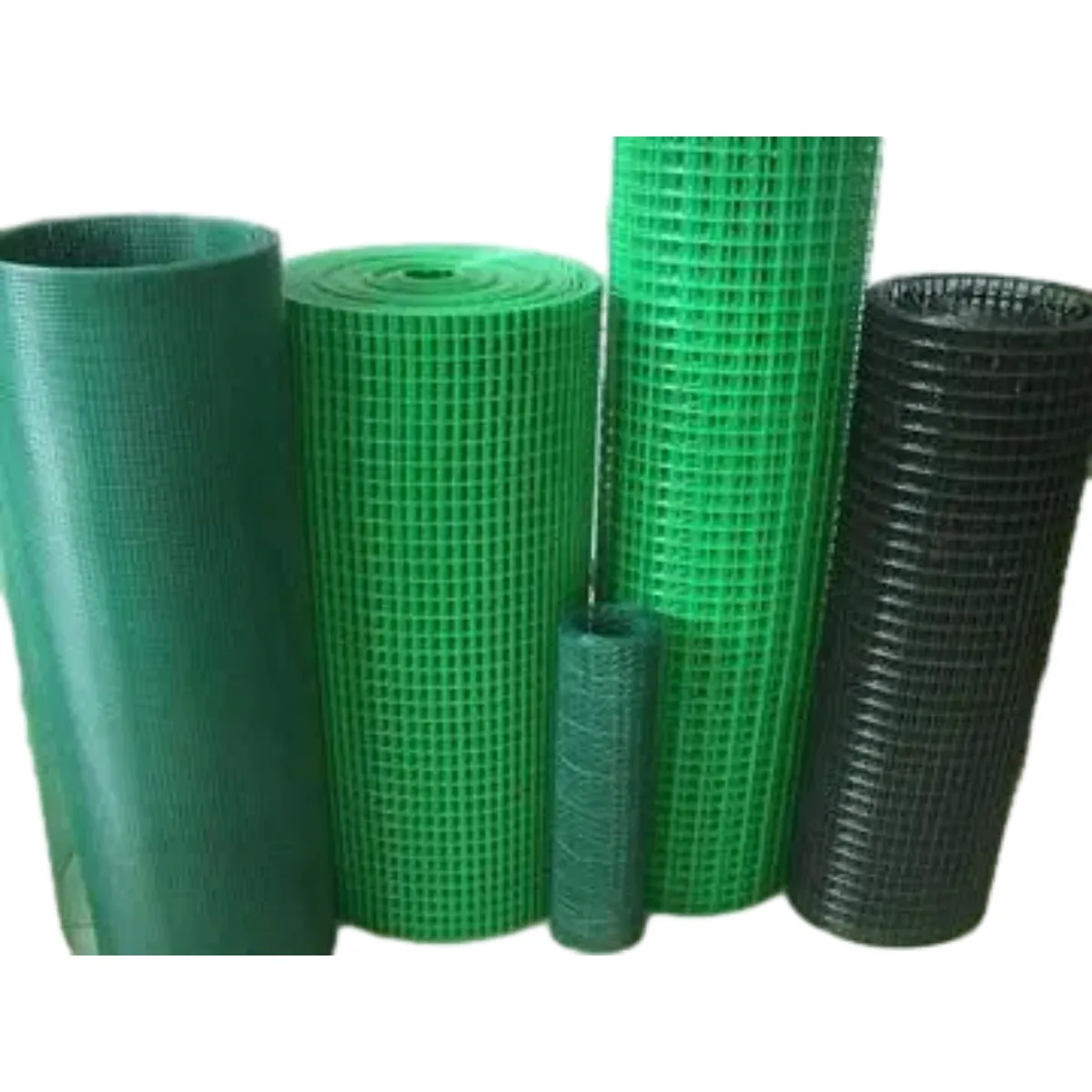
- PVC Coated Chicken Wire: Galvanized steel with a PVC coating for enhanced corrosion protection, ideal for coastal environments or applications involving frequent moisture exposure.
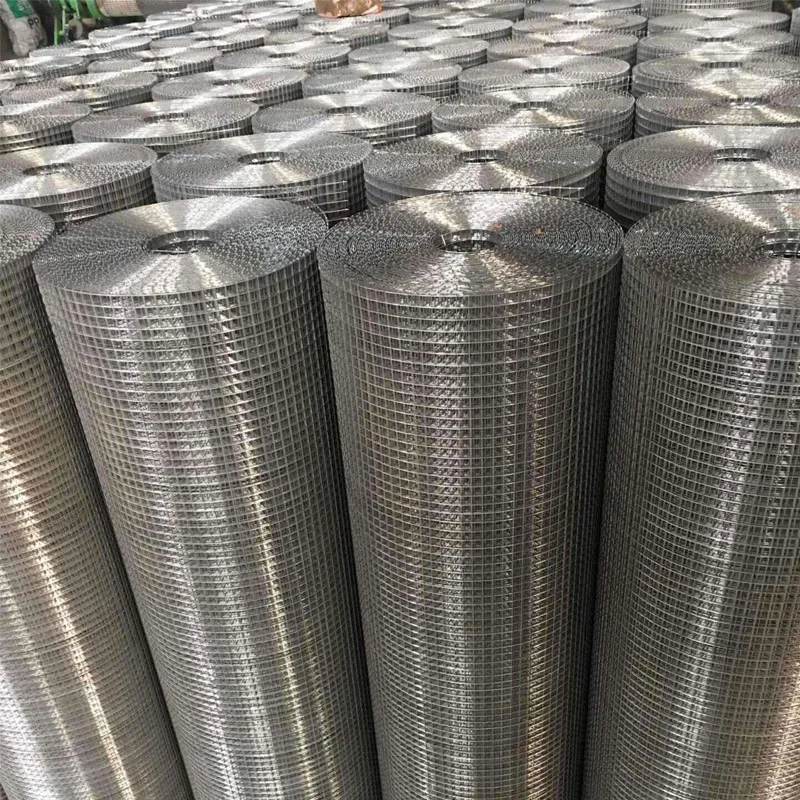
- Stainless Steel Chicken Wire: Provides the highest level of corrosion resistance and is suitable for demanding environments or applications requiring hygiene, such as food processing.
Common Applications of Metal Chicken Wire
The versatility of metal chicken wire leads to a wide array of applications. Here are some of the most common:
- Poultry Enclosures: Protecting chickens and other poultry from predators.
- Garden Protection: Keeping rabbits, deer, and other animals out of vegetable gardens.
- Craft Projects: Sculptures, decorative items, and other artistic endeavors.
- Building Construction: As a base for stucco or plaster, providing reinforcement.
- Tree Guards: Protecting young trees from animal damage.
- Ventilation Screens: Providing airflow while keeping out insects.
Key Highlight: The hexagonal weave of chicken wire provides a strong yet flexible mesh, making it easy to work with and conform to various shapes.
Benefits of Using Metal Chicken Wire
Choosing metal chicken wire offers several advantages:
- Cost-Effective: Relatively inexpensive compared to other fencing materials.
- Lightweight: Easy to handle and install.
- Durable: Provides long-lasting protection when properly maintained.
- Versatile: Suitable for a wide range of applications.
- Easy to Cut & Shape: Can be easily cut and shaped with basic tools.
Key Benefits:
• Cost-Effective and readily available.
• Lightweight and easy to handle during installation.
• Durable and provides long-lasting protection.
Metal Chicken Wire: Comparing Materials and Gauges
Selecting the right metal chicken wire depends on your specific needs. Here's a comparison of common materials and gauges:
Factors to Consider When Purchasing Metal Chicken Wire
Before buying metal chicken wire, consider these factors:
- Mesh Size: Smaller mesh sizes offer greater protection against smaller animals.
- Wire Gauge: Thicker wire provides greater strength and durability.
- Material: Choose a material that suits your environment and application.
- Roll Length: Purchase the appropriate length for your project.
- Supplier Reputation: Choose a reputable supplier like YSZ Wire Mesh for quality assurance.
Conclusion: Choosing the Right Metal Chicken Wire
Investing in the right metal chicken wire is crucial for ensuring effective protection and longevity. By considering the material, gauge, mesh size, and your specific application, you can select the perfect solution for your needs. YSZ Wire Mesh is your trusted partner for high-quality chicken wire and expert advice.
Frequently Asked Questions (FAQs)
How do I cut metal chicken wire safely?
Cutting metal chicken wire can be tricky due to its sharp edges. Always wear heavy-duty gloves and safety glasses. Use wire cutters or tin snips designed for this purpose. Avoid using a knife or scissors, as they may not provide a clean cut and could cause injury. When cutting, work slowly and carefully to avoid unraveling the mesh. It's helpful to use pliers to bend back any sharp wire ends after cutting to prevent accidental cuts.
What is the best way to secure metal chicken wire to a wooden frame?
Staples are the most common and efficient way to secure metal chicken wire to a wooden frame. Use a staple gun with staples of appropriate length (usually ¾ inch to 1 inch). Space the staples approximately 4-6 inches apart along the frame. For added security, consider using galvanized staples to prevent rusting. You can also use wire ties or hog rings for a more permanent hold, especially in areas that experience high tension or stress. Ensure the wire is pulled taut before securing it to avoid sagging.
How long will galvanized chicken wire last?
The lifespan of galvanized chicken wire depends on environmental factors. In relatively dry climates, it can last 5-10 years or longer. However, in coastal areas or regions with high humidity, the galvanization can corrode more quickly, potentially reducing its lifespan to 3-5 years. PVC-coated chicken wire offers significantly better corrosion resistance and will last considerably longer in harsh environments. Regular inspection for rust and timely replacement are crucial for maintaining its effectiveness.
Can metal chicken wire be recycled?
Yes, metal chicken wire is generally recyclable as scrap metal. However, it's important to remove any non-metallic components, such as PVC coating or wooden attachments, before recycling. Check with your local recycling center to confirm their specific requirements for accepting scrap metal. Recycling helps conserve resources and reduce landfill waste.
-
High Quality Aviary Mesh Panels for Secure Bird Enclosures
NewsApr.16,2026
-
Ultimate Guide to Choosing the Best Aviary Fencing for Birds
NewsApr.09,2026
-
Comprehensive Guide to White Chicken Wire Applications and Benefits
NewsApr.07,2026
-
Comprehensive Guide to Chicken Mesh Fencing Applications and Installation
NewsApr.04,2026
-
Comprehensive Guide to Selecting the Best Sheep Netting Fence for Your Farm
NewsMar.31,2026
-
Comprehensive Guide to Chicken Wire Netting Applications and Installation
NewsMar.28,2026