Mar . 05, 2026 03:07 Back to list
Comprehensive Guide to Durable and Versatile Coated Chicken Wire Solutions
Understanding Coated Chicken Wire: A Comprehensive Guide
Coated chicken wire is a versatile and durable material widely used in various applications, from agriculture and construction to crafting and home improvement. Its protective coating enhances its longevity and functionality. This article provides an in-depth look at coated chicken wire, exploring its types, applications, benefits, and what to consider when making a purchase. Whether you're a seasoned professional or a DIY enthusiast, understanding the nuances of this material can help you choose the right product for your needs. You can explore a wide range of options at YSZWiremesh.com.
What is Coated Chicken Wire?
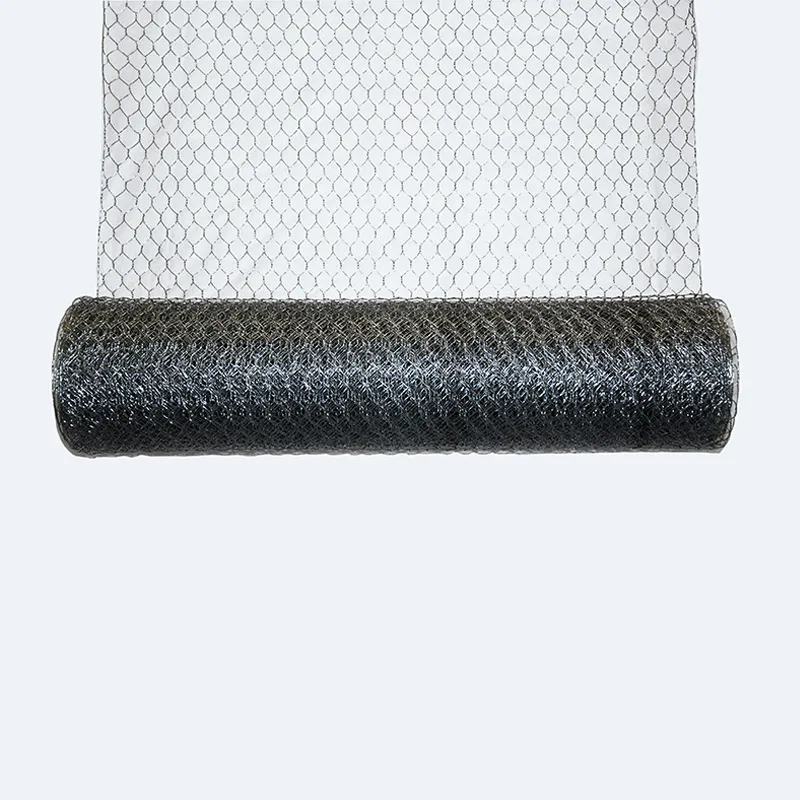
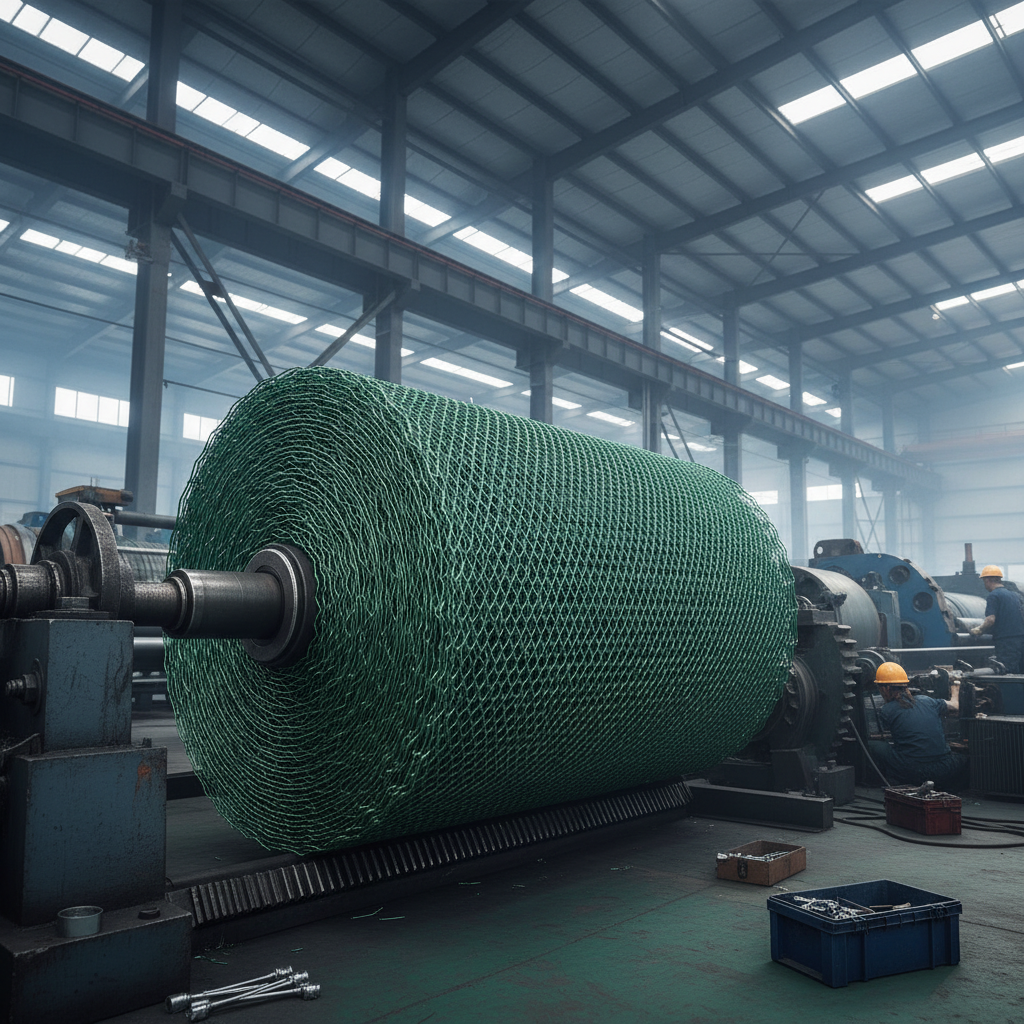
Chicken wire, in its basic form, is a woven wire mesh typically made from galvanized steel. However, uncoated chicken wire is susceptible to rust and corrosion, limiting its lifespan, particularly in outdoor environments. Coating the wire with materials like PVC, vinyl, or polyethylene significantly improves its resistance to the elements. This coating process not only protects the wire from rust but also provides added durability and can even introduce color options for aesthetic purposes. Essentially, coated chicken wire is a more robust and versatile version of the traditional material.
Key Benefit: The primary advantage of coating chicken wire is enhanced corrosion resistance, extending its lifespan and reducing maintenance costs.
Types of Coatings for Chicken Wire
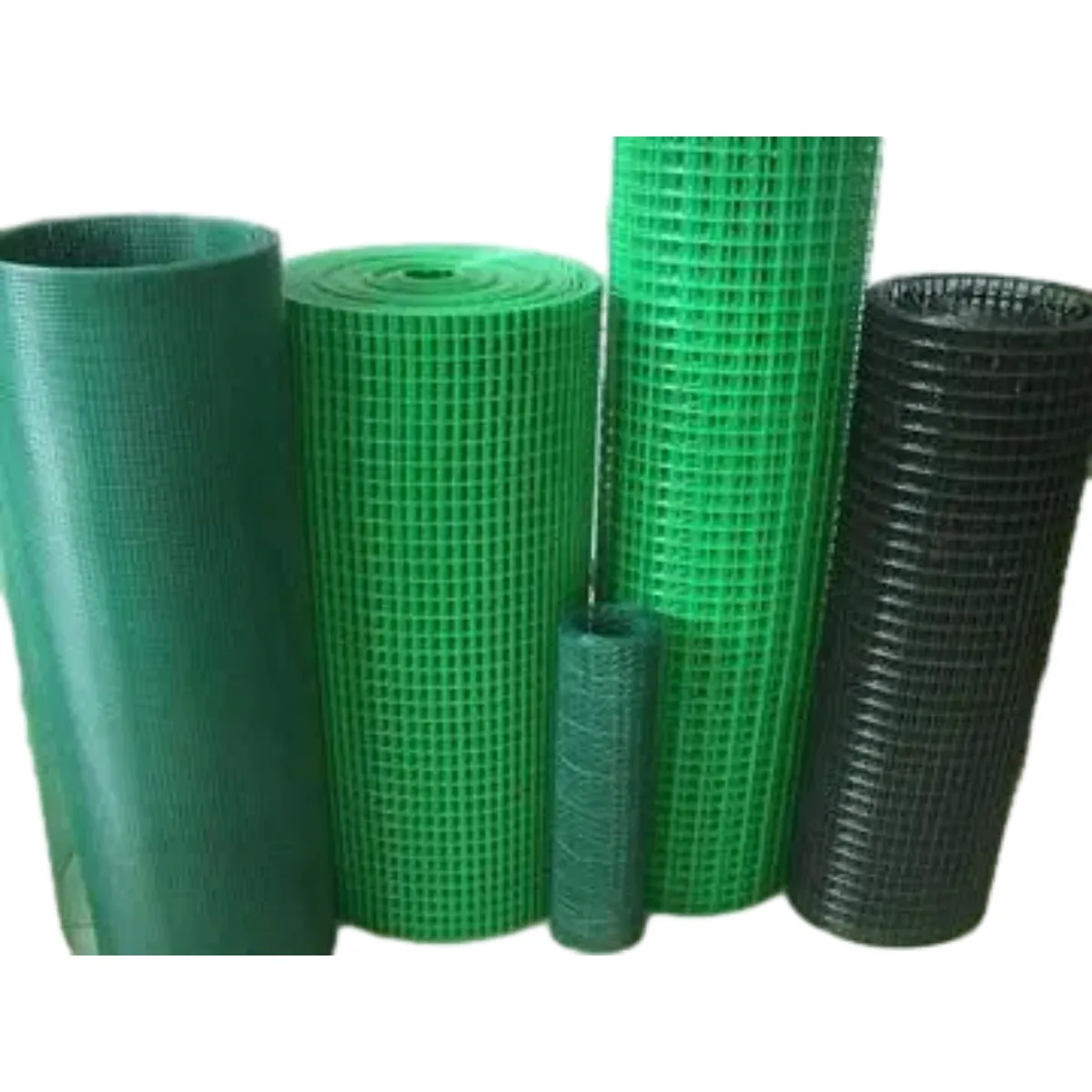
Several types of coatings are commonly used on chicken wire, each offering distinct advantages. PVC (Polyvinyl Chloride) coating is popular for its excellent weather resistance and affordability. Vinyl coating provides a similar level of protection and often comes in a wider range of colors. Polyethylene coating is known for its flexibility and impact resistance. The choice of coating depends on the intended application and desired level of protection.
Coating Comparison:
• PVC: Excellent weather resistance, cost-effective
• Vinyl: Wide color options, durable
• Polyethylene: Flexible, impact resistant
Coated Chicken Wire Applications
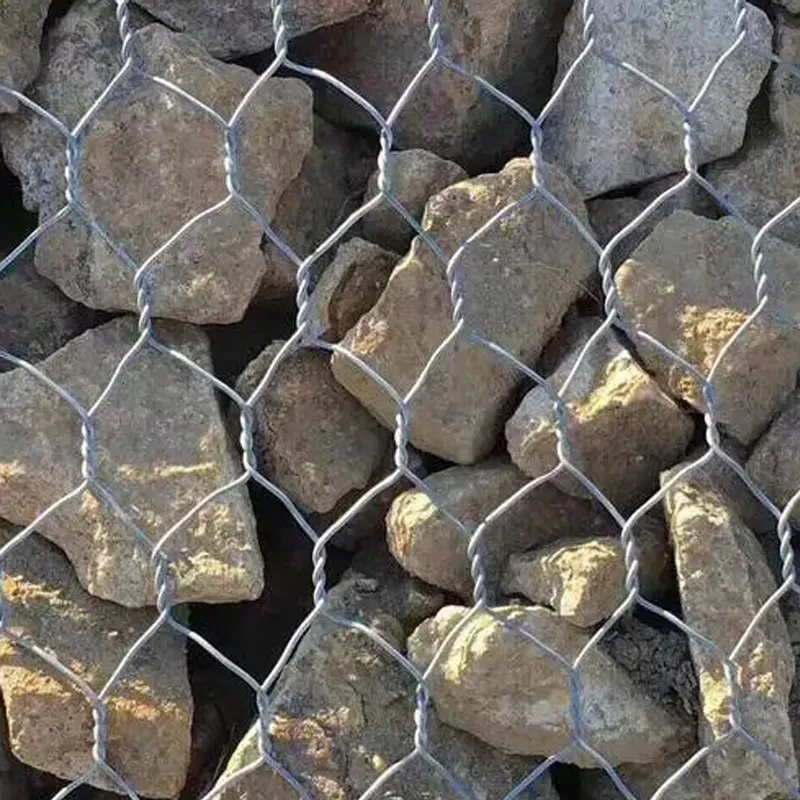
The applications of coated chicken wire are incredibly diverse. In agriculture, it's used to create poultry enclosures, protect gardens from pests, and support climbing plants. In construction, it serves as a reinforcing mesh in plastering and concrete, as well as for temporary fencing. Homeowners often use it for crafting projects, creating decorative screens, or building small animal cages. Its versatility makes it a staple material in many industries and households.
Choosing the Right Coated Chicken Wire
When selecting coated chicken wire, consider several factors. First, determine the gauge (wire thickness) needed for your project – heavier gauges offer greater strength and durability. Second, assess the level of corrosion resistance required based on the environmental conditions. Third, choose a coating that suits your aesthetic preferences or functional needs. Finally, verify the mesh size to ensure it's appropriate for your application. For a broad selection and expert advice, visit YSZWiremesh.com.
Product Specifications and Available Sizes
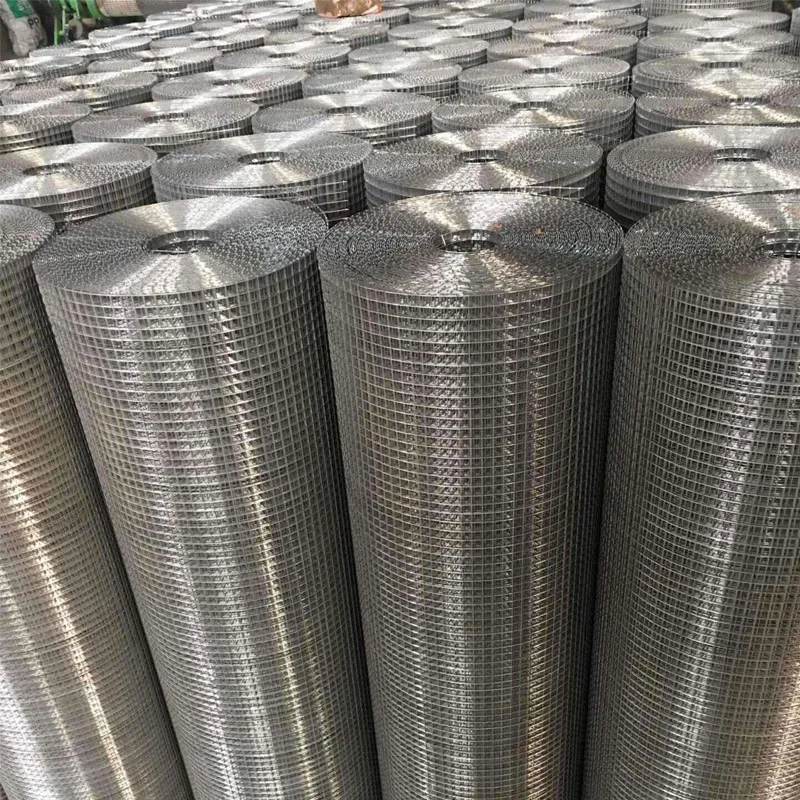
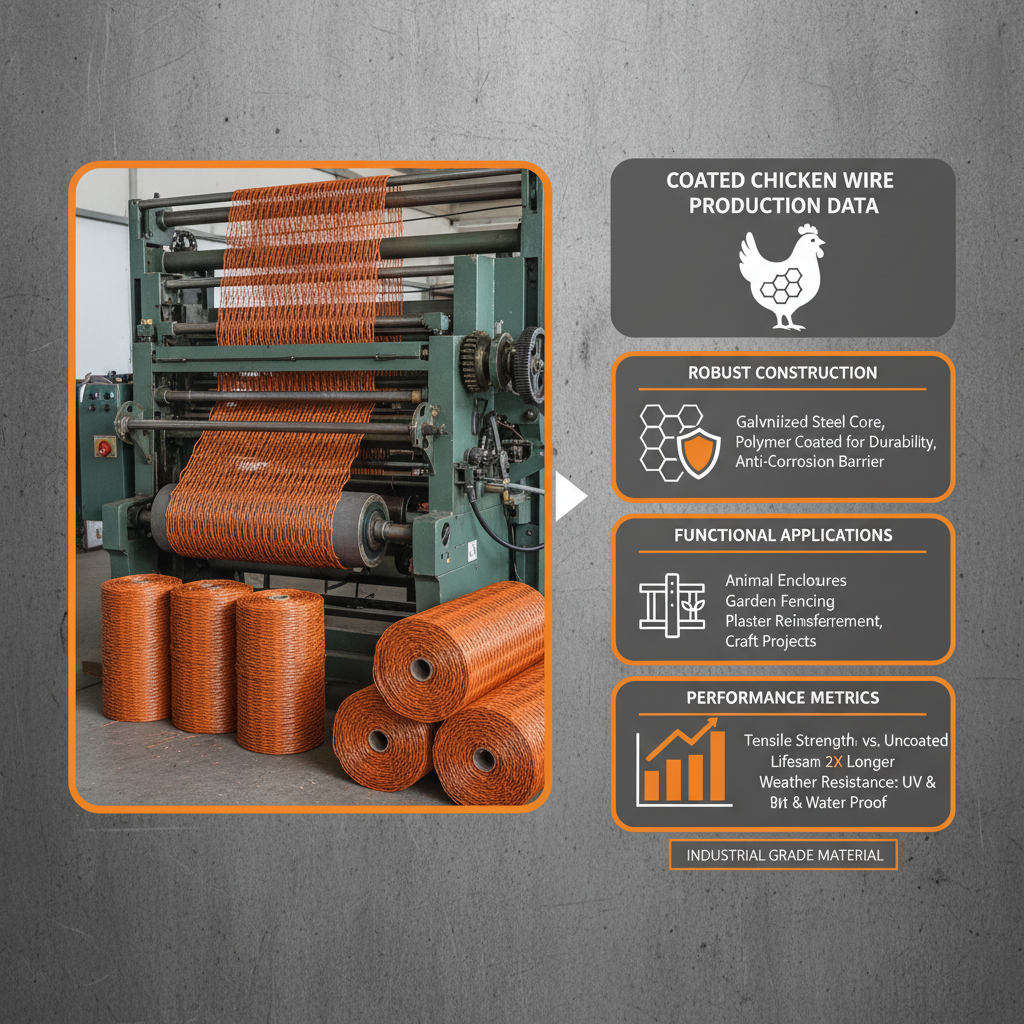
We offer a wide range of coated chicken wire to meet diverse needs. Key specifications include wire gauge (ranging from 18 to 24 gauge), mesh size (available in ½ inch, 1 inch, and 2 inch openings), and coating type (PVC, vinyl, and polyethylene). Rolls are typically available in lengths of 50ft, 100ft, and custom lengths can be accommodated. Below is a sample specification table:
Conclusion: Choosing the Right Coated Chicken Wire for Your Needs
Choosing the right coated chicken wire requires considering the application, environmental conditions, and desired aesthetic. By understanding the different types of coatings, mesh sizes, and gauges available, you can make an informed decision that ensures durability, functionality, and cost-effectiveness. Explore the extensive selection at YSZWiremesh.com for all your wire mesh needs.
Frequently Asked Questions (FAQs)
What is the difference between PVC and vinyl coating?
While both PVC and vinyl coatings offer excellent protection against corrosion, there are subtle differences. Vinyl coating tends to be slightly more flexible and durable, making it a good choice for applications where the wire may be subject to bending or abrasion. PVC coating is often more cost-effective and offers a good balance of protection and affordability. Both coatings are resistant to UV radiation and weathering.
How do I cut coated chicken wire safely?
Cutting coated chicken wire requires caution to avoid injury. Wear heavy-duty gloves and eye protection. Use wire cutters or bolt cutters specifically designed for cutting wire mesh. Avoid using scissors or knives, as they may not be able to cut through the wire effectively and could slip, causing injury. When cutting, support the wire mesh firmly to prevent it from bending or unraveling. Ensure the cutting area is well-ventilated, as some coatings may release fumes when cut.
Can coated chicken wire be used for animal enclosures?
Yes, coated chicken wire is commonly used for animal enclosures, particularly for poultry and rabbits. However, the gauge of the wire and the mesh size are crucial considerations. For smaller animals, a smaller mesh size is necessary to prevent escape. For larger animals, a heavier gauge wire is required to withstand their weight and prevent damage. Ensure the coating is non-toxic and safe for the animals housed within the enclosure.
What is the best way to store coated chicken wire?
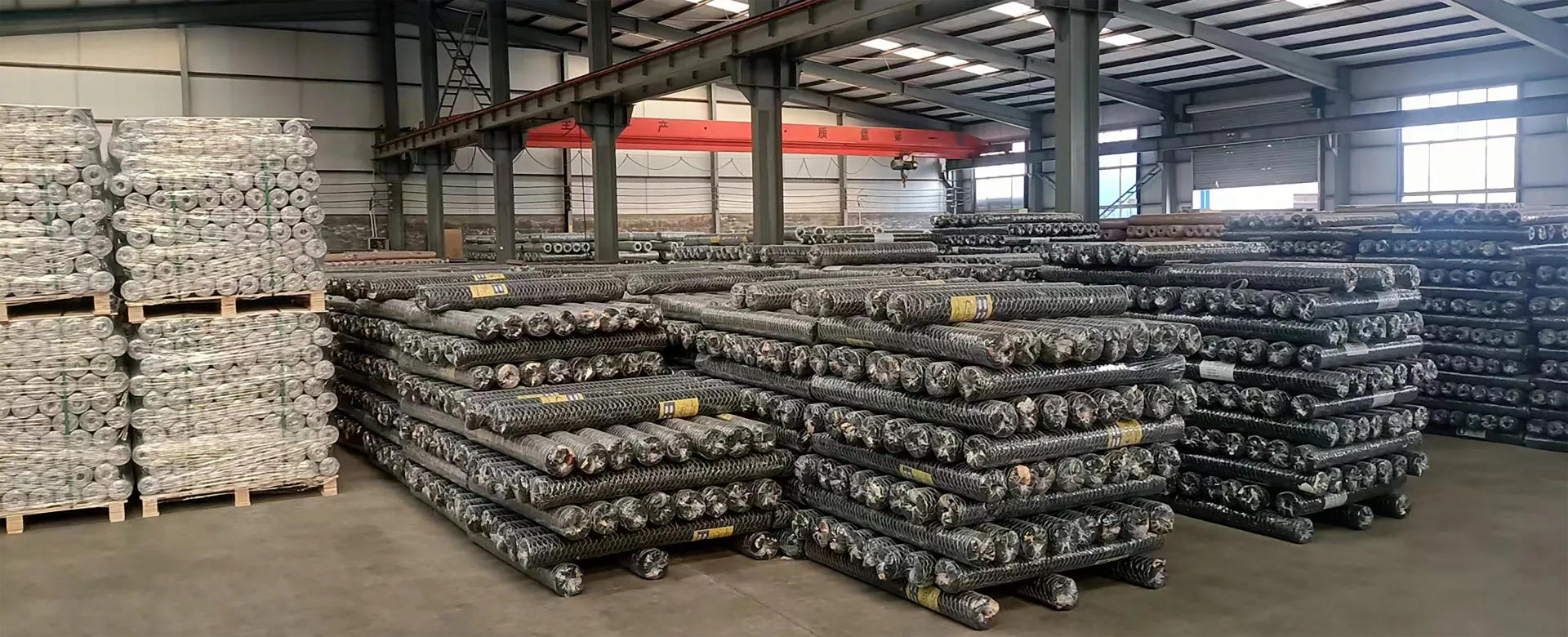
To maximize the lifespan of coated chicken wire, store it in a dry, well-ventilated area away from direct sunlight and extreme temperatures. Avoid storing it directly on the ground, as this can lead to moisture absorption and corrosion. Ideally, store it on a pallet or raised platform. Keep it covered to protect it from dust and debris. Proper storage will help prevent damage and ensure the wire remains in good condition for future use.
-
High Quality Aviary Mesh Panels for Secure Bird Enclosures
NewsApr.16,2026
-
Ultimate Guide to Choosing the Best Aviary Fencing for Birds
NewsApr.09,2026
-
Comprehensive Guide to White Chicken Wire Applications and Benefits
NewsApr.07,2026
-
Comprehensive Guide to Chicken Mesh Fencing Applications and Installation
NewsApr.04,2026
-
Comprehensive Guide to Selecting the Best Sheep Netting Fence for Your Farm
NewsMar.31,2026
-
Comprehensive Guide to Chicken Wire Netting Applications and Installation
NewsMar.28,2026