Mar . 17, 2026 03:08 Back to list
Comprehensive Guide to Choosing the Best Chicken Net Fence for Poultry Protection
Choosing the Right Chicken Net Fence for Your Poultry Farm
Protecting your poultry is paramount for any successful farm operation. A reliable chicken net fence (also known as poultry netting) provides a crucial barrier against predators, keeps your birds contained, and contributes to a stress-free environment. This article will explore the various types of chicken netting available, key considerations when making a purchase, and how to ensure a long-lasting and effective enclosure. Proper fencing is a foundational investment in the health and productivity of your flock.
Understanding Different Types of Chicken Net Fence
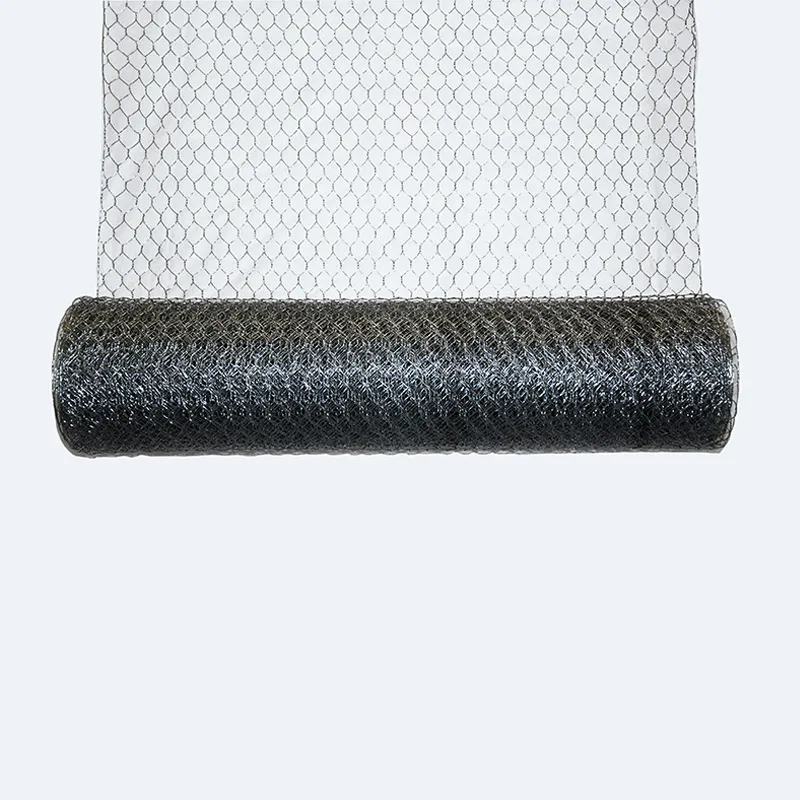
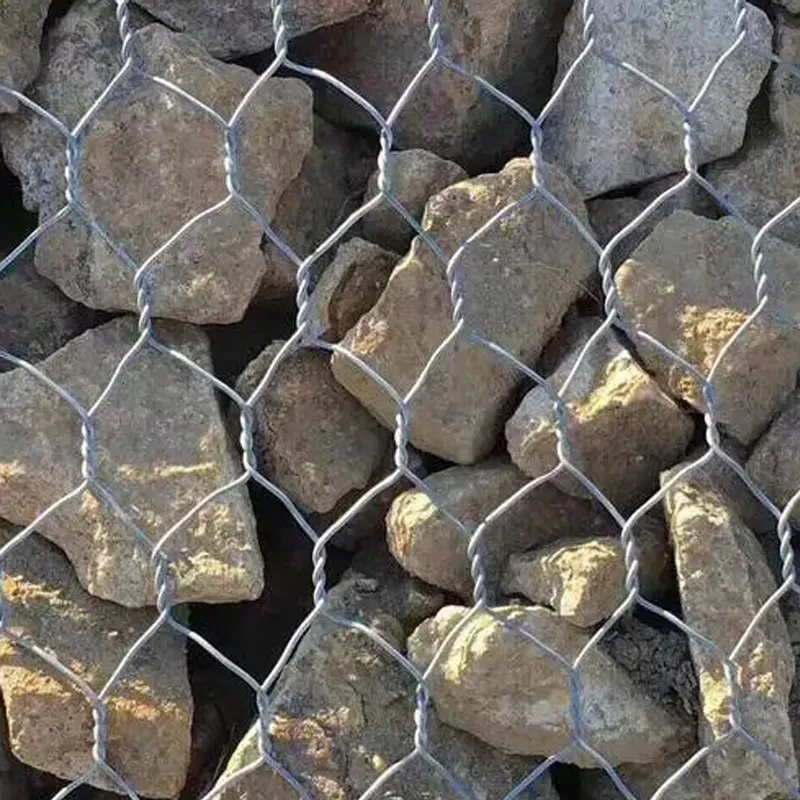
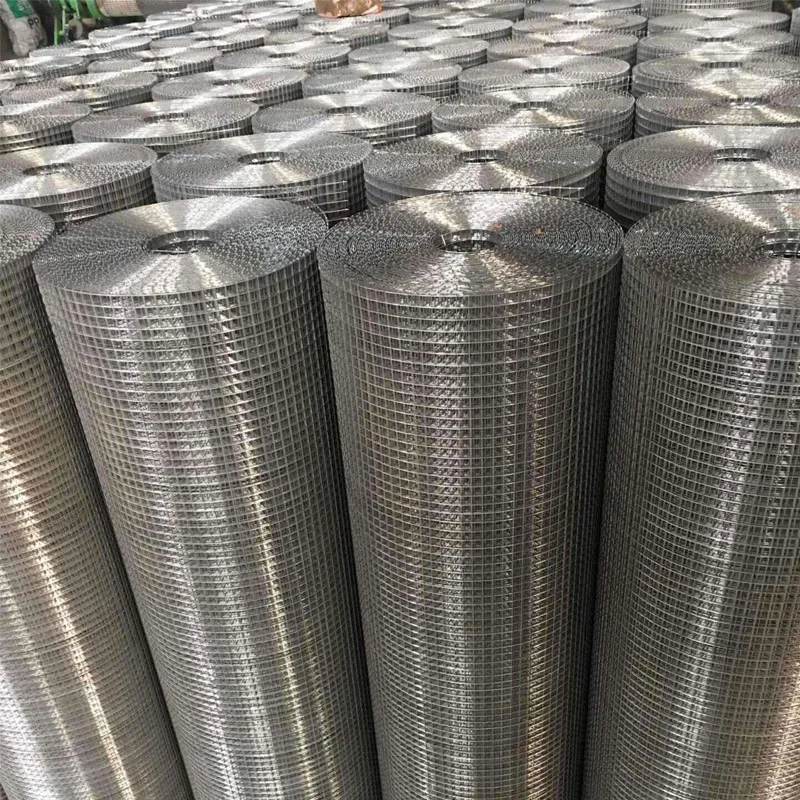
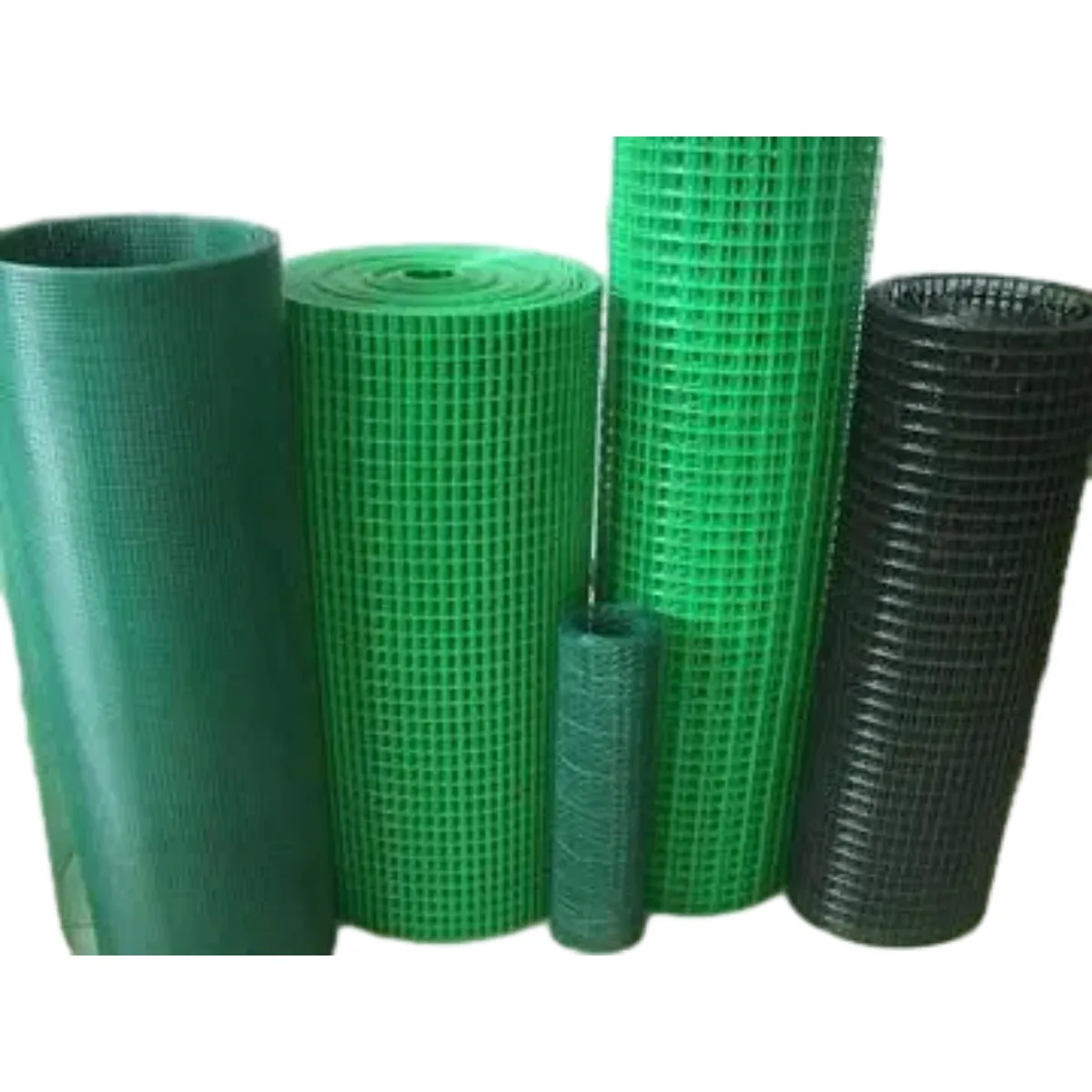
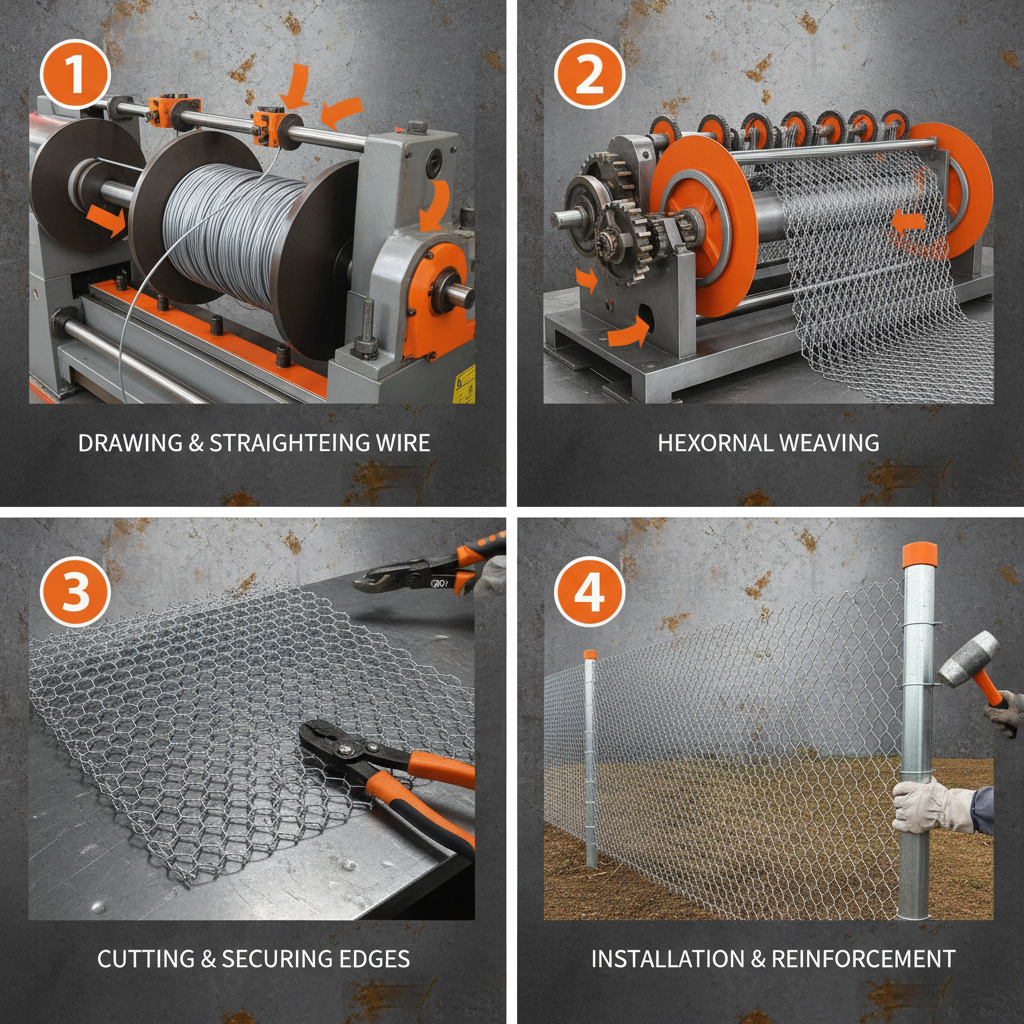
Chicken netting isn’t one-size-fits-all. Several material and construction options are available, each offering unique advantages. Galvanized steel is a common and cost-effective choice, providing good corrosion resistance. PVC-coated wire adds an extra layer of protection against rust and weathering, making it ideal for harsher climates. Stainless steel netting is the most durable and corrosion-resistant, albeit at a higher price point. Mesh size is another critical factor; smaller mesh sizes offer better protection against smaller predators like mice and chicks escaping, while larger mesh sizes are more suitable for mature birds and may be more economical.
Key Takeaway: Choosing the right material and mesh size depends on your specific needs, climate, and the types of predators present in your area.
Key Considerations When Choosing a Chicken Net Fence
Beyond the material, several other factors influence the effectiveness of your chicken fence. Consider the height required to prevent birds from flying over, and the overall length needed to enclose the desired area. The gauge (thickness) of the wire is also important – a heavier gauge provides greater strength and durability. Pay attention to the knot type; square weave netting offers good rigidity, while hexagonal weave is more flexible. Think about the terrain – if you have uneven ground, you may need a more flexible netting that can conform to the contours of the land.
Factors to Evaluate:
• Height and Length Requirements
• Wire Gauge
• Knot Type (Square vs. Hexagonal)
• Terrain and Flexibility
Comparing Common Chicken Netting Materials
Let's directly compare the most popular materials used in chicken net fence construction. Understanding the strengths and weaknesses of each will help you make the most informed decision for your farm.
Installation Tips for a Secure Chicken Run
Proper installation is just as important as choosing the right netting. Start by securing the bottom edge of the netting to the ground, either by burying it a few inches deep or using landscape staples. Ensure the netting is taut to prevent predators from pushing underneath. Overlap the edges of the netting at corners and secure them firmly with zip ties or wire. Consider adding a top covering to prevent birds from flying over, and regularly inspect the fence for any damage or weak points. A well-installed chicken net fence offers peace of mind and protects your valuable flock.
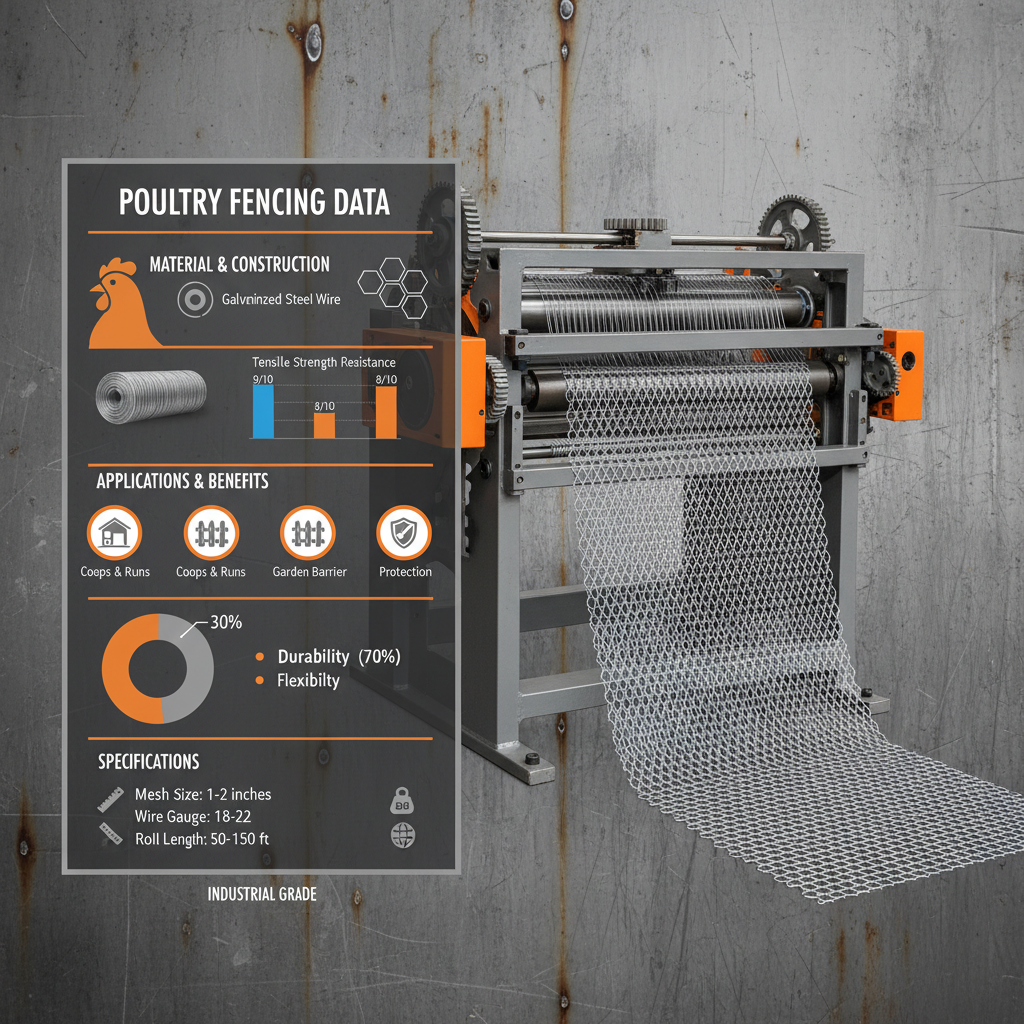
Product Specifications from YS Zwiremesh
At YS Zwiremesh, we offer a comprehensive range of chicken netting solutions to meet your specific needs. Here's a glimpse of our available specifications:
Conclusion: Secure Your Flock with Quality Chicken Netting
Investing in a high-quality chicken net fence is a critical step in protecting your poultry and ensuring a successful farming operation. By carefully considering your specific needs and choosing the right materials, you can create a secure and reliable enclosure that will keep your birds safe from predators and free to roam. Don’t compromise on the safety of your flock – choose YS Zwiremesh for durable and effective solutions.
Frequently Asked Questions (FAQs)
How much chicken netting do I need?
To calculate the amount of netting needed, first determine the perimeter of the area you want to enclose. Then, add extra length to account for overlaps at corners and posts. It's always best to overestimate slightly to avoid running short. Consider the height you need as well – taller fences are necessary for larger breeds or areas with flying predators. You can find online calculators or contact a fencing supplier like YS Zwiremesh for assistance.
How can I protect the bottom of my chicken run from digging predators?
Digging predators like foxes and coyotes can be a serious threat. To protect the bottom of your run, bury the netting at least 6-12 inches deep and bend it outward to create an “L” shape. Alternatively, you can attach hardware cloth to the bottom of the netting and extend it outwards. A concrete or gravel perimeter can also deter digging. Regular inspection and maintenance are key to ensuring the effectiveness of your predator-proofing measures.
What is the best way to repair damaged chicken netting?
Small holes or tears in the netting can be repaired with zip ties, wire, or specialized poultry netting repair tape. For larger damage, it's often best to replace the entire section of netting. When making repairs, ensure the netting is taut and securely fastened to prevent predators from gaining access. Regularly inspect your fence and address any damage promptly to maintain its effectiveness. YS Zwiremesh also offers replacement netting options.
Is PVC coated netting safe for chickens?
Yes, PVC-coated netting is generally considered safe for chickens. The PVC coating is non-toxic and provides excellent protection against rust and corrosion. However, it’s crucial to ensure the coating is intact and not peeling, as chickens might ingest small pieces. Choose high-quality netting from a reputable supplier like YS Zwiremesh to ensure safety and durability.
-
High Quality Aviary Mesh Panels for Secure Bird Enclosures
NewsApr.16,2026
-
Ultimate Guide to Choosing the Best Aviary Fencing for Birds
NewsApr.09,2026
-
Comprehensive Guide to White Chicken Wire Applications and Benefits
NewsApr.07,2026
-
Comprehensive Guide to Chicken Mesh Fencing Applications and Installation
NewsApr.04,2026
-
Comprehensive Guide to Selecting the Best Sheep Netting Fence for Your Farm
NewsMar.31,2026
-
Comprehensive Guide to Chicken Wire Netting Applications and Installation
NewsMar.28,2026