Mar . 04, 2026 03:45 Back to list
Comprehensive Guide to Chicken Mesh Applications and Selection
Understanding Chicken Mesh: A Comprehensive Guide
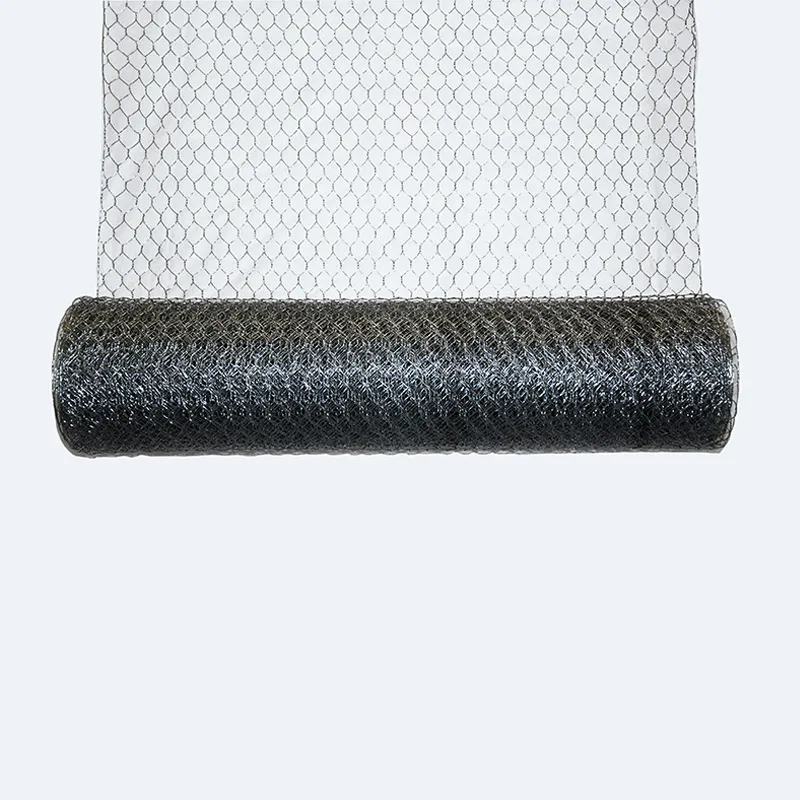
Chicken mesh, also known as poultry netting or hexagonal wire netting, is a versatile woven wire fabric with a wide range of applications, from agriculture to industrial projects. Its affordability, flexibility, and ease of use make it a popular choice for containment, protection, and support. This article will provide an in-depth look at chicken mesh, exploring its uses, materials, specifications, and how to choose the right type for your needs. We’ll also highlight where you can find high-quality chicken mesh solutions.
What is Chicken Mesh and What is it Made Of?
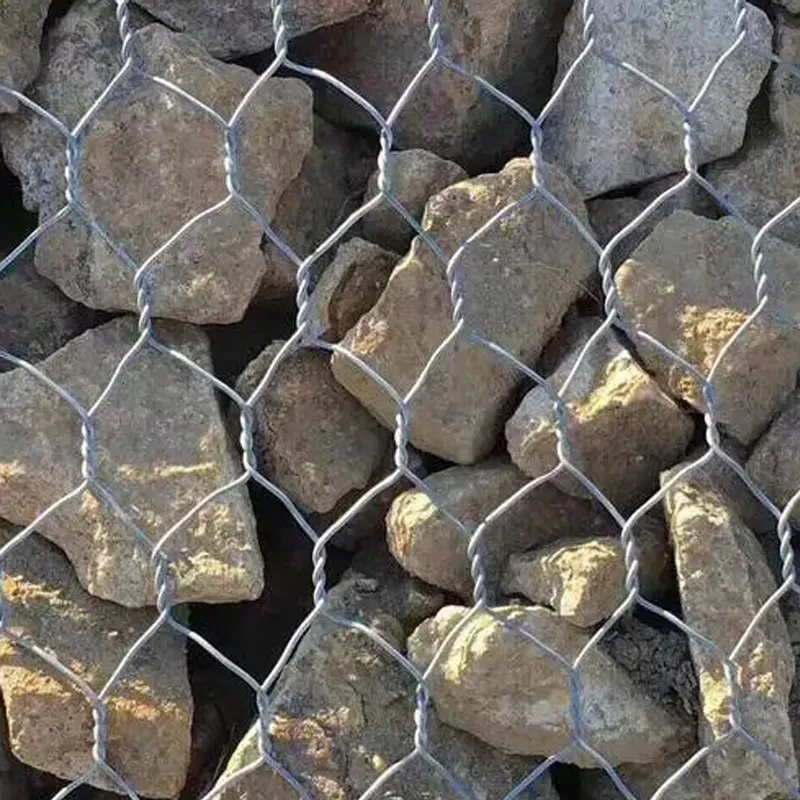
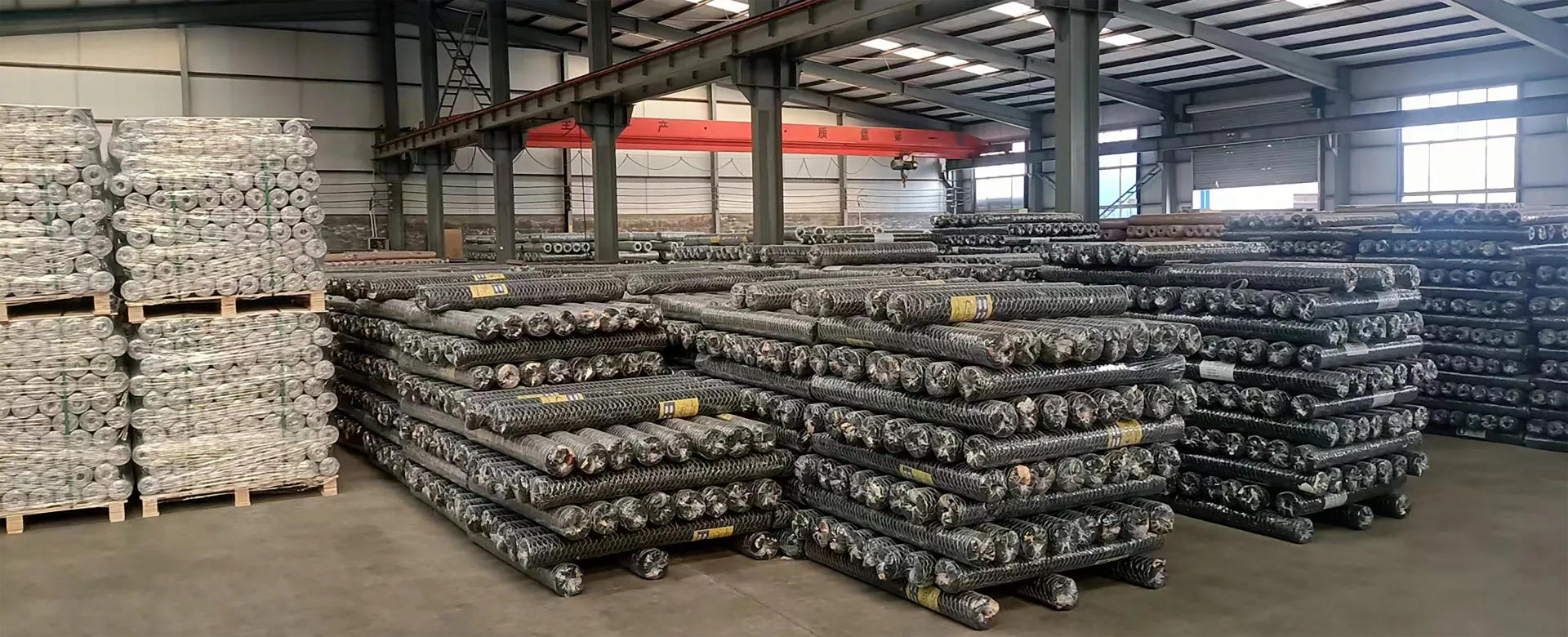
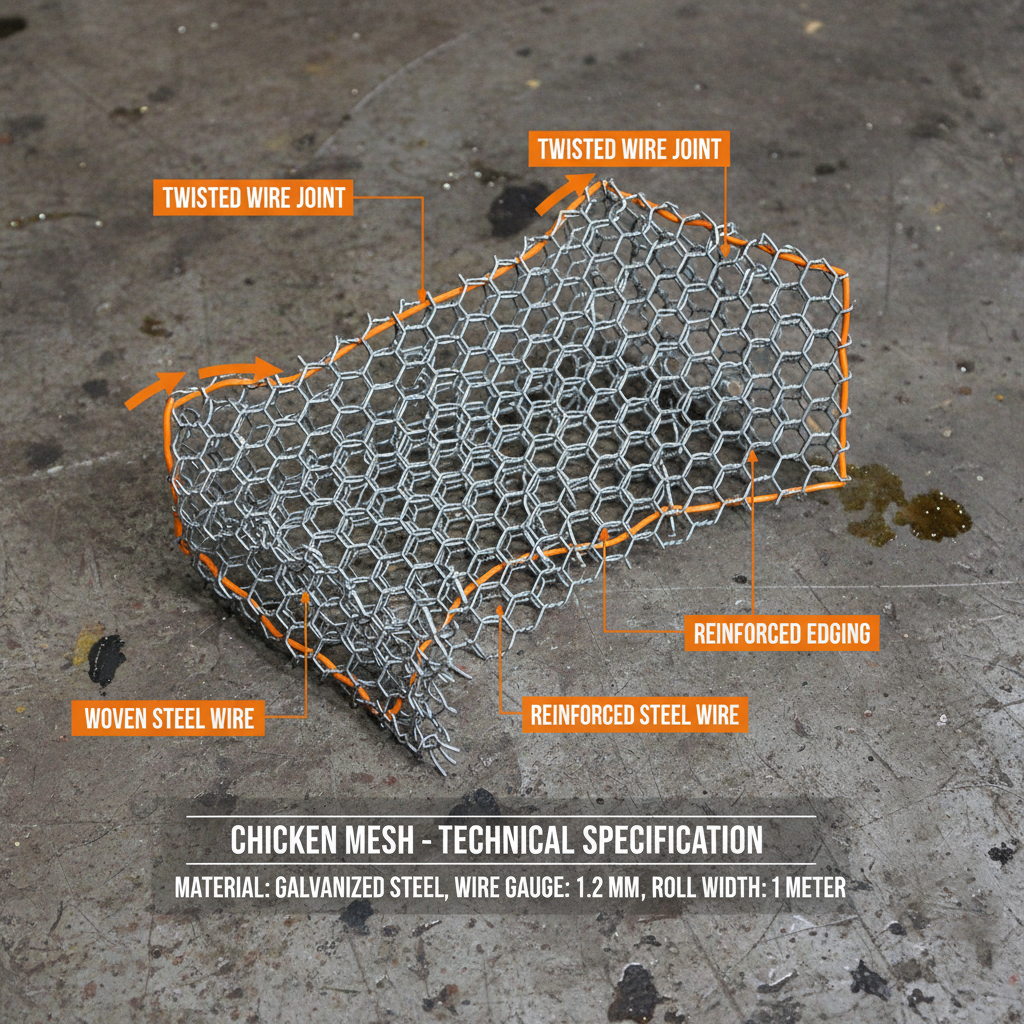
Chicken mesh is constructed from interwoven wires that form a hexagonal pattern. Traditionally, it's made from galvanized steel wire, offering good corrosion resistance. However, it's also available in PVC-coated steel, stainless steel, and even copper, depending on the application and required level of protection. The gauge (wire thickness) and mesh size (the distance between wires) significantly affect the strength and purpose of the mesh. Galvanized chicken mesh provides a cost-effective solution for general-purpose applications, while stainless steel offers superior durability in harsh environments. The manufacturing process involves twisting the wires together, creating a strong yet flexible material.
Key Highlights: Chicken mesh is a versatile woven wire fabric known for its affordability, flexibility, and ease of use, suitable for a broad range of applications.
Common Applications of Chicken Mesh
The versatility of chicken mesh shines through its diverse applications. In agriculture, it’s commonly used for building poultry runs, protecting gardens from pests, and creating temporary fencing. In construction, it’s used as plaster reinforcement, providing structural support in walls and ceilings. Industrial applications include creating safety guards, ventilation screens, and filters. Homeowners use it for crafting projects, animal containment, and protecting plants. Its lightweight nature and ease of cutting and shaping further expand its usability. From preventing rodents from entering gardens to reinforcing concrete, chicken mesh proves its worth across numerous sectors.
Application Benefits:
• Poultry housing and runs
• Garden pest protection
• Plaster reinforcement
• Safety guards and screens
Choosing the Right Chicken Mesh: A Comparison
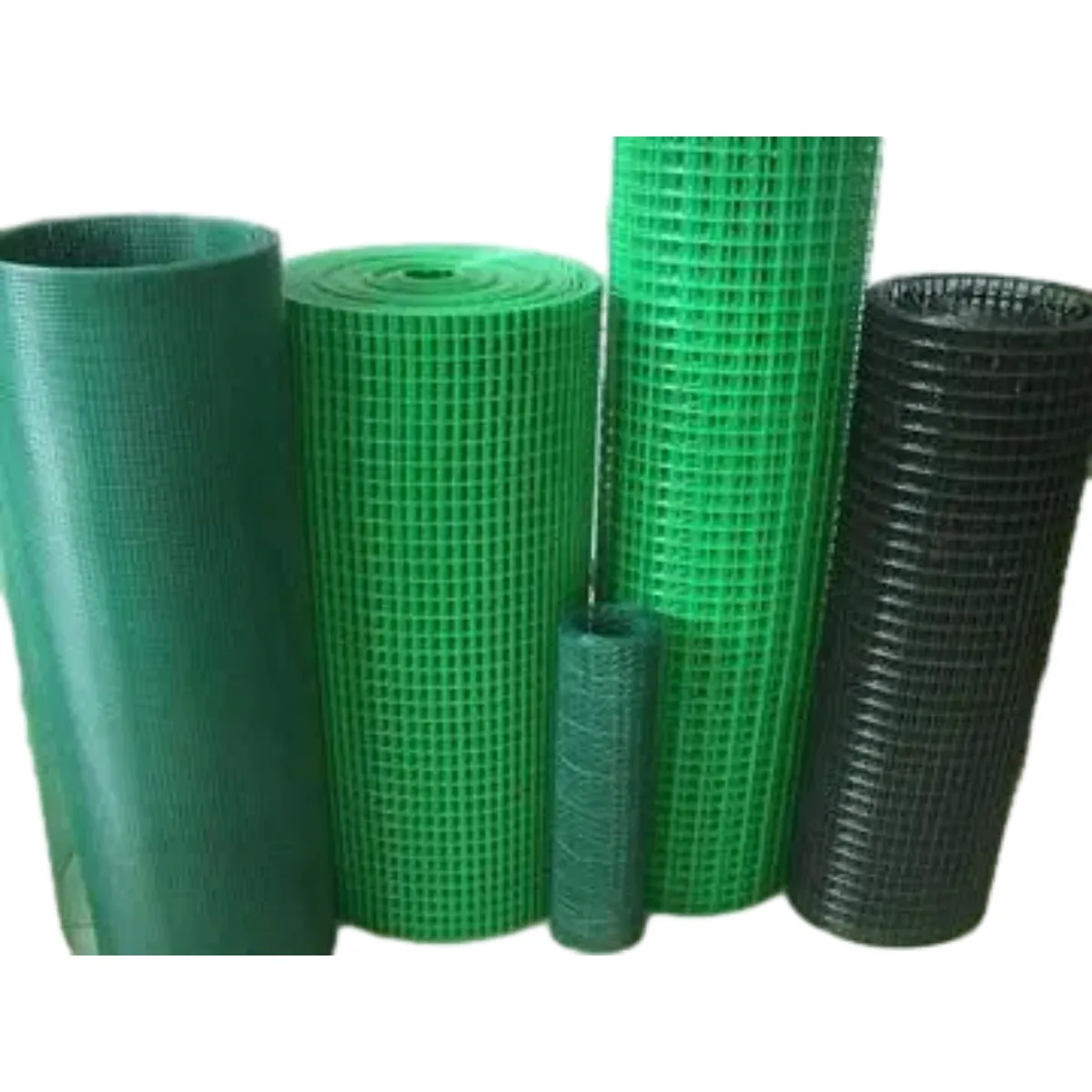
Selecting the right chicken mesh depends on the intended application and environmental conditions. Key factors to consider include the material, gauge (wire thickness), and mesh size. Heavier gauge wires offer greater strength and durability, while smaller mesh sizes provide tighter containment. PVC coating adds an extra layer of corrosion resistance, making it ideal for outdoor use or damp environments. Stainless steel is the most durable option but also the most expensive. Yszwiremesh.com offers a wide selection of chicken mesh to meet your specific requirements.
Chicken Mesh Specifications and Sizes
Chicken mesh is available in a variety of specifications to suit different needs. Common mesh sizes range from ½ inch to 6 inches, while wire gauges typically range from 18 gauge to 29 gauge. The width of the rolls can vary significantly, from 2 feet to 6 feet, and the length is often sold by the foot or in standard roll lengths. Choosing the appropriate specifications will ensure that the mesh effectively meets the requirements of your project. Here’s a typical specification table:
Conclusion: Choosing the Right Chicken Mesh for Your Project
Selecting the appropriate chicken mesh is crucial for project success. Consider the application, environment, and desired level of durability when making your choice. With a wide range of materials, gauges, and mesh sizes available, you can find the perfect solution to meet your specific needs. Yszwiremesh.com provides high-quality chicken mesh and expert guidance to help you make the best decision.
Frequently Asked Questions (FAQs)
What is the difference between galvanized and PVC-coated chicken mesh?
Galvanized chicken mesh is coated with a layer of zinc to protect against corrosion, making it suitable for general outdoor use. However, the zinc coating can wear away over time, especially in harsh environments. PVC-coated chicken mesh, on the other hand, has a layer of PVC plastic over the galvanized wire, providing superior corrosion resistance and a longer lifespan. PVC coating also adds a degree of flexibility and can be available in various colors.
How do I cut chicken mesh safely?
Cutting chicken mesh can be tricky due to the sharp wire ends. Always wear heavy-duty gloves and safety glasses. Use wire cutters or tin snips to make clean cuts. After cutting, bend the wire ends over to prevent injuries. If you are working with a large amount of chicken mesh, consider using a bolt cutter for faster and easier cutting. Avoid using a knife or other sharp tools that could slip and cause injury.
Can chicken mesh be used for reinforcing concrete?
Yes, chicken mesh is often used as plaster reinforcement in concrete applications. It helps to distribute stress and prevent cracking. However, it is generally used for lighter-duty applications like thin plaster layers or stucco. For more substantial concrete reinforcement, rebar is typically recommended. When using chicken mesh for concrete, ensure it is properly embedded within the concrete to maximize its effectiveness.
Where can I buy high-quality chicken mesh?
You can purchase high-quality chicken mesh from Yszwiremesh.com. They offer a wide selection of materials, gauges, and mesh sizes to meet your specific needs, along with competitive pricing and reliable shipping.
-
High Quality Aviary Mesh Panels for Secure Bird Enclosures
NewsApr.16,2026
-
Ultimate Guide to Choosing the Best Aviary Fencing for Birds
NewsApr.09,2026
-
Comprehensive Guide to White Chicken Wire Applications and Benefits
NewsApr.07,2026
-
Comprehensive Guide to Chicken Mesh Fencing Applications and Installation
NewsApr.04,2026
-
Comprehensive Guide to Selecting the Best Sheep Netting Fence for Your Farm
NewsMar.31,2026
-
Comprehensive Guide to Chicken Wire Netting Applications and Installation
NewsMar.28,2026