Mar . 19, 2026 03:11 Back to list
Comprehensive Guide to Aviary Wire Mesh Selection and Installation
Understanding Aviary Wire Mesh: A Comprehensive Guide
Aviary wire mesh is a crucial component in creating safe, durable, and aesthetically pleasing enclosures for birds. Whether you're a bird breeder, zookeeper, or simply a bird enthusiast, selecting the right mesh is paramount. This article will delve into the various aspects of aviary wire mesh, covering its types, applications, material considerations, installation tips, and much more. Properly chosen mesh provides security, protects birds from predators, and ensures a comfortable environment. Choosing the correct mesh will impact the safety and well-being of the birds and the longevity of the aviary structure.
Types of Aviary Wire Mesh
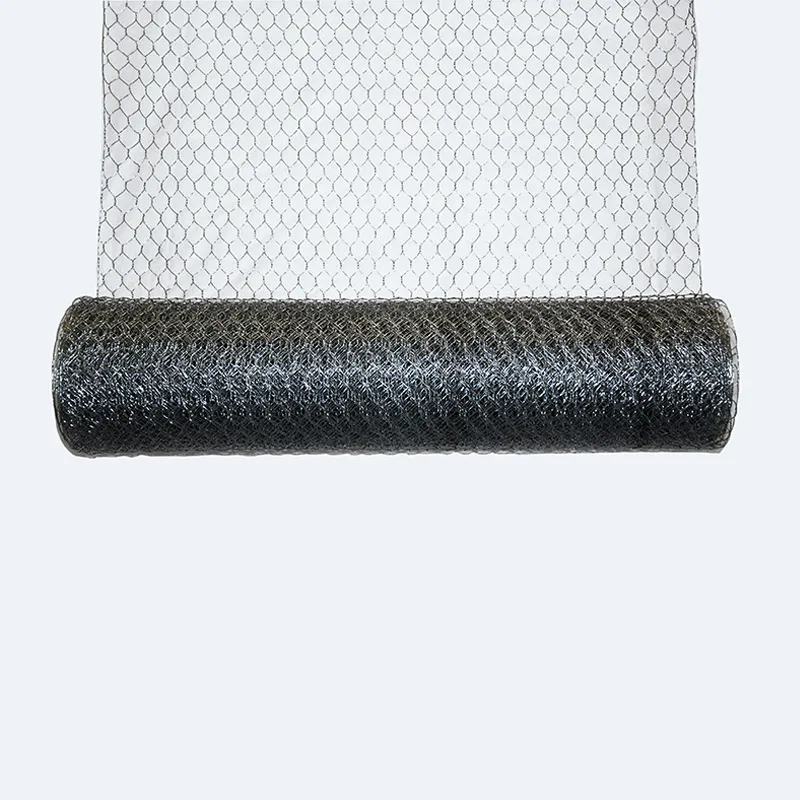
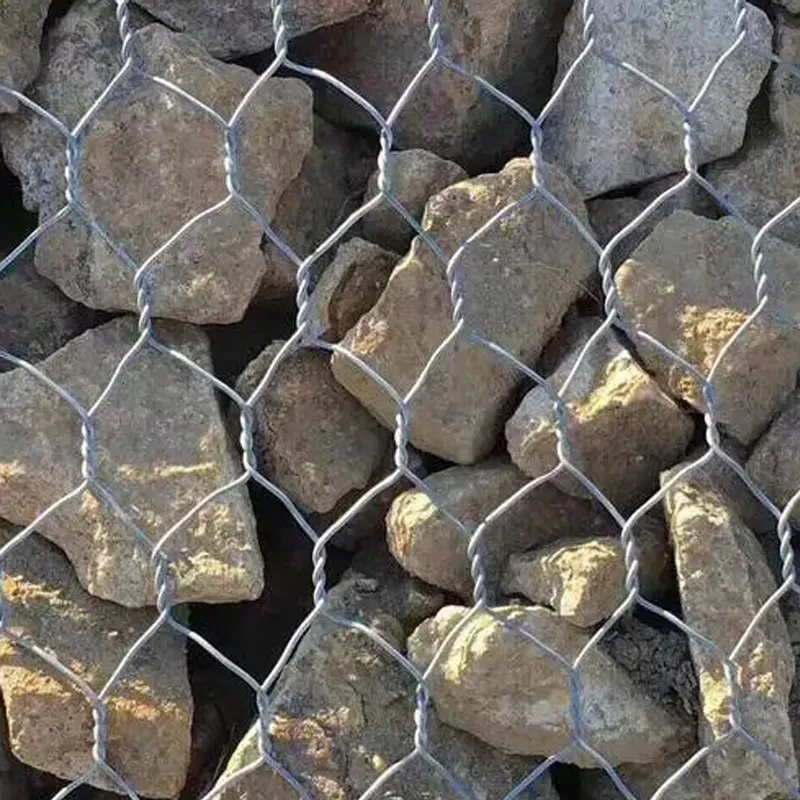
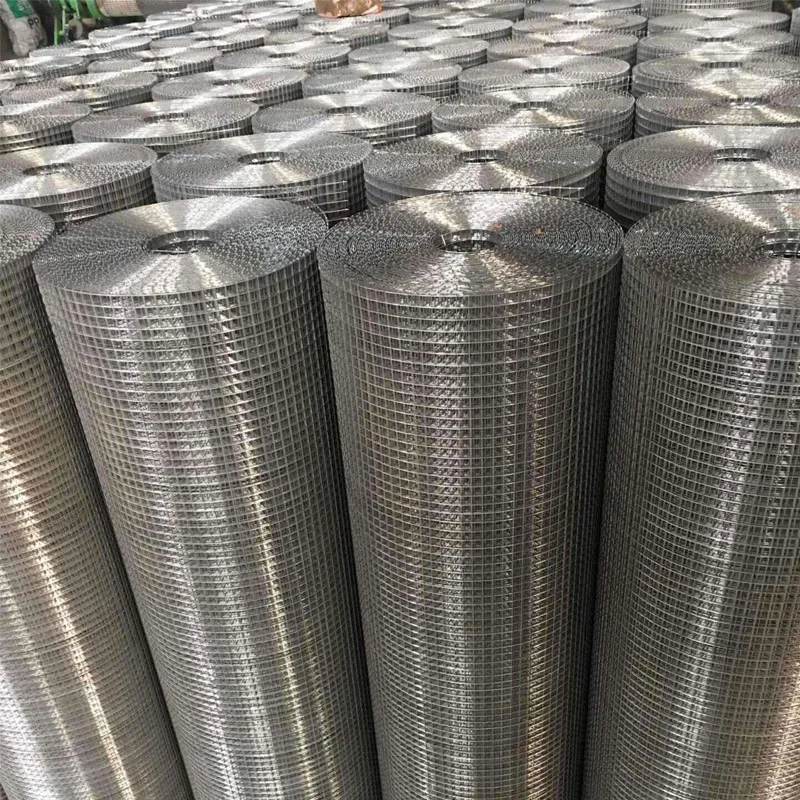
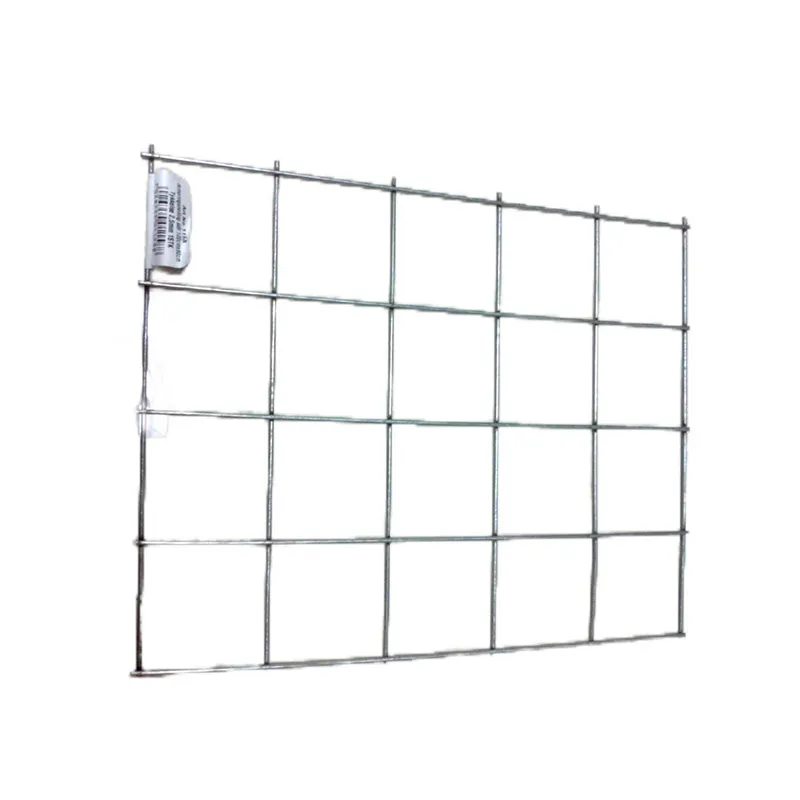
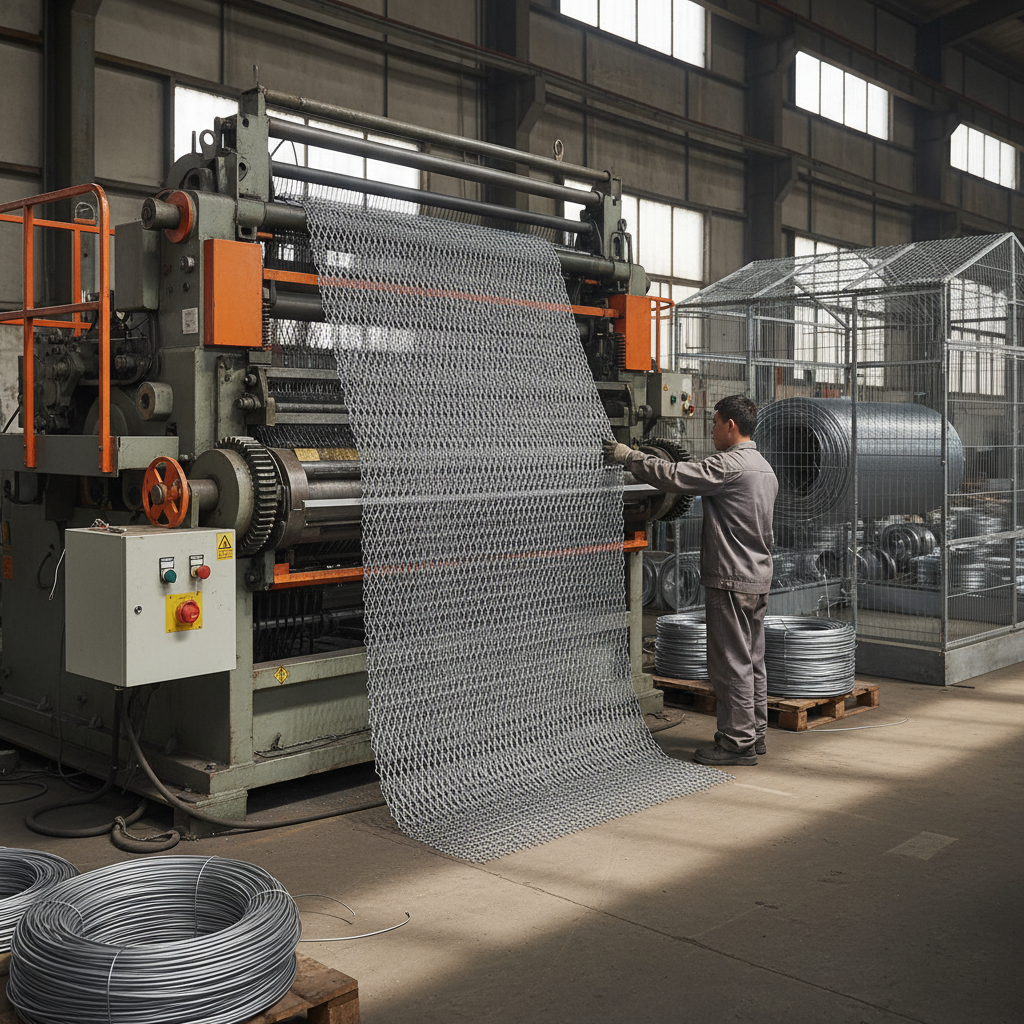
Aviary wire mesh comes in several varieties, each with its own strengths and weaknesses. Common types include welded wire mesh, hexagonal wire netting (chicken wire), and woven wire mesh. Welded wire mesh offers a rigid structure with uniform openings, making it ideal for larger birds and predator protection. Hexagonal wire netting is more flexible and cost-effective, suitable for smaller birds, but offers less resistance to predators. Woven wire mesh provides a durable and aesthetically pleasing option, often used in professional aviaries. The choice depends on the bird species, aviary size, budget, and desired level of security.
Key Highlights: Different types of mesh cater to varying needs, from predator control to cost-effectiveness. Understanding the properties of each type is critical for making an informed decision.
Material Considerations for Aviary Wire Mesh
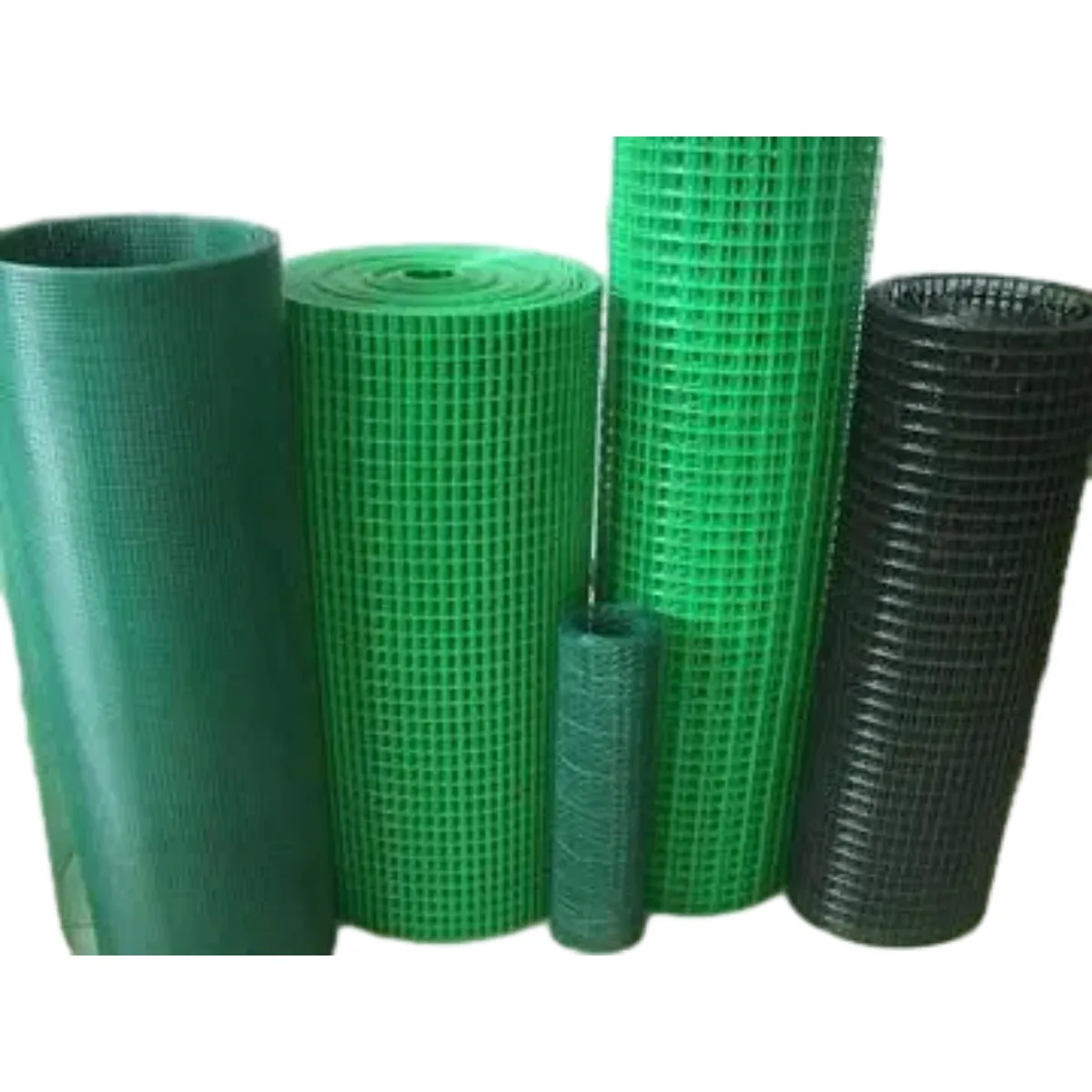
The material of the wire mesh is another vital consideration. Galvanized steel is a popular choice due to its affordability and resistance to corrosion. However, it can still rust over time, especially in coastal environments. Stainless steel offers superior corrosion resistance, making it ideal for long-term durability and bird safety. PVC-coated wire mesh provides an added layer of protection, preventing rust and offering a more aesthetically pleasing finish. Aluminum is lightweight and corrosion-resistant, but less durable than steel options. Choosing the right material ensures the aviary remains safe and functional for years to come. You can find a variety of materials offered by YSZ Wire Mesh.
Material Benefits:
• Galvanized Steel: Affordable, good corrosion resistance.
• Stainless Steel: Superior corrosion resistance, long-lasting.
• PVC-Coated: Added rust protection, aesthetically pleasing.
• Aluminum: Lightweight, corrosion-resistant.
Aviary Wire Mesh: Mesh Size and Bird Safety
Selecting the appropriate mesh size is critical for bird safety. The openings should be small enough to prevent birds from escaping or getting their heads stuck. Larger birds require larger mesh openings to allow for comfortable movement. Conversely, smaller birds need tighter mesh to prevent them from slipping through. Consider the bird species and their size when determining the optimal mesh size. Incorrect mesh size can lead to injury or escape, compromising the aviary's purpose. Consult with experienced bird keepers or aviary professionals for guidance on appropriate mesh sizing.
Installation Tips for Aviary Wire Mesh
Proper installation is crucial for the safety and longevity of the aviary. Ensure the mesh is securely fastened to the frame using appropriate clips, staples, or wire. Overlap the edges of the mesh to prevent gaps and deter predators. Use tensioning tools to create a taut surface, minimizing sagging. Regularly inspect the installation for any loose or damaged sections and make repairs promptly. When working with wire mesh, always wear gloves and eye protection to prevent injuries. Consider consulting with a professional installer for complex aviary structures.
Sourcing High-Quality Aviary Wire Mesh
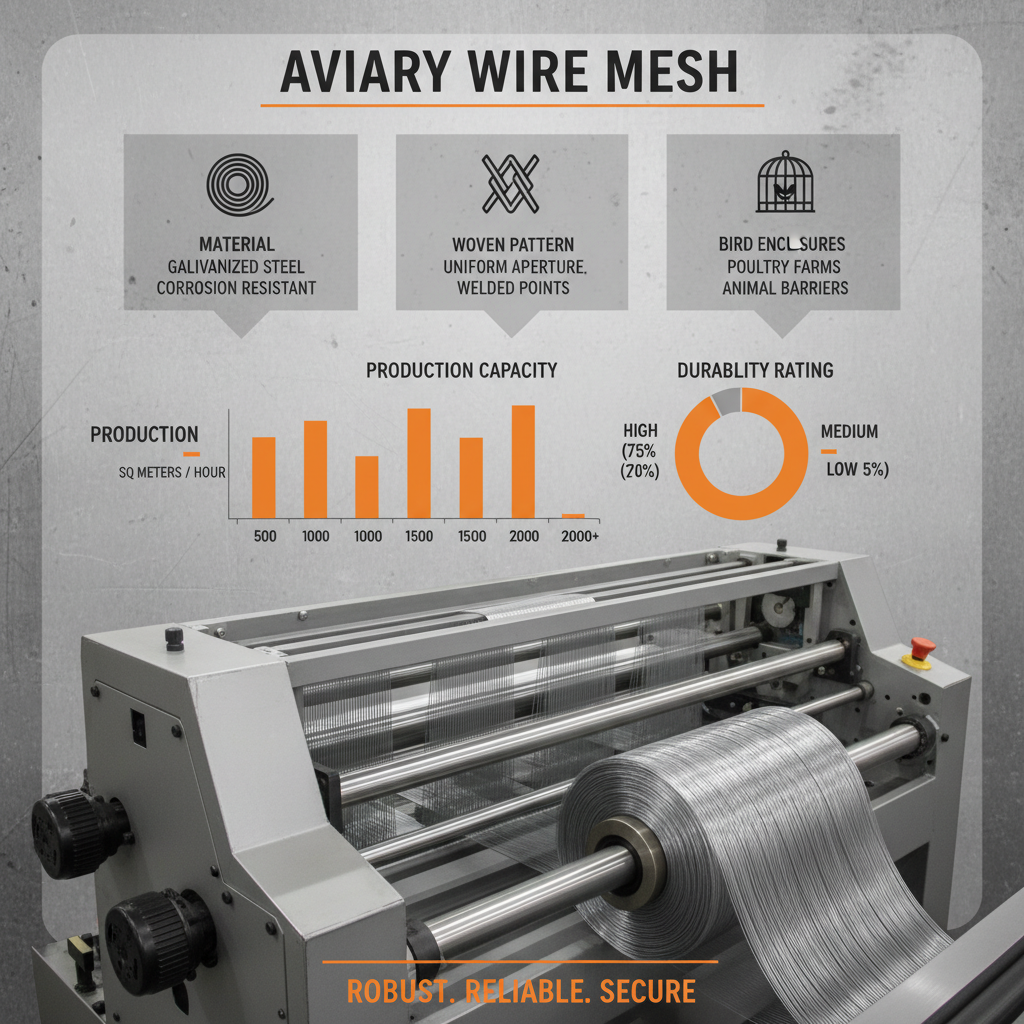
Choosing a reputable supplier is vital to ensure you receive high-quality aviary wire mesh. Look for suppliers that offer a wide range of materials, mesh sizes, and customization options. Check for certifications and quality control standards. Read customer reviews and ask for references. YSZ Wire Mesh is a trusted supplier specializing in aviary wire mesh, offering a comprehensive selection and expert advice. They prioritize quality and customer satisfaction.
Conclusion: Creating a Safe and Secure Aviary
Selecting the right aviary wire mesh is a crucial investment in the health and safety of your birds. By carefully considering the type of mesh, material, mesh size, and installation techniques, you can create a secure and comfortable environment for your feathered friends. Don't compromise on quality – choose a reputable supplier like YSZ Wire Mesh for reliable products and expert guidance.
Frequently Asked Questions (FAQs)
What is the best wire mesh for protecting against rodents?
For rodent protection, 1/2-inch welded wire mesh is generally recommended. The smaller openings prevent rodents from gnawing through and entering the aviary. Stainless steel offers the best long-term durability and resistance to rodent damage. Ensure the mesh is securely fastened to the frame and covers all potential entry points, including the bottom of the aviary. Regularly inspect the mesh for any signs of damage or gnawing.
How do I repair damaged wire mesh?
Small holes or tears can often be repaired with wire mesh patches and zip ties or wire. For larger damage, it's best to replace the entire section of mesh. Ensure the replacement mesh matches the original in terms of material and mesh size. When repairing, overlap the edges of the patch and secure it firmly to the surrounding mesh. Regularly inspect repaired areas for any signs of deterioration.
Is PVC coating necessary for all aviaries?
PVC coating is not always necessary, but it provides several benefits. It enhances corrosion resistance, prevents rust staining, and offers a more aesthetically pleasing appearance. It's particularly recommended for aviaries located in coastal areas or humid climates. PVC coating also adds a layer of protection against bird injuries, as it's smoother than bare wire.
What is the difference between woven and welded wire mesh?
Woven wire mesh is created by interlocking wires, resulting in a strong and flexible fabric. Welded wire mesh, on the other hand, is formed by welding wires together at their intersections, creating a rigid grid. Woven wire mesh is often more aesthetically pleasing and has a smoother surface, while welded wire mesh is more cost-effective and offers better structural integrity. The best choice depends on the specific application and desired properties.
-
High Quality Aviary Mesh Panels for Secure Bird Enclosures
NewsApr.16,2026
-
Ultimate Guide to Choosing the Best Aviary Fencing for Birds
NewsApr.09,2026
-
Comprehensive Guide to White Chicken Wire Applications and Benefits
NewsApr.07,2026
-
Comprehensive Guide to Chicken Mesh Fencing Applications and Installation
NewsApr.04,2026
-
Comprehensive Guide to Selecting the Best Sheep Netting Fence for Your Farm
NewsMar.31,2026
-
Comprehensive Guide to Chicken Wire Netting Applications and Installation
NewsMar.28,2026