Mar . 07, 2026 03:07 Back to list
Complete Guide to Choosing the Right Chicken Wire Garden Fence for Your Needs
Choosing the Right Chicken Wire Garden Fence: A Comprehensive Guide
Protecting your garden from pests and adding a rustic charm can be effortlessly achieved with a chicken wire garden fence. This versatile fencing solution is popular among gardeners for its affordability, ease of installation, and effectiveness. However, selecting the right type of chicken wire can be daunting. This guide will provide an in-depth look at chicken wire garden fences, covering everything from materials and sizes to installation tips and cost considerations. Whether you're keeping out rabbits, deer, or simply defining your garden space, understanding your options is crucial. YSZ Wire Mesh offers a diverse range of solutions for all your fencing needs.
Understanding Chicken Wire: Materials and Gauges
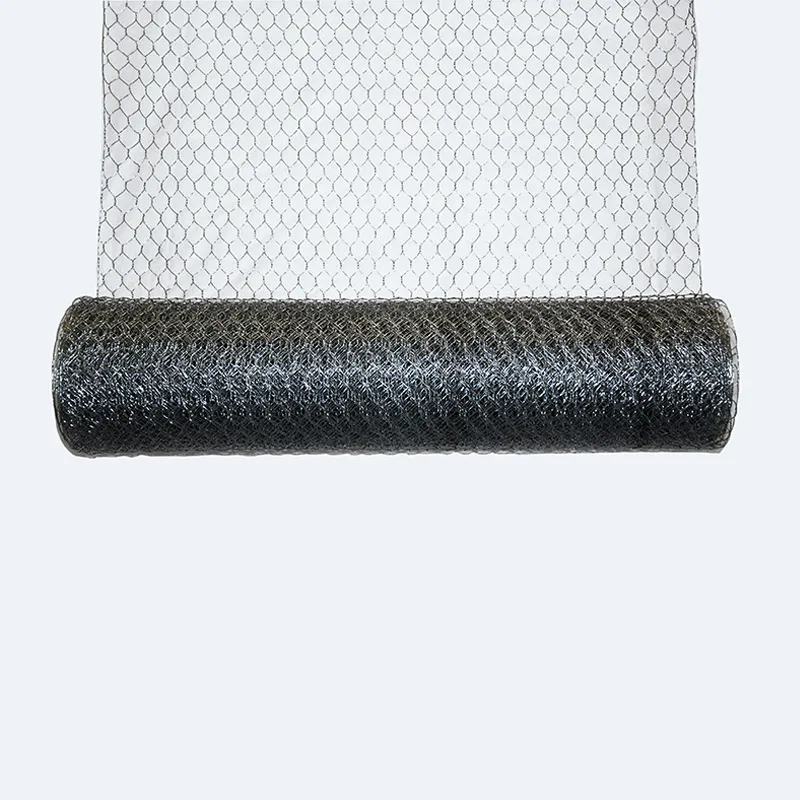
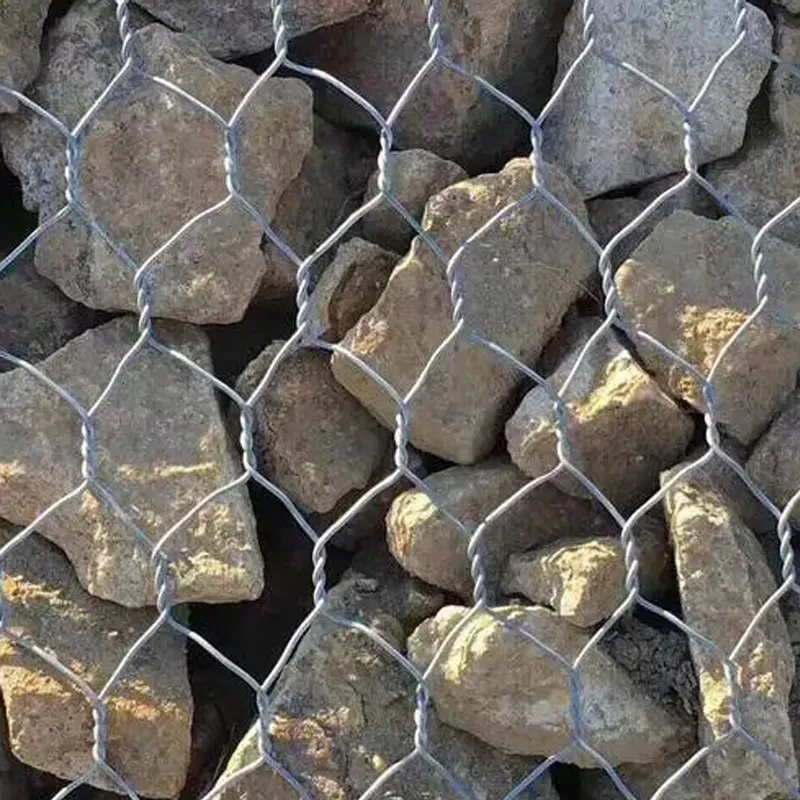
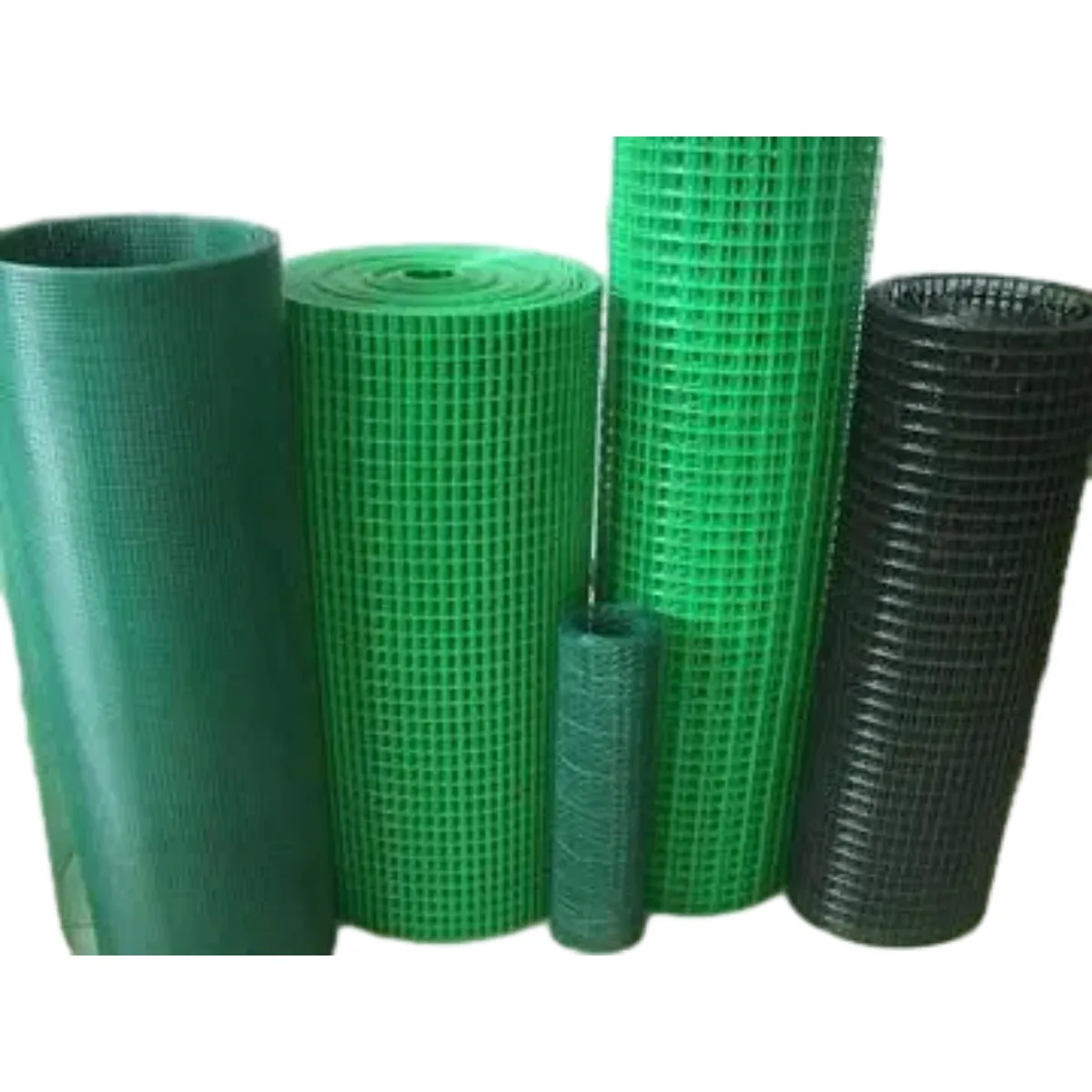
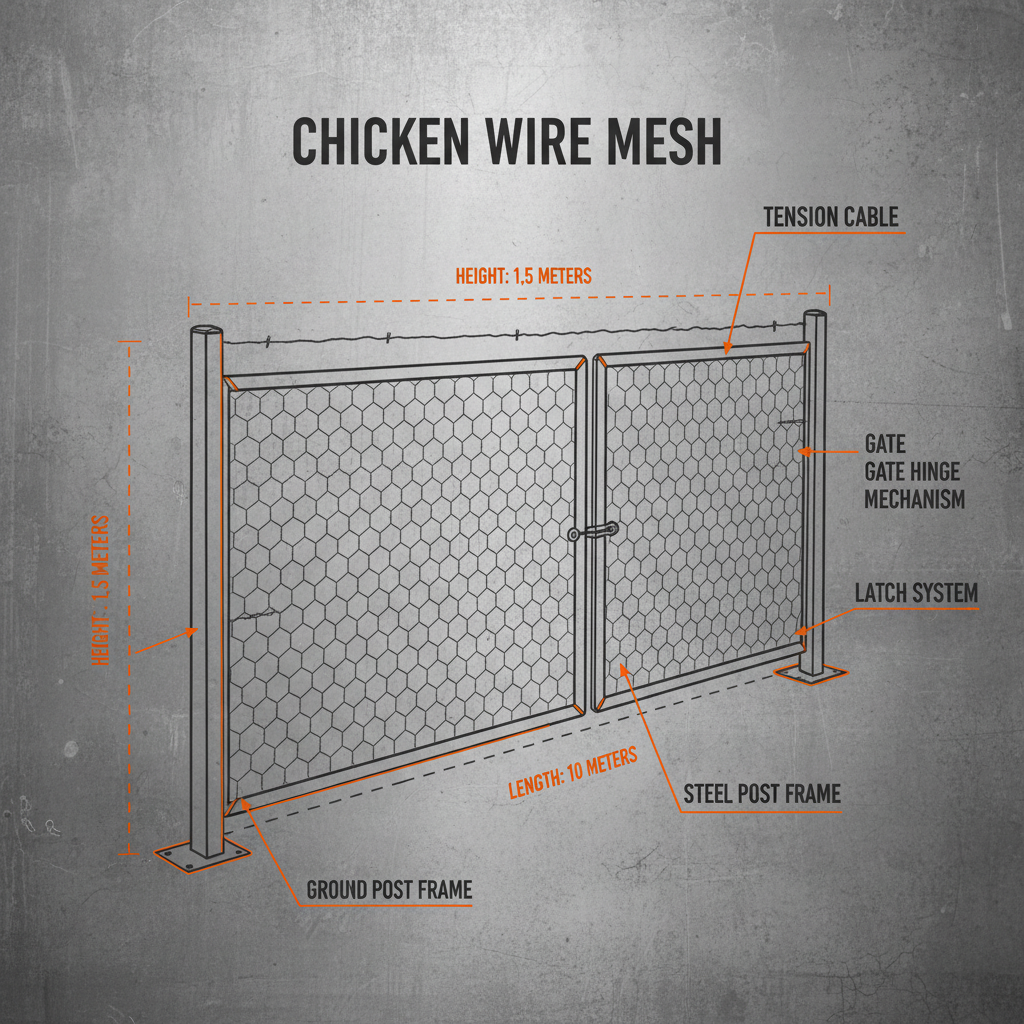
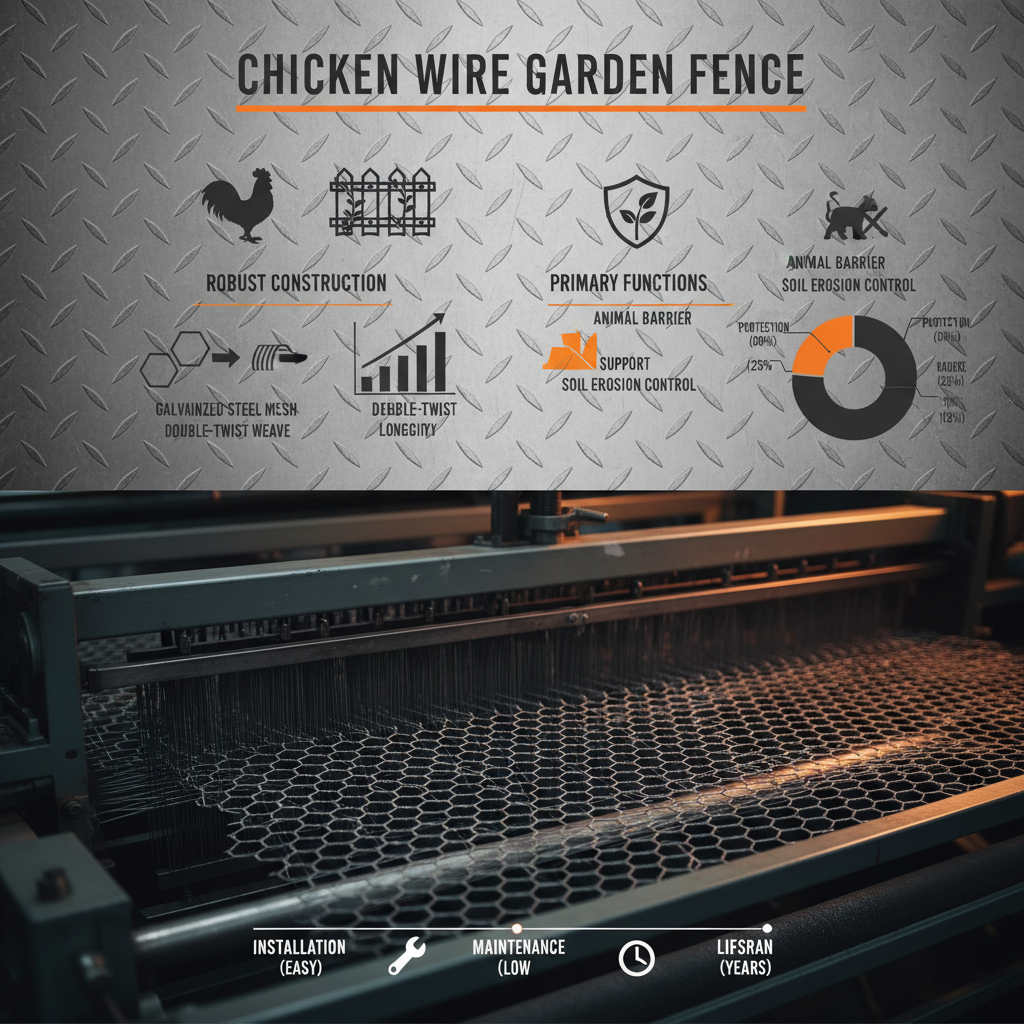
Chicken wire, also known as poultry netting, is typically made from galvanized steel wire woven into a hexagonal pattern. The ‘galvanization’ process coats the steel with zinc, providing corrosion resistance. However, PVC-coated chicken wire is also available, offering even greater protection against rust and a longer lifespan. The gauge of the wire refers to its thickness; a lower gauge number indicates a thicker, more durable wire. For gardens prone to larger animals like deer, a heavier gauge is recommended. The mesh size, or the size of the hexagonal openings, also impacts its effectiveness. Smaller mesh sizes prevent smaller pests, like insects, from entering your garden. YSZ Wire Mesh offers chicken wire in various gauges and mesh sizes to suit your specific needs.
Key Takeaway: Consider the type of pests you’re trying to exclude and the environmental conditions when choosing your chicken wire. Heavier gauges and smaller mesh sizes offer superior protection but come at a higher cost.
Chicken Wire Garden Fence: Height and Length Considerations
The height and length of your chicken wire garden fence will depend on the size of your garden and the type of pests you need to deter. For protecting against rabbits, a height of at least 36 inches is generally recommended, as rabbits are excellent jumpers. For larger animals like deer, a height of 6 to 8 feet is necessary. Accurately measure the perimeter of your garden to determine the total length of chicken wire required. It’s always wise to add a little extra to account for overlaps and posts. Remember to factor in the spacing of your fence posts – typically 8 to 10 feet apart is optimal for maintaining tension and stability. YSZ Wire Mesh can provide custom cuts to your specifications, saving you time and effort.
Height Recommendations:
• Rabbits: 36 inches minimum
• Groundhogs: 48 inches minimum
• Deer: 6-8 feet
Chicken Wire vs. Other Garden Fencing Options
While chicken wire is a popular choice, it's important to compare it to other garden fencing options. Woven wire fencing offers greater strength and durability, but it's also more expensive. Plastic netting is a lightweight and affordable alternative, but it's less durable and may not deter larger animals. Wood fences provide a visually appealing barrier, but require more maintenance. Here's a quick comparison:
Installing Your Chicken Wire Garden Fence
Installing a chicken wire garden fence is a relatively straightforward DIY project. You’ll need fence posts (wood or metal), staples or U-nails, wire cutters, and potentially a wire stretcher for maintaining tension. Start by driving the posts into the ground at evenly spaced intervals. Unroll the chicken wire and attach it to the posts using staples or U-nails, ensuring the wire is taut. Overlap the ends of the wire by several inches and secure them firmly. For added stability, consider burying the bottom edge of the wire a few inches into the ground. YSZ Wire Mesh provides all the necessary materials for a successful installation.
Cost and Where to Buy Chicken Wire
The cost of chicken wire varies depending on the gauge, mesh size, height, and length. Generally, you can expect to pay between $0.50 and $2.00 per foot. PVC-coated chicken wire will typically be more expensive than galvanized steel. YSZ Wire Mesh offers competitive pricing and a wide selection of chicken wire products. We provide both standard sizes and custom options to meet your specific requirements. We are committed to providing high-quality materials and excellent customer service.
Conclusion: Protect Your Garden with Confidence
Choosing the right chicken wire garden fence is essential for safeguarding your plants and enjoying the fruits (and vegetables!) of your labor. By considering factors like pest pressure, material quality, and installation techniques, you can create a durable and effective barrier. YSZ Wire Mesh is your trusted partner for all your wire mesh needs. Don't let pests ruin your garden – invest in a quality chicken wire fence today!
Frequently Asked Questions (FAQs)
How long does a chicken wire garden fence typically last?
The lifespan of a chicken wire garden fence depends on the material and environmental conditions. Galvanized steel chicken wire typically lasts 5-10 years, while PVC-coated chicken wire can last 10-15 years or longer. Factors such as humidity, exposure to salt spray, and the presence of corrosive chemicals can shorten the lifespan. Regular inspection and maintenance, such as cleaning and repairing any damaged areas, can help extend the life of your fence. Proper installation, ensuring the wire is taut and securely fastened, also plays a crucial role in its longevity.
Can I bury chicken wire to prevent animals from digging under the fence?
Yes, burying a section of chicken wire is an effective way to prevent animals from digging under your fence. A depth of at least 6-12 inches is recommended. You can bend the wire outward at a 90-degree angle to create an underground barrier. Alternatively, you can attach a section of chicken wire to the bottom of the fence and bury it horizontally. This will deter burrowing animals from gaining access to your garden. Using heavier gauge wire for the buried section is recommended for added durability.
What gauge chicken wire is best for keeping out rabbits?
For effectively keeping out rabbits, a 19-gauge or 16-gauge chicken wire with a mesh size of 1 inch or smaller is recommended. Rabbits are persistent diggers and can squeeze through larger openings. The heavier gauge wire will provide greater resistance to chewing and bending. It’s crucial to also bury the bottom edge of the wire to prevent them from digging underneath. Ensure the wire is securely fastened to sturdy fence posts to prevent them from pushing through any weak points.
Is PVC-coated chicken wire worth the extra cost?
PVC-coated chicken wire is generally worth the extra cost, especially in areas with high humidity or corrosive environments. The PVC coating provides superior rust protection, significantly extending the lifespan of the fence. It also makes the wire easier to handle and less likely to snag clothing or injure animals. While galvanized chicken wire offers some corrosion resistance, it will eventually rust over time, particularly in harsh conditions. Investing in PVC-coated wire can save you money in the long run by reducing the need for frequent replacements.
-
High Quality Aviary Mesh Panels for Secure Bird Enclosures
NewsApr.16,2026
-
Ultimate Guide to Choosing the Best Aviary Fencing for Birds
NewsApr.09,2026
-
Comprehensive Guide to White Chicken Wire Applications and Benefits
NewsApr.07,2026
-
Comprehensive Guide to Chicken Mesh Fencing Applications and Installation
NewsApr.04,2026
-
Comprehensive Guide to Selecting the Best Sheep Netting Fence for Your Farm
NewsMar.31,2026
-
Comprehensive Guide to Chicken Wire Netting Applications and Installation
NewsMar.28,2026