Mar . 24, 2026 03:16 Back to list
Choosing The Best Chicken Coop Wire Mesh For Predator Protection
Choosing the Right Chicken Coop Wire Mesh
Protecting your flock from predators is a top priority for any chicken owner. A secure chicken coop is essential, and the right chicken coop wire mesh is the foundation of that security. This article will guide you through understanding the different types of wire mesh available, their strengths, and how to choose the best option for your needs. We’ll cover everything from material and gauge to mesh size and installation, ensuring your chickens remain safe and sound. A well-chosen mesh provides not only protection but also ventilation and visibility for your poultry.
Understanding the Different Types of Chicken Coop Wire Mesh
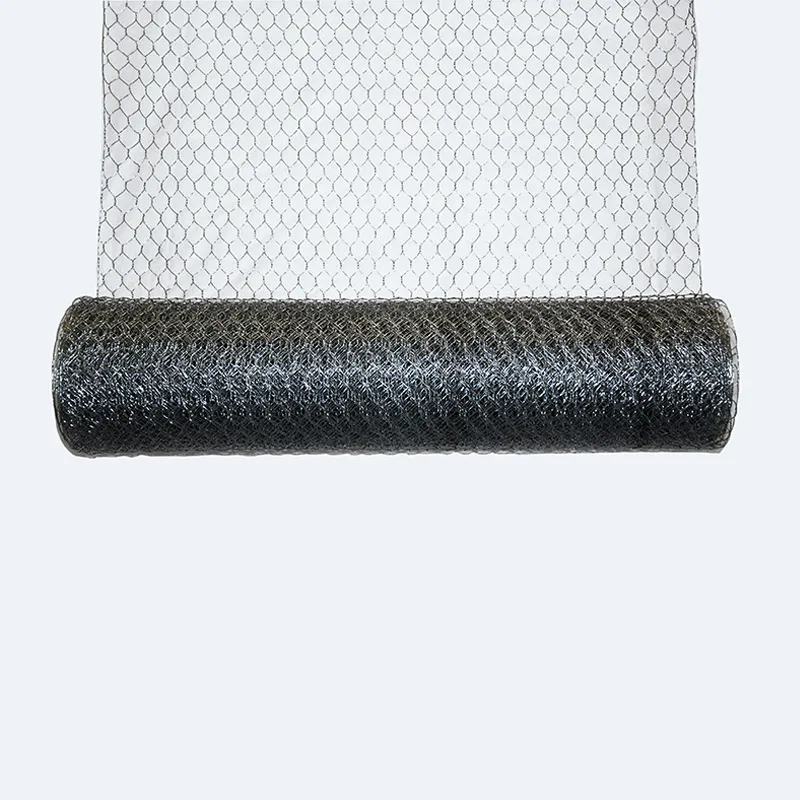
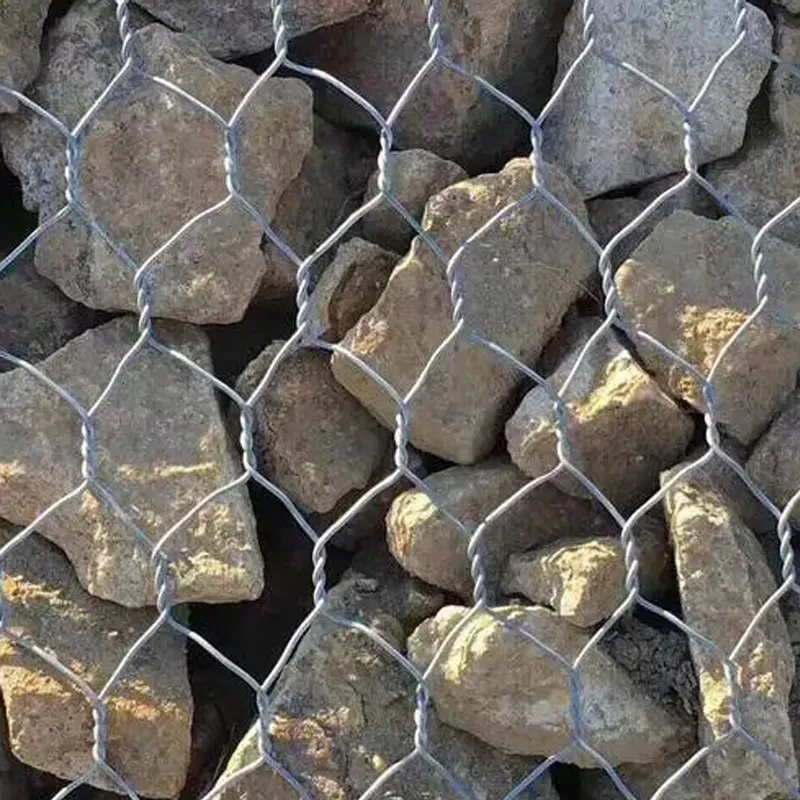
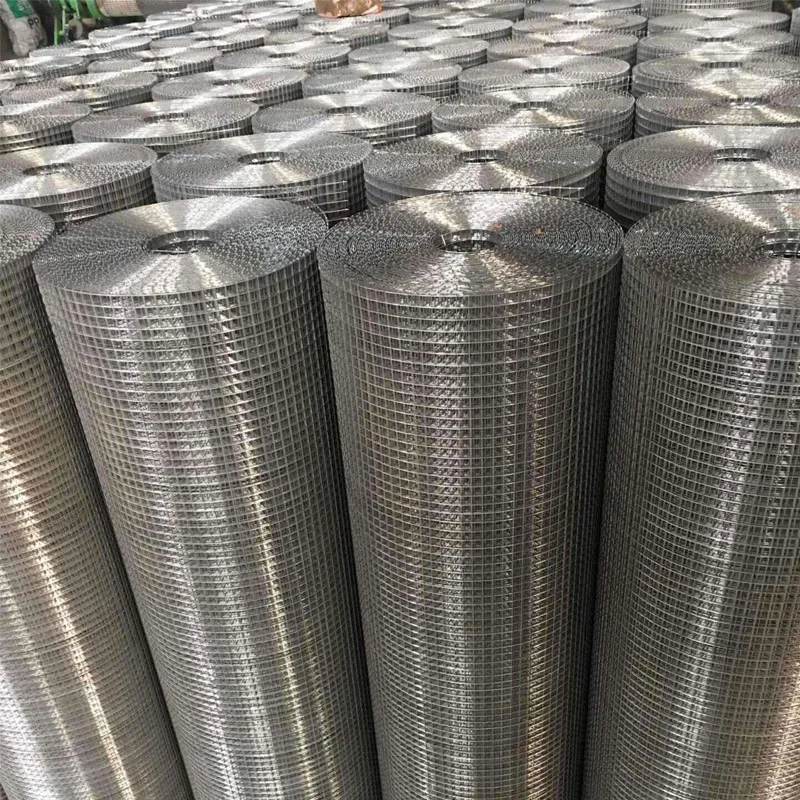
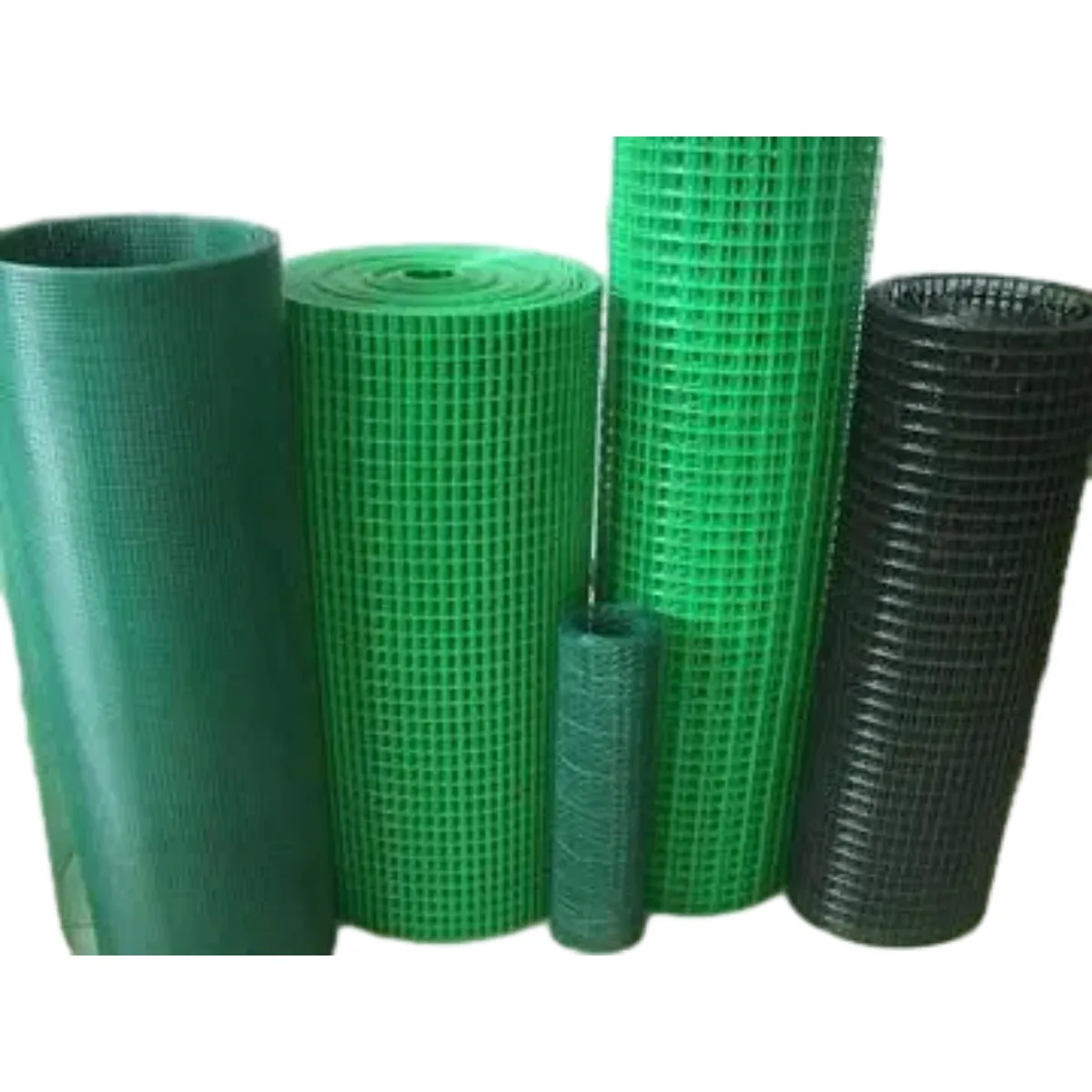
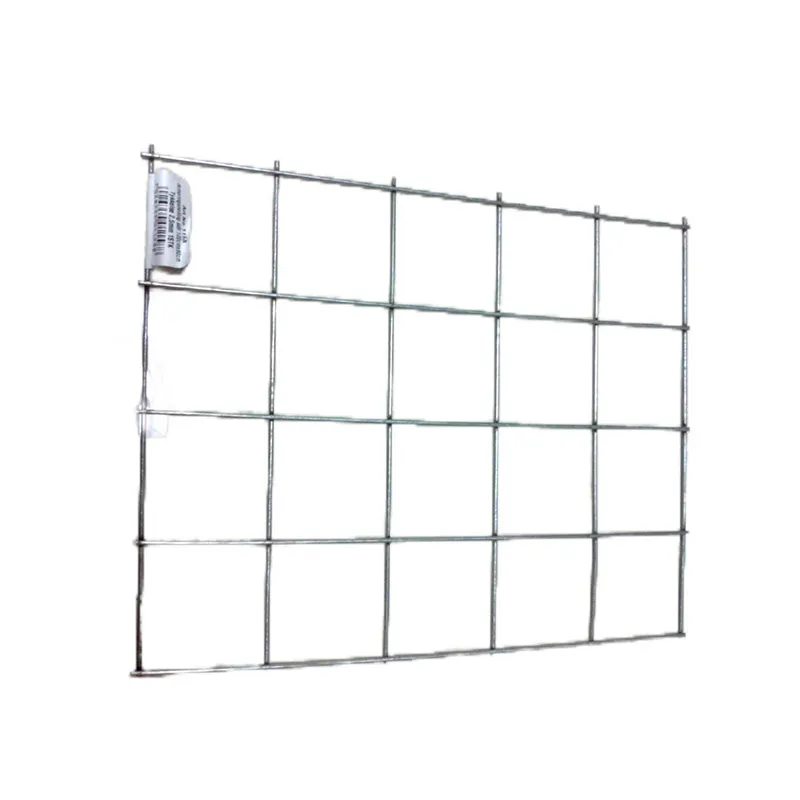
Several types of wire mesh are commonly used for chicken coops, each with its own advantages and disadvantages. Hardware cloth (woven wire mesh) is a popular choice, known for its durability and resistance to bending. Welded wire mesh is another option, offering a more uniform appearance but potentially being less resistant to determined predators. PVC-coated wire mesh adds an extra layer of protection against rust and corrosion, making it ideal for humid climates. Finally, hexagonal netting (chicken wire) is the most affordable, but also the least secure, as it’s easily torn or bent. Choosing the right mesh depends on your budget, the predators in your area, and the overall construction of your coop.
Key Considerations: Durability, predator resistance, cost, and climate conditions are all crucial factors when selecting chicken coop wire mesh. Prioritize the safety of your flock by choosing a robust and reliable option.
The Importance of Mesh Size for Chicken Coop Wire Mesh
The mesh size – the distance between the wires – is a critical factor in predator protection. Larger mesh sizes may allow smaller predators like weasels, rats, or snakes to enter the coop. For comprehensive protection, especially against smaller predators, a mesh size of ½ inch or smaller is recommended. Larger mesh sizes (1 inch) might be suitable if you’re primarily concerned with larger predators like hawks or foxes, but it’s always safer to err on the side of caution. YSZ Wire Mesh offers a variety of mesh sizes to suit your specific needs.
Mesh Size Guide:
• ½ inch: Excellent for protecting against all predators.
• 1 inch: Suitable for larger predators, but may allow smaller ones access.
• 2 inch: Generally not recommended for chicken coops due to inadequate predator protection.
Chicken Coop Wire Mesh: A Comparison of Materials
The material of the wire mesh significantly impacts its durability and longevity. Galvanized steel is a common and affordable option, providing good resistance to rust. Stainless steel offers superior corrosion resistance, making it ideal for coastal or humid environments. PVC-coated steel combines the strength of steel with the protective benefits of a plastic coating. Aluminum wire mesh is lightweight and rust-proof but may be less durable than steel. Consider your climate and the potential for exposure to moisture when selecting the material for your chicken coop wire mesh.
Proper Installation of Chicken Coop Wire Mesh
Even the best wire mesh won't provide adequate protection if it’s not installed correctly. Ensure the mesh is securely attached to the coop frame, with no gaps or loose areas. Overlap the edges of the mesh by several inches and secure them with staples or hog rings. Burying the bottom edge of the mesh several inches into the ground can prevent predators from digging underneath. Regularly inspect the mesh for any damage or wear and tear, and make repairs promptly. YSZ Wire Mesh provides easy-to-install options for a secure and long-lasting enclosure.
Product Specifications: YSZ Wire Mesh Options
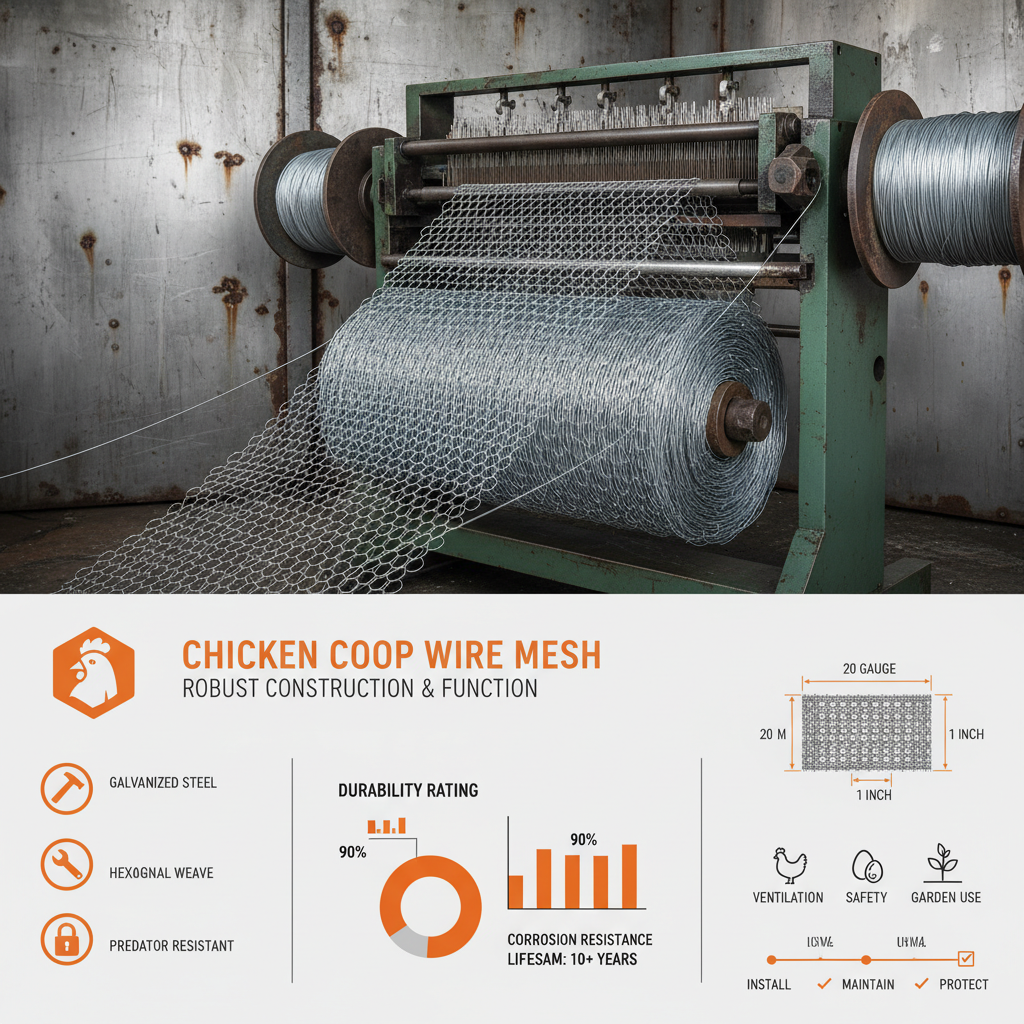
At YSZ Wire Mesh, we offer a comprehensive range of chicken coop wire mesh options to meet your specific requirements.
Conclusion: Secure Your Flock with Quality Wire Mesh
Choosing the right chicken coop wire mesh is a vital investment in the safety and well-being of your flock. By understanding the different types of mesh, considering your local predator threats, and ensuring proper installation, you can create a secure and comfortable environment for your chickens. Don’t compromise on quality – protect your investment and provide peace of mind with durable and reliable wire mesh from YSZ Wire Mesh.
Frequently Asked Questions (FAQs)
What is the best wire mesh to prevent digging predators?
To prevent digging predators like foxes or coyotes, the most effective approach is to bury the bottom edge of the wire mesh at least 12-18 inches deep. You can also extend the mesh horizontally outwards from the coop, creating an “apron” that deters digging. Hardware cloth with a ½ inch mesh is recommended for its durability and resistance to bending. Adding a layer of pavers or gravel over the buried mesh further discourages digging attempts.
How often should I inspect my chicken coop wire mesh?
Regular inspections are crucial for maintaining the security of your chicken coop. Inspect the mesh at least once a month, and more frequently during periods of high predator activity. Look for any signs of damage, such as holes, tears, bent wires, or loose staples. Promptly repair any damage to prevent predators from gaining access. Pay particular attention to the bottom edges of the mesh, as these are most vulnerable to digging.
Can I use plastic netting as chicken coop wire mesh?
While plastic netting (chicken wire) is the most affordable option, it's generally not recommended as a primary security measure for a chicken coop. It's easily torn or bent by predators, offering minimal protection. Plastic netting may be suitable for temporary enclosures or as an additional layer of protection in conjunction with more robust wire mesh, but it shouldn’t be relied upon as the sole barrier against predators.
Where can I purchase high-quality chicken coop wire mesh?
You can purchase high-quality chicken coop wire mesh from YSZ Wire Mesh. We offer a wide selection of materials, mesh sizes, and widths to suit your specific needs. We also provide expert advice to help you choose the best option for your flock and ensure a secure and durable enclosure.
-
High Quality Aviary Mesh Panels for Secure Bird Enclosures
NewsApr.16,2026
-
Ultimate Guide to Choosing the Best Aviary Fencing for Birds
NewsApr.09,2026
-
Comprehensive Guide to White Chicken Wire Applications and Benefits
NewsApr.07,2026
-
Comprehensive Guide to Chicken Mesh Fencing Applications and Installation
NewsApr.04,2026
-
Comprehensive Guide to Selecting the Best Sheep Netting Fence for Your Farm
NewsMar.31,2026
-
Comprehensive Guide to Chicken Wire Netting Applications and Installation
NewsMar.28,2026