Sep . 23, 2025 13:15 Back to list
Binding Wire For Sale: Durable, High-Quality & Affordable
Industry Overview and the Demand for Binding Wire
The global demand for industrial fasteners and tying materials continues its upward trajectory, driven by robust activity in construction, agriculture, and recycling sectors. Among these essential components, binding wire for sale stands out as a critical element. Market analysis indicates a steady compound annual growth rate (CAGR) of approximately 4.5% for wire products in industrial applications, reflecting sustained investment in infrastructure development and material handling technologies. This growth underscores the increasing need for reliable, high-quality binding solutions.
As industries evolve, so do the requirements for materials like binding wire. Modern applications demand not only strength and durability but also enhanced corrosion resistance, ease of handling, and specific gauge tolerances. Manufacturers and procurement specialists are increasingly seeking partners who can provide not just a product but a comprehensive solution, including technical support, customized specifications, and reliable supply chains. This article delves into the technical aspects, applications, and strategic considerations for sourcing high-performance binding wire in today's demanding industrial landscape.
Understanding Binding Wire: Materials and Properties
Binding wire, often referred to as binder wire, is a versatile and essential material used across a multitude of industries for tying, bundling, and securing. Its fundamental utility lies in its malleability combined with sufficient tensile strength to hold items firmly in place. The primary material for most binding wire is low carbon steel, known for its ductility and economic viability. However, specialized applications necessitate variations in material composition and surface treatment to enhance performance attributes such as corrosion resistance or aesthetic appeal.
Common Binding Wire Types:
- Black Annealed Binding Wire: This is the most common type, made from low carbon steel that undergoes an annealing process to increase its flexibility and ductility, making it easy to twist and tie. Its dark color is a result of the annealing and lack of surface treatment.
- Galvanized Binding Wire: Produced by coating black annealed wire with a layer of zinc, this variant offers superior corrosion resistance, making it suitable for outdoor or humid environments. Hot-dip galvanization provides a thicker, more durable coating than electro-galvanization.
- PVC Coated Binding Wire: This wire features a PVC (Polyvinyl Chloride) coating over galvanized or black annealed wire. The PVC layer offers excellent corrosion and abrasion resistance, UV stability, and is often available in various colors for aesthetic or coding purposes. It's particularly favored in fencing and garden applications.
- Stainless Steel Binding Wire: For extremely corrosive environments or applications requiring high hygiene standards, stainless steel (e.g., 304, 316 grade) is used. It offers unmatched resistance to rust and chemical degradation but comes at a higher cost.
The choice of material and treatment directly impacts the wire's service life and suitability for specific target industries, from petrochemical to water supply & drainage, where resistance to aggressive media is paramount.
The Manufacturing Process of Binding Wire
The production of high-quality binding wire for sale is a multi-stage process involving meticulous control at each step to ensure consistency, durability, and adherence to international standards. Understanding this process is crucial for discerning buyers who prioritize product integrity and performance.
Process Flow Schematic:
- Raw Material Procurement: Begins with high-quality low carbon steel wire rods (typically SAE 1006, 1008, or 1010 grade). These rods are selected for their optimal carbon content, ensuring the desired ductility post-processing.
- Wire Rod Descaling: The surface of the wire rod is cleaned to remove mill scale and impurities through mechanical descaling or acid pickling. This prevents defects during drawing and ensures proper surface treatment adhesion later.
- Wire Drawing: The descaled wire rod is drawn through a series of dies, gradually reducing its diameter to the desired gauge. This process increases the wire's tensile strength and improves its surface finish.
- Annealing (Softening): The drawn wire, now harder due to work-hardening, undergoes annealing. This involves heating the wire to a specific temperature (e.g., 700-900°C for black annealing) and then slowly cooling it. This process recrystallizes the steel, making it highly ductile and flexible, a critical characteristic for easy tying of binder wire.
- Surface Treatment (Optional, for Galvanized/PVC Coated):
- Hot-dip Galvanization: The annealed wire is immersed in a bath of molten zinc at approximately 450°C. This creates a metallurgical bond, providing a thick, durable, and uniform zinc coating for superior corrosion resistance.
- Electro-galvanization: Zinc ions are deposited onto the wire surface using an electric current. This results in a thinner, brighter coating, often used where aesthetics are a factor, though offering less corrosion protection than hot-dip.
- PVC Coating: For PVC coated wire, an extrusion process applies a layer of PVC polymer over a pre-galvanized or annealed wire, offering additional protection and color.
- Quality Control & Testing: Throughout the process, and especially at the final stage, rigorous testing is conducted. This includes tensile strength tests, elongation tests, diameter measurements, and for galvanized wire, zinc coating adherence and thickness tests (e.g., as per ASTM A641/A641M, ISO 9001 standards).
- Coiling and Packaging: The finished wire is coiled into various forms (e.g., small coils, spools, bale ties) according to customer requirements and securely packaged to prevent damage during transit.
The meticulous attention to detail at each stage ensures that the final binding wire for sale meets the specified mechanical properties and performance expectations, offering an extended service life in demanding environments like petrochemical and metallurgical facilities where corrosion resistance is crucial.
Technical Specifications and Performance Parameters
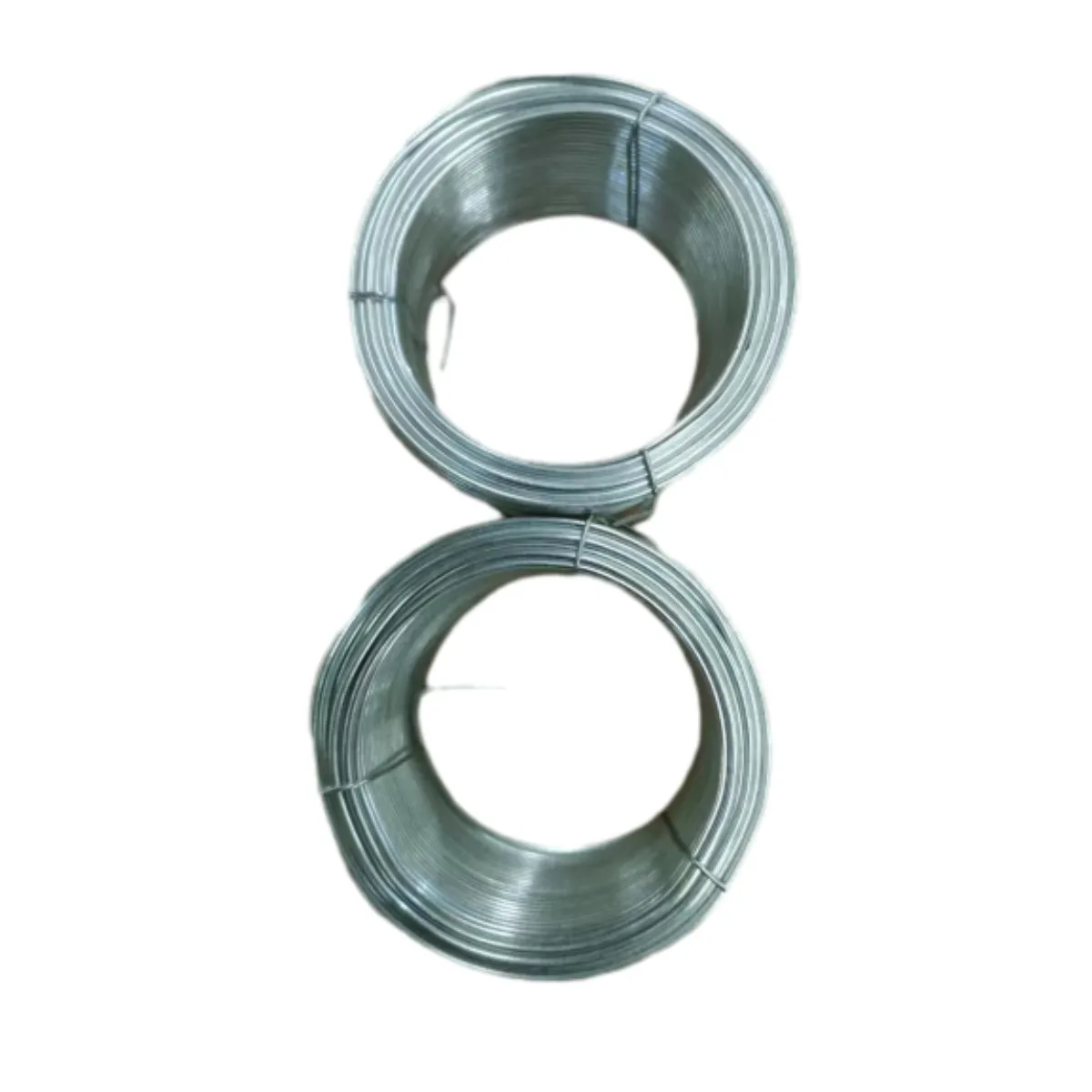
Choosing the correct binding wire involves a detailed understanding of its technical specifications. These parameters dictate the wire's suitability for specific applications, ensuring optimal performance and safety.
Key Technical Parameters:
- Material Grade: Typically low carbon steel (e.g., Q195, SAE1008). Specific grades offer variations in chemical composition affecting properties.
- Wire Gauge (BWG/SWG/mm): Defines the wire's diameter. Common gauges range from 8 BWG (4.06mm) to 22 BWG (0.71mm), with 16 BWG (1.65mm) and 18 BWG (1.24mm) being popular for construction.
- Tensile Strength: The maximum stress the wire can withstand before breaking. For annealed wire, this typically ranges from 300-450 N/mm² (43,500-65,000 PSI).
- Elongation: The percentage increase in length before fracture. High elongation (typically 15-25% for annealed wire) indicates good ductility and flexibility, essential for easy tying without breaking.
- Zinc Coating Weight (for Galvanized): Measured in g/m² or oz/ft², indicating the thickness of the zinc layer. Higher coating weight (e.g., 30-200 g/m²) equates to superior corrosion resistance and longer service life, particularly critical in harsh industrial environments or coastal regions.
- Coil Weight/Length: Specifies the weight of each coil (e.g., 10 kg, 25 kg, 50 kg, 1000 kg) or the total length of wire per coil, impacting logistics and application efficiency.
Typical Product Specification Table (Black Annealed Binding Wire):
Diverse Application Scenarios and Technical Advantages
The versatility of binding wire makes it indispensable across numerous industries. Its primary function is securing, but the specific technical advantages vary significantly based on the wire type and application environment.
Typical Application Scenarios:
- Construction Industry: Widely used to tie reinforcing bars (rebar) together before concrete pouring. The high ductility of black annealed wire allows for quick and secure twists, ensuring structural integrity. This application significantly reduces construction time and labor costs.
- Agriculture: Essential for baling hay, securing fences, and vineyard training systems. Galvanized binder wire is preferred here for its superior corrosion resistance against outdoor elements and agricultural chemicals, leading to extended service life and reduced maintenance.
- Recycling and Packaging: Used for baling waste materials such as cardboard, plastic, and metal scrap. Heavy-gauge binding wire ensures compact and stable bales, optimizing storage and transportation efficiency, contributing to energy saving in logistics.
- Crafts and General Household Use: Lighter gauges of annealed and PVC coated wires are popular for DIY projects, garden ties, and general bundling tasks due to their flexibility and ease of manipulation.
- Industrial Bundling and Securing: Used in various manufacturing and logistics operations to bundle products, secure components during transit, and as a temporary fastener. The consistent quality of binding wire for sale ensures reliable performance in these critical handling tasks.
Key Technical Advantages:
- Exceptional Ductility: Black annealed wire's high elongation (typically >15%) allows for easy bending, twisting, and knotting without breaking, crucial for manual rebar tying.
- Superior Corrosion Resistance: Galvanized and PVC coated wires offer enhanced protection against rust and environmental degradation. This significantly extends the product's service life in outdoor or harsh chemical environments, reducing replacement frequency and associated costs.
- Consistent Tensile Strength: Ensures the wire can withstand the required tension without snapping, providing reliable and secure fastening in critical applications.
- Cost-Effectiveness: Compared to other fastening methods, binding wire offers an economical solution for high-volume tying and bundling needs, contributing to overall project budget efficiency.
- Versatility in Gauges and Coatings: A wide range of available diameters and surface treatments means that a specific binding wire can be precisely matched to the load, environmental conditions, and handling requirements of almost any application.
Vendor Comparison and Customized Solutions
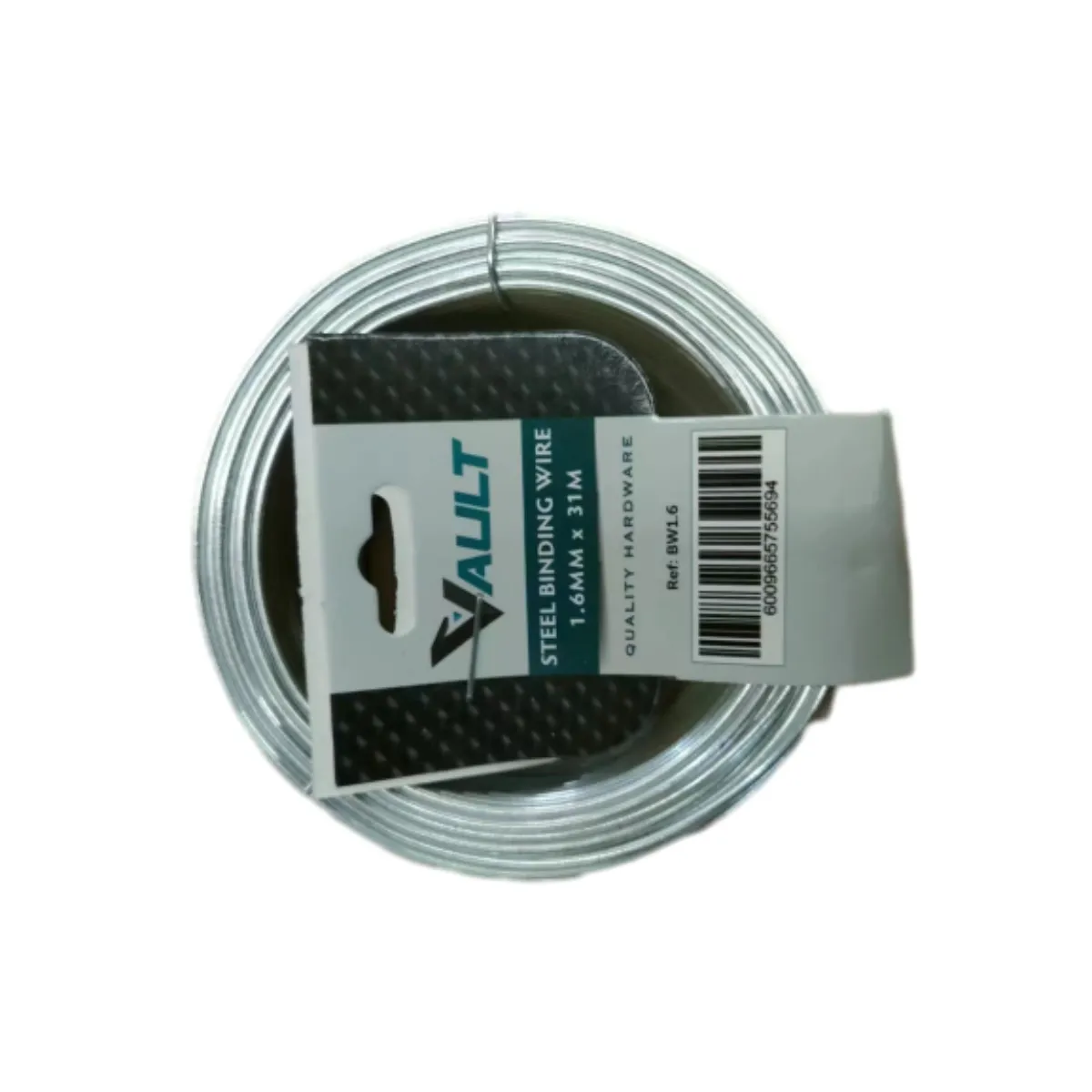
Selecting the right supplier for binding wire for sale is as crucial as understanding the product itself. A reliable vendor not only provides quality products but also offers tailored solutions and robust support. Key factors for vendor comparison extend beyond just price.
Criteria for Vendor Evaluation:
- Quality Certifications: Look for ISO 9001 certified manufacturers, ensuring consistent quality management systems. Adherence to international standards like ASTM, DIN, JIS is paramount.
- Product Range and Customization: A comprehensive product portfolio (black annealed, galvanized, PVC coated, various gauges) indicates versatility. The ability to provide customized solutions for specific diameters, coil weights, or coating thicknesses is a significant advantage.
- Experience and Reputation: Years in service and positive customer feedback are indicators of reliability and expertise. Partner clients from reputable industries underscore their authority.
- Technical Support and R&D: A vendor that offers technical guidance and invests in research and development can provide innovative solutions and troubleshooting assistance.
- Logistics and Lead Time: Efficient supply chain management, realistic lead times, and flexible shipping options are vital for maintaining project schedules.
Tailored Binding Wire Solutions:
Many industrial applications require specific properties that standard products may not fully address. Leading manufacturers of binding wire excel in offering customized solutions:
- Specific Wire Gauge: Beyond standard BWG, precise diameters can be produced to match automated tying machines or unique structural requirements.
- Enhanced Coating Thickness: For projects in highly corrosive environments (e.g., marine construction, chemical plants), a heavier zinc coating or specialized polymer coating can be applied to extend the wire's lifespan significantly.
- Custom Coil Sizes and Packaging: From small, easily handled coils for retail to large industrial spools for automated systems, packaging can be optimized for ease of use and reduced waste. Bale tie wires, for instance, are often custom-cut and bundled.
- Tensile Strength Adjustments: While maintaining ductility, tensile strength can be fine-tuned within a range to meet specific load-bearing requirements, ensuring optimal performance for applications like heavy-duty baling.
Engaging with a manufacturer capable of such customization ensures that your operational needs are met with precision, leading to improved efficiency and reduced long-term costs.
Application Case Studies: Proving Efficacy
Real-world application demonstrates the tangible benefits of high-quality binding wire. These case studies highlight how precise product selection and reliable supply contribute to project success.
Case Study 1: Large-Scale Infrastructure Project (Bridge Construction)
A major contractor undertaking the construction of a new highway bridge required over 500 tons of 16 BWG black annealed binding wire monthly. The critical requirement was consistent ductility and tensile strength to facilitate rapid rebar tying by a large workforce and automated machines. Our client provided wire meeting strict ASTM A853 standards, with an elongation rate consistently above 20%. This ensured minimal wire breakage, significantly increasing tying efficiency by 15% and reducing material waste, contributing to a 5% overall cost saving on the rebar tying phase.
Case Study 2: Coastal Agricultural Farm (Vineyard Trellising)
A vineyard located in a coastal region struggled with premature corrosion of their trellising wires due to saline air. They switched to a high-quality 14 BWG hot-dip galvanized binder wire with a zinc coating weight of 180 g/m². After three years, inspections revealed no signs of rust or degradation, compared to the previous wire which showed significant corrosion within 12 months. The enhanced corrosion resistance provided a projected service life increase of over 200%, drastically reducing replacement costs and labor for maintenance, and safeguarding their crop support system.
Case Study 3: Municipal Recycling Facility (Baling Operations)
A large municipal recycling plant handling tons of paper and plastic waste daily required durable and reliable 10 BWG baling wire. Frequent wire breakages in their automated balers led to operational downtime and increased maintenance. By sourcing premium binding wire for sale with rigorously tested tensile strength (400 N/mm²) and consistent wire diameter, the facility reduced wire breakages by 40% over a six-month period. This improvement translated directly into a 10% increase in baling throughput and a 25% reduction in baler downtime, enhancing the overall efficiency and profitability of their recycling operations.
Trustworthiness & Customer Assurance
At YISZHE, we prioritize customer trust and satisfaction by ensuring transparency in our processes and unwavering commitment to product quality and support.
Frequently Asked Questions (FAQ):
- Q: What is the typical lead time for an order of binding wire?
- A: Our standard lead time for common specifications is 7-14 business days from order confirmation. For large volume or customized orders, lead times may range from 15-30 business days, depending on complexity and production schedule. We communicate precise lead times at the time of quotation.
- Q: Do you offer samples for evaluation?
- A: Yes, we can provide samples of our binding wire for quality and compatibility testing. Please contact our sales team with your specific requirements.
- Q: What quality certifications do your products hold?
- A: Our manufacturing facilities are ISO 9001:2015 certified, and our products meet or exceed international standards such as ASTM A641/A641M, ASTM A853, BS EN 10244-2, and DIN EN 10218-2.
- Q: What is your warranty policy for binding wire?
- A: We offer a warranty against manufacturing defects and material non-conformance for a period of 12 months from the date of shipment. This covers defects in materials and workmanship under normal use conditions, as detailed in our terms and conditions.
Lead Time & Fulfillment Details:
Our robust supply chain and optimized production facilities allow us to maintain competitive lead times for binding wire for sale. We offer various shipping options, including sea freight, air freight, and expedited ground transport, tailored to your project deadlines and budget. Our logistics team provides real-time tracking and comprehensive documentation to ensure a seamless delivery process from our facility to your doorstep.
Warranty & After-Sales Support:
Beyond our standard warranty, YISZHE is committed to providing exceptional after-sales support. Our technical team is available to assist with product application queries, troubleshoot issues, and provide expert advice on optimal binder wire selection. We believe in building long-term partnerships based on trust and mutual success.
Conclusion
The selection of appropriate binding wire for sale is a strategic decision that directly impacts operational efficiency, project longevity, and overall cost-effectiveness across various industrial sectors. From the foundational strength and flexibility of black annealed wire to the advanced corrosion resistance of galvanized and PVC coated variants, understanding the technical specifications and manufacturing processes is paramount. Partnering with a reputable manufacturer that prioritizes quality, offers customized solutions, and provides comprehensive support ensures access to reliable, high-performance binding solutions that meet the rigorous demands of modern industry. Investing in superior binding wire translates into enhanced operational safety, reduced maintenance, and improved project outcomes.
References
- American Society for Testing and Materials (ASTM). ASTM A641/A641M-03: Standard Specification for Zinc–Coated (Galvanized) Carbon Steel Wire.
- International Organization for Standardization (ISO). ISO 9001:2015: Quality Management Systems – Requirements.
- The Wire Association International (WAI). Wire & Cable Technology International.
- United States Department of Agriculture (USDA). Rural Development fact sheets on agricultural fencing and materials.
- Journal of Construction Engineering and Management. Studies on rebar tying efficiency and material properties.
-
High Quality Aviary Mesh Panels for Secure Bird Enclosures
NewsApr.16,2026
-
Ultimate Guide to Choosing the Best Aviary Fencing for Birds
NewsApr.09,2026
-
Comprehensive Guide to White Chicken Wire Applications and Benefits
NewsApr.07,2026
-
Comprehensive Guide to Chicken Mesh Fencing Applications and Installation
NewsApr.04,2026
-
Comprehensive Guide to Selecting the Best Sheep Netting Fence for Your Farm
NewsMar.31,2026
-
Comprehensive Guide to Chicken Wire Netting Applications and Installation
NewsMar.28,2026