Galvanized welded wire mesh manufacturers specialize in producing high-strength steel grids where longitudinal and transverse wires are joined by electric welding and coated with zinc to prevent oxidation. This material is essential for applications requiring both structural stability and environmental resistance, ranging from industrial partitioning to agricultural enclosures.
Selecting the right manufacturer is critical because the quality of the weld and the thickness of the galvanization layer directly impact the product's longevity. Poorly welded joints can fail under pressure, while insufficient zinc coating leads to premature rust, particularly in coastal or humid environments where salt and moisture accelerate corrosion.
This comprehensive guide examines the technical specifications, material selection criteria, and procurement strategies for sourcing galvanized welded wire mesh. By understanding the trade-offs between different coating methods and wire gauges, buyers can optimize the balance between initial cost and long-term operational durability.

1Understanding Galvanized Welded Mesh Fundamentals

Galvanized welded wire mesh is created by arranging low-carbon steel wires in a grid pattern and welding them at every intersection. Unlike woven mesh, the welded structure is rigid and does not shift, providing a stable surface that is ideal for security fencing and structural reinforcement. The "galvanized" aspect refers to the zinc coating applied to the steel, which serves as a sacrificial anode, protecting the underlying iron from rust.
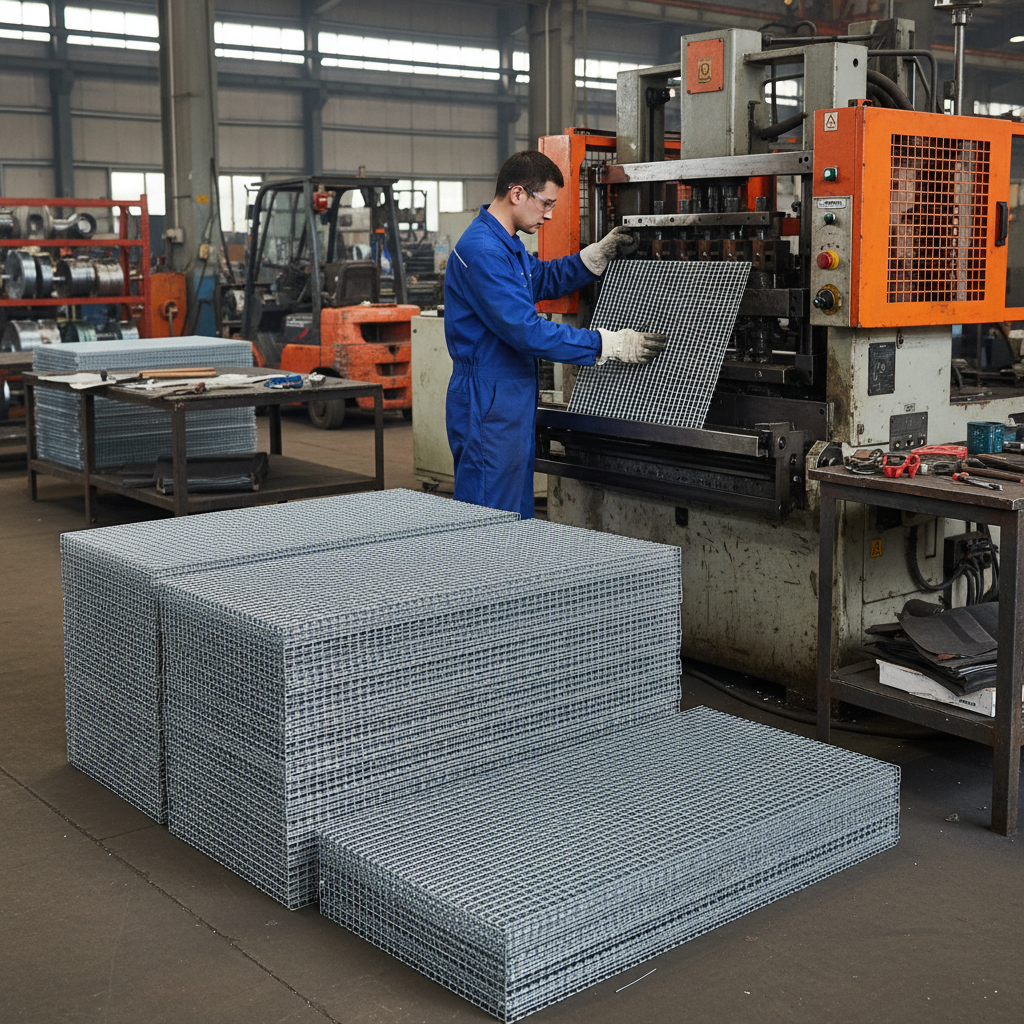
The manufacturing process typically involves wire drawing, straightening, cutting, and automated welding. Professional manufacturers ensure that the wire gauge remains consistent throughout the roll to prevent weak spots in the mesh. This consistency is vital for projects where the mesh must support weight or resist forced entry.
From a materials science perspective, the synergy between the weld strength and the zinc layer defines the product's grade. High-quality galvanized welded wire mesh maintains its integrity even under thermal expansion and contraction, making it suitable for diverse climates from arid deserts to temperate forests.
2Key Technical Features and Material Advantages
One of the primary advantages of welded mesh is its exceptional rigidity. Because the wires are fused together, the grid remains perfectly square, which is essential for architectural applications and precise industrial cages. The use of galvanized steel further ensures that this rigidity is not compromised by corrosion over time, extending the maintenance cycle significantly.
Moreover, the versatility of wire gauges allows manufacturers to customize the mesh for specific load-bearing requirements. Heavier gauges provide the necessary strength for highway fences or animal containment, while thinner wires are used for lightweight partitions or avian enclosures, balancing cost with functional necessity.
The durability of these products is further enhanced when combined with other treatments, such as PVC coating over the galvanization. This dual-layer protection provides a barrier against UV radiation and chemical abrasion, which is particularly useful in aquaculture or high-salinity coastal regions.
3Industrial and Agricultural Application Scenarios
In the agricultural sector, galvanized welded wire mesh is the gold standard for livestock enclosures. Its strength prevents predators from breaching the perimeter, while the zinc coating ensures the fence does not degrade when exposed to animal waste and soil moisture. Common uses include poultry runs, rabbit hutches, and sheep pens.
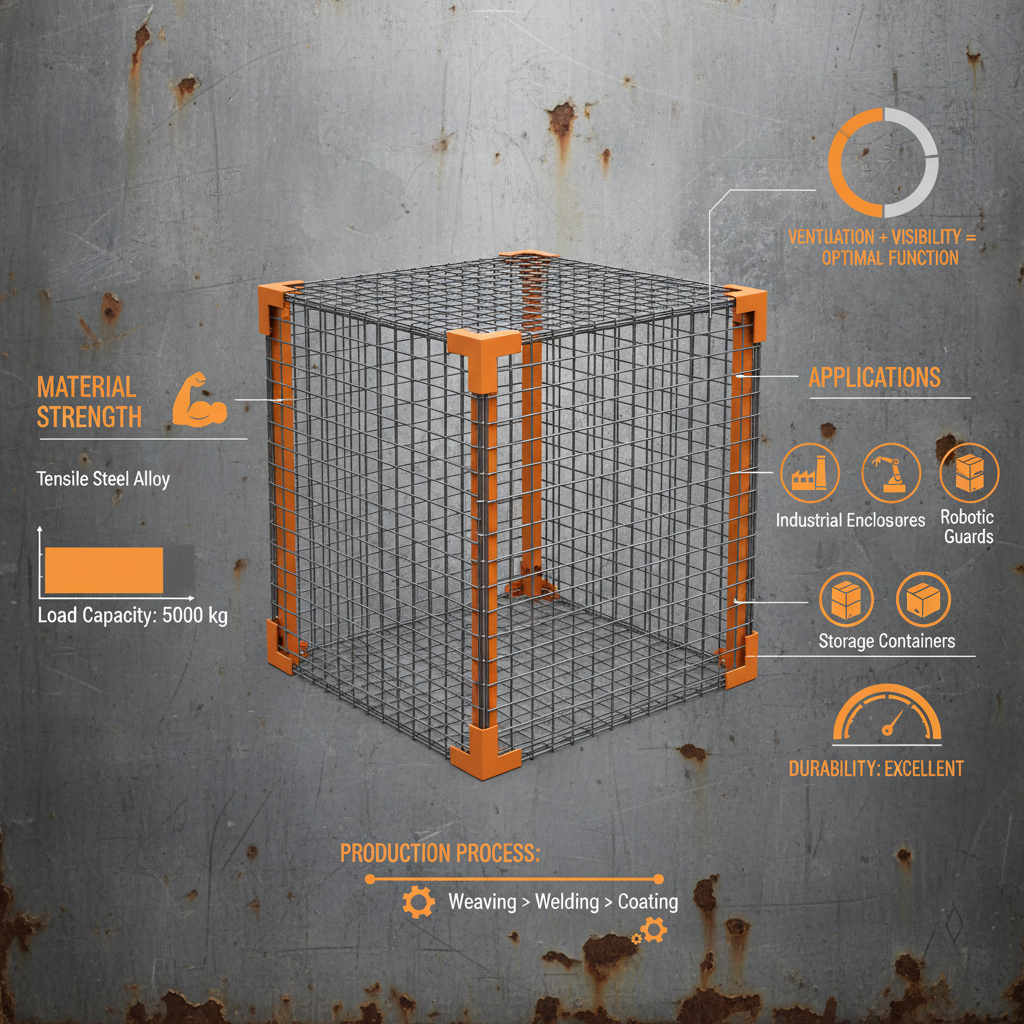
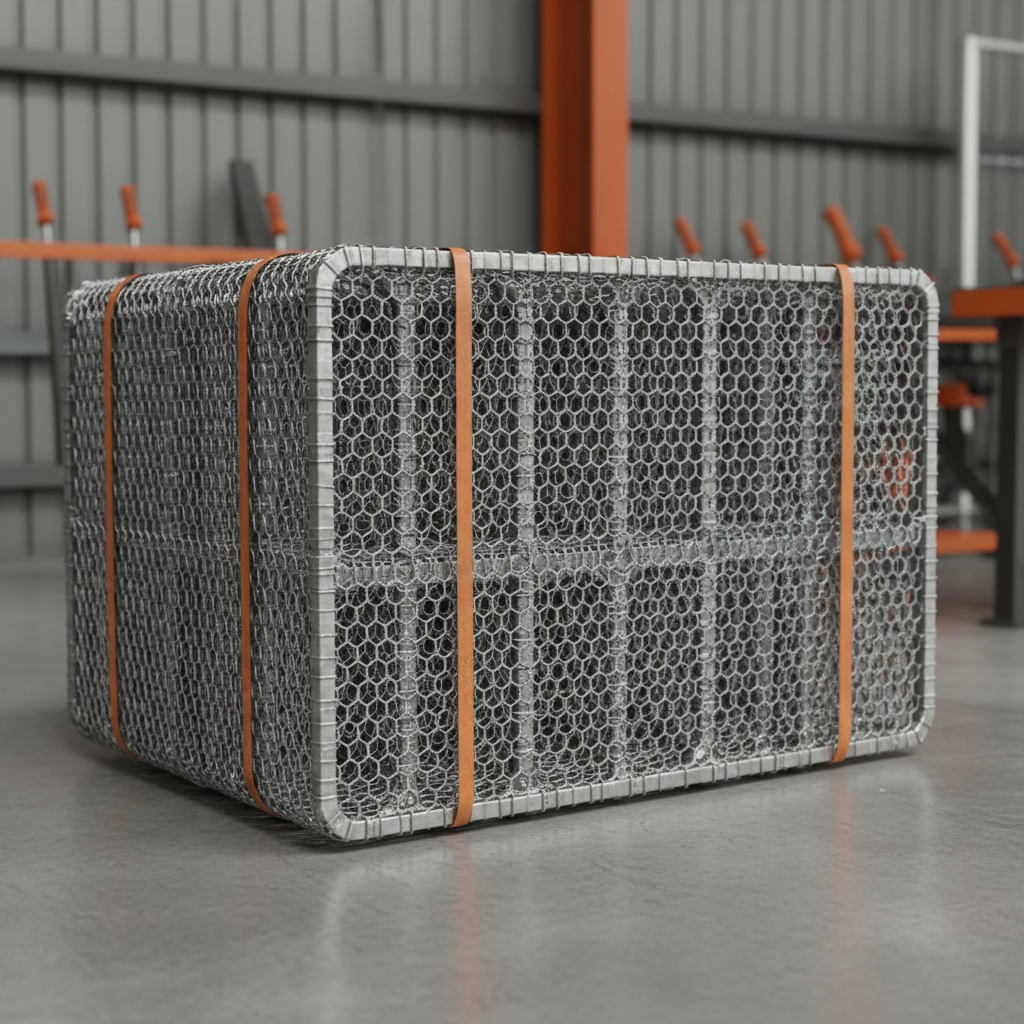
Industrially, the mesh is employed as a safety barrier around machinery or as a support structure for cladding and insulation in construction. Its ability to be cut and shaped without losing structural integrity makes it an efficient choice for creating customized cages, shelving, and warehouse partitions.
Beyond these, the mesh is frequently used in civil engineering for slope stabilization and as a reinforcement layer in concrete plastering. The uniform grid ensures that the pressure is distributed evenly, reducing the risk of cracking in structural walls or road embankments.
4Performance Metrics and Quality Benchmarks
Evaluating the performance of galvanized welded wire mesh requires a focus on three main metrics: weld shear strength, zinc coating weight (g/m²), and dimensional tolerance. A high-quality weld should not break the wire; instead, the wire itself should deform before the weld fails, indicating a deep and secure fusion.
Zinc coating thickness is measured using magnetic gauges. For heavy-duty outdoor applications, a thickness exceeding 60g/m² is typically required to ensure a service life of over a decade. In contrast, indoor applications may only require 10-30g/m², which reduces costs while providing sufficient rust prevention.
galvanized welded wire mesh manufacturers Performance Metrics
Comparing these metrics against industry averages reveals that top-tier manufacturers utilize advanced automated welding and dipping tanks to achieve superior uniformity. This precision reduces the variance in mesh aperture size, ensuring that the product meets the strict specifications required for industrial security standards.
5Procurement Criteria for Sourcing Manufacturers
When sourcing from galvanized welded wire mesh manufacturers, procurement teams should prioritize facilities that employ a complete quality control system. This includes raw material testing for carbon content and post-production salt spray tests to verify the corrosion resistance of the galvanization layer.
Flexible payment terms and quality guarantees are also indicators of a manufacturer's confidence in their output. For instance, reputable suppliers often provide a quality guarantee deposit, ensuring that the goods delivered match the agreed-upon specifications in terms of wire diameter and mesh opening.
Logistical efficiency is the final consideration. Proximity to major shipping ports, such as Tianjin Seaport, reduces transit times and shipping costs, making it easier to manage just-in-time inventory for large-scale construction or farming projects.
6Comparative Analysis of Coating Technologies
The choice between electro-galvanized and hot-dip galvanized mesh depends entirely on the environment. Electro-galvanizing provides a smooth, shiny finish and is cost-effective for indoor use, but the thin zinc layer is quickly depleted in outdoor settings. Hot-dip galvanizing involves immersing the welded mesh in molten zinc, creating a much thicker, more rugged layer.
For extreme conditions, PVC coating over a galvanized base offers the highest level of protection. This method prevents the zinc from coming into direct contact with corrosive agents and adds a layer of physical cushioning, which is essential for animal enclosures to prevent injury to livestock.
Stainless steel alternatives exist for medical or high-chemical environments, but they carry a significantly higher cost. For the vast majority of industrial and agricultural needs, galvanized welded wire mesh provides the most balanced ROI by offering sufficient protection at a fraction of the cost of stainless steel.
7Selection Guide: Matching Mesh to Project Needs
Selecting the correct mesh involves matching the wire gauge (BWG) and aperture size to the specific load and containment requirements. A 24 BWG wire with a 1-inch opening is standard for poultry, whereas a 14 BWG wire is necessary for heavy-duty perimeter fencing designed to stop larger animals or intruders.
Environmental factors also dictate the selection; coastal projects must prioritize hot-dip galvanization or PVC coatings to combat chloride-induced corrosion. In contrast, interior warehouse partitioning can utilize electro-galvanized mesh to save on procurement costs without sacrificing functionality.
| Application | Recommended Gauge | Coating Type | Key Priority |
|---|---|---|---|
| Poultry Fencing | 22-26 BWG | Electro/Hot-Dip | Cost/Ventilation |
| Industrial Cages | 12-16 BWG | Hot-Dip | Rigidity/Strength |
| Coastal Barriers | 14-18 BWG | PVC Coated | Corrosion Resistance |
| Garden Trellis | 20-24 BWG | Electro-Galv | Aesthetics/Weight |
| Security Fences | 10-14 BWG | Hot-Dip | Impact Resistance |
| Aquaculture | 16-20 BWG | PVC Coated | Water Resistance |
Ultimately, the decision should be based on the expected lifespan of the project. While thinner, electro-galvanized mesh is cheaper initially, the replacement cost associated with rust-induced failure often makes the more expensive hot-dip galvanized option a more economical choice over a 10-year horizon.
Frequently Asked Questions
Conclusion
Sourcing from reputable galvanized welded wire mesh manufacturers ensures that your project benefits from the ideal combination of structural rigidity and long-term corrosion resistance. Whether you are securing a commercial facility or building a livestock enclosure, the focus should remain on the quality of the zinc coating and the integrity of the weld points.
For procurement teams and project managers seeking high-performance fencing and mesh solutions, reviewing detailed technical specifications is the first step toward a durable installation. Further product information and customized solution options can be explored at www.yszwiremesh.com.