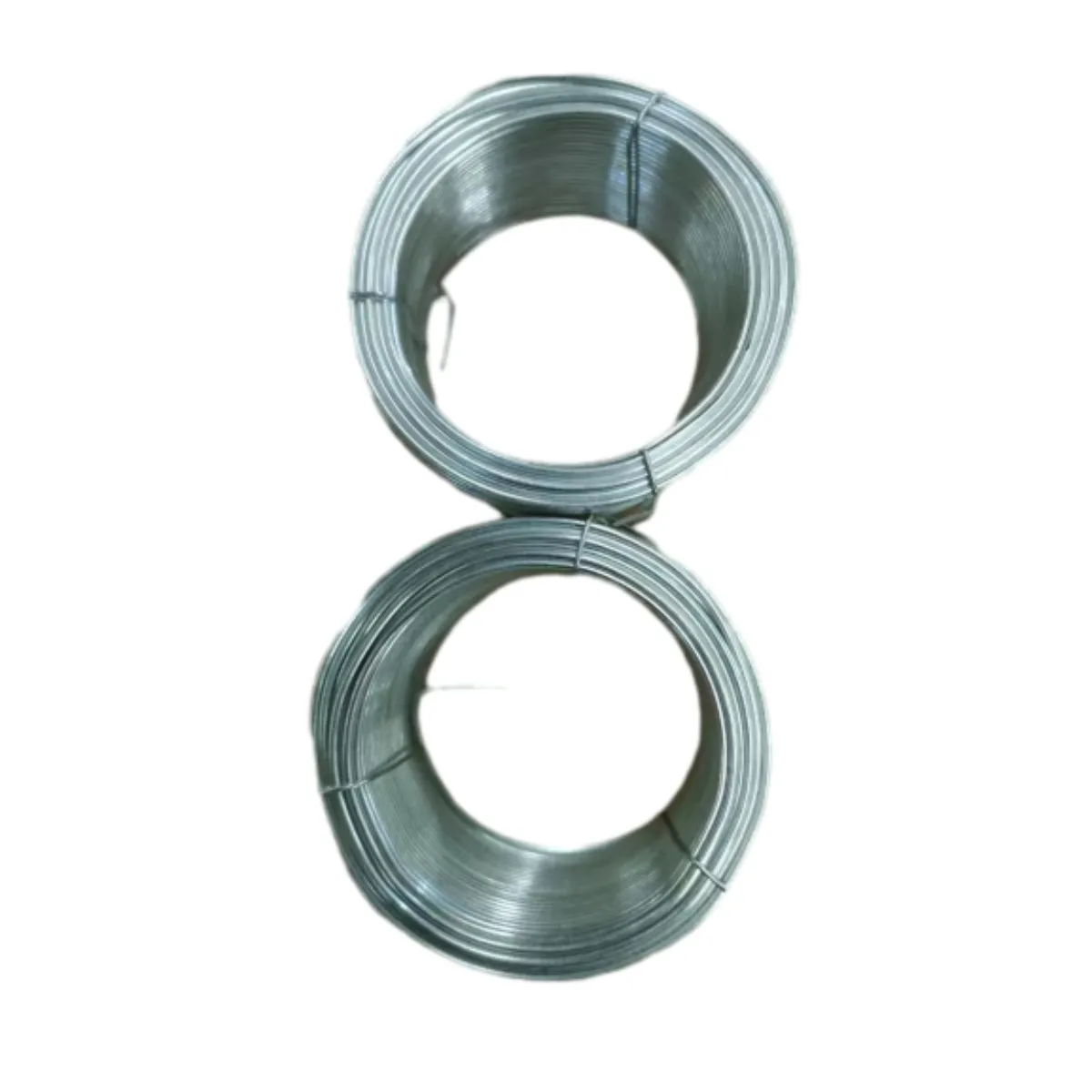
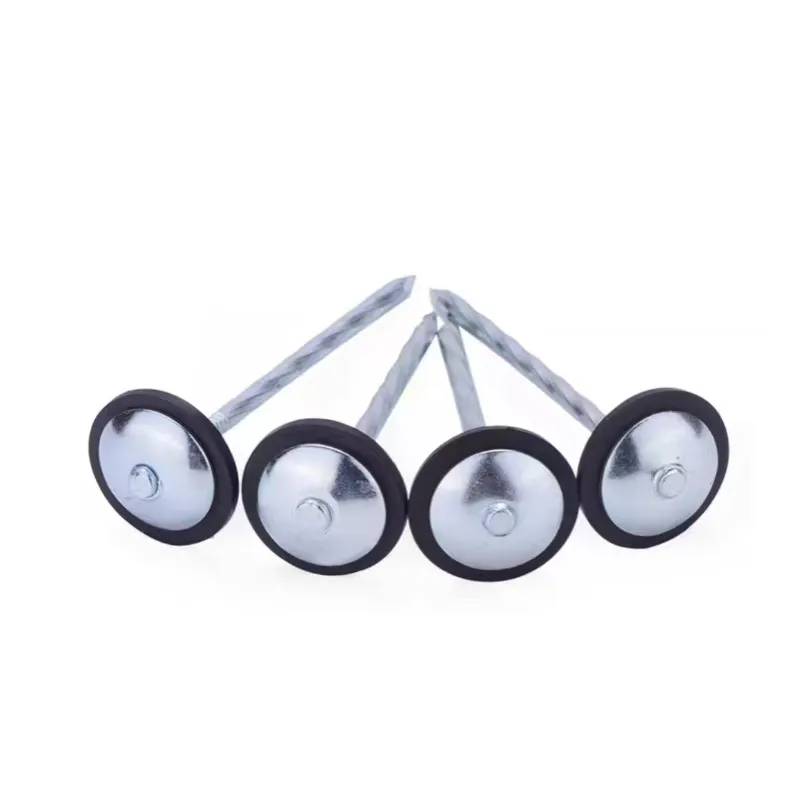
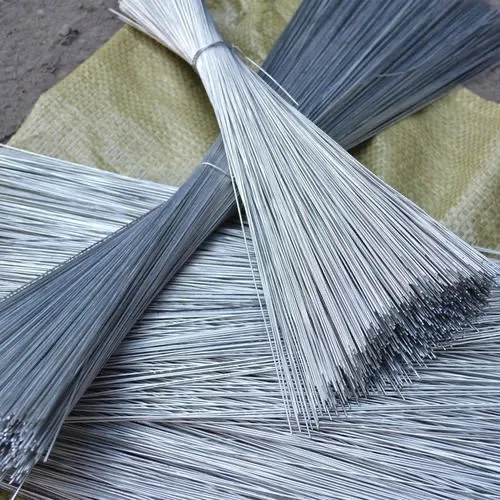
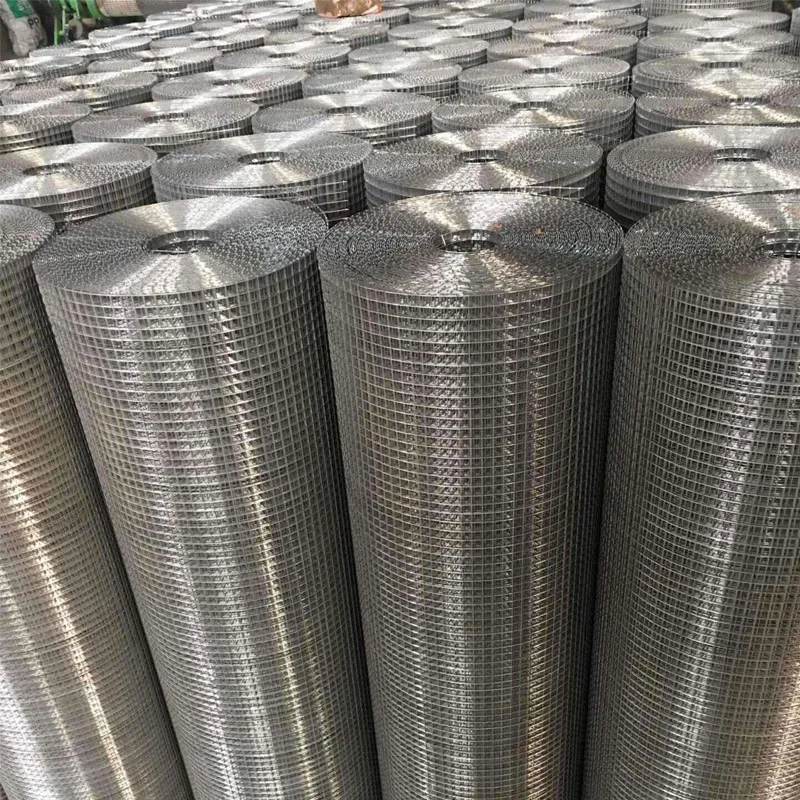
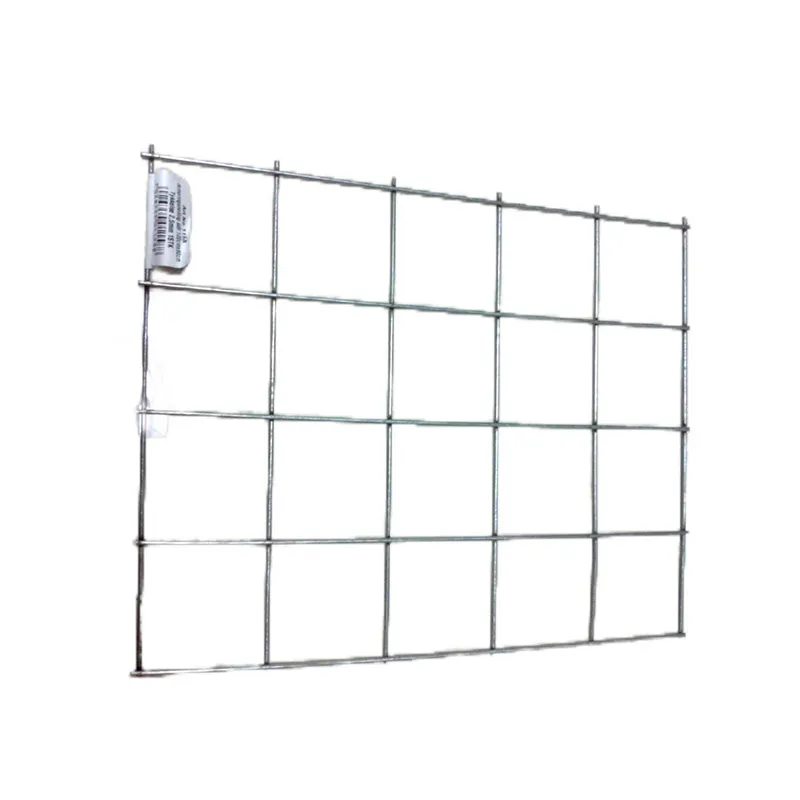
In Mali, the demand for hex wire netting is driven primarily by the livestock sector, where protecting poultry and small ruminants from predators is critical. However, the harsh, dry climate and dust storms often accelerate the wear and tear of low-quality galvanized coatings.
Agriculturalists in regions like Kayes and Bamako increasingly rely on chicken netting to secure organic farms. The local market has shifted from artisanal, manually twisted wires to standardized industrial mesh that ensures consistent aperture sizes for better security.
Infrastructure development in urban Mali also sees a rising need for cement wire mesh for reinforcing concrete structures, as the country invests in more resilient residential and commercial buildings to withstand thermal expansion.