Hydraulic Hose Ferrule Fittings Cost Comparison: Steel vs Brass
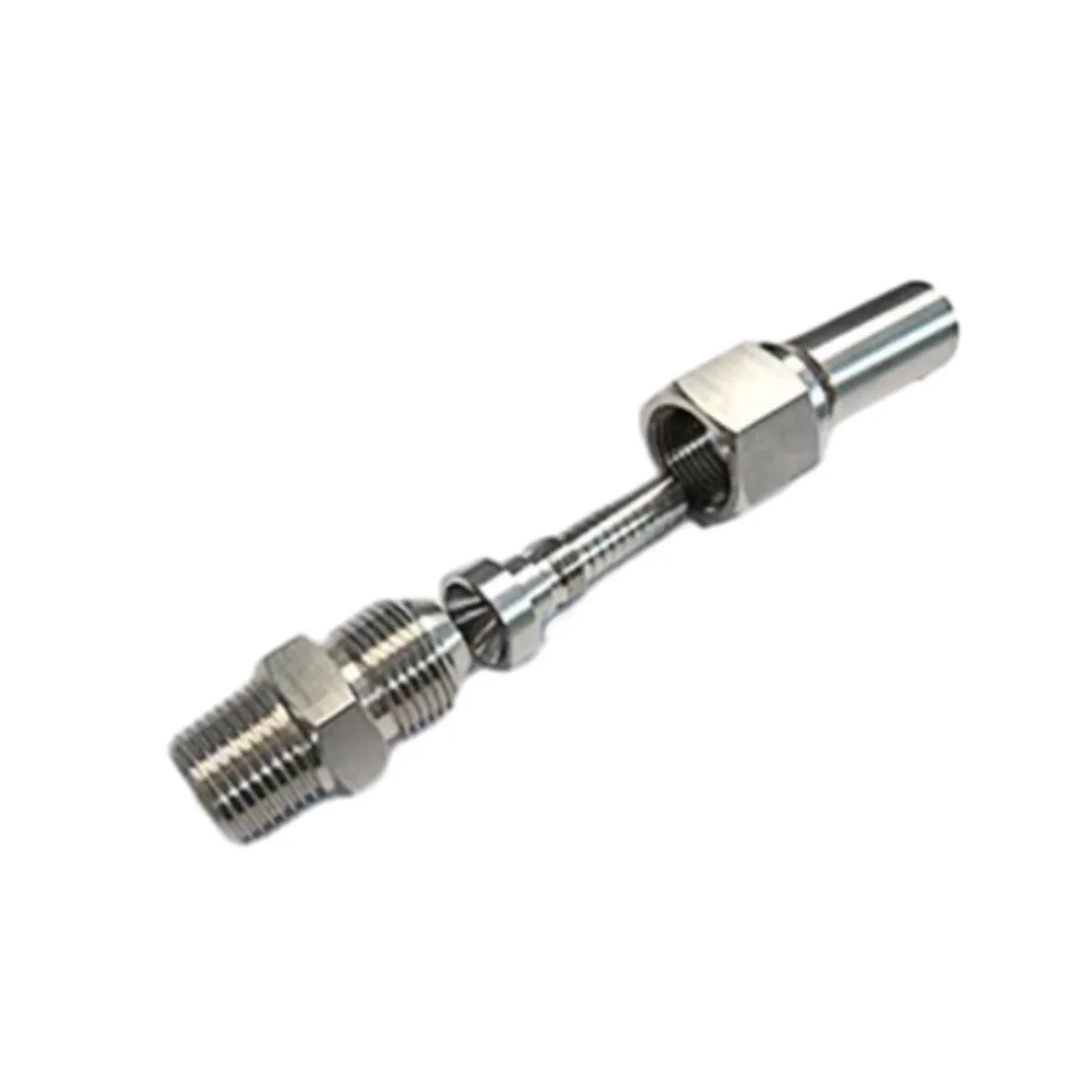
Procuring hydraulic hose ferrule fittings requires balancing initial component expenditure against long-term maintenance and replacement frequency across diverse industrial operating environments.
Procurement managers and MRO engineers evaluate material costs and total cost of ownership to determine optimal purchasing strategies.
Material Tier Comparison: Carbon Steel, Stainless Steel, and Brass
Material procurement decisions require a careful balance between upfront acquisition expenditure and long-term MRO liabilities across demanding industrial operating environments. Purchasing carbon steel provides a cost-effective baseline for dry manufacturing setups, whereas stainless steel prevents premature degradation in highly corrosive marine or oil & gas installations. Brass occupies a specialized commercial tier that balances intermediate unit costs with targeted fluid transport requirements.
Operational longevity scales directly with environmental exposure severity, meaning that undersized or improperly matched metal grades rapidly drive up replacement frequencies. When procurement managers evaluate total cost of ownership, raw material unit costs must be weighed against the frequency of system downtime and secondary maintenance outlays. Specific compliance document types vary by target market and operational jurisdiction, and complete test reports are available upon direct request from the manufacturer.
Comparative Analysis of Unit Costs and Operational Longevity
Carbon steel serves as the primary economic baseline for standard industrial applications with moderate exposure levels, lowering immediate budget allocations for high-volume purchasing batches. Stainless steel commands a higher initial price point while eliminating subsequent rust-mitigation expenditures in aggressive chemical or moisture-heavy environments. Brass provides specific functional advantages for agricultural equipment and industrial automation circuits where moderate corrosion resistance and specialized fluid compatibility are required.
Procuring agents who align material tiers with exact mechanical stress and fluid characteristics prevent the catastrophic field failures often caused by generalized material selection. If operating temperatures or chemical loads fluctuate beyond standard thresholds, upgrading to a higher metal tier mitigates unexpected maintenance interventions. Complete technical documentation regarding material parameters varies by jurisdiction, and required test files are available upon direct request from the manufacturer.
| Material | Relative Raw Material Unit Cost | Corrosion Resistance Level | Size Range | Typical Applications |
|---|---|---|---|---|
| carbon steel | Lowest | Low (requires coating) | 1/2" to 2" (6mm-51mm) | construction, manufacturing, mining |
| stainless steel | Highest | High (inherent) | 1/2" to 2" (6mm-51mm) | marine, oil & gas, industrial automation |
| brass | Moderate | Moderate | 1/2" to 2" (6mm-51mm) | agricultural, automotive, manufacturing |
Environmental Boundary Conditions for Metal Tier Selection
Selecting the optimal metal grade depends entirely on fluid media, mechanical stress profiles, and exterior exposure characteristics across each target sector. Heavy construction machinery and mining equipment subject fluid transport pathways to abrasive debris and extreme cyclical pressure, requiring robust structural integrity from the chosen material tier. When agricultural machinery operates in damp or chemically treated fields, brass or coated carbon steel components must be evaluated against localized corrosion rates.
Maintenance engineers determine replacement cycles by auditing how effectively each metal tier withstands operational wear under specific load conditions. Unless facility managers account for moisture acceleration and abrasive wear during the initial specification phase, hidden replacement costs will quickly erode initial purchasing savings. Detailed technical sheets containing material origin parameters are available upon direct request from the manufacturer to support final purchasing approvals.
Dimensional Specifications: Sourcing 1/2inch to 2inch Sizes
Nominal bore diameters spanning from 1/2" to 2" (6mm-51mm) directly govern volumetric flow rates across complex industrial networks, requiring strict alignment with application-specific fluid dynamics. Sizing decisions depend heavily on the pressure thresholds and fluid viscosities dictated by the operating environment, where improper dimensional matching induces turbulence and pressure drops. Hydraulic fluid lines carrying high-pressure media require precise dimensional compatibility to prevent premature joint degradation and leakage.
Procurement agents must select appropriate diameters within the available range based on the specific flow rate requirements of the primary hydraulic circuit. If system operating parameters fluctuate beyond standard thresholds, component sizing must be verified against actual fluid velocity and pressure containment needs.
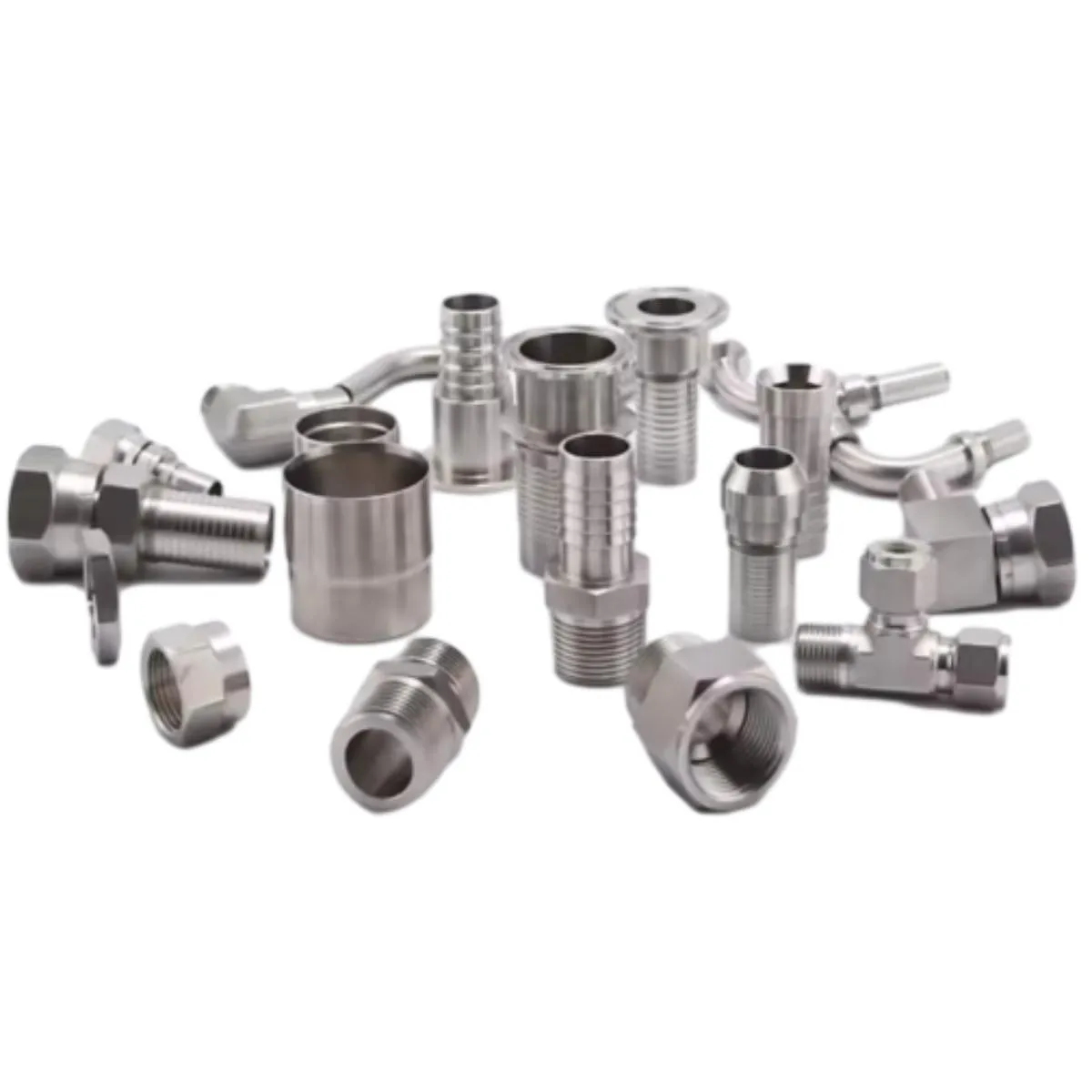
Construction machinery and agricultural equipment typically operate with medium-to-large bore diameters to accommodate fluctuating volumetric requirements during heavy lifting and tilling cycles. Component dimensions must interface seamlessly with existing port geometries to maintain system integrity under continuous mechanical vibration. Fleet maintenance teams evaluate inside diameter tolerances against peak operating pressures to mitigate unexpected connection failures.
Mining extraction machinery requires robust dimensional stability to withstand abrasive particulate contamination and high mechanical shock loads. Oil and gas installations prioritize tight dimensional clearances to ensure structural containment of high-pressure hydrocarbons and hydraulic actuation fluids. Manufacturing automation systems utilize precise sizing parameters to maintain consistent fluid transmission across repetitive operational cycles.
| Parameter | Specification / Range | Target Application Sectors |
|---|---|---|
| Size Range | 1/2" to 2" (6mm-51mm) | Construction, agriculture, manufacturing |
| Diameter Span | Discrete nominal bore tiers | Mining, marine, industrial automation |
| Fluid Compatibility | High-pressure hydraulic media | Oil & gas, automotive fluid transport |
Total Cost of Ownership: Balancing Unit Price and Longevity
Evaluating Financial Impact Across Operational Lifecycle Stages
Assessing total expenditure requires shifting focus from initial purchasing invoices to ongoing maintenance costs incurred over active lifespans. High-consumption industrial hardware demands a methodical calculation model that weighs upfront acquisition totals against secondary expenditures like unscheduled downtime, labor overhead, and component replacements.
Balancing Acquisition Outlays Against Replacement Frequency
Lower initial purchase prices for valve hardware can mislead buying teams if replacement intervals shorten significantly in abrasive operational environments. Evaluating initial procurement outlays against secondary processing requirements and replacement frequency reveals whether cheaper base materials truly lower operational costs over time. Premature metal degradation forces unexpected part swaps, multiplying labor expenses and halting production lines far beyond any initial savings achieved at checkout.
The financial impact of unexpected component breakdowns depends heavily on the specific sector and the severity of the operational environment. Corrosive moisture and heavy mechanical loads accelerate wear rates, making frequent part replacements a dominant cost driver. Calculating total expenditure for these settings hinges directly on the selected metal tier and delivery timelines tied to minimum order quantities and order volumes.
Strategic Framework for Reducing Long-Term Failure Rates
MRO engineers utilize comparative metal performance metrics to justify higher upfront expenditures on carbon steel, stainless steel, or brass components. If operating conditions involve high chemical exposure or severe marine humidity, upgrading from carbon steel to stainless steel prevents rapid corrosion cycles that otherwise trigger recurring maintenance interventions. Quantifying failure rates against initial component costs provides purchasing managers with the empirical data needed to optimize procurement budgets and maintain uninterrupted supply chain continuity across demanding industrial applications.
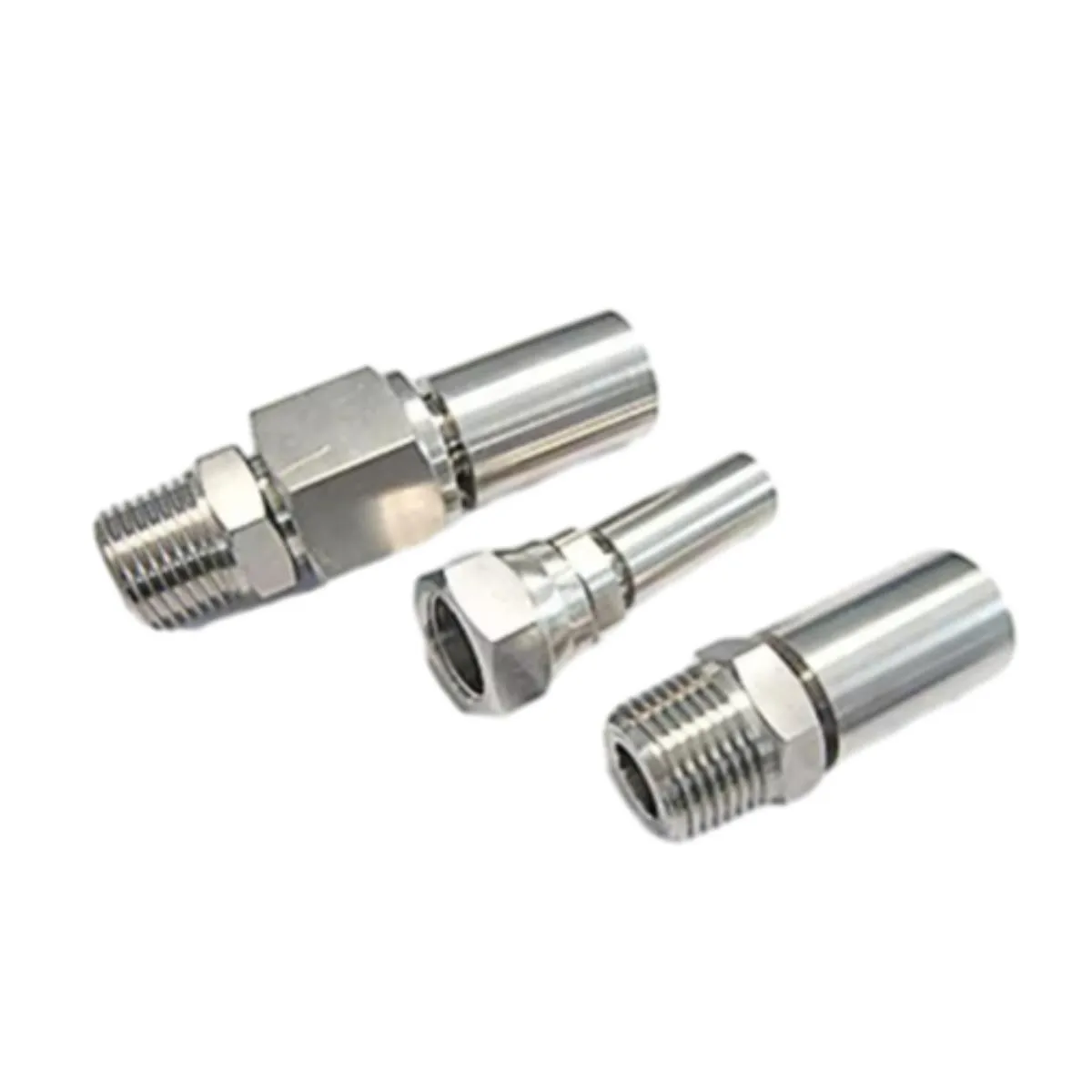
Inventory Management: MOQ and Bulk Packaging Strategies
Controlling Carrying Costs Through Minimum Order Quantities
Procurement volume thresholds directly govern warehouse overhead and working capital allocation for consumable industrial hardware. When purchasing agents acquire high-volume components in bulk, high minimum order quantities reduce per-unit acquisition prices while simultaneously escalating inventory holding expenditures. Warehouse facilities must balance immediate quantity discounts against long-term capital stagnation tied up in slow-moving stock bins. If component turnover rates drop below projected operational consumption, surplus stock occupies valuable storage footprint and increases material degradation risks. Holding costs scale proportionally with the total volume of stored fittings, encompassing facility insurance, climate control, and manual stock cycle counts. Purchasing planners mitigate these financial burdens by calculating precise reorder points based on daily consumption rates across construction, agriculture, and manufacturing job sites. Establishing tiered order schedules prevents unexpected stockouts on essential production lines while keeping surplus inventory within manageable financial limits.Optimizing Bulk Packaging Configurations for Warehouse Efficiency
Commercial packaging formats dictate how rapidly warehouse personnel can receive, audit, and distribute components to active assembly stations. Bulk cartons containing 1/2" to 2" (6mm-51mm) fittings require specialized racking systems to prevent box compression damage and container wall failures. Standardized master cartons streamline material handling workflows by allowing forklift operators to transport large batches directly to high-consumption zones without intermediate repacking steps. Protective interior barriers within bulk shipments prevent environmental oxidation during long-term storage in fluctuating ambient humidity.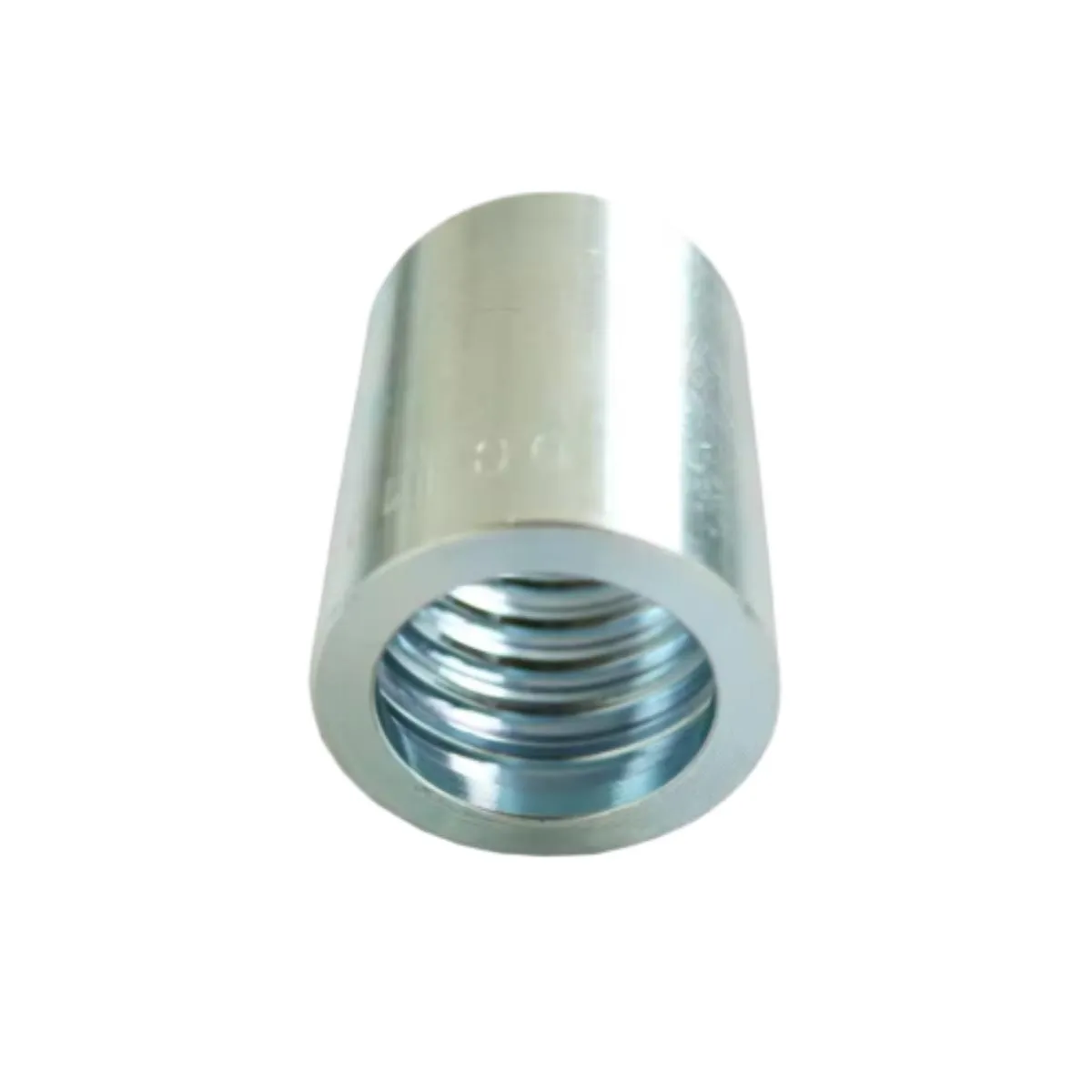
Application Alignment Across Industrial Sectors
Matching Fluid Transport Demands Across Industrial Sectors
Operating conditions in heavy-duty machinery impose severe mechanical stress on fluid connectors through continuous vibration and heavy cyclical loads. When hydraulic lines experience high-pressure pulses, selecting carbon steel provides the necessary structural resilience to withstand external impacts and mechanical fatigue. Procurement teams servicing these heavy-duty sectors must verify that component configurations match the specific flow rates required by each application without relying on generic baseline assumptions. Operating environments where moisture, salt spray, and abrasive particulate matter dominate require distinct metal grades to prevent premature joint failure. Stainless steel fittings perform reliably in offshore setups and underground mining installations where corrosion would otherwise degrade standard alloys within months. Industrial automation lines similarly benefit from precise material pairing, ensuring that hydraulic components maintain pressure integrity despite constant mechanical actuation.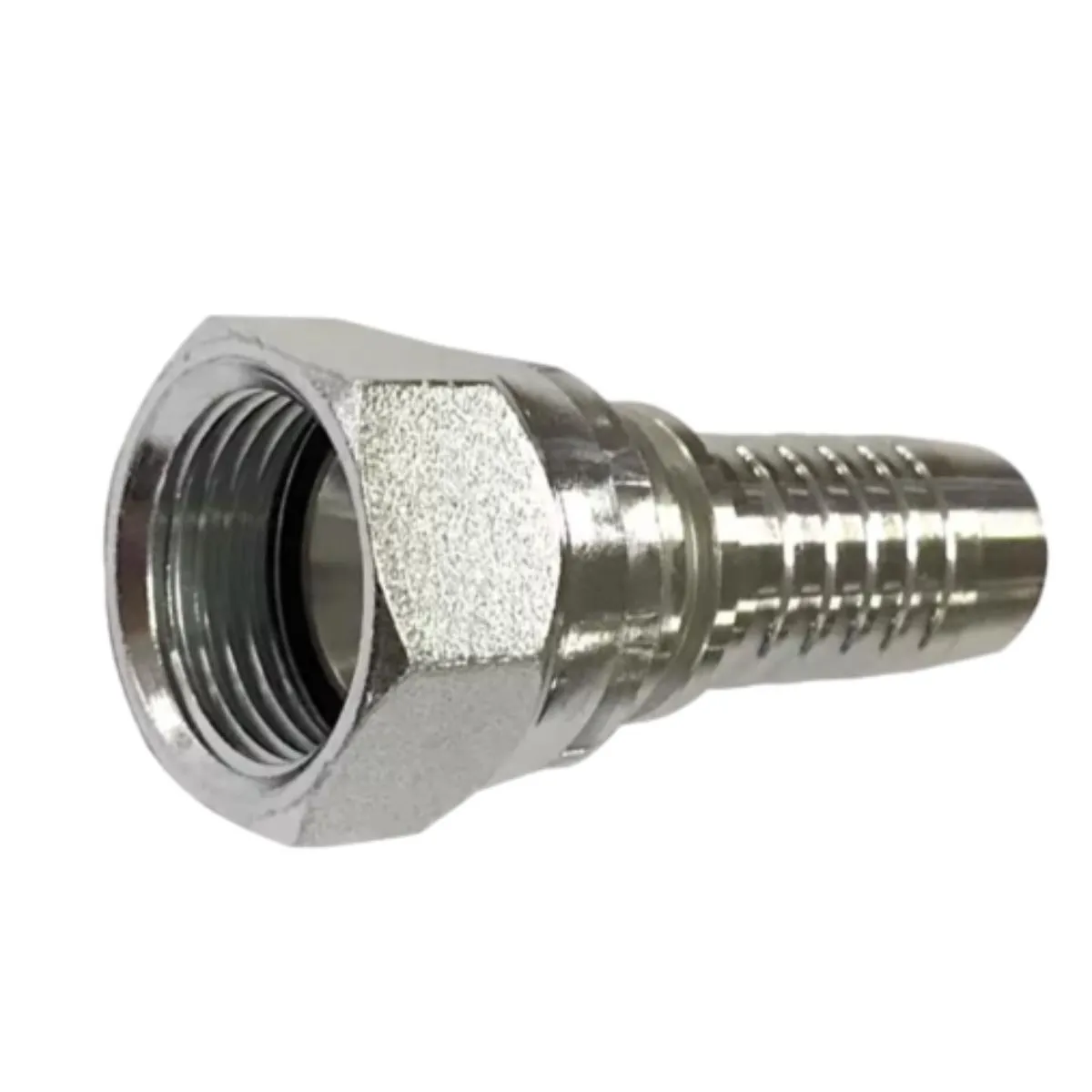
Environmental Severity and Fluid Compatibility in Oil and Gas
Extraction and refining installations present extreme operational hazards driven by corrosive process fluids and high internal pressures. If fluid transport systems encounter aggressive chemical agents or volatile hydrocarbons, upgrading from standard components to resistant metal grades prevents catastrophic containment breaches. Procurement managers evaluate these severe operating conditions by cross-referencing mechanical load parameters against environmental exposure levels. Corrosion rates accelerate rapidly in marine rigs and chemical processing plants, making alloy selection the primary determinant of system uptime. Brass components offer targeted functional advantages in specific fluid transport loops where specific engineering constraints outweigh extreme tensile load demands. To maintain operational continuity across volatile sectors, supply chain teams cross-reference valve and fitting specifications directly against the exact severity of the operating environment.Navigating Compliance Documentation and Sourcing Requirements
Evaluating import compliance requires a structured review because specific document types vary by target market and operational jurisdiction. Procurement teams mitigate regulatory friction by aligning verification protocols with regional legal frameworks and project specifications. Depending on destination ports and destination countries, required paperwork changes significantly.
Compliance Verification Protocols
Purchasing agents avoid unverified certifications by adhering strictly to verifiable commercial and material parameters. When importing components across international borders, verification relies on inspecting batch test reports rather than accepting general marketing claims. If material grades or surface characteristics do not match purchase order criteria, shipment acceptance is withheld until discrepancies are resolved.
Technical dossiers must be reviewed against actual shipment contents before parts enter active service lines in heavy machinery or fluid networks. Manufacturing facilities supply relevant test data when orders meet specific volume thresholds and destination requirements.
Supplier Selection Framework
Final supplier selection is determined by a comprehensive evaluation process based on total cost and application fit. Procurement decision-makers weigh initial unit pricing against long-term maintenance frequency and raw material stability. When operational environments involve severe mechanical stress or corrosive media, selecting the appropriate metal grade prevents premature system failure.
Supply chain continuity depends on verifying that manufacturing partners maintain consistent quality control standards across carbon steel, stainless steel, and brass production lines. By balancing upfront acquisition expenditures with lifecycle durability, industrial buyers secure optimal value for high-volume consumable components.
Frequently Asked Questions
- Carbon steel establishes a low-cost baseline for standard installations, reducing initial capital outlay in dry manufacturing environments.
- Stainless steel commands a higher upfront unit price while preventing premature degradation in corrosive marine setups.
- Brass occupies an intermediate pricing tier tailored for specialized fluid transfer requirements in agricultural machinery.
Purchasing agents select dimensions spanning from 1/2inch to 2inch (6mm to 51mm) to match standard hydraulic hose outer diameters. Specifying this precise bracket ensures fluid velocity and pressure containment needs are met without over-engineering component selection for mining or industrial automation lines.
Large-scale batch purchasing reduces unit acquisition expenses but increases capital tied up in slow-moving warehouse stock. Balancing bulk discounts against carrying costs depends heavily on projected consumption rates across manufacturing and oil and gas sector maintenance schedules.
Moisture exposure levels, chemical load fluctuations, and external mechanical stress determine whether baseline carbon steel suffices or if stainless steel is required to prevent accelerated rust formation and costly system downtime in harsh outdoor facilities.
Engineering teams audit the exact severity of the operating environment, cross-referencing fluid compatibility and mechanical stress parameters with material tiers before finalizing purchase orders to avoid premature field failures.
Conclusion
Operational Roadmap for Procurement and Engineering Teams
Execution begins when facility engineers audit existing inventory holding costs against historical consumption velocity across the 1/2" to 2" (6mm-51mm) dimensional spectrum. Component replacement records indicate whether chronic wear patterns stem from environmental exposure or improper metal grade selection.
Auditing Active Inventory and Operating Stress
Warehouse managers evaluate current stock turnover rates to prevent both excess holding costs and unexpected line stoppages in demanding industrial zones. When maintenance logs reveal accelerated degradation, operational teams verify whether moisture levels or chemical loads exceed baseline thresholds for carbon steel.
Depending on seasonal operational shifts and localized mechanical stress, reorder intervals are adjusted to maintain supply chain continuity while minimizing waste. Capital allocation depends heavily on whether high-volume consumable batches are consumed within high-moisture marine installations or dry manufacturing facilities.
Finalizing Purchasing Schedules and Delivery Parameters
Requests for quotation require detailed specifications covering exact dimensional ranges and bulk volume tiers. Outlays fluctuate according to the selected metal grade, order quantity, and destination port logistics.
Procurement teams incorporate precise project constraints into their purchasing schedules to balance initial component expenditure against long-term maintenance liabilities. Final acquisition timelines depend on supplier production queues, order volume tiers, and chosen freight routes.