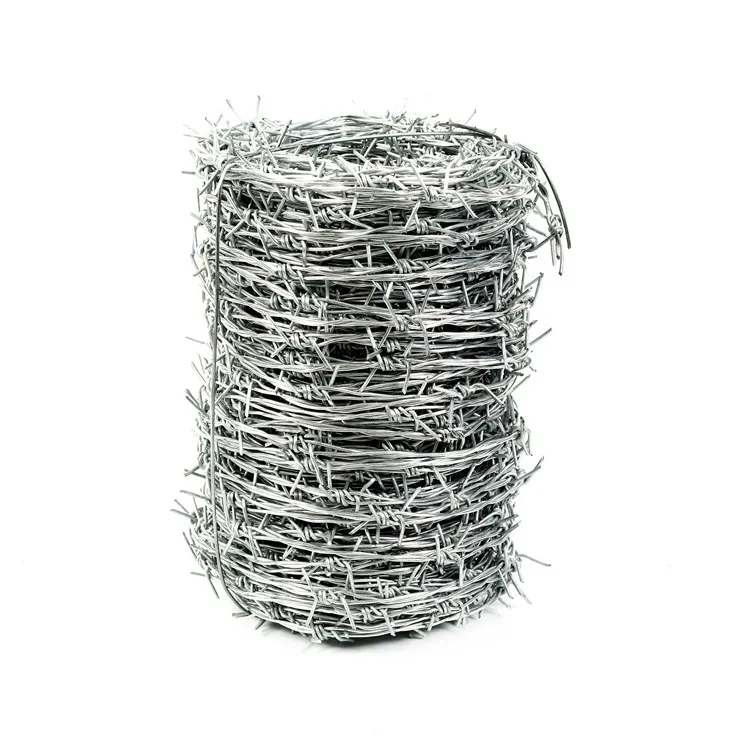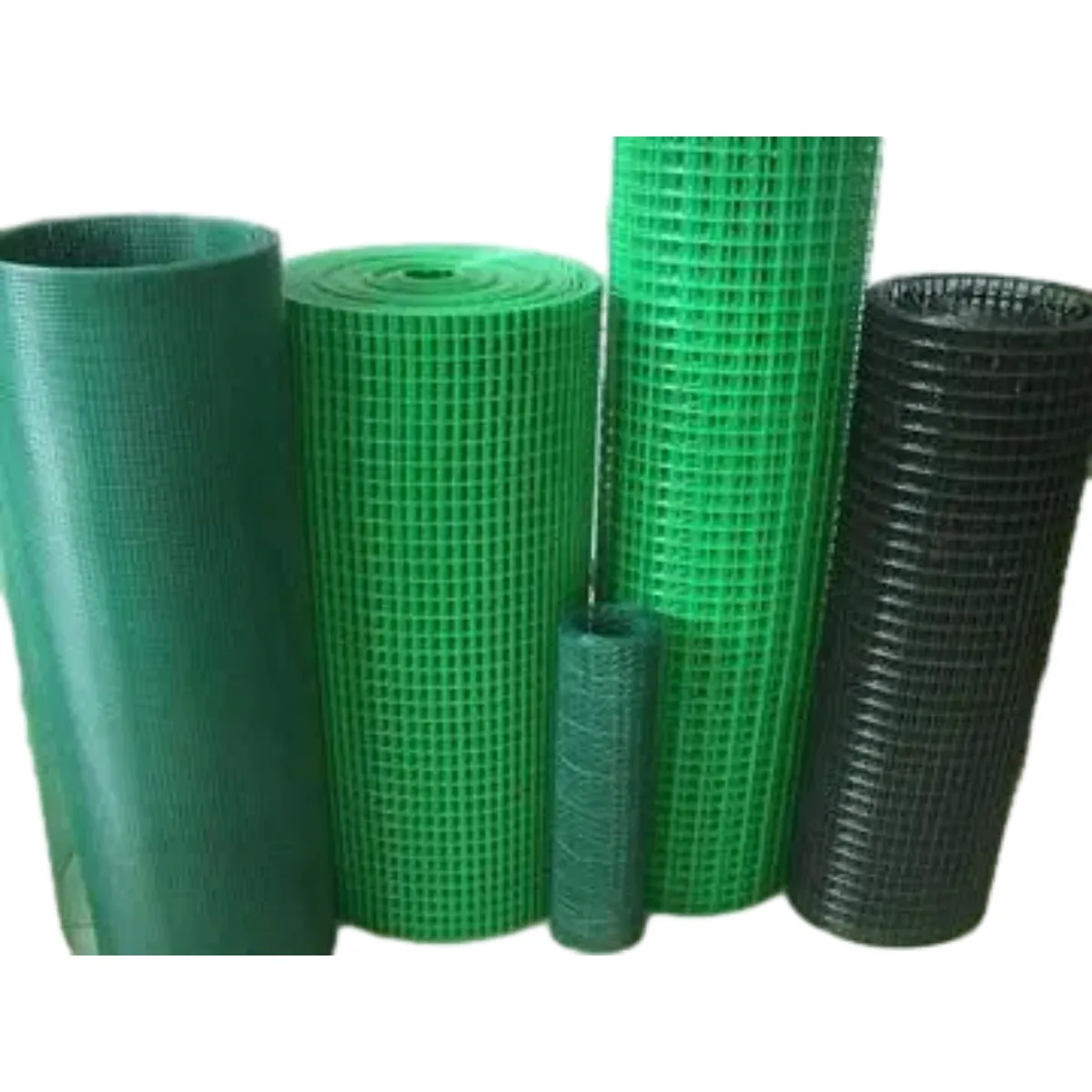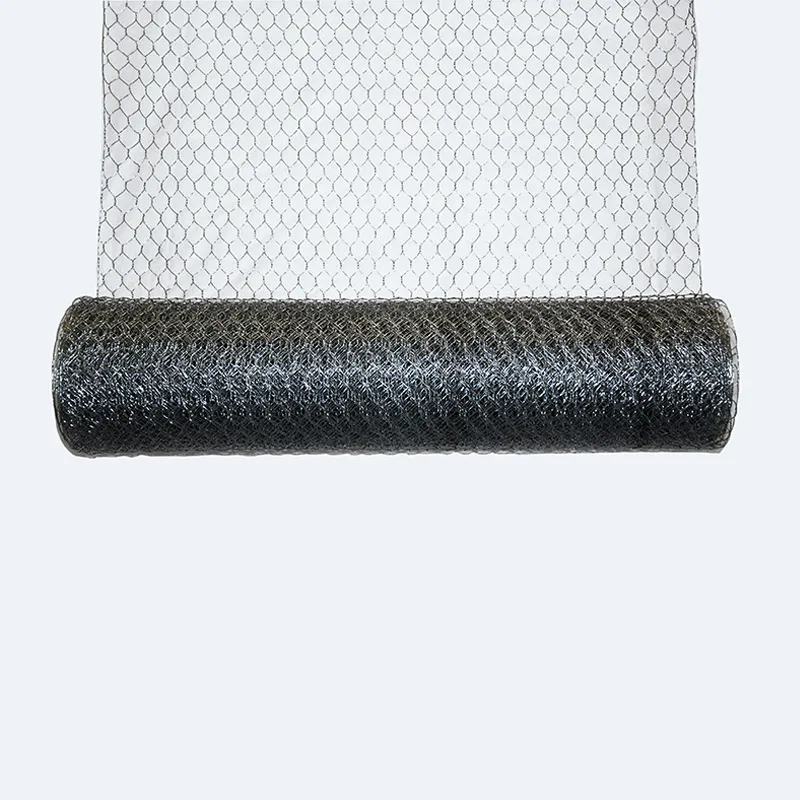
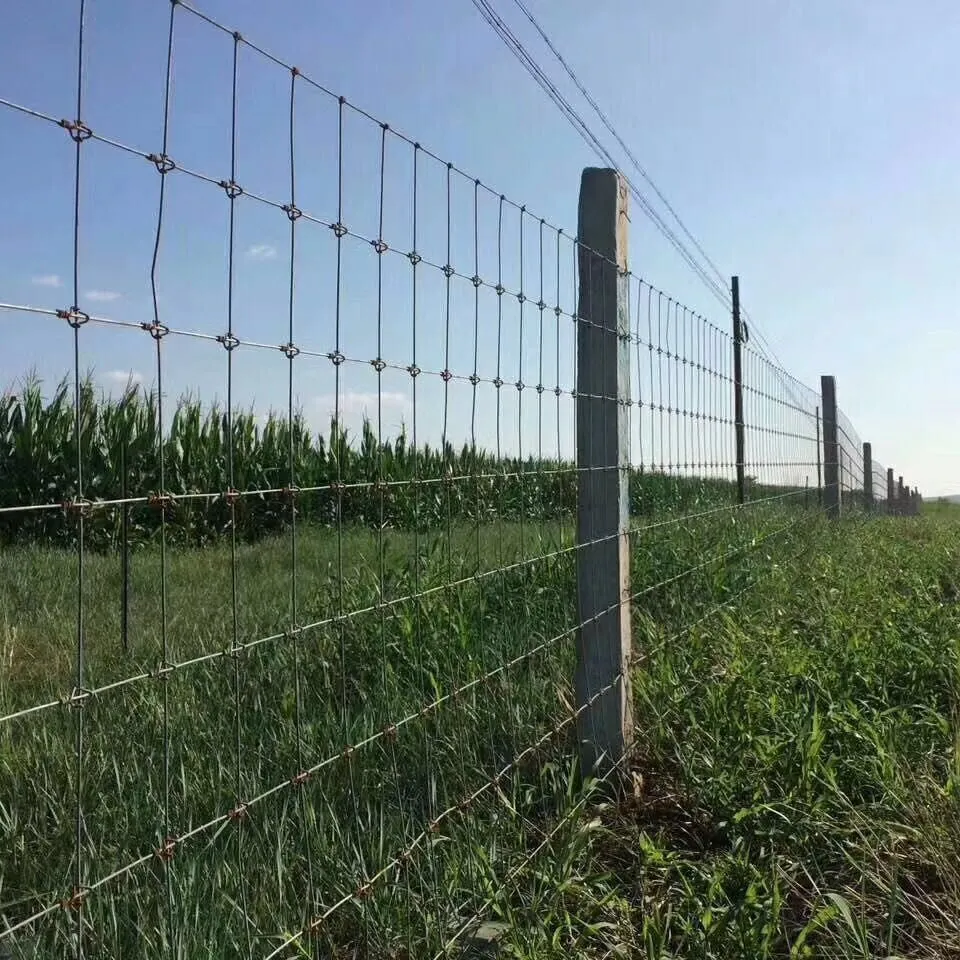
In Mongolia, the manufacturing and application of metal wire products are heavily influenced by the nomadic heritage and the vast geography of the steppe. The demand for hex wire netting is driven primarily by the need for secure livestock enclosures that can be transported and installed across wide open spaces while resisting extreme thermal expansion.
The regional climate, characterized by severe winters and high wind speeds, puts immense pressure on standard wire products. Local users often struggle with rapid corrosion due to varying humidity levels during the transition seasons, leading to a significant market shift toward galvanized and coated black chicken wire for enhanced longevity and aesthetic integration with the natural landscape.
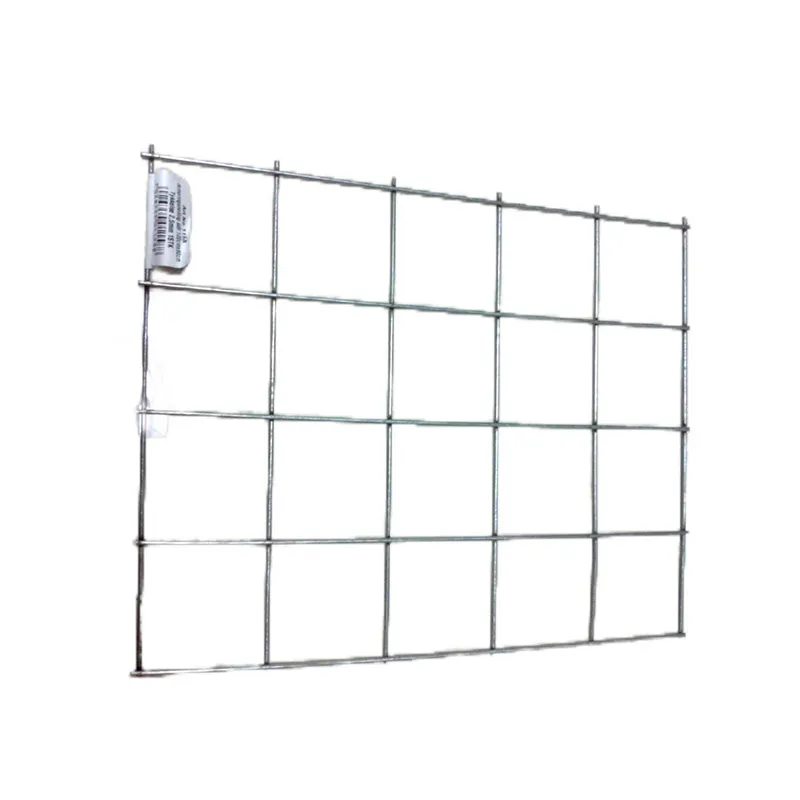
Economic growth in urban centers like Ulaanbaatar has also spurred a surge in construction, increasing the reliance on structural reinforcements. This has transitioned the market from simple agricultural netting to high-strength cement wire mesh used in foundation work and urban infrastructure to prevent cracking in permafrost-affected soils.